

Backpack Bottom Compartment Use Guide: How To Organize Gear Fast
Backpack Bottom Compartment Use Guide: How To Organize Gear Fast
⏱ 8 min read
What Is A Backpack Bottom Compartment Used For?
A backpack bottom compartment helps separate bulky or fast-access gear from the main storage area. It makes packing faster, improves weight balance, and solves the problem of a backpack not enough gear compartments by giving hikers, travelers, and commuters a dedicated space for shoes, rain gear, sleeping items, or emergency essentials.
The backpack bottom compartment can transform the way you carry gear, especially if your backpack has not enough gear compartments. From learning how to organize tactical backpack gear efficiently to mastering a guide to everyday carry backpack setup, you’ll uncover smart tricks that save time and frustration. Imagine reaching for what you need instantly without digging through layers—sounds like magic, right? Keep reading to discover the surprising ways even the smallest compartment can revolutionize your packing routine.
Ever opened your backpack on the trail and spent five frustrating minutes digging for a flashlight or rain jacket? That problem usually comes from poor compartment planning. A smart bottom compartment setup changes everything.
Whether you hike, travel, commute, or camp, fast organization saves energy and reduces stress. The right setup lets you grab gear instantly without unpacking your entire bag.
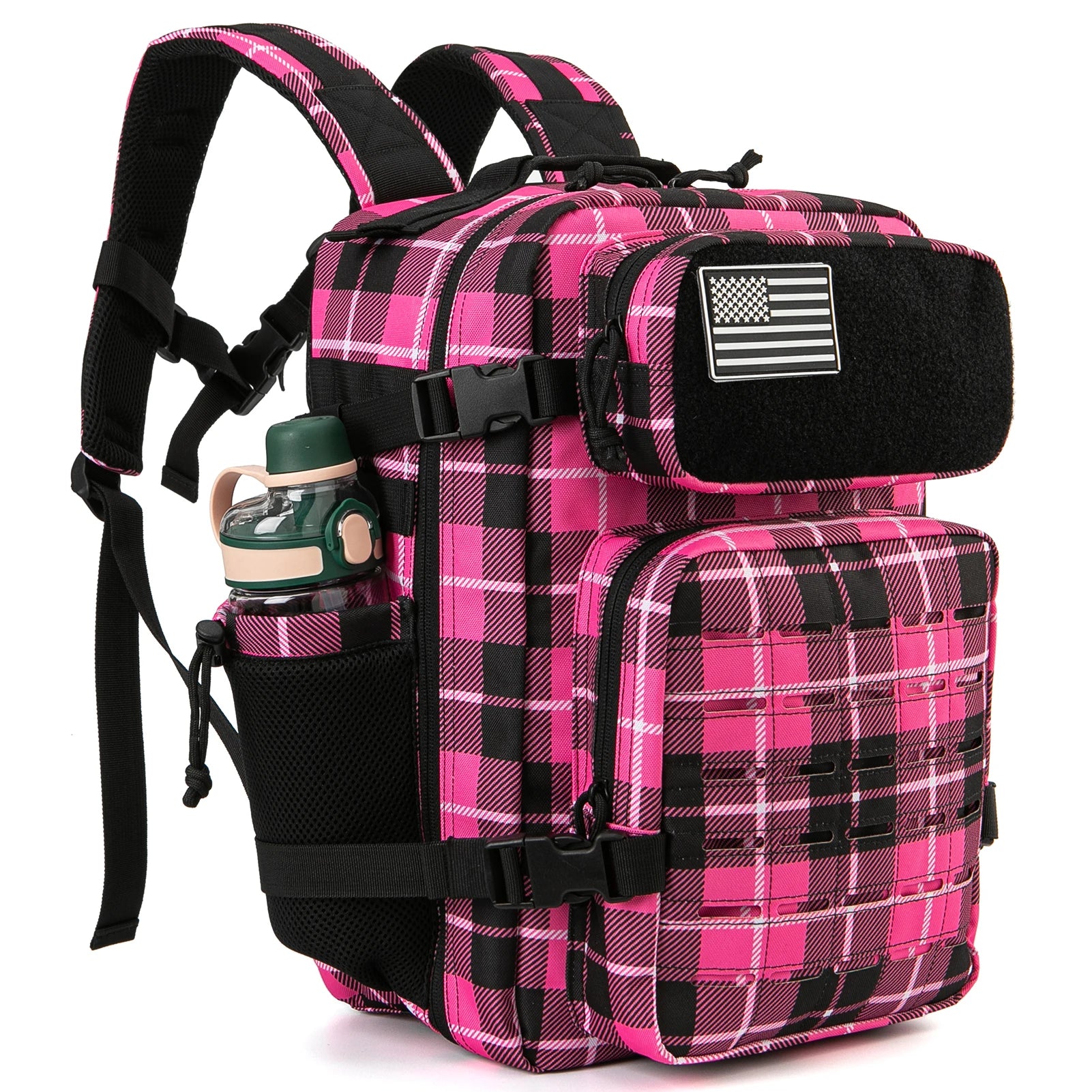
Upgrade your organization system with the 25L Tactical Backpack Molle Hiking Pack designed for faster access, balanced weight distribution, and everyday outdoor use.
💡 See it in action
Why Bottom Compartments Make Packing Faster
A backpack bottom compartment improves organization by separating high-priority gear from bulkier items. This creates faster access, better load distribution, and less clutter in the main storage section. For hikers and travelers dealing with backpack not enough gear compartments, the bottom section acts like a quick-access storage zone that reduces packing frustration.
Think about the last time weather changed unexpectedly during a hike. You probably needed quick access to:
- Rain jackets
- Emergency layers
- Flashlights
- First aid kits
- Wet clothing
- Trail shoes
Instead of unpacking everything, a bottom compartment keeps those essentials isolated and accessible.
Key Benefits Of Using A Bottom Compartment
| Benefit | Why It Helps |
|---|---|
| Faster access | Grab essentials without opening the main compartment |
| Better organization | Keeps dirty or wet gear separated |
| Improved weight balance | Reduces shoulder strain during long walks |
| Less packing stress | Prevents gear from shifting during movement |
Many experienced campers also pair their backpacks with Compression & Packing Bags and Gear Organizers & Pouches for even better compartment control.
How To Organize Tactical Backpack Gear Efficiently
The fastest way to organize tactical backpack gear is by dividing equipment based on urgency, weight, and frequency of use. Heavy gear should stay near the center of the backpack, while fast-access items belong in the backpack bottom compartment for quick retrieval during hiking, travel, or emergency situations.
What gear actually makes packing easier? The answer is not more gear. It is smarter placement.
Step-By-Step Tactical Backpack Setup
- Place emergency gear in the bottom compartment
- Store heavy gear close to your spine
- Keep snacks and hydration near side pockets
- Use pouches to separate electronics and tools
- Reserve top compartments for frequently used items
A common mistake is overloading the top of the backpack. That causes imbalance and slower access. Instead, use the lower compartment for compact bulky items like:
- Rain ponchos
- Sleeping liners
- Extra socks
- Compact blankets
- Emergency kits
Outdoor travelers often combine backpacks with Waterproof & Dry Bags to keep moisture-sensitive gear protected.
Fast Access Packing Checklist
- Keep one emergency item reachable in under 5 seconds
- Separate wet and dry gear
- Avoid stacking heavy items at the bottom
- Use labeled pouches
- Leave small expansion space for quick repacking
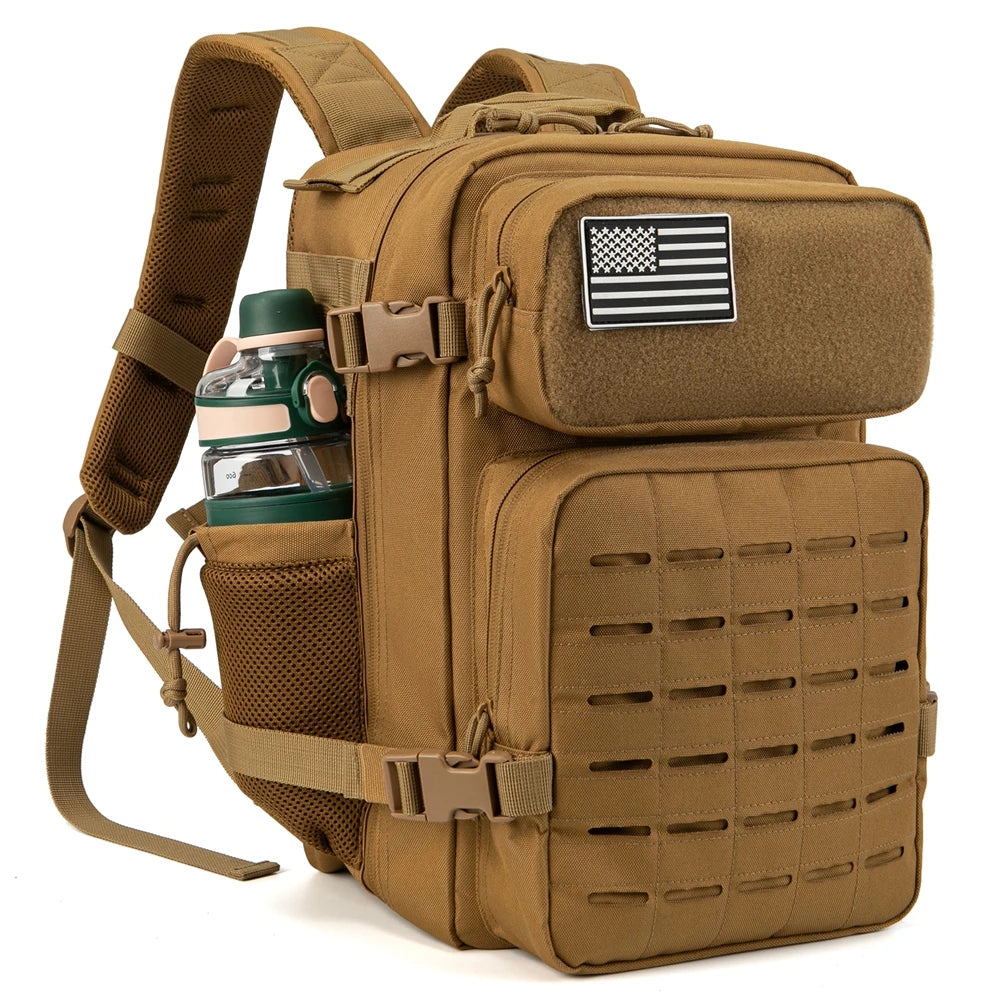
The 25L Tactical Backpack Molle Hiking Pack gives outdoor travelers flexible storage zones for hiking, commuting, travel, and emergency preparation.
Guide To Everyday Carry Backpack Setup
A smart everyday carry backpack setup keeps daily essentials organized without creating clutter. Using the backpack bottom compartment for backup gear and emergency supplies helps maximize limited storage while making frequently used items easier to locate during work, travel, or outdoor activities.
Many commuters struggle because their backpack has not enough gear compartments. The solution is creating functional zones instead of randomly stuffing items inside.
Simple Everyday Carry Layout
| Backpack Area | Recommended Items |
|---|---|
| Bottom compartment | Backup clothes, compact shoes, emergency kit |
| Main compartment | Laptop, books, larger gear |
| Top pocket | Keys, wallet, earbuds |
| Side pockets | Water bottles and snacks |
Travelers who frequently move between airports, campsites, and hotels often pair their carry system with Foldable Travel Gear and Car Organizers & Storage for better mobility.
💡 See it in action
Best Gear To Store In The Bottom Compartment
The bottom compartment works best for lightweight bulky gear or emergency items that need fast access. It helps separate important equipment from the main load while preventing clutter and improving overall backpack organization during hiking, travel, or everyday commuting.
Ideal Bottom Compartment Items
- Rain jackets and ponchos
- Emergency blankets
- Compact sleeping gear
- First aid kits
- Dirty laundry bags
- Compact footwear
- Portable food containers
Campers heading into changing weather conditions often carry Rain Ponchos & Capes and First Aid Kits in the bottom section for rapid access.
Items You Should Avoid Storing At The Bottom
- Laptops
- Heavy cookware
- Fragile electronics
- Glass containers
- Sharp loose tools
Improper bottom loading can create uncomfortable pressure on your lower back and reduce mobility during long hikes.
Common Backpack Organization Mistakes
Even experienced hikers sometimes create unnecessary packing problems. Here are the biggest mistakes that slow people down.
1. Treating The Backpack Like One Giant Pocket
Without organization zones, every item becomes difficult to find. Using pouches and compartment categories dramatically improves efficiency.
2. Ignoring Weight Distribution
Heavy gear should sit close to your spine. Overloading the bottom compartment causes sagging and shoulder strain.
3. Packing Rarely Used Gear On Top
Frequent-use items should always stay accessible. Emergency gear buried in the center of the pack wastes valuable time.
4. Forgetting Weather Separation
Wet clothing can damage electronics and sleeping gear. Many travelers use Food Storage Bags & Containers or dry bags for separation during storms.
Travel Backpack Hacks For Faster Access
Frequent travelers often develop creative systems to reduce stress during road trips, flights, and hiking adventures.
Use Color-Coded Packing Systems
- Red pouch = emergency gear
- Blue pouch = electronics
- Green pouch = hygiene supplies
- Black pouch = repair tools
Pack By Activity Instead Of Item Type
Instead of grouping all clothing together, organize by use case:
- Sleep kit
- Rain kit
- Cooking kit
- Workout kit
This system works especially well alongside Camping Storage & Boxes and Backpacking & Carry accessories.
Keep One “Grab-And-Go” Pocket
Store your highest-priority items in one dedicated section:
- Headlamp
- Phone charger
- Wallet
- Map
- Emergency whistle
Many hikers also add gear from Headlamps & Wearable Lights and Emergency Whistles & Signals for safer night travel.
Organize faster and travel smarter with the 25L Tactical Backpack Molle Hiking Pack built for outdoor adventures, commuting, and everyday carry setups.
Why This Tactical Backpack Simplifies Organization
The right backpack design matters more than most people realize. A well-designed bottom compartment improves speed, comfort, and accessibility during travel and outdoor activities.
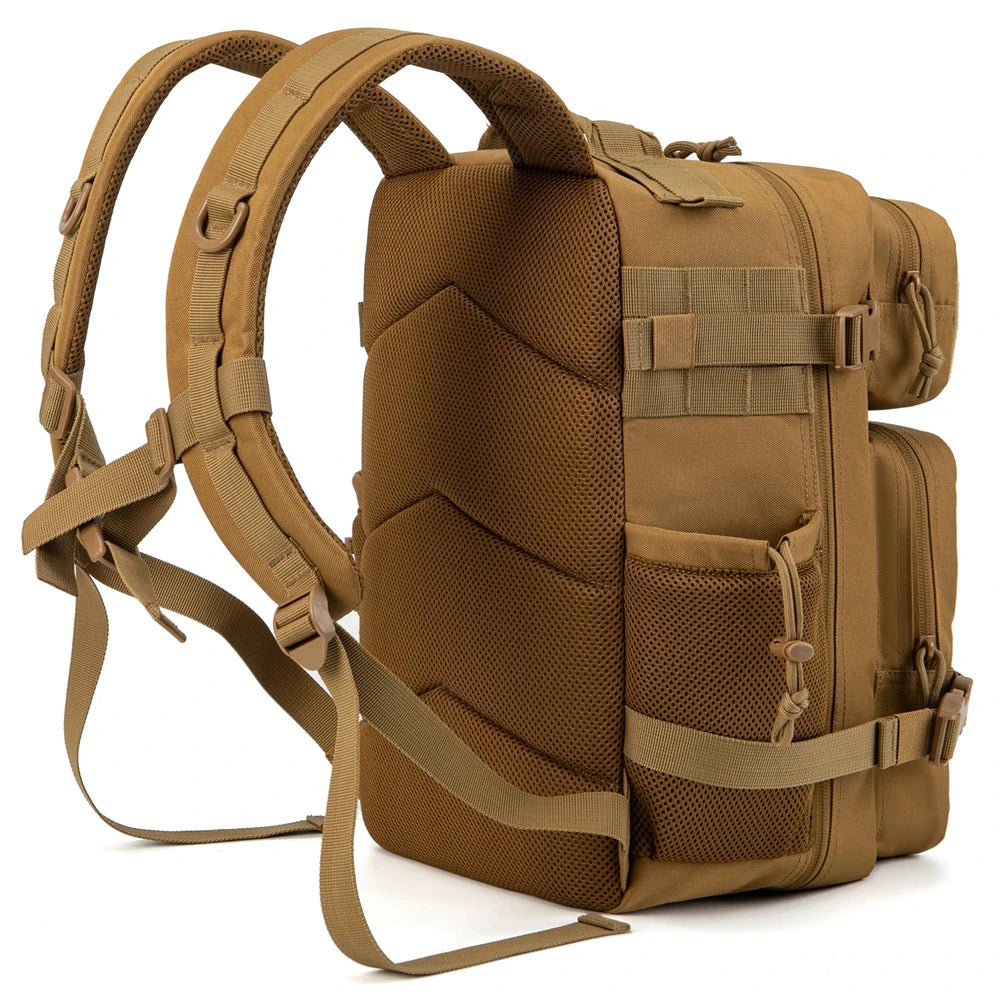
The 25L Tactical Backpack Molle Hiking Pack helps solve common organization problems with structured compartments, durable materials, and flexible storage zones.
Features That Improve Everyday Use
- Dedicated bottom storage area
- MOLLE-compatible expansion system
- Comfortable load distribution
- Compact travel-friendly design
- Fast-access organizational layout
Outdoor users often combine this setup with Portable Power Banks, Collapsible Water Bottles, and Multi-tools & Knives for a complete travel system.
Real Outdoor Feedback
Many travelers report spending less time unpacking and more time enjoying activities once they switched to compartment-based packing systems.
One camper shared that separating emergency rain gear into the bottom compartment prevented an entire hiking day from turning chaotic during an unexpected storm.
💡 See it in action
Conclusion
A backpack bottom compartment may seem like a small feature, but it completely changes how quickly and efficiently you can access gear. Whether you are hiking, commuting, camping, or traveling, better organization reduces stress and improves comfort.
Instead of fighting clutter every time you open your bag, create smart storage zones that match your routine. The result is faster packing, easier access, and a smoother outdoor experience.
For travelers who constantly struggle with backpack not enough gear compartments, upgrading to a more organized system can make every trip easier and more enjoyable.
FAQ
What should go in a backpack bottom compartment?
The best items for a backpack bottom compartment include rain gear, compact clothing, emergency kits, sleeping accessories, or lightweight bulky items that need quick access during travel or hiking.
How do I organize tactical backpack gear efficiently?
Divide gear by use frequency and urgency. Store emergency and fast-access items in easy-to-reach compartments, place heavy gear near your spine, and use organizers or pouches to separate categories.
Why does my backpack always feel disorganized?
Most backpacks feel cluttered when items are packed randomly without dedicated zones. Using compartments, organizers, and packing systems dramatically improves accessibility and balance.
Can a bottom compartment improve hiking comfort?
Yes. A properly packed bottom compartment helps balance weight, reduces shoulder strain, and allows faster access to essential gear during changing outdoor conditions.
What is the best everyday carry backpack setup?
A strong everyday carry setup separates electronics, emergency gear, hydration, and quick-access items into dedicated sections. This improves efficiency during commuting, travel, and outdoor activities.
Pillar Article: How To Pack Your Backpacking Pack For Balance And Comfort
Other Related Articles:
- Dry Bag 10 Liter Setup: How To Keep Essentials Fully Dry
- How To Attach Molle Pouches Step-By-Step For Secure Gear Setup
- How To Pack A Hiking Bag For Stress-Free Trail Preparation
Explore More:





