

Hiking Lightweight Backpacks: Features That Reduce Fatigue On Trails
Hiking Lightweight Backpacks: Features That Reduce Fatigue On Trails
Do hiking lightweight backpacks really reduce fatigue on long trails?
Hiking lightweight backpacks reduce shoulder strain, improve posture, and help hikers stay comfortable over long distances. Features like padded straps, breathable back panels, and balanced storage solve uncomfortable backpack straps during long hikes while minimizing travel backpack poor weight distribution issues that cause soreness and exhaustion.
⏱ 9 min read
Hiking for hours with the wrong backpack can turn an exciting outdoor trip into a painful experience. Sore shoulders, sweaty backs, and uneven loads often make every mile feel longer than it should. The good news is that modern hiking lightweight backpacks are designed to solve these problems with smarter support systems, balanced storage, and fatigue-reducing comfort features that keep your body moving efficiently on trails, travel adventures, and weekend camping trips.
Have you ever reached the halfway point of a hike and immediately wished you packed lighter gear?
👉 Discover smarter outdoor comfort with the 25L Tactical Backpack MOLLE Hiking Pack before your next hiking trip.
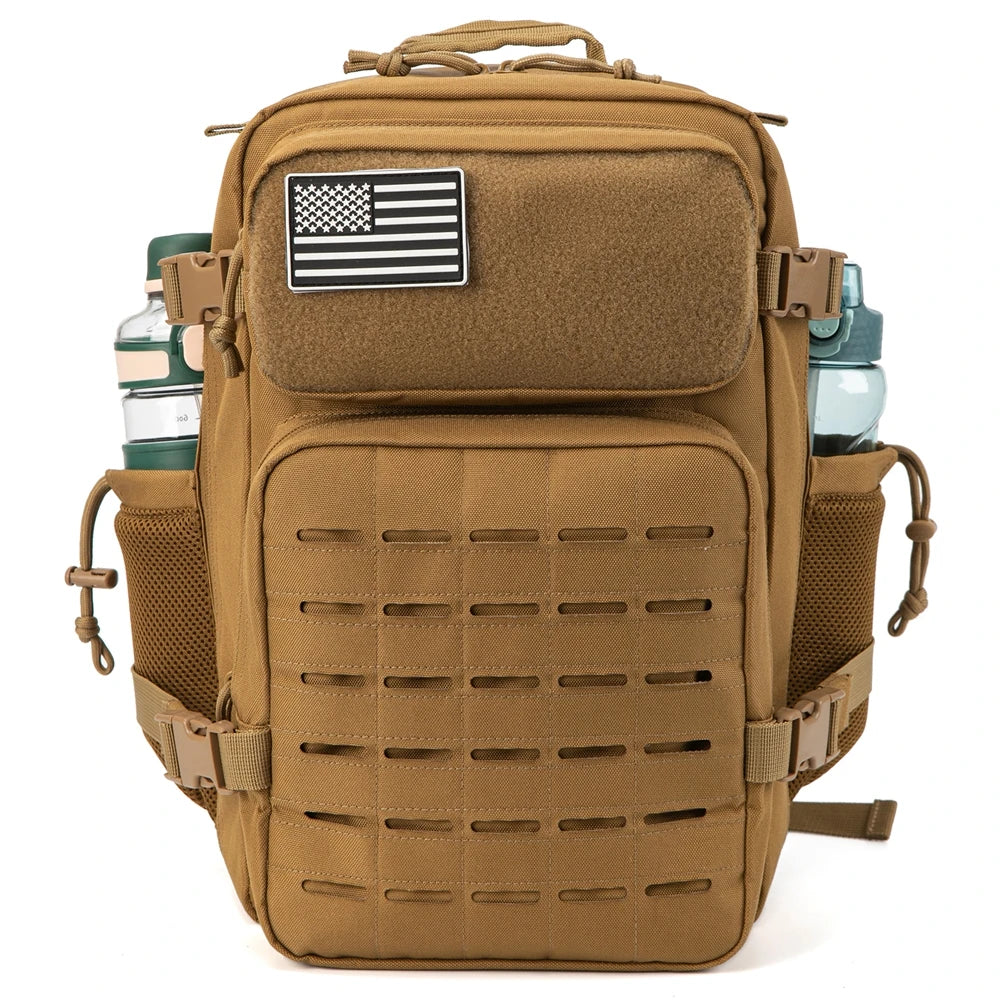
💡 See it in action
Why Lightweight Backpacks Matter On Long Trails
Hiking lightweight backpacks help reduce fatigue by lowering unnecessary pressure on the spine, shoulders, and hips. A lighter design allows hikers to maintain better posture, conserve energy, and move more naturally across uneven terrain without suffering from travel backpack poor weight distribution issues.
Every extra pound carried over long distances increases muscle strain. Traditional heavy backpacks often force hikers to lean forward, placing stress on the lower back and shoulders.
Modern lightweight designs focus on:
- Reducing total pack weight without sacrificing storage
- Improving airflow to limit sweat buildup
- Creating balanced load placement for easier movement
- Preventing uncomfortable backpack straps during long hikes
- Supporting faster access to essential outdoor gear
Many hikers also pair lightweight packs with gear from Lightweight Daypacks and Compression & Packing Bags to keep loads organized while minimizing bulk.
Which Backpack Features Reduce Fatigue The Most?
Hiking lightweight backpacks reduce fatigue most effectively through ergonomic straps, ventilated back panels, chest stabilizers, and smart compartment placement. These features evenly distribute weight while preventing hot spots and pressure points that typically cause soreness during long hikes.
Ventilated Back Panels Keep Hikers Cooler
A sweaty back may seem minor at first, but trapped heat increases fatigue quickly. Ventilated mesh systems create airflow between the backpack and your back, reducing overheating during long hikes in warm weather.
This matters especially for hikers exploring humid forests, desert trails, or summer mountain routes.
Adjustable Load Support Improves Stability
Loose backpacks shift constantly while walking. That movement wastes energy and causes muscle strain.
Look for backpacks that include:
- Adjustable sternum straps
- Hip belts for weight transfer
- Compression straps for tighter loads
- Padded shoulder support
- Multiple load-balancing compartments
Many experienced hikers also use Gear Organizers & Pouches to keep heavier items positioned close to the body’s center of gravity.
Lightweight Materials Without Weakness
Modern outdoor fabrics offer impressive durability while remaining lightweight. Ripstop nylon, water-resistant coatings, and reinforced stitching help hikers carry less without sacrificing reliability.
This balance is particularly important for people seeking the best 25L backpack for travel because it combines portability with practical outdoor toughness.
How Better Strap Design Prevents Shoulder Pain
Uncomfortable backpack straps during long hikes often result from narrow padding, poor contouring, and uneven tension. Wider ergonomic straps distribute pressure more evenly across the shoulders, reducing nerve compression and muscle fatigue during extended outdoor use.
Shoulder pain is one of the most common complaints among hikers using budget backpacks.
The problem usually comes from:
- Thin strap padding
- Incorrect strap angle
- Poor chest stabilization
- Heavy top-loaded storage
- Excessive swinging while walking
A properly designed lightweight tactical backpack for outdoor trips solves these issues by using ergonomic shoulder shaping and balanced support zones.
Outdoor travelers often combine their packs with compact gear from Collapsible Water Bottles and Personal Water Filters to avoid carrying unnecessary weight from oversized water containers.
👉 Learn how the right backpack setup improves trail comfort with smart storage and balanced support.
How Proper Weight Distribution Improves Hiking Comfort
Travel backpack poor weight distribution issues create uneven stress that forces hikers to compensate with awkward posture. Hiking lightweight backpacks improve comfort by keeping heavier gear centered and closer to the body, reducing instability and conserving energy over long distances.
Weight distribution matters more than many hikers realize.
Even a moderately heavy backpack can feel manageable when weight sits properly near the spine and hips.
Poorly balanced packs often lead to:
- Neck stiffness
- Lower back soreness
- Hip discomfort
- Reduced endurance
- Faster overall exhaustion
Using internal compartments strategically makes a major difference. Heavy items should sit close to the middle of the back rather than hanging far outward.
| Backpack Feature | Benefit On Trails |
|---|---|
| Hip Belt Support | Transfers weight away from shoulders |
| Chest Strap | Improves upper-body stability |
| Compression Straps | Prevents gear shifting |
| Ventilated Back Panel | Reduces sweat buildup |
| Multi-Zone Compartments | Improves load organization |
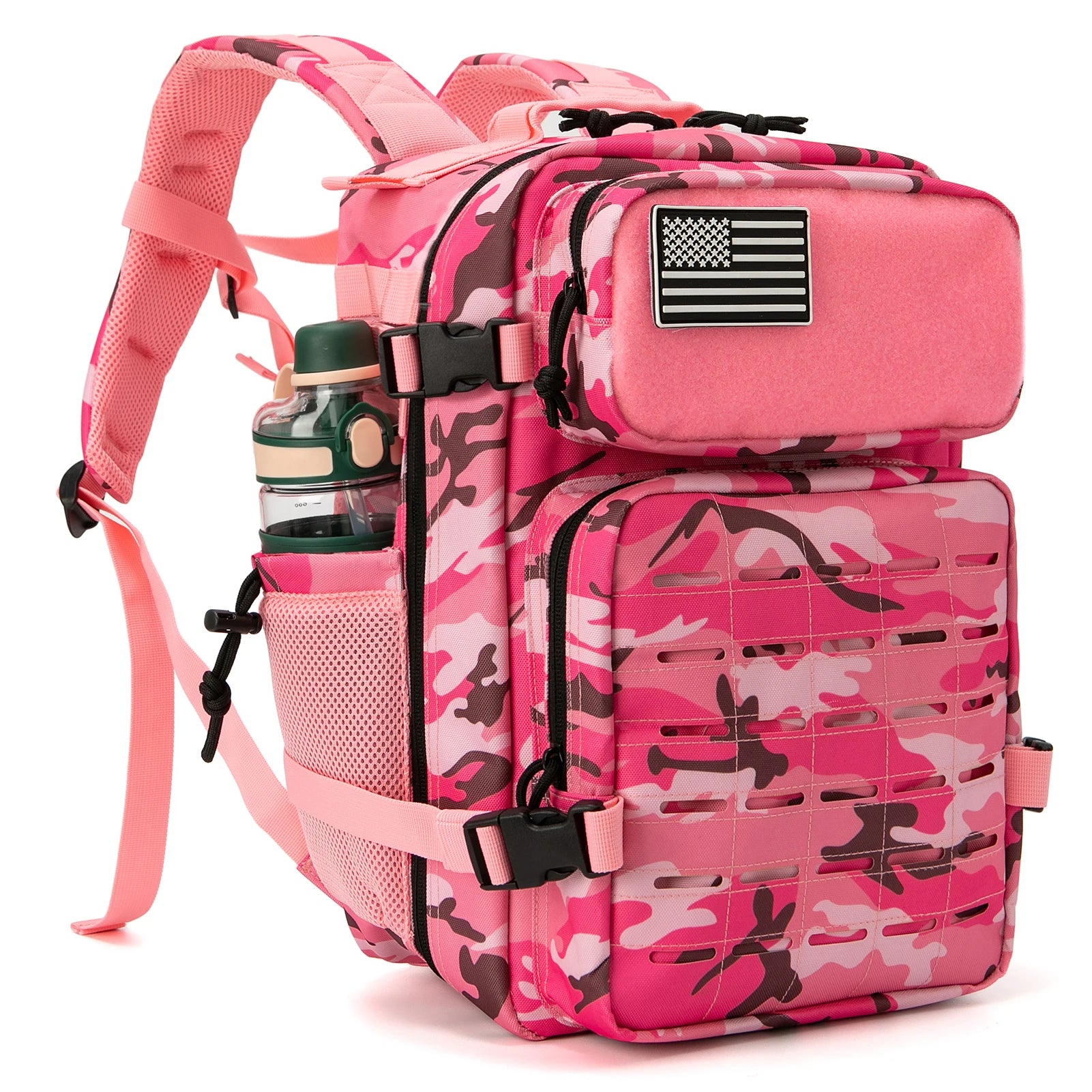
💡 See it in action
Why The Best 25L Backpack For Travel Works So Well
The best 25L backpack for travel offers an ideal balance between storage capacity and portability. It carries enough gear for day hikes, weekend adventures, and travel essentials while remaining compact enough to reduce fatigue and improve overall mobility.
Oversized backpacks encourage overpacking. That extra weight quickly becomes noticeable during long walks, airport transfers, or uphill climbs.
A 25L backpack helps travelers focus on essentials:
- Hydration systems
- Layered clothing
- Compact food storage
- Emergency supplies
- Portable electronics
Travelers frequently pair compact packs with gear from Portable Power Banks, Waterproof & Dry Bags, and Foldable Travel Gear for more efficient organization.
Why 25L Capacity Fits Most Outdoor Adventures
For most hikers, 25 liters provides enough room without becoming bulky.
That size works well for:
- Day hikes
- Urban travel
- Weekend camping
- National park exploration
- Carry-on outdoor travel
Many outdoor users report feeling less shoulder fatigue after switching from oversized 40L packs to streamlined 25L designs.
"After replacing my heavy travel pack with a lightweight 25L setup, I noticed less shoulder soreness and better balance during steep climbs." — Weekend trail hiker from Colorado
Why Lightweight Tactical Backpacks Perform Better Outdoors
A lightweight tactical backpack for outdoor trips combines durability, organized storage, and balanced load systems that help hikers stay efficient in changing environments. Tactical-style layouts also improve quick access to gear without requiring constant unpacking on the trail.
Tactical backpacks have become popular beyond military-style use because they solve many common hiking frustrations.
Key advantages include:
- MOLLE-compatible attachment systems
- Reinforced stress points
- Weather-resistant materials
- Flexible storage layouts
- Fast-access compartments
Hikers carrying emergency gear often pair tactical backpacks with products from First Aid Kits, Emergency Road Kits, and Safety, Survival & Emergency.
👉 Get trail-ready with the 25L Tactical Backpack MOLLE Hiking Pack before your next outdoor adventure.
Smart Packing Strategies That Reduce Backpack Strain
Even the best hiking lightweight backpacks perform poorly if packed incorrectly.
Follow these simple packing strategies for better comfort:
- Place heavy gear near the middle of your back
- Store frequently used items in outer compartments
- Keep water weight balanced evenly
- Use compression systems to prevent shifting
- Avoid unnecessary duplicate gear
Adding lightweight accessories from Hooks, Clips & Carabiners helps hikers attach smaller tools externally instead of overcrowding internal compartments.
Extra Gear That Supports Long-Hike Comfort
Comfort on trails depends on more than just the backpack itself.
Many experienced hikers improve endurance with:
- Headlamps & Wearable Lights for safer early starts
- Stretching & Recovery Tools for post-hike muscle relief
- Rain Ponchos & Capes for weather protection
- Outdoor Cookware for efficient meal preparation
- Car Camping Accessories for extended outdoor trips
Comparison Of Backpack Features That Improve Comfort
| Feature | Basic Backpack | Modern Lightweight Hiking Backpack |
|---|---|---|
| Weight Distribution | Uneven and unstable | Balanced and ergonomic |
| Back Ventilation | Limited airflow | Breathable mesh systems |
| Strap Comfort | Thin shoulder padding | Wide ergonomic support |
| Storage Organization | Single large compartment | Multi-zone organization |
| Trail Endurance | Higher fatigue levels | Reduced strain during long hikes |
Real Outdoor Situations Where Backpack Design Matters
Mountain Hiking
Steep climbs make poor weight distribution obvious very quickly. Balanced hiking lightweight backpacks help reduce forward leaning and improve breathing efficiency on uphill terrain.
Airport And Travel Days
Long airport walks become easier with compact packs that avoid shoulder pressure and awkward shifting while moving through crowded terminals.
Weekend Camping Trips
Efficient storage layouts simplify access to outdoor essentials like cooking supplies, extra clothing, and hydration gear.
Many campers combine their backpacks with products from Camping Storage & Boxes and Hydration & Food for better organization during multi-day adventures.
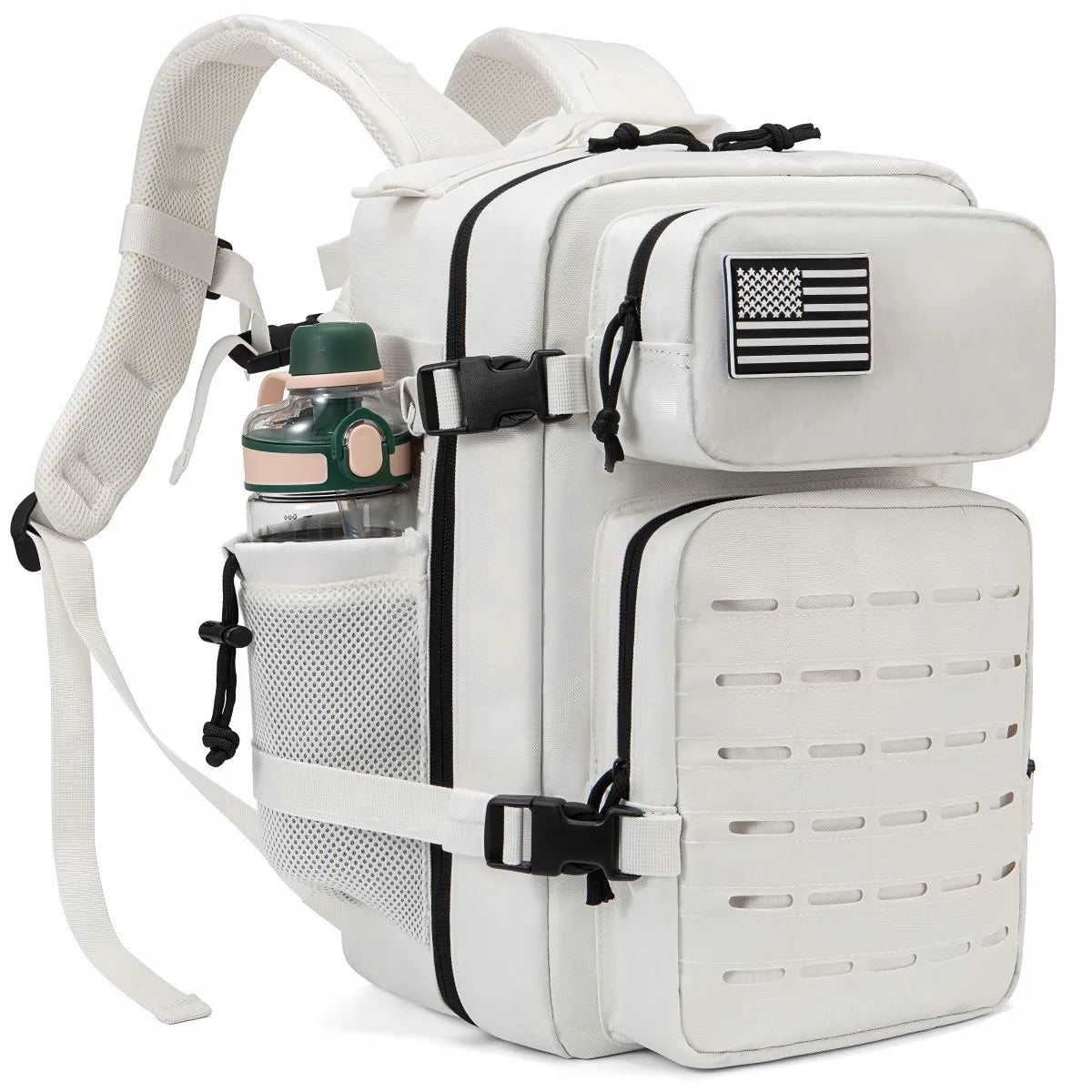
💡 See it in action
Why Choosing The Right Backpack Changes Every Outdoor Trip
The difference between an exhausting hike and an enjoyable one often comes down to backpack design. Hiking lightweight backpacks help reduce muscle strain, improve movement efficiency, and solve uncomfortable backpack straps during long hikes with smarter support systems and balanced storage.
Whether you need the best 25L backpack for travel or a lightweight tactical backpack for outdoor trips, choosing the right features can dramatically improve comfort on trails, road trips, and camping adventures.
When combined with organized packing and supportive outdoor gear, the right backpack becomes more than storage — it becomes a tool that helps you stay energized longer and enjoy every mile more comfortably.
👉 Upgrade your outdoor setup today with the 25L Tactical Backpack MOLLE Hiking Pack before your next hike.
FAQ
What makes hiking lightweight backpacks more comfortable?
Lightweight backpacks reduce fatigue by minimizing unnecessary weight and improving load balance. Features like padded straps, breathable back panels, and hip support systems help hikers stay comfortable over long distances.
How do I stop uncomfortable backpack straps during long hikes?
Choose backpacks with wider ergonomic shoulder straps, adjustable chest support, and proper weight distribution. Packing heavier items close to the back also reduces pressure on the shoulders.
Is a 25L backpack large enough for hiking and travel?
Yes. A 25L backpack is ideal for day hikes, weekend adventures, and travel because it provides enough storage without encouraging overpacking or excessive weight.
Why do tactical backpacks work well for hiking?
Lightweight tactical backpacks offer durable materials, organized storage systems, and balanced support features that improve comfort and accessibility during outdoor activities.
How can I improve backpack weight distribution?
Place heavier gear near the center of your back, tighten compression straps, and distribute weight evenly across compartments to reduce instability and fatigue.
Pillar Article: Tactical Backpack For Hiking: Key Features That Boost Performance
Other Related Articles:
Explore More:





