

Rain Gear For Backpacking: How To Layer And Stay Dry Fast
Best Hiking Poncho: Waterproof Fabrics And Trail Performance
What Is the Best Hiking Poncho for Heavy Rain and Backpacking?
The best hiking poncho combines waterproof protection, breathable fabric, backpack coverage, and lightweight portability for long-distance trails. Modern ripstop nylon ponchos outperform basic rain jackets during extended storms by shielding both hikers and gear while reducing overheating, making them ideal for unpredictable mountain weather and backcountry travel.
⏱ 12 min read
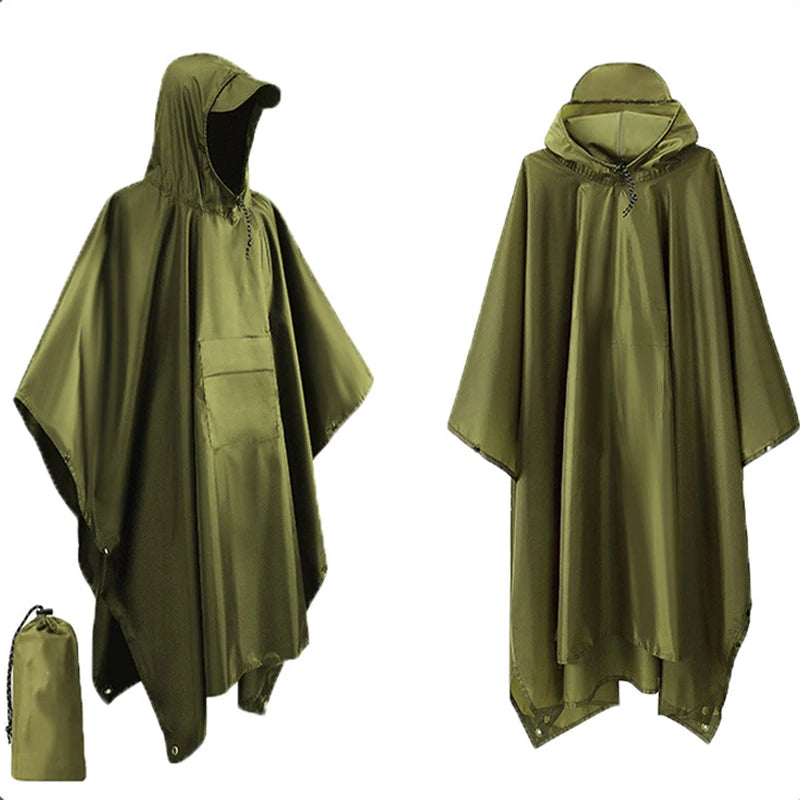
Sudden downpours can turn a scenic hike into a freezing, gear-soaking struggle within minutes. Wet backpacks, trapped body heat, and heavy rain jackets often make difficult trails even harder. A modern best hiking poncho solves those problems with full-body coverage, breathable waterproof fabrics, and fast deployment that keeps both you and your equipment protected on unpredictable terrain.
What gear actually makes hiking easier when weather changes without warning? Experienced backpackers often point to one overlooked solution: a reliable poncho that protects both the hiker and their pack in one lightweight layer.
👉 Discover must-have camping gear before your next stormy trek.
💡 See it in action
Why Modern Hiking Ponchos Outperform Traditional Rain Gear
The best hiking poncho delivers broader coverage than standard rain jackets while reducing heat buildup during long hikes. Unlike fitted waterproof shells that trap sweat during steep climbs, ponchos create airflow that improves comfort during humid conditions and heavy exertion.
Traditional rain jackets protect the torso well, but many fail once backpacks, trekking poles, and exposed gear enter the equation. A hooded poncho extends coverage over packs and upper legs, limiting water penetration where hikers need protection most.
Advantages Modern Ponchos Provide
- Full backpack coverage without requiring separate rain covers
- Fast deployment during sudden storms
- Lower overall pack weight
- Improved airflow for reduced sweat accumulation
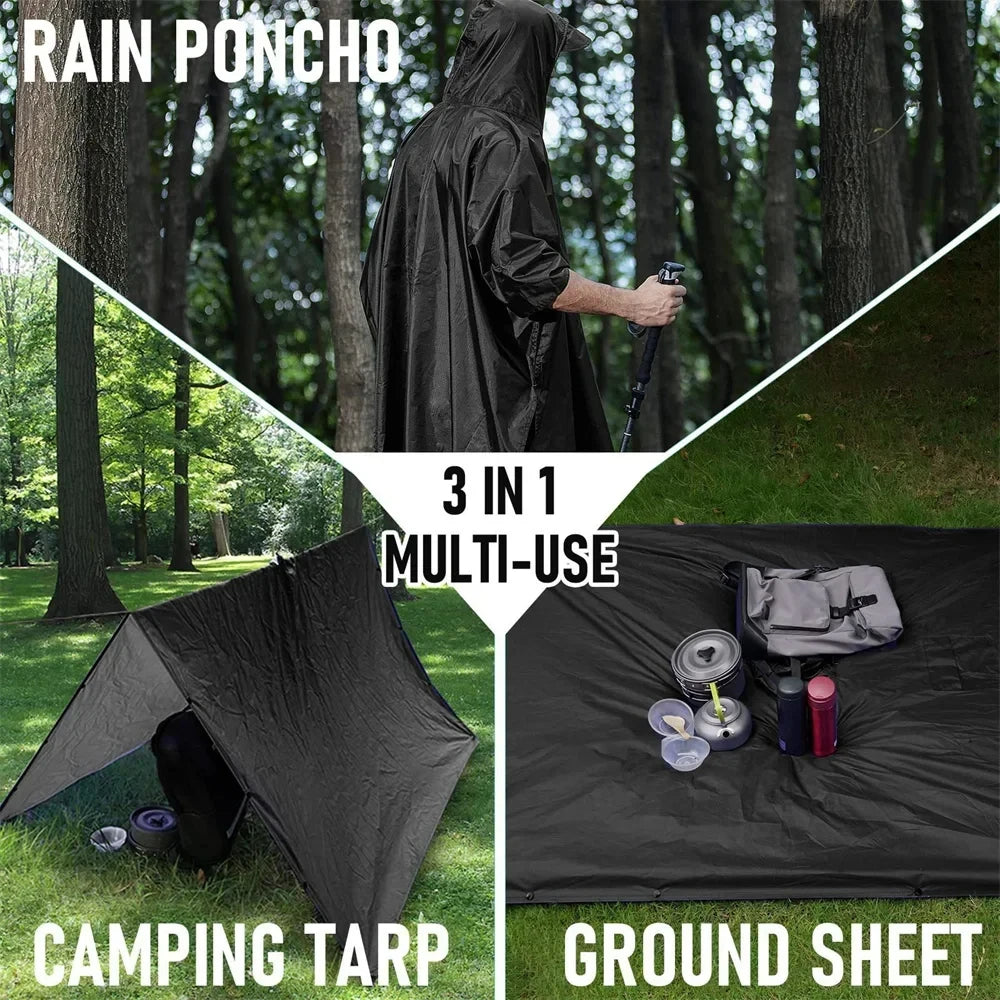
- Multi-use survival shelter capability
Many hikers now pair ponchos with products from Waterproof & Dry Bags and Compression & Packing Bags to maintain complete moisture protection during multi-day expeditions.
| Feature | Hiking Poncho | Traditional Rain Jacket |
|---|---|---|
| Backpack Protection | Excellent | Limited |
| Ventilation | High | Moderate |
| Packability | Compact | Moderate |
| Emergency Shelter Use | Possible | No |
| Coverage Area | Full Upper Body + Pack | Torso Only |
How Waterproof Fabrics Affect Trail Performance
The best hiking poncho depends heavily on fabric technology. Material choice determines whether a poncho remains lightweight and breathable or becomes a noisy, sweat-trapping burden during difficult weather conditions.
Older PVC-coated ponchos often provide excellent waterproofing but suffer from poor ventilation and excessive weight. Modern ripstop nylon and polyester blends improve mobility while maintaining strong weather resistance.
Common Poncho Fabric Types
- PVC-Coated Nylon: Highly waterproof but heavier and less breathable.
- Polyester Blends: Affordable and lightweight for casual hiking.
- Ripstop Nylon: Durable, tear-resistant, and ideal for rugged trails.
- Silnylon: Ultralight and compact for advanced backpackers.
A ripstop nylon rain poncho hooded design often balances durability and comfort best for extended hiking trips. The reinforced weave helps prevent tears from branches, rocks, and repeated stuffing into crowded backpacks.
Hikers pairing ponchos with Lightweight Daypacks and Backpacking & Carry solutions usually notice immediate improvements in mobility and moisture management.
How Waterproof Ratings Affect Real-World Use
Many shoppers focus only on waterproof ratings, but trail performance involves more than water resistance. Breathability, seam sealing, and hood design matter equally during long climbs or changing temperatures.
- 5,000 mm waterproof rating: suitable for light rain
- 10,000 mm rating: strong all-around protection
- 15,000 mm+ rating: ideal for heavy storms and mountain weather
However, even highly waterproof fabrics can become uncomfortable if airflow is restricted. Ponchos naturally improve ventilation by allowing open circulation underneath the fabric.
Why Ripstop Nylon Designs Matter in Harsh Conditions
The best hiking poncho often uses ripstop nylon because trail environments punish weak materials quickly. Sharp branches, jagged rocks, and constant friction from backpack straps can destroy cheaper rain gear within a single season.
Ripstop nylon integrates reinforced fibers in a grid pattern that limits tear expansion. Even when punctured, the material resists ripping across larger sections.
Key Benefits of Ripstop Nylon
- Higher tear resistance during bushwhacking
- Lighter than many heavy waterproof materials
- Faster drying after storms
- Lower long-term replacement costs
- Better performance during repeated packing cycles
Many serious backpackers also combine ponchos with gear from Ground Sheets & Tarps to create improvised rain shelters during emergencies.
👉 Learn how to choose the right hiking gear for unpredictable weather.
Coverage Comparison: Poncho vs Rain Jacket
The best hiking poncho provides superior gear protection in heavy rain hikes because it extends beyond the torso. Jackets may keep your body dry while your backpack absorbs water for hours.
This difference becomes critical during overnight trips where soaked sleeping bags and wet clothing can affect comfort and safety.
| Protection Area | Poncho Coverage | Rain Jacket Coverage |
|---|---|---|
| Head | Excellent | Excellent |
| Backpack | Full | Partial |
| Upper Legs | Moderate | Minimal |
| Ventilation | High | Moderate |
| Weight | Lower | Higher |
Some hikers still prefer jackets in extremely windy alpine environments where loose poncho fabric may flap aggressively. However, many modern designs include waist cords and snap systems that dramatically improve stability.
How a Lightweight Outdoor Survival Rain Poncho System Helps in Emergencies
The best hiking poncho can function as far more than rainwear. Advanced designs operate as a lightweight outdoor survival rain poncho system capable of replacing multiple pieces of emergency gear.
Backcountry travelers often value multi-use equipment because every ounce matters during long-distance hikes.
Survival Functions Beyond Rain Protection
- Emergency shelter tarp
- Wind barrier during rest breaks
- Groundsheet for wet campsites
- Gear cover during storms
- Emergency insulation layer
When combined with products from Fire Starters & Ignition, Emergency Lighting, and Safety, Survival & Emergency, a poncho becomes part of a comprehensive outdoor protection setup.
Unexpected weather shifts happen frequently on mountain routes. Temperatures can drop rapidly once clothing and equipment become wet. A poncho capable of doubling as shelter may significantly improve survival odds during delays or injuries.
💡 See it in action
Features That Matter Most on Long Hikes
The best hiking poncho includes several design details that dramatically improve trail performance. Small upgrades often separate comfortable all-day use from frustrating experiences during severe weather.
Critical Features to Look For
- Adjustable Hood: Prevents water from entering during strong wind.
- Sealed Seams: Stops leakage at stitching points.
- Ripstop Construction: Improves long-term durability.
- Extended Coverage: Protects backpacks and upper legs.
- Ventilation Openings: Reduces sweat buildup.
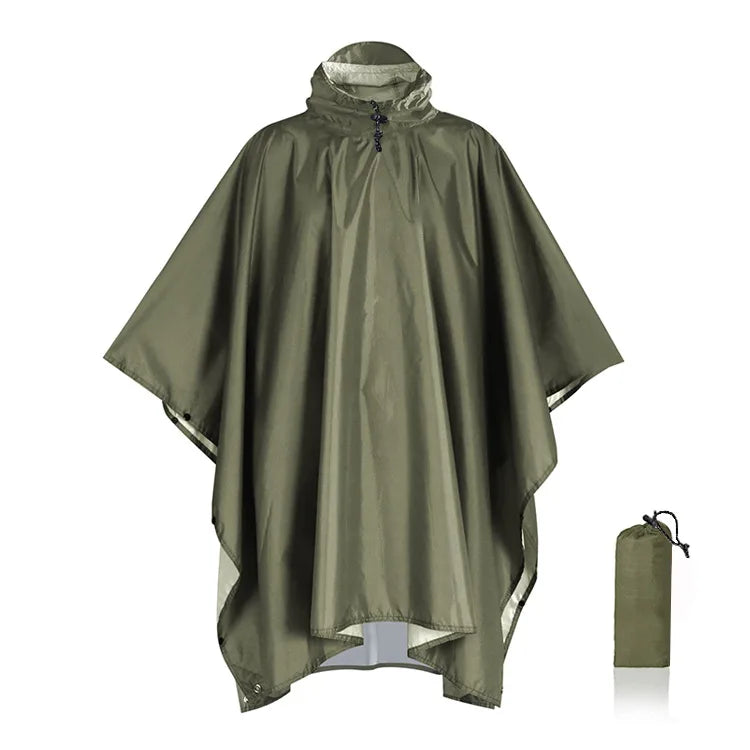
- Compact Storage Sack: Improves pack organization.
Hikers frequently pair compact ponchos with accessories from Gear Organizers & Pouches and Hooks, Clips & Carabiners for quick access during changing weather.
Signs of a Poor-Quality Poncho
- Thin plastic material that tears easily
- No reinforced hood structure
- Weak stitching around stress points
- Limited backpack space underneath
- Excessively loud fabric during movement
Cheap ponchos may work during casual events but usually fail under prolonged trail exposure where friction, wind, and terrain create constant stress.
How Ponchos Improve Gear Protection in Heavy Rain Hikes
The best hiking poncho excels because it protects more than the hiker alone. Extended rain exposure can damage sleeping systems, electronics, food supplies, and navigation equipment stored inside backpacks.
Backpack rain covers help, but they rarely shield shoulder straps, hip belts, or external pockets completely. Water eventually penetrates through repeated exposure.
Gear Most Vulnerable During Storms
- Sleeping bags
- Portable electronics
- Insulated clothing
- Maps and navigation tools
- Food storage systems
Pairing a poncho with products from Personal Water Filters, Portable Power Banks, and Food Storage Bags & Containers creates a more reliable all-weather backpacking setup.
| Condition | Rain Jacket Setup | Poncho Setup |
|---|---|---|
| 2-Hour Steady Rain | Pack often damp | Pack mostly dry |
| Heavy Wind + Rain | Moderate torso protection | Improved gear shielding |
| Warm Humid Conditions | High sweat accumulation | Better airflow |
| Emergency Shelter Need | Limited utility | Multi-use function |
Why Breathability Matters More Than Waterproof Ratings Alone
The best hiking poncho succeeds because hikers often become wet from sweat before external rain penetrates fabric. Breathability directly affects comfort, endurance, and body temperature regulation.
Long uphill climbs generate substantial heat. Waterproof jackets with limited airflow trap moisture against the body, causing overheating and eventual chilling once movement slows.
How Ponchos Improve Temperature Control
- Open sides encourage airflow
- Less fabric contact with skin
- Reduced internal condensation
- Better cooling during steep climbs
- Lower sweat accumulation around backpack straps
Many hikers also combine breathable ponchos with layering systems from Wind & Cold Protection for year-round comfort.
Breathability becomes especially important in humid forests and summer mountain conditions where overheating occurs quickly.
Best Poncho Performance by Hiking Environment
The best hiking poncho performs differently depending on terrain, weather patterns, and trip length. Choosing the right design for your environment improves comfort and safety significantly.
Forest Trails
Ripstop nylon ponchos perform extremely well in wooded environments because they resist branch snags while maintaining airflow in humid air.
Mountain Terrain
Alpine conditions require stronger waist closures and reinforced hoods to reduce wind movement. Longer ponchos with tie-down systems provide better stability.
Desert Hiking
Breathability becomes critical under sudden monsoon storms where temperatures remain high despite rainfall.
Cold Weather Trekking
Ponchos layered over insulated clothing preserve warmth while preventing snowmelt and freezing rain from saturating outer garments.
Cold-weather hikers often supplement ponchos with products from Blankets & Sleeping Comfort and Sleeping Bags & Sleeping Pads.
👉 Get yours now before your next trip!
How to Pack and Maintain a Hiking Poncho
The best hiking poncho lasts much longer when packed and maintained correctly. Improper storage can damage waterproof coatings and weaken seams over time.
Best Packing Practices
- Dry the poncho completely before long-term storage.
- Store loosely when not hiking.
- Keep it accessible near the top of your backpack.
- Use waterproof sacks during multi-day storms.
Many backpackers organize rain systems using products from Camping Storage & Boxes and Weather Protection & Environment.
Cleaning Recommendations
- Use mild soap only
- Avoid high heat drying
- Reapply waterproof treatment periodically
- Inspect seams after demanding trips
Regular maintenance preserves waterproof performance and extends overall lifespan dramatically.
Real Trail Feedback From Backpackers
Backpackers consistently praise ponchos that balance low weight with durable waterproof performance. Long-distance hikers especially appreciate how quickly ponchos deploy during fast-moving weather systems.
“My poncho protected both my pack and sleeping bag during six straight hours of rain in the Rockies. My hiking partner’s backpack cover failed halfway through the storm.”
“Ventilation made the biggest difference. I stayed drier from sweat compared to my old waterproof shell.”
“Using my poncho as an emergency tarp during a delayed hike completely changed how I evaluate rain gear now.”
Trail veterans often combine ponchos with products from Rain Ponchos & Capes, Headlamps & Wearable Lights, and Car Camping Accessories to create reliable all-weather kits.
💡 See it in action
Why the Best Hiking Poncho Can Completely Change Your Outdoor Experience
The best hiking poncho does far more than block rain. It improves comfort, protects expensive equipment, increases airflow, and provides emergency versatility that traditional jackets rarely match.
Whether hiking humid forest trails, climbing exposed mountain routes, or preparing emergency kits for unpredictable travel, modern ponchos offer a practical balance of durability, lightweight portability, and weather protection.
A high-quality ripstop nylon rain poncho hooded design can reduce soaked gear, improve endurance during storms, and help hikers stay safer when conditions deteriorate unexpectedly.
For backpackers who value efficient packing, versatile gear, and dependable weather protection, a modern poncho often becomes one of the most important items carried on the trail.
FAQ
Is a poncho better than a rain jacket for hiking?
For many backpackers, yes. Ponchos provide broader coverage, better ventilation, and improved backpack protection during prolonged rain compared to most rain jackets.
What fabric is best for a hiking poncho?
Ripstop nylon is widely considered one of the best materials because it balances durability, lightweight performance, and tear resistance for demanding outdoor use.
Can a hiking poncho replace a backpack rain cover?
Many ponchos fully cover both the hiker and backpack, reducing the need for separate rain covers during most hiking conditions.
Are ponchos good for survival situations?
Yes. Many lightweight outdoor survival rain poncho system designs can function as emergency shelters, ground tarps, or wind barriers in unexpected situations.
How should I store a hiking poncho?
Always dry the poncho completely before storage and avoid compressing it tightly for long periods to preserve waterproof coatings and seam integrity.
Pillar Article: Rain Tarp Setup: How To Build A Quick Storm Shelter In Rain
Other Related Articles:
- Camping Rain Tips: How To Stay Warm And Dry All Night
- Hiking Gear For Rain: How To Stay Dry On Sudden Storms
- Emergency Shelter Using Rain Poncho: Step-By-Step Tarp Build Guide
Explore More:





