

Hiking Gear For Rain: How To Stay Dry On Sudden Storms
Does Hiking Gear for Rain Really Help During Sudden Storms?
Hiking gear for rain helps hikers stay dry, warm, and safer when weather changes fast on the trail. Lightweight layers, waterproof storage, and reliable rain protection reduce cold exposure, prevent soaked equipment, and improve comfort during long hikes in unpredictable weather exposure hiking trails.
Hiking Gear For Rain: How To Stay Dry On Sudden Storms
⏱ 8 min read
Nothing ruins a great trail day faster than a sudden storm soaking your clothes, food, and gear within minutes. Whether you’re hiking mountain switchbacks, forest routes, or exposed ridgelines, smart hiking gear for rain can keep you moving comfortably instead of rushing back miserable and cold. This guide covers practical layering systems, lightweight waterproof gear packing tips, and simple ways to protect your essentials during unexpected downpours.
Ever been halfway through a hike when dark clouds suddenly rolled overhead and your backpack started leaking within minutes? The difference between a stressful retreat and a confident adventure often comes down to preparation.
Explore dependable weather setups with Weather Protection & Environment and Waterproof & Dry Bags.
💡 See it in action
Why Proper Rain Gear Matters on the Trail
Hiking gear for rain is more than just staying comfortable. Wet clothing increases heat loss quickly, especially when wind and elevation combine. Even mild temperatures can become dangerous once your body stays damp for hours.
Experienced hikers often prepare for storms even when forecasts look clear. Conditions change rapidly on exposed terrain, especially during summer mountain hikes or coastal backpacking trips.
- Dry gear prevents dangerous chills
- Waterproof layers protect electronics and food
- Rain coverage improves visibility and mobility
- Organized packing reduces panic during sudden storms
| Without Rain Gear | With Proper Rain Setup |
|---|---|
| Wet clothing and cold exposure | Dry core body temperature |
| Damaged electronics and maps | Protected valuables and supplies |
| Heavy soaked backpack | Lightweight protected load |
| Early trip cancellation | More confidence during storms |
Essential Hiking Gear for Rain Every Hiker Should Pack
Hiking gear for rain should balance protection, weight, and packability. The best systems stay lightweight while shielding your clothing, backpack, and emergency supplies during sudden weather changes on exposed trails.
1. Waterproof Outer Layer
A dependable poncho or rain shell is your first line of defense. Many hikers prefer lightweight ponchos because they cover both the body and backpack simultaneously.
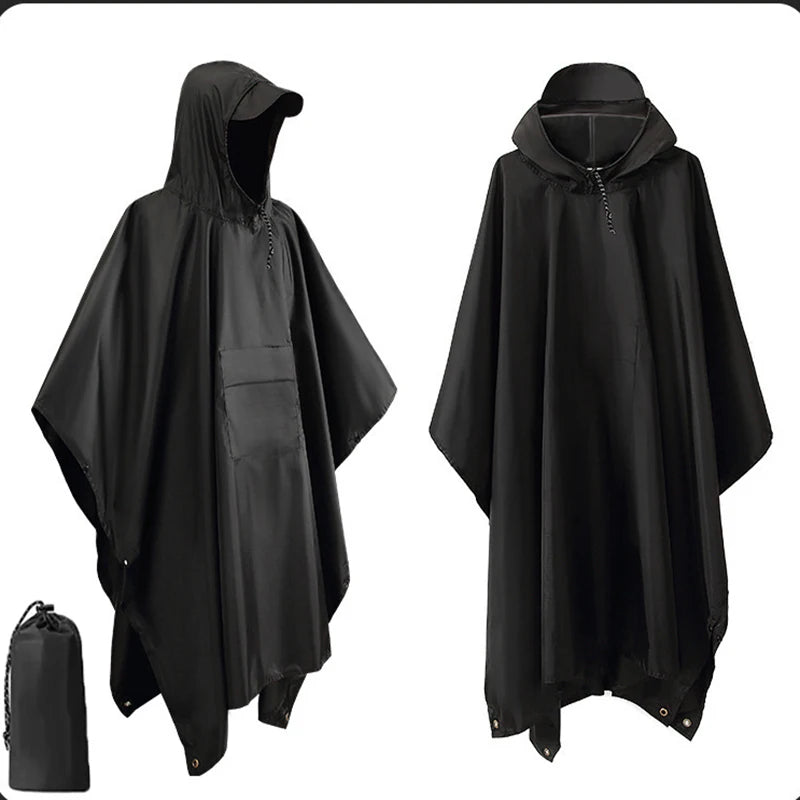
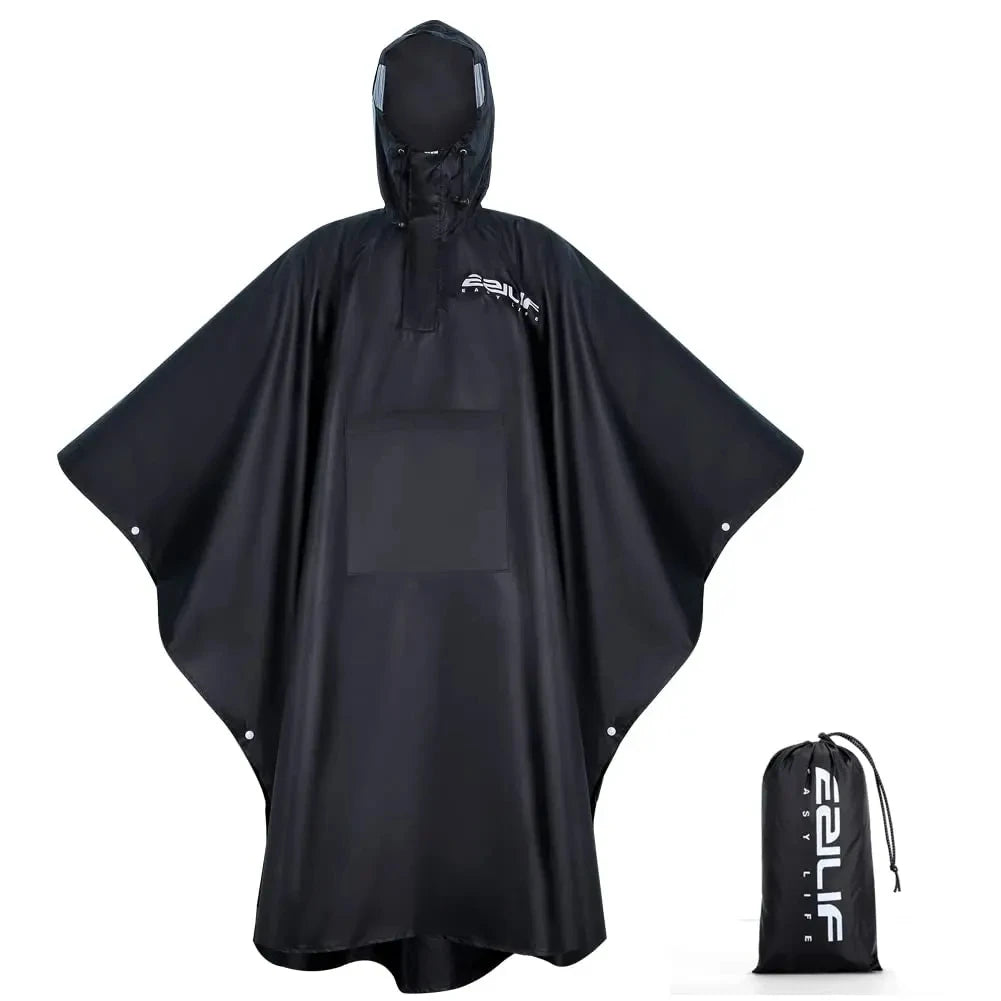
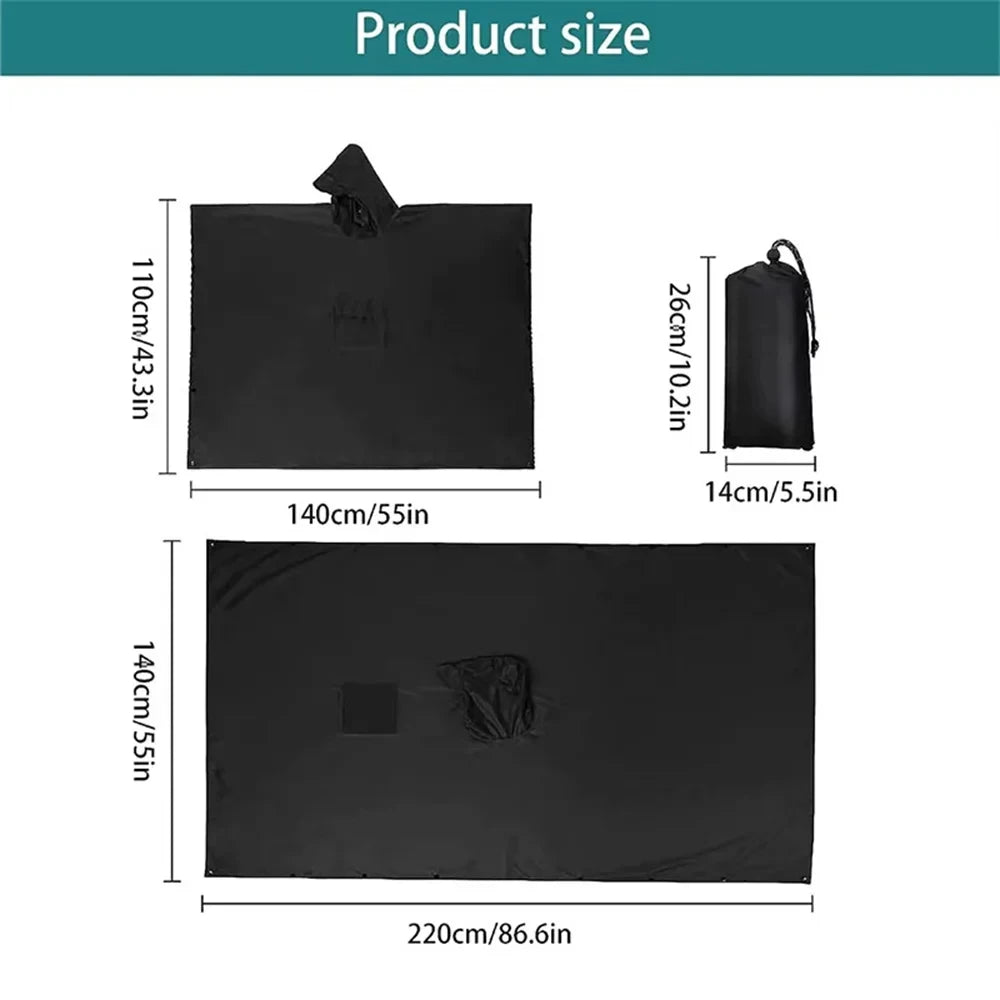
The 3-in-1 Military Rain Poncho works especially well for storm hiking essentials because it doubles as emergency shelter coverage and packs down compactly.
2. Waterproof Storage
Protecting gear inside your backpack matters just as much as staying dry outside.
- Use dry bags for electronics and clothing
- Store food separately in waterproof pouches
- Keep emergency fire starters sealed tightly
- Separate wet gear from dry supplies
Many hikers combine backpack liners with Compression & Packing Bags for organized waterproof storage.
3. Reliable Footwear Protection
Wet feet cause blisters fast. Lightweight gaiters and waterproof socks help during muddy sections and stream crossings.
Pair storm-ready setups with accessories from Gloves & Protective Gear to keep hands warm while handling trekking poles and wet equipment.
4. Emergency Visibility Gear
Rainstorms often reduce visibility quickly, especially near dusk.
- Compact headlamps
- Emergency whistles
- Reflective gear clips
- Portable backup batteries
Many backpackers keep compact lighting systems from Headlamps & Wearable Lights ready inside waterproof compartments.
How Smart Layering Keeps You Dry Longer
The biggest mistake beginners make is relying only on outer waterproof layers. Sweat buildup inside jackets can soak clothing almost as quickly as rain.
- Start with a moisture-wicking base layer
- Add a lightweight insulating layer
- Use a waterproof outer shell or poncho
- Vent frequently during climbs
This setup improves airflow while reducing trapped moisture. During unpredictable weather exposure hiking trails, flexible layers help hikers adapt quickly without stopping constantly.
Why Breathability Matters
Heavy rain jackets sometimes trap too much heat. Lightweight ponchos improve airflow and reduce overheating during humid conditions.
One Appalachian Trail hiker shared that switching from a thick rain shell to a lightweight poncho reduced shoulder fatigue and helped keep their backpack dry during a three-day storm system.
Browse practical trail organization tools in Backpacking & Carry and weather-ready protection from Rain Ponchos & Capes.
Lightweight Waterproof Gear Packing Tips
Lightweight waterproof gear packing tips can dramatically improve mobility during long-distance hikes. Carrying less weight helps conserve energy while still preparing for severe weather.
💡 See it in action
Use a Layered Packing System
| Gear Type | Best Storage Method |
|---|---|
| Clothing | Compression dry bags |
| Electronics | Sealed waterproof pouch |
| Food | Waterproof food containers |
| Maps & documents | Zip waterproof sleeve |
For multi-day trips, many hikers use Gear Organizers & Pouches to separate critical equipment.
Pack Rain Gear at the Top
Rain protection should never sit buried under sleeping gear or cookware. Sudden storms can hit within minutes.
Store ponchos, gloves, and covers inside quick-access compartments so you can deploy them immediately without unpacking your entire bag.
Keep Backup Dry Clothing
Always pack one completely dry emergency layer sealed separately. Even experienced hikers sometimes underestimate heavy storms.
Extra warmth options from Wind & Cold Protection help maintain comfort after extended exposure.
How to Handle Gear Protection in Heavy Rain Hikes
Gear protection in heavy rain hikes requires planning before storms begin. Once equipment becomes soaked, recovery becomes much harder on the trail.
Protect Your Backpack First
Backpack rain covers help, but water can still enter through seams and zippers.
- Use internal waterproof liners
- Double-protect electronics
- Keep sleeping systems sealed
- Store emergency supplies separately
Many hikers combine backpack covers with Waterproof & Dry Bags for full protection.
Set Up Fast Shelter During Storms
Quick shelter matters during lightning, hail, or prolonged downpours. Ground sheets and ponchos can create temporary storm cover while waiting out severe weather.
Outdoor shelters from Ground Sheets & Tarps work well alongside compact poncho systems.
Protect Your Food and Water
Wet food packaging quickly becomes messy and difficult to manage.
- Store snacks in sealed containers
- Protect water filters from contamination
- Keep backup hydration accessible
- Separate cooking gear from wet clothing
Trail hikers often rely on Personal Water Filters and Collapsible Water Bottles during long-distance rain hikes.
Common Mistakes That Leave Hikers Soaked
Ignoring Forecast Changes
Mountain weather changes rapidly. Checking forecasts only once before departure often leads to poor preparation.
Overpacking Heavy Gear
Bulky rain jackets and oversized packs increase fatigue. Lightweight waterproof gear packing tips focus on efficiency instead of carrying unnecessary duplicates.
Forgetting Small Essentials
Small overlooked items create major discomfort:
- Dry socks
- Waterproof gloves
- Backup lighting
- Emergency fire starters
- Waterproof phone storage
Compact essentials from Safety, Survival & Emergency help hikers stay prepared without adding excessive weight.
Quick Storm-Ready Hiking Checklist
- Pack a waterproof poncho or shell
- Use sealed dry storage for clothing
- Carry backup lighting and batteries
- Keep emergency warmth layers dry
- Store snacks in waterproof containers
- Protect navigation tools and phones
- Carry emergency signaling equipment
- Keep shelter gear easily accessible
Many hikers preparing for overnight storms also pack backup comfort items from Blankets & Sleeping Comfort.
Why a 3-in-1 Rain Poncho Works So Well Outdoors
Hiking gear for rain becomes far more effective when one item solves multiple problems. A compact poncho that also functions as emergency shelter and backpack protection reduces pack weight while improving storm readiness.
The 3-in-1 Military Rain Poncho stands out because it covers both the hiker and backpack, packs compactly, and adapts quickly during fast-changing weather. Many hikers prefer it over bulky rain jackets for long-distance comfort and airflow.
Benefits Hikers Mention Most
- Quick deployment during sudden rain
- Better airflow compared to thick jackets
- Multi-use shelter capability
- Improved backpack protection
- Compact storage inside daypacks
| Pros | Considerations |
|---|---|
| Lightweight and packable | Needs practice in windy conditions |
| Covers backpack fully | Longer fit may require adjustment |
| Multi-use functionality | Best paired with waterproof footwear |
| Fast storm protection | Extra layering still recommended |
One weekend backpacker shared that after switching to a poncho setup, they stopped unpacking soaked sleeping gear after heavy rain hikes. The added backpack coverage made a noticeable difference during all-day storms.
💡 See it in action
Prepare for sudden storms with the 3-in-1 Military Rain Poncho and upgrade your trail setup using Weather Protection & Environment.
Stay Ready Before the Weather Changes
Storms on the trail rarely arrive with much warning. The hikers who stay comfortable during wet conditions are usually the ones who prepared before leaving the trailhead.
From lightweight waterproof gear packing tips to smart storage systems and reliable rain protection, small gear choices make a huge difference once conditions change. Building a simple rain-ready setup improves comfort, protects equipment, and keeps outdoor adventures safer and more enjoyable.
Frequently Asked Questions
What is the most important hiking gear for rain?
A waterproof poncho or rain shell is the most important item because it protects both your body and essential gear quickly during sudden storms.
How do hikers keep gear dry in heavy rain?
Most hikers use waterproof dry bags, backpack liners, sealed pouches, and layered storage systems to prevent water damage during prolonged rain exposure.
Are ponchos better than rain jackets for hiking?
Ponchos often provide better airflow and backpack coverage, while rain jackets offer a more fitted feel during windy conditions. Many hikers prefer ponchos for humid trails and long-distance comfort.
What should I pack for unpredictable weather exposure hiking trails?
Carry waterproof layers, backup dry clothing, emergency lighting, waterproof food storage, and compact shelter options for changing weather conditions.
How can I reduce pack weight while staying prepared for rain?
Focus on multi-use gear, lightweight waterproof systems, and compact storage solutions instead of carrying bulky duplicate equipment.
Pillar Article: Rain Tarp Setup: How To Build A Quick Storm Shelter In Rain
Other Related Articles:
- Rain Gear For Backpacking: How To Layer And Stay Dry Fast
- Camping Rain Tips: How To Stay Warm And Dry All Night
- Emergency Shelter Using Rain Poncho: Step-By-Step Tarp Build Guide
Explore More:





