

Camping Rain Tips: How To Stay Warm And Dry All Night
Camping Rain Tips: How To Stay Warm And Dry All Night
Do Camping Rain Tips Really Work?
Camping rain tips help campers stay warm, dry, and safe when weather changes unexpectedly. Smart tent placement, waterproof layering, dry storage systems, and quick shelter setup can prevent cold nights, soaked gear, and dangerous exposure. Even one simple adjustment to your campsite can dramatically improve comfort during heavy rain.
⏱ 8 min read
Camping rain tips can make the difference between a miserable night and a safe, comfortable adventure outdoors. When sudden rain ruins camping trips, having a reliable camping rain protection setup guide helps you stay dry, protect gear, and avoid wet clothing during outdoor emergencies. From smarter tent placement to heat-saving layering tricks, these practical solutions help campers sleep better and avoid costly mistakes in unpredictable weather.
Have you ever woken up inside a tent with cold water soaking your sleeping bag and gear? That moment usually starts long before the rain arrives. Most campers lose warmth because of poor preparation, not the storm itself.
Fortunately, a few practical adjustments can completely change your outdoor experience during wet weather.
Rain-ready equipment like Ground Sheets & Tarps, Waterproof & Dry Bags, and Rain Ponchos & Capes can help you stay dry before storms become a problem.
💡 See it in action
Why Rainy Camping Gets Dangerous Fast
Camping rain tips matter because wet conditions reduce body heat much faster than most people expect. Once clothing, sleeping gear, or shelter becomes damp, your body works harder to stay warm. This increases fatigue and can turn a relaxing trip into a dangerous overnight situation.
When sudden rain ruins camping trips, these problems usually appear first:
- Water pooling under tents
- Wet socks and clothing causing heat loss
- Condensation inside shelters
- Fire-starting difficulties
- Food and electronics becoming soaked
- Cold winds entering through loose tent seams
Experienced campers often say staying dry is more important than staying warm because dryness helps your body naturally regulate temperature.
| Problem | What Happens | Quick Solution |
|---|---|---|
| Wet sleeping bag | Rapid body heat loss | Use waterproof storage bags |
| Flooded tent floor | Cold and discomfort | Use elevated campsite placement |
| Damp clothing | Chills and poor sleep | Pack dry backup layers |
| Heavy condensation | Interior moisture buildup | Improve airflow ventilation |
How To Set Up A Dry Campsite Before Rain Starts
Camping rain tips work best when preparation starts before the first drop falls. A proper camping rain protection setup guide focuses on keeping water away from your shelter instead of trying to remove it later.
Choose Higher Ground Whenever Possible
A slightly elevated area prevents water from pooling beneath your tent. Avoid low valleys, dried creek beds, or soft mud zones.
Many campers overlook this one setup detail, yet it changes everything during overnight storms.
Use Ground Protection Correctly
- Place a tarp slightly smaller than your tent footprint
- Tuck excess edges underneath the tent
- Keep corners tight to prevent water collection
- Avoid exposed tarp edges that funnel rain inward
Pairing your shelter with reliable Ground Sheets & Tarps adds an extra moisture barrier and protects tent flooring from wear.
Create A Rain Entry Zone
One of the best camping rain tips is creating a small transition area outside your tent. This helps prevent mud, soaked shoes, and dripping jackets from entering your sleeping space.
- Keep shoes outside under a tarp
- Hang wet layers separately
- Store electronics inside dry bags
- Use hooks or carabiners for organization
Hooks, Clips & Carabiners are especially useful for suspending damp gear without cluttering the tent floor.
Reliable wet-weather essentials like Camping Tents & Shelter and Weather Protection & Environment collections help reduce setup stress during changing conditions.
Best Gear For Staying Dry All Night
What gear actually makes camping easier during rainstorms? The answer usually comes down to waterproof layering, protected storage, and fast shelter access.
Waterproof Outer Layers Matter Most
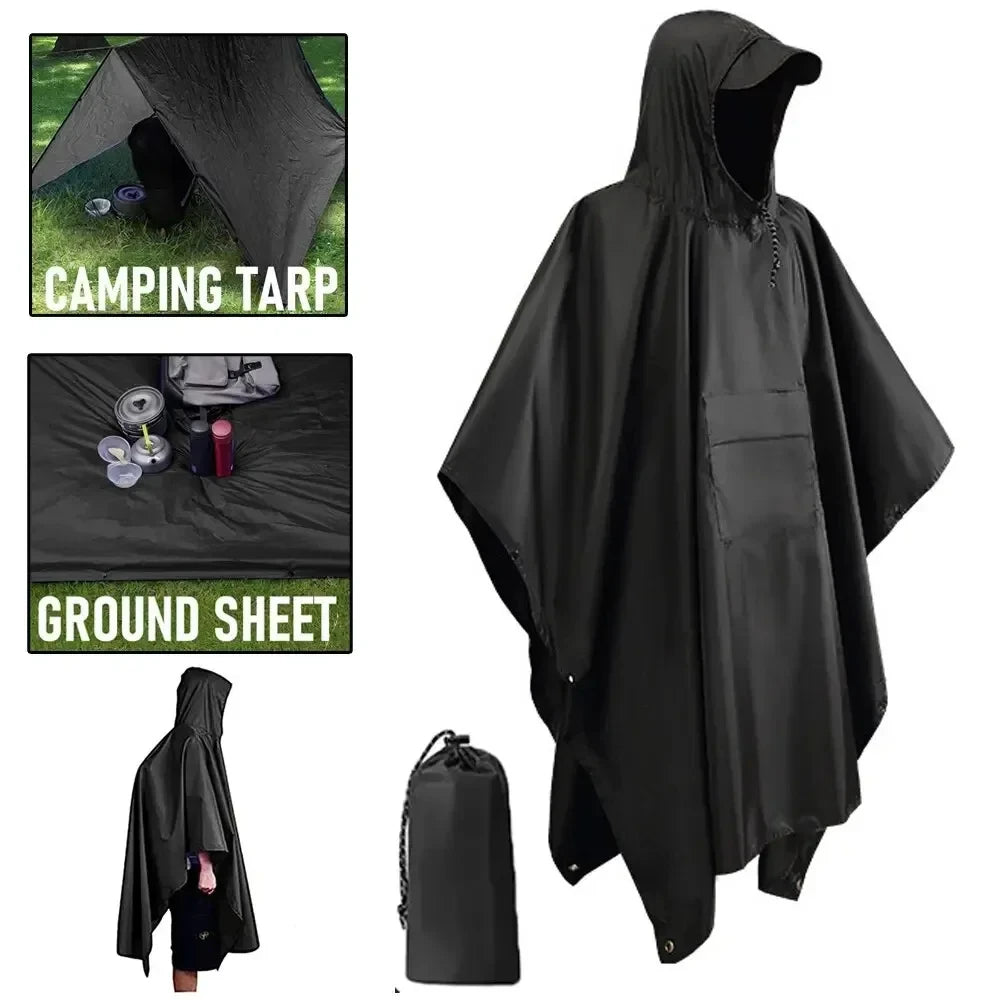
Wet clothing during outdoor emergencies quickly lowers morale and body temperature. Lightweight rain ponchos offer fast protection while allowing airflow and freedom of movement.
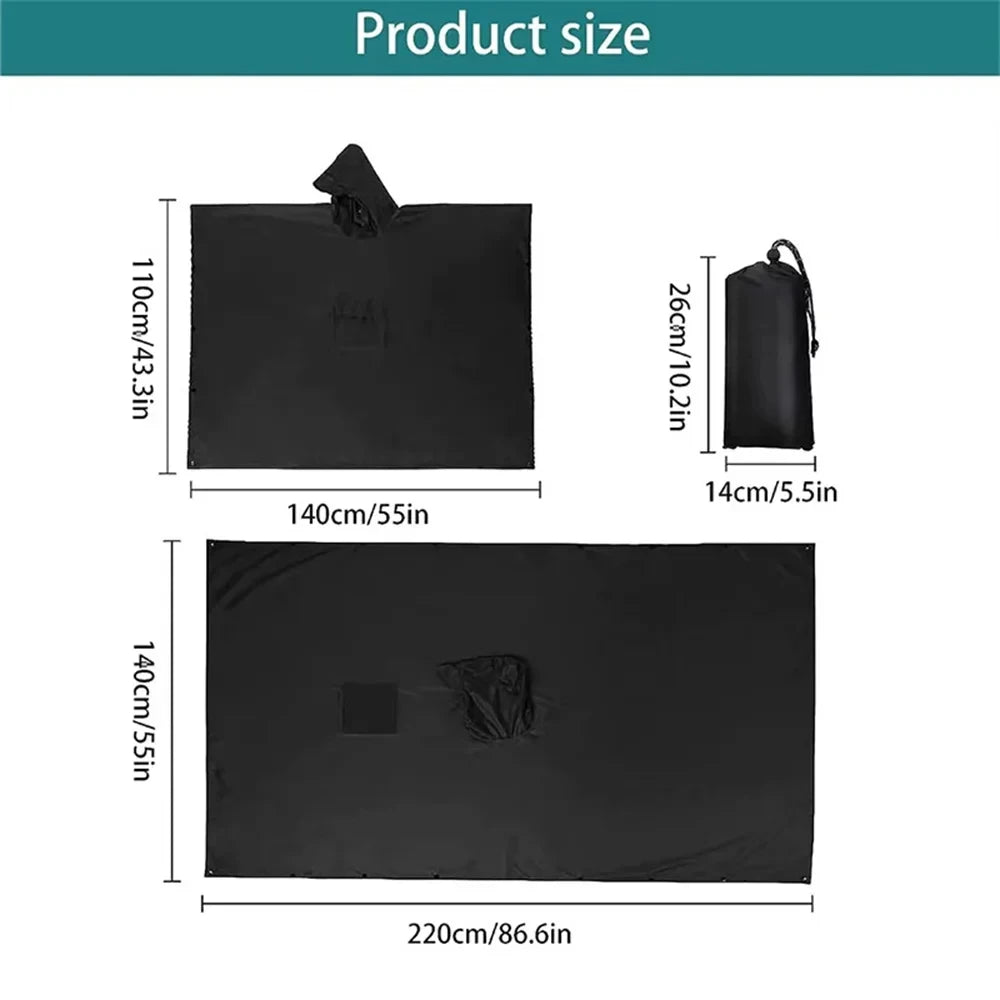
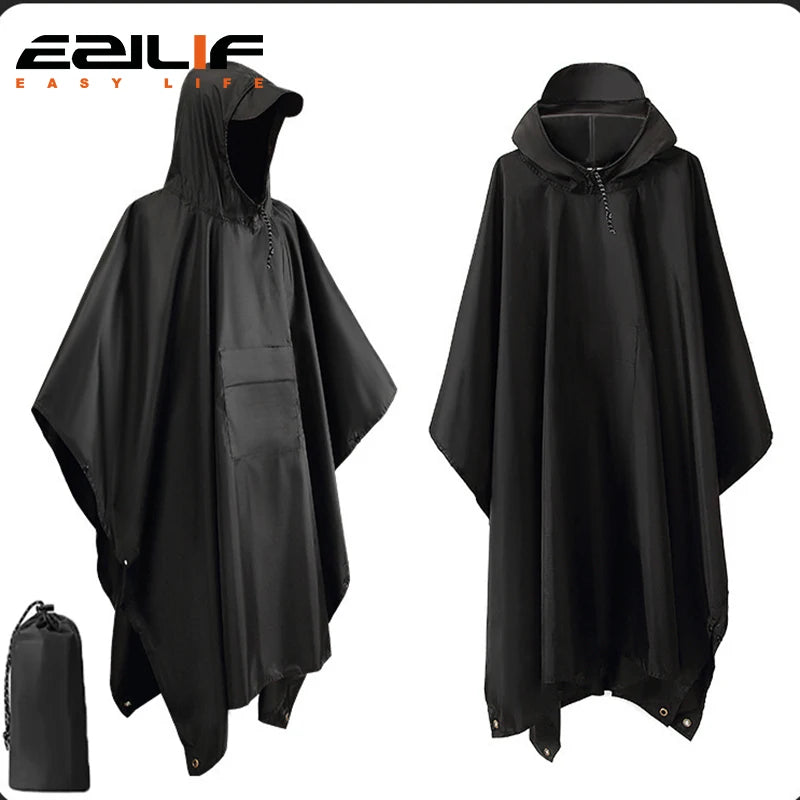
The 3-in-1 Military Rain Poncho works well for campers because it functions as wearable rain protection, emergency shelter coverage, and gear protection during storms.
Campers often appreciate gear that solves multiple problems at once, especially when packing space is limited.
Protect Important Gear First
Keeping a sleeping bag dry should always be the highest priority.
- Store clothes in waterproof bags
- Separate wet and dry items
- Keep electronics elevated
- Use compression bags to save space
Compression & Packing Bags and Waterproof & Dry Bags help organize supplies while protecting essentials from unexpected leaks.
💡 See it in action
Keep Light Sources Accessible
Rainstorms often arrive alongside darkness and poor visibility. A reliable light source helps you secure gear quickly without panic.
Many campers prefer compact lighting options from Headlamps & Wearable Lights because they keep hands free during shelter adjustments.
How Smart Layering Keeps You Warm In Wet Weather
Camping rain tips are not only about staying dry. Staying warm requires strategic layering that traps heat while allowing moisture to escape.
The Three-Layer System
- Base layer: Wicks sweat away from skin
- Middle layer: Traps body heat
- Outer layer: Blocks wind and rain
Cotton clothing performs poorly during rain because it absorbs moisture and dries slowly. Synthetic or wool materials are safer choices.
Protect Your Extremities
Cold hands and feet dramatically reduce comfort.
- Wear dry socks before sleeping
- Use insulated gloves
- Keep backup layers sealed in waterproof bags
- Avoid sleeping in damp clothing
Gloves & Protective Gear and Wind & Cold Protection collections are especially useful during colder overnight rainstorms.
Sleep Setup Makes A Huge Difference
Even experienced campers underestimate how much heat escapes into the ground.
Using insulated pads from Sleeping Bags & Sleeping Pads creates a barrier between your body and cold wet surfaces.
One camper from Colorado shared that upgrading from a basic foam mat to an insulated sleeping pad completely changed their comfort during rainy mountain trips.
Common Mistakes That Let Rain Into Your Tent
Many camping rain problems come from simple setup mistakes rather than extreme weather.
Leaving Tent Vents Closed
Campers often seal every opening during storms, but this traps moisture inside the tent. Condensation builds quickly and mimics a leak.
Proper airflow reduces interior dampness significantly.
Bringing Wet Gear Inside
Wet jackets and muddy boots increase humidity and make sleeping areas uncomfortable.
Creating a designated gear zone outside the sleeping area helps maintain dryness.
Ignoring Weather Forecast Changes
Storms shift quickly in outdoor environments.
Portable charging gear from Portable Power Banks and emergency lighting from Emergency Lighting collections help campers stay prepared when conditions worsen overnight.
| Bad Habit | Result | Better Alternative |
|---|---|---|
| Pitching on flat low ground | Flooding risk | Choose elevated terrain |
| Using cotton clothing | Heat loss | Use synthetic layers |
| Storing gear loosely | Water damage | Use dry bags |
| No rain prep before sleep | Late-night chaos | Secure gear early |
Emergency Rain Survival Steps Every Camper Should Know
Camping rain tips become critical when weather suddenly turns severe. Quick decisions can protect warmth, shelter, and safety.
Prioritize These Actions Immediately
- Keep sleeping gear dry first
- Change out of wet clothing quickly
- Secure shelter against wind direction
- Protect fire-starting tools
- Check for pooling water near tents
Emergency equipment from Safety, Survival & Emergency and Fire Starters & Ignition collections can help campers stay calm and functional during difficult weather conditions.
Maintain Warm Fluids And Food
Warm meals help stabilize body temperature during cold rainy nights.
Compact gear from Camping Stoves & Cooking and Insulated Food Containers allows campers to prepare hot drinks and meals even during rough conditions.
Small comforts matter more than people realize when morale drops in bad weather.
The 3-in-1 Military Rain Poncho provides fast rain coverage, emergency shelter versatility, and lightweight protection for unpredictable camping weather.
💡 See it in action
Quick Rain Camping Checklist
- Choose elevated campsite placement
- Use waterproof storage systems
- Keep dry backup clothing sealed
- Ventilate tents properly
- Protect sleeping gear first
- Pack emergency lighting
- Carry multi-use rain protection
- Prepare warm food and drinks
- Separate wet and dry equipment
- Monitor changing weather conditions
Stay Comfortable Even When Weather Changes Fast
Rain does not have to ruin a camping trip. The best camping rain tips focus on preparation, warmth management, and keeping essential gear protected before conditions worsen.
Simple changes like elevated campsite selection, waterproof storage, proper layering, and multi-use rain protection can dramatically improve overnight comfort.
Whether you are planning a weekend campground trip or preparing for remote outdoor travel, reliable wet-weather gear helps reduce stress and keeps adventures enjoyable even during unpredictable storms.
FAQ
What are the best camping rain tips for beginners?
The best camping rain tips include choosing elevated campsites, using waterproof storage bags, keeping sleeping gear dry, ventilating tents properly, and packing lightweight rain protection before weather changes unexpectedly.
How do I stay warm while camping in the rain?
Wear moisture-wicking layers, avoid cotton clothing, use insulated sleeping pads, and keep backup clothing dry inside waterproof bags. Warm food and dry socks also help maintain body temperature overnight.
Why does my tent get wet inside during rainstorms?
Most interior moisture comes from condensation, not leaks. Poor ventilation traps humid air inside the tent. Slight airflow through vents helps reduce condensation buildup significantly.
What should I do if my clothes get soaked while camping?
Change into dry layers immediately, protect wet clothing separately, and prioritize keeping your core body temperature stable. Waterproof storage bags help prevent additional gear from becoming soaked.
Is a rain poncho useful for camping emergencies?
Yes. A quality rain poncho can provide wearable protection, emergency shelter coverage, and quick gear shielding during sudden storms, making it one of the most versatile items for rainy camping trips.
Pillar Article: Rain Tarp Setup: How To Build A Quick Storm Shelter In Rain
Other Related Articles:
- Rain Gear For Backpacking: How To Layer And Stay Dry Fast
- Hiking Gear For Rain: How To Stay Dry On Sudden Storms
- Emergency Shelter Using Rain Poncho: Step-By-Step Tarp Build Guide
Explore More:





