

Portable Camping Hammock Guide 2026: From First Hang to Deep Sleep
Portable Camping Hammock Guide 2026: From First Hang to Deep Sleep
There’s a moment most campers remember clearly: lying between two trees in a hammock that seemed perfect in the store, only to realize 20 minutes later that your back is sore, your angle feels wrong, and sleep isn’t coming anytime soon. That gap between expectation and reality is exactly why portable camping hammocks have evolved from simple leisure gear into full sleep systems.
In 2026, the shift is clear—campers are no longer just “hanging a hammock.” They’re building a complete Hammock Comfort System that combines support, insulation, and setup precision. When done correctly, a portable camping hammock can outperform traditional ground sleeping setups in both comfort and recovery.
This guide breaks down everything you need to know—from choosing the right size to mastering safe setup and building a sleep system that works in real outdoor conditions.
Why Portable Camping Hammocks Are Changing Outdoor Sleep in 2026

Portable camping hammocks are no longer just lightweight alternatives to tents. They’re becoming the preferred sleep solution for backpackers who value mobility, comfort, and fast setup. The biggest advantage is simple: you sleep suspended above uneven ground, rocks, moisture, and cold surfaces.
However, comfort doesn’t come automatically. The difference between a painful hang and a deep sleep setup comes down to system design—not just the hammock itself.
Many modern campers combine items from a curated camping essentials collection to build a complete outdoor sleep system that goes beyond basic gear.
Hammock vs Tent: What Actually Matters for Sleep Comfort
| Factor | Hammock | Tent |
| Setup Speed | Fast (5–10 min) | Moderate (10–20 min) |
| Ground Conditions | Not required | Flat surface needed |
| Comfort | High when properly set up | Consistent but firm |
| Weather Protection | Requires accessories | Built-in structure |
While tents offer stability, hammocks win in adaptability and weight savings—especially for hikers moving through forests or uneven terrain.
Who Should (and Shouldn’t) Use a Camping Hammock
- Best for: Backpackers, hikers, minimalist campers, warm-weather travelers
- Not ideal for: Snow camping without insulation systems, desert areas with no anchor points
The Hammock Comfort System Framework (Core SEO Differentiator)
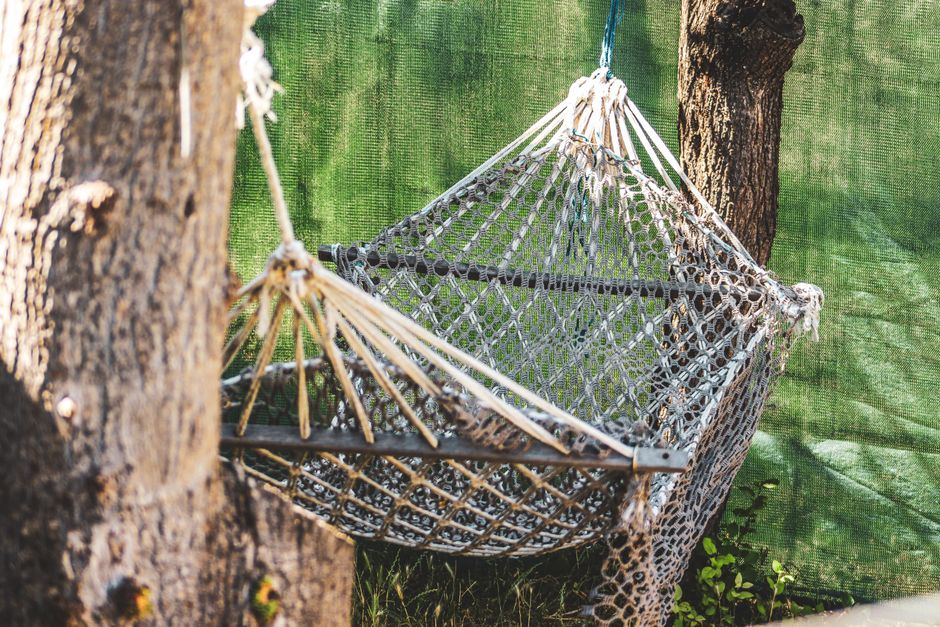
The secret to sleeping well outdoors isn’t just the hammock—it’s the system built around it. The Hammock Comfort System includes four essential layers:
1. Hammock Body (Fabric, Length, and Weight Capacity)
The base determines how your body aligns. Longer hammocks reduce pressure points and allow a diagonal lay, which is key for spinal alignment.
2. Suspension System (Tree Straps, Hardware, and Adjustment)
Tree straps distribute weight safely and protect bark. Proper tension prevents the “banana curve” that causes discomfort.
3. Insulation Layer (Underquilt vs Sleeping Pad)
Cold air flows under hammocks easily. Without insulation, even warm nights can feel cold underneath.
4. Comfort Add-ons (Ridgeline, Bug Net, Rain Tarp)
These accessories stabilize structure and protect against weather and insects, turning a simple hammock into a full sleep shelter.
How to Choose the Right Portable Camping Hammock
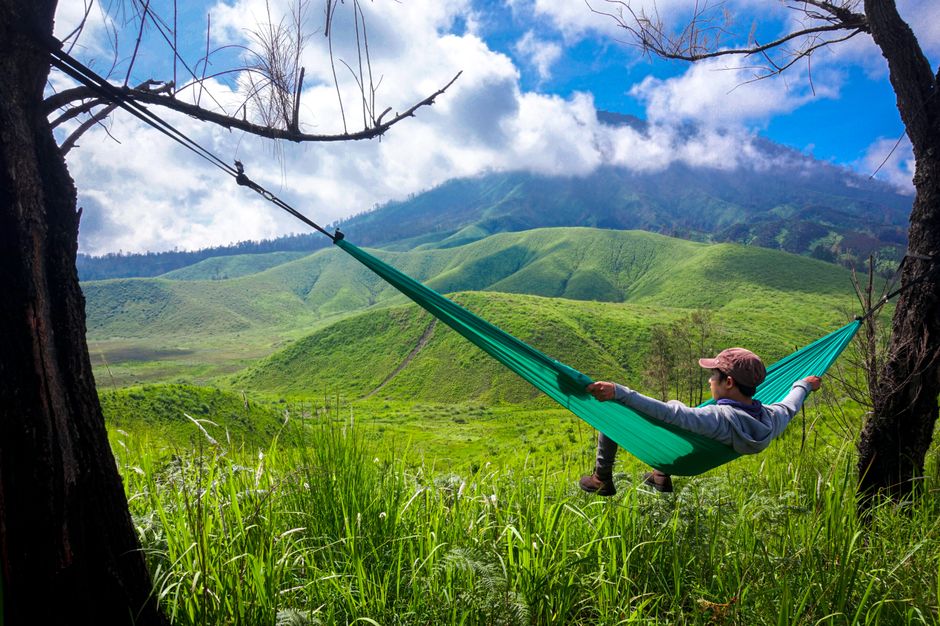
Choosing the right hammock depends on balancing weight, durability, and comfort. Many beginners focus only on weight, but comfort geometry is just as important.
For example, a well-designed option like this portable camping hammock uses parachute nylon fabric and a compact suspension system designed for fast setup and stable support.

Weight vs Comfort: Finding the Right Tradeoff
Ultralight hammocks reduce pack weight but may sacrifice space and fabric strength. Comfort-oriented models offer better sleep angles but slightly higher weight.
Single vs Two-Person Camping Hammock
Single hammocks are ideal for backpackers. Double hammocks offer more space and flexibility but require stronger suspension systems.
Ultralight Backpacking Gear Considerations
When building an ultralight setup, many hikers pair hammocks with items from a backpacking gear collection to reduce load without sacrificing comfort.
Step-by-Step: How to Set Up a Portable Camping Hammock Safely
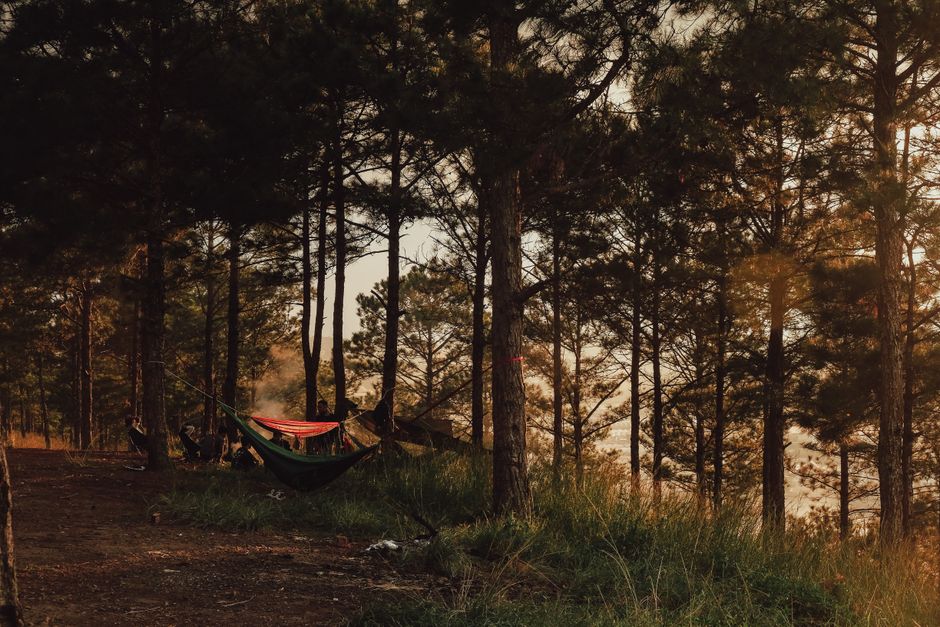
Step 1: Choosing the Right Trees
Look for healthy trees spaced about 12–16 feet apart. Avoid dead branches and unstable trunks.
Step 2: Installing Tree Straps Correctly
Wrap straps at least 1.5–2 meters above ground. Ensure even load distribution.
Step 3: Adjusting Sag for Optimal Sleep Position
A slight sag (about 30 degrees) allows diagonal sleeping, which improves spinal alignment and comfort.
Step 4: Weather Protection Setup
Add a tarp above your hammock to block rain and wind exposure.
Common Beginner Mistakes (And How to Avoid Them)
- Over-tightening suspension: Causes back pressure and instability
- Skipping insulation: Leads to cold discomfort even in mild weather
- Poor strap placement: Creates unsafe angles and reduces stability
Best Portable Camping Hammock Setups by Scenario

Different environments require different setups. A forest backpacking trip is not the same as a coastal campsite or mountain trail.
For example, lightweight systems like a portable hammock paired with essential items from a outdoor comfort & recovery collection help optimize rest after long hikes.
Backpacking Minimalist Setup
Focus on ultralight hammock, basic straps, and compact storage bag.
Cold Weather Hammock Sleep System
Add underquilt insulation and wind protection layers.
Couples Setup
Use reinforced double hammocks with wider suspension spacing.
Fast-Hike Ultralight Setup
Minimal straps, lightweight fabric, and no unnecessary accessories.
Accessories That Upgrade Hammock Comfort Instantly
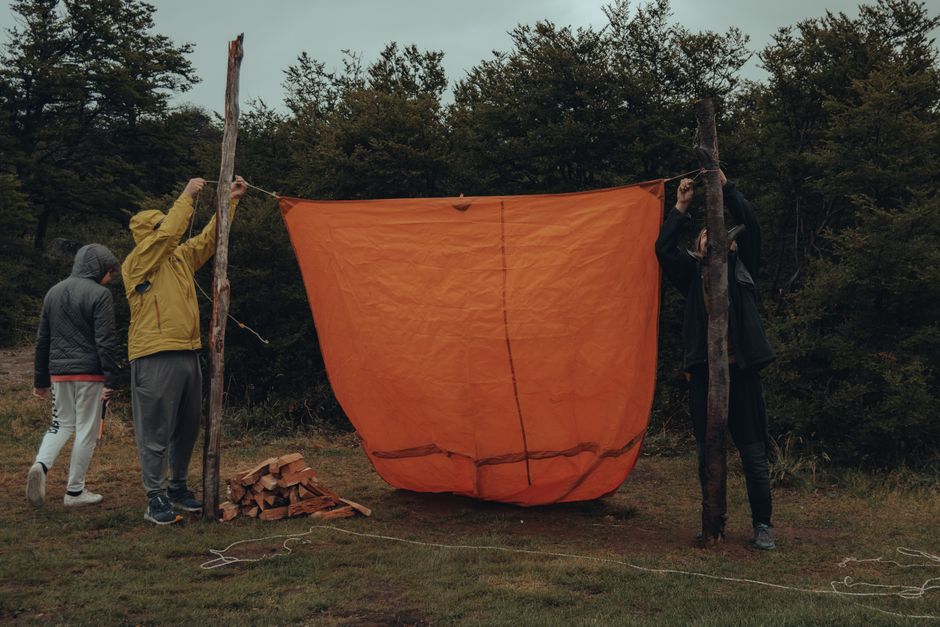
The right accessories transform a basic hammock into a high-performance sleep system.
- Underquilts for cold weather insulation
- Top quilts for warmth without bulk
- Bug nets for tropical environments
- Rain tarps for weather protection
Many hikers also combine hammocks with recovery tools from a recovery tools collection to reduce muscle fatigue after long trekking days.
Expert Insight
“A hammock is only as good as the system around it. The biggest mistake beginners make is thinking the fabric alone determines comfort. Suspension angle and insulation matter just as much.” — Outdoor Gear Field Specialist
Comparison Matrix: What Actually Impacts Comfort
| Factor | Low Impact | High Impact |
| Fabric Type | Moderate | High |
| Suspension Angle | Low | Very High |
| Insulation | Medium | High (cold climates) |
| Accessories | Medium | High (comfort optimization) |
Frequently Asked Questions
What size portable camping hammock should I choose?
Choose longer hammocks for better diagonal sleeping comfort, especially if you are over average height.
Are portable camping hammocks comfortable for overnight sleeping?
Yes—when paired with proper insulation and correct setup angle, they can outperform tents in comfort.
How do you set up a portable camping hammock safely?
Use strong tree anchors, install straps at proper height, and maintain a safe sag angle.
Is a camping hammock better than a tent for backpacking?
It depends on terrain and climate. Hammocks excel in forests and uneven ground; tents are better for open or cold environments.
What accessories improve hammock comfort?
Underquilts, bug nets, rain tarps, and adjustable ridgelines significantly improve comfort and stability.
Conclusion: Building Your Ideal Hammock Sleep System
A portable camping hammock is more than a lightweight alternative to a tent—it’s a modular sleep system. When combined with proper suspension, insulation, and accessories, it transforms outdoor rest into something closer to indoor sleep quality.
The real advantage comes from system thinking: not just choosing a hammock, but building an environment around it that supports recovery, comfort, and safety.
Whether you’re hiking deep trails or relaxing at a campsite, upgrading your setup through a structured approach and exploring a camping essentials collection helps ensure every night outdoors becomes a better sleep experience than the last.
Related Articles:





