

Foam Roller for Recovery: The Ultimate Outdoor Muscle Reset Guide
Foam Roller for Recovery: Lightweight Outdoor Guide + Best Picks
After a long day hiking steep trails or carrying a heavy backpack, muscle soreness can hit hard—tight calves, aching quads, and a stiff lower back. Many outdoor enthusiasts focus on gear like tents, cooking systems, and hydration, but overlook one of the most effective tools for staying strong across multi-day trips: a foam roller for recovery.
This guide breaks down how foam rolling works, why it matters outdoors, and how to use it efficiently on the trail. You’ll also learn how to choose the right roller for portability and build a lightweight recovery system that fits seamlessly into your adventure setup.
Why Foam Rolling Is Essential for Outdoor Recovery

Outdoor adventures demand repetitive movement, uneven terrain adaptation, and long periods of muscle engagement. Without proper recovery, fatigue accumulates quickly, reducing performance and increasing injury risk.
What Is Self Myofascial Release and How It Works
Foam rolling is a form of self myofascial release (SMR), a technique that targets the fascia—the connective tissue surrounding your muscles. When muscles are overused, fascia can tighten and restrict movement.
Using a foam roller applies controlled pressure that helps:
- Break up adhesions and tight spots
- Improve blood circulation
- Restore normal muscle elasticity
How Foam Rolling Reduces Delayed Onset Muscle Soreness (DOMS)
Delayed onset muscle soreness (DOMS) typically peaks 24–48 hours after intense activity. Foam rolling helps reduce this discomfort by increasing blood flow and promoting faster muscle repair.
For hikers and backpackers, this means:
- Less stiffness the next morning
- Better endurance on multi-day trips
- Reduced risk of overuse injuries
Foam Rolling vs Deep Tissue Massage: What’s More Practical Outdoors?
While deep tissue massage is effective, it’s not realistic on the trail. Foam rollers provide a portable alternative that delivers similar benefits without requiring external help.
Compared to professional massage, foam rollers are:
- Lightweight and packable
- Always available when needed
- Reusable without ongoing cost
Foam Roller Benefits for Hikers, Backpackers, and Outdoor Athletes

Outdoor environments place unique stress on the body. Foam rolling helps bridge the gap between performance and recovery.
Improve Mobility and Prevent Injury on the Trail
Restricted mobility can lead to compensatory movement patterns, increasing strain on joints and muscles. Foam rolling improves flexibility, helping maintain efficient movement over long distances.
Faster Recovery Between Multi-Day Adventures
On multi-day treks, recovery isn’t optional—it’s essential. Foam rolling reduces accumulated fatigue, allowing your muscles to stay functional day after day.
Compact Recovery: Why Foam Rollers Fit Lightweight Backpacking Gear Systems
Modern foam rollers are designed with portability in mind. Compact models can fit inside or attach to your pack, making them a practical addition alongside essentials from your backpacking & carry collection.
Many hikers pair them with items from the compression & packing bags collection to maximize space efficiency.
How to Use a Foam Roller for Recovery After Hiking (Step-by-Step)

Foam rolling doesn’t need to be complicated. A simple, structured routine can dramatically improve recovery.
Quick 10-Minute Post-Hike Recovery Routine
- Calves – 1 minute each leg
- Hamstrings – 1 minute each leg
- Quads – 1 minute each leg
- IT Band – 30 seconds each side
- Lower Back – 1–2 minutes
Focus on slow, controlled movements and pause on tight areas for 10–20 seconds.
For a portable option, the Foam Roller for Muscle Recovery & Deep Stretching offers a balance of durability and lightweight design ideal for outdoor use.

Want to build a full recovery setup? Explore options in the stretching & recovery tools collection.
Targeting Key Muscle Groups: Quads, Hamstrings, Calves, IT Band, Back
Each muscle group responds differently to foam rolling:
- Quads: Roll slowly from hip to knee
- Hamstrings: Sit and roll from glutes to knees
- Calves: Apply pressure with one leg stacked over the other
- IT Band: Use controlled pressure—this area can be sensitive
- Back: Focus on mid-back, avoid lower spine
Common Foam Rolling Mistakes to Avoid Outdoors
- Rolling too fast
- Applying excessive pressure too quickly
- Ignoring breathing
- Skipping recovery entirely
Outdoor Recovery Schedules: When to Foam Roll During Trips
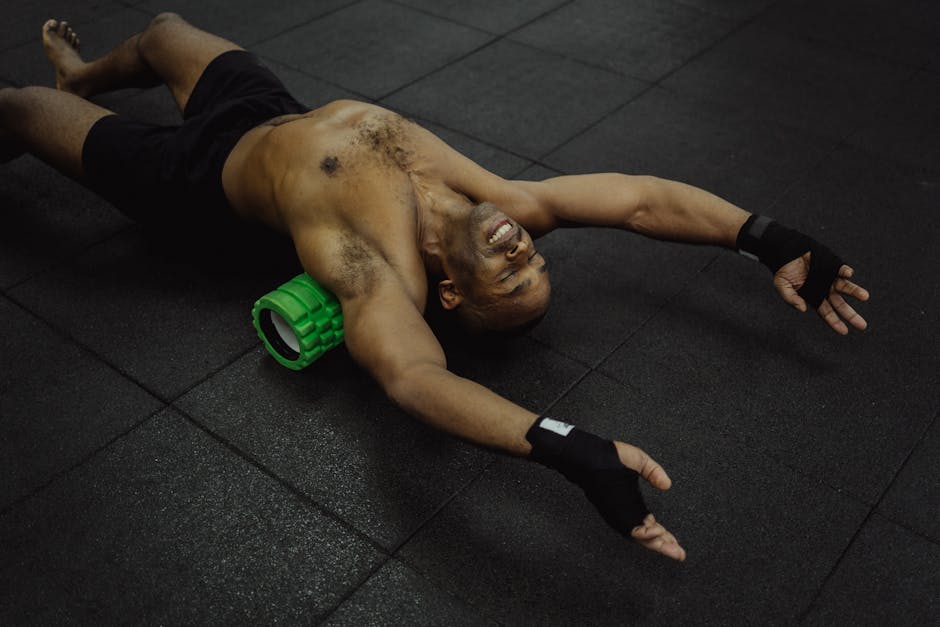
Consistency matters more than intensity when it comes to recovery.
Morning Activation Routine Before Hiking
Light foam rolling in the morning activates muscles and improves mobility. Focus on calves and hips before starting your hike.
Post-Hike Recovery for Muscle Relief
This is the most important session. Spend 10–15 minutes targeting fatigued muscles immediately after setting up camp.
Pre-Sleep Relaxation Routine at Camp
Foam rolling before sleep helps relax muscles and improve sleep quality, especially when paired with comfortable gear from the sleeping bags & pads collection.
How to Choose the Best Foam Roller for Outdoor Use
Choosing the right foam roller depends on your experience level, trip type, and packing constraints.
Foam Density: Soft vs Firm vs Textured Rollers
| Type | Best For | Feel |
| Soft | Beginners | Gentle pressure |
| Firm | Intermediate users | Balanced support |
| Textured | Advanced users | Deep tissue intensity |
Size and Portability: Full-Length vs Compact Rollers
Compact rollers are ideal for backpacking, while full-length rollers provide better coverage but take up more space.
Weight and Pack Integration for Backpacking
Look for lightweight materials like EPP foam. Many hikers attach rollers externally using gear from the hooks, clips & carabiners collection.
Beginner vs Advanced Users: What Should You Choose?
Beginners should start with medium-density rollers, while experienced users can benefit from firmer, textured designs.
Best Foam Rollers for Recovery (2026 Picks)

Instead of overwhelming you with options, here’s a practical example of what to look for in a high-quality outdoor foam roller.
Best Lightweight Foam Roller for Backpacking
A lightweight roller should balance durability and packability. The Foam Roller for Deep Muscle Recovery is a great example with a hollow-core design that reduces weight while maintaining strength.

Best Compact Foam Roller for Travel and Camping
Compact rollers fit easily into backpacks and pair well with items from the lightweight daypacks collection.
Best Deep Tissue Foam Roller for Intense Recovery
Firm, textured rollers provide deeper muscle release but require proper technique to avoid discomfort.
Best Budget Foam Roller for Beginners
Simple, medium-density rollers are often the best starting point and offer excellent value.
Foam Roller vs Other Recovery Tools: What Should You Bring?
Foam Roller vs Massage Stick
Massage sticks are more compact and allow targeted pressure, but foam rollers provide broader muscle coverage.
Foam Roller vs Trigger Point Therapy Tools
Trigger point tools offer precision, while foam rollers deliver versatility across larger muscle groups.
Minimalist Recovery Kit for Outdoor Trips
A well-rounded recovery kit might include:
- Compact foam roller
- Massage stick
- Stretching bands
These can be easily stored using solutions from the gear organizers & pouches collection.
Pro Tips for Maximizing Recovery in Outdoor Environments

Combining Foam Rolling with Stretching and Hydration
Hydration plays a key role in muscle recovery. Pair foam rolling with proper hydration systems from the hydration & food collection for best results.
Terrain-Specific Recovery Techniques (Mountains, Trails, Campsites)
Different environments require different approaches:
- Mountains: Focus on calves and quads
- Flat trails: Emphasize hips and hamstrings
- Campsites: Use flat surfaces for better control
How to Stay Consistent with Recovery While Traveling
Consistency is the biggest challenge. Keep your foam roller accessible and integrate short sessions into your routine.
FAQ
How to use a foam roller for recovery after hiking?
Focus on major muscle groups like calves, quads, and hamstrings using slow, controlled movements for 10–15 minutes after hiking.
What is the best foam roller for muscle soreness relief on the go?
A lightweight, medium-density roller offers the best balance between comfort, effectiveness, and portability.
Can a foam roller replace massage tools like a massage stick or trigger point cane?
Foam rollers provide broader coverage, but combining them with other tools offers a more complete recovery system.
When should you use a foam roller for recovery during outdoor trips?
Use it after hiking for recovery, in the morning for activation, and before sleep for relaxation.
Are foam rollers practical for backpacking and lightweight camping?
Yes, especially compact or hollow-core designs that minimize weight while maintaining effectiveness.
Conclusion
Foam rolling is one of the simplest yet most powerful ways to improve outdoor performance and recovery. Whether you're hiking, backpacking, or camping, integrating a foam roller into your routine can reduce soreness, enhance mobility, and keep you moving stronger day after day.
To build a complete recovery-focused setup, explore the outdoor comfort & recovery collection and combine smart gear choices with consistent recovery habits.
Pillar Article: Portable Camping Hammock Guide 2026: From First Hang to Deep Sleep





