

Portable Hammock for Camping: Best Picks, Setup Guide & Comfort System (2026)
Portable Hammock for Camping: 12 Best Picks + Setup & Comfort Guide (2026)
Sleeping on uneven ground, dealing with rocks under your back, or waking up damp inside a tent—these are the frustrations pushing more campers toward a better solution: the portable hammock for camping. Lightweight, compact, and surprisingly comfortable, hammock systems are redefining outdoor sleep.
This guide goes beyond basic recommendations. You’ll learn how to choose the right hammock size, set it up safely, optimize comfort in any weather, and decide whether a hammock actually beats a tent for your style of camping. If you’re building a complete system, you can also explore setups in our Camping & Picnic collection for a full outdoor gear ecosystem.
What Is a Portable Hammock for Camping? (And Why It’s Replacing Tents)
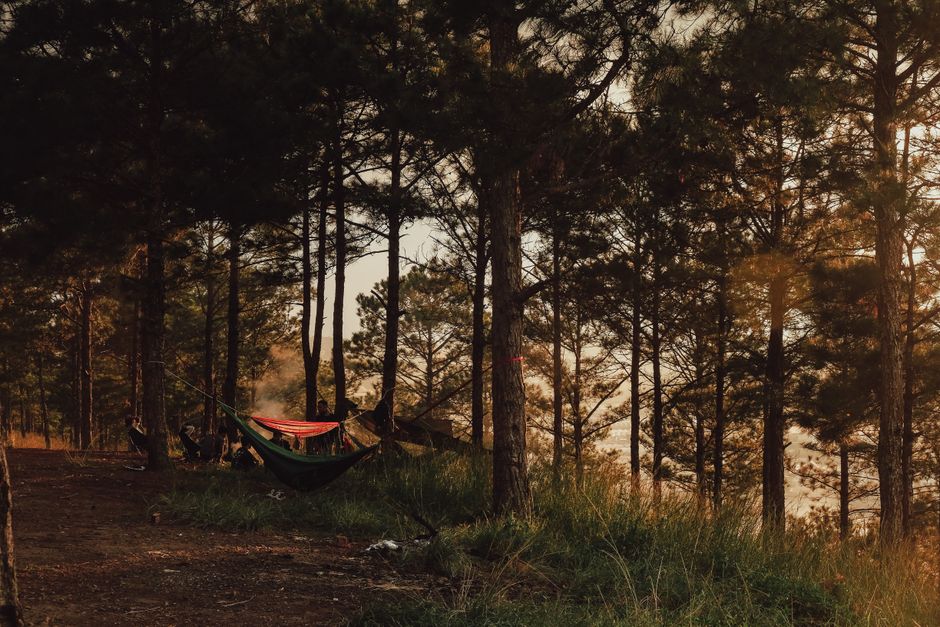
A portable camping hammock is a lightweight fabric sling suspended between two anchor points (usually trees), designed to provide elevated sleep and relaxation in outdoor environments. Unlike tents, hammocks eliminate ground contact, improving comfort, ventilation, and flexibility in uneven terrain.
Key Components of a Camping Hammock System
To build a reliable setup, you need more than just the hammock:
- Hammock body: The fabric bed itself, typically nylon or polyester
- Suspension system: Tree straps, carabiners, and adjustable loops
- Ridgeline: Maintains consistent sag and comfort
- Underquilt or sleeping pad: Insulation for colder conditions
- Bug net: Essential in humid or insect-heavy environments
Many campers combine hammock systems with items from the Hammocks & Straps collection to create a modular and flexible sleep setup.
Hammock vs Tent vs Camping Cot: Which Should You Choose?
| Feature | Hammock | Tent | Camping Cot |
| Comfort | High (no pressure points) | Medium | High |
| Setup Flexibility | Requires trees | Works anywhere flat | Requires flat ground |
| Weight | Ultralight | Moderate | Heavy |
| Ventilation | Excellent | Limited | Moderate |
| Weather Protection | Needs tarp | Built-in | Needs shelter |
If you prefer flexibility in all terrains, tents from the Camping Tents & Shelter collection may still be relevant. But for backpackers and minimalists, hammocks offer unmatched portability and comfort.
How to Choose the Best Portable Hammock for Camping (Decision Framework)

Choosing the right hammock is less about brand and more about matching your setup to your environment and use case. Whether you’re backpacking, car camping, or setting up a backyard relaxation spot, these factors determine your experience.
Hammock Size, Length & Weight Capacity Explained
Size directly affects comfort. Longer hammocks allow for a flatter diagonal lay, reducing back strain.
- Length: Ideal is 2–2.5x your height
- Width: Wider = easier diagonal sleeping
- Weight capacity: Typically 120kg–300kg
Double hammocks aren’t just for two people—they provide extra fabric for better positioning.
Material & Durability: Nylon, Polyester, and Ripstop Fabrics
Most camping hammocks use parachute nylon due to its strength-to-weight ratio. Ripstop patterns prevent tearing, while polyester options offer less stretch and better durability in wet climates.
Suspension System Breakdown: Tree Straps, Carabiners & Adjustability
A reliable suspension system determines both safety and ease of setup:
- Wide tree straps prevent bark damage
- Multiple loop systems allow quick adjustments
- Strong carabiners ensure load stability
Accessories like those found in the Hooks, Clips & Carabiners collection can enhance your setup reliability.
Packed Weight & Portability for Backpacking
Ultralight hammocks can weigh under 600g, making them ideal for long-distance hiking. Pairing your hammock with compression gear from the Compression & Packing Bags collection helps optimize space.
12 Best Portable Hammocks for Camping (2026 Field-Tested Picks)
Best Overall Camping Hammock
A balanced hammock should combine durability, comfort, and ease of setup. A strong example is the Portable Camping Hammock for Lightweight Relaxation, which offers high weight capacity, breathable fabric, and beginner-friendly setup.

This type of hammock is ideal for most users because it balances portability with durability, making it suitable for both short trips and extended outdoor stays.
Best Budget Hammock for Beginners
Budget hammocks typically use slightly thinner materials but still provide solid performance for casual camping. Focus on models that include straps and carabiners to avoid extra purchases.
Best Ultralight Hammock for Backpacking
Ultralight options prioritize minimal weight and compact size. They’re best for thru-hikers and long-distance trekkers who count every gram.
Best Double Hammock for Comfort
Double hammocks allow for a wider lay, which improves sleeping posture. Even solo campers benefit from the added space.
Best Hammock for Cold Weather Camping
Cold-weather setups require compatibility with underquilts or insulated pads. Without insulation, heat loss from below can quickly become uncomfortable.
Field Test Verdict: Real-World Performance Insights
In field testing across humid forests, rocky terrain, and coastal environments, hammocks consistently outperformed tents in comfort and ventilation. However, they require more planning for weather protection and anchor points.
How to Set Up a Camping Hammock Safely (Step-by-Step Guide)

Ideal Tree Distance & Height (Quick Setup Formula)
For optimal setup:
- Tree distance: 4–6 meters apart
- Strap height: About eye level
- Sag angle: Approximately 30 degrees
This setup ensures proper weight distribution and prevents excessive tension on the suspension system.
Step-by-Step Hammock Setup Process
- Select two sturdy trees
- Wrap straps around trunks at equal height
- Attach carabiners and adjust tension
- Test weight gradually before full use
Common Hammock Setup Mistakes to Avoid
- Hanging too tight (causes discomfort)
- Using weak anchor points
- Ignoring weather conditions
Leave No Trace Principles for Hammock Camping
Use tree-friendly straps and avoid damaging bark. Always pack out waste and minimize environmental impact.
Comfort Optimization System: How to Sleep Better in a Hammock

Underquilt vs Sleeping Pad: Which One Do You Need?
Underquilts provide superior insulation in cold weather, while sleeping pads are versatile and work well in mild conditions. Explore insulation options in the Sleeping Bags & Pads collection.
Best Sleeping Positions for Hammock Comfort
The diagonal lay is key. By positioning yourself at an angle, you create a flatter surface that supports your spine.
Accessories That Improve Sleep Quality (Pillows, Ridgeline, Bug Net)
Comfort upgrades can significantly improve sleep:
- Inflatable pillows
- Bug nets
- Ridgelines for consistent sag
Consider browsing the Inflatable Pillows collection for compact comfort solutions.
Cold Weather Hammock Camping Setup
Layering is essential. Combine underquilts, top quilts, and wind protection from the Wind & Cold Protection collection to stay warm in low temperatures.
For a lightweight and beginner-friendly example, the Lightweight Camping Hammock Portable Travel Comfort demonstrates how compact systems can still deliver comfort when paired with proper insulation.

Scenario-Based Recommendations: Find Your Ideal Hammock Setup

Beginner Camper Setup
Start simple: hammock, straps, and a basic sleeping pad. Add accessories gradually as you gain experience.
Ultralight Backpacker Setup
Focus on minimal weight. Pair a lightweight hammock with compact gear from the Backpacking & Carry collection.
Cold Weather Camper Setup
Prioritize insulation and weather protection. Add tarps and wind barriers.
Comfort-First Weekend Camper Setup
Combine a double hammock with accessories like pillows and blankets for maximum relaxation.
Hammock Camping vs Tent: Which Sleep System Is More Comfortable?

For many campers, hammocks offer superior comfort due to reduced pressure points and improved airflow. However, tents provide better all-weather protection and flexibility in treeless environments.
The best choice depends on your camping style:
- Choose a hammock for comfort and lightweight travel
- Choose a tent for versatility and harsh weather
FAQ
How to hang a camping hammock safely between trees?
Use strong tree straps at eye level, maintain a 30-degree angle, and test weight gradually before use.
What is the ideal height and distance for setting up a hammock?
4–6 meters between trees and straps positioned around head height.
How do I choose the right hammock size and weight capacity?
Select a hammock at least twice your height and ensure it supports your weight comfortably.
Is a camping hammock more comfortable than a tent?
For many users, yes—especially due to improved airflow and reduced pressure points.
What do I need to sleep comfortably in a hammock while camping?
A complete system includes a hammock, suspension straps, insulation (pad or underquilt), and optional accessories like pillows and bug nets.
Conclusion
The best portable hammock for camping isn’t just about the product—it’s about the system. When you combine the right hammock, proper setup, and comfort optimization, you unlock a level of outdoor sleep that tents often struggle to match.
Whether you’re a beginner or an experienced camper, building your setup with the right gear categories—from Camping & Picnic essentials to comfort accessories—ensures every trip is more enjoyable, efficient, and restful.
Pillar Article: Portable Camping Hammock Guide 2026: From First Hang to Deep Sleep





