

Sleeping Pad vs Air Mattress: Complete Camping Sleep System Guide (2026)
Sleeping Pad vs Air Mattress: The Ultimate Camping Sleep System Breakdown
Few things ruin a camping trip faster than waking up stiff, cold, and exhausted after what was supposed to be a “restful night outdoors.” The truth is, most discomfort in the wild doesn’t come from the terrain itself—but from choosing the wrong sleep system for your environment and body needs.
When comparing a sleeping pad vs air mattress, the decision goes far beyond thickness or softness. It’s about insulation, ground isolation, packability, and how your entire sleep system supports recovery after long hikes or outdoor activity. This guide breaks down every critical factor so you can build a complete camping sleep system that actually works in real-world conditions—not just on paper.
Sleeping Pad vs Air Mattress: What’s the Real Difference?
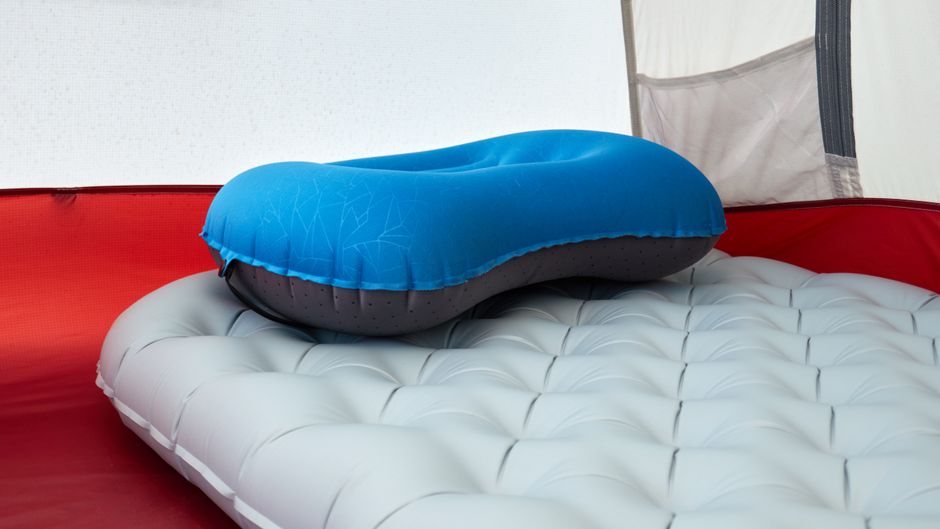
At a glance, both sleeping pads and air mattresses serve the same purpose: separating your body from the ground. But their design philosophy is fundamentally different, and that difference impacts everything from warmth to portability.
Construction and Material Differences
Sleeping pads are typically built from closed-cell foam or lightweight inflatable chambers designed to trap heat and minimize weight. They prioritize insulation and durability over plush comfort.
Air mattresses, on the other hand, use larger internal air chambers and softer surface fabrics. They are engineered for comfort first, often mimicking home mattress feel, but can sacrifice thermal efficiency in colder environments.
- Sleeping pads: lightweight, compact, high insulation (R-value focused)
- Air mattresses: thicker, softer, comfort-focused, heavier
Comfort vs Insulation Tradeoffs
The biggest tradeoff is simple: comfort vs thermal protection.
Sleeping pads excel in cold weather due to higher insulation efficiency. Air mattresses feel better in mild or warm conditions but can pull heat away from your body if not insulated properly.
Weight, Packability, and Use Case Summary
| Feature | Sleeping Pad | Air Mattress |
|---|---|---|
| Weight | Very light | Moderate to heavy |
| Packability | Highly compact | Larger packed size |
| Comfort | Moderate | High |
| Cold Weather Use | Excellent | Needs insulation support |
For a deeper breakdown of sleep systems and outdoor setup strategies, explore our Sleeping Bags & Sleeping Pads collection to understand how insulation layers work together in real camping environments.
Understanding R-Value and Cold Weather Sleep Performance
One of the most overlooked factors in outdoor sleep comfort is R-value. This rating determines how well your sleeping surface resists heat loss to the ground.
What R-Value Means for Warmth
R-value measures thermal resistance. The higher the number, the better your sleeping system insulates you from cold ground conditions.
:contentReference[oaicite:0]{index=0}
In simple terms:
- R 1–2: Summer camping only
- R 3–4: Three-season camping
- R 5+: Cold weather or winter camping
Best Cold Weather Setup Strategies
In colder environments, the key isn’t just choosing a thicker pad—it’s layering your sleep system. Combining insulation layers creates thermal redundancy that prevents heat loss during the night.
For example, pairing an insulated sleeping pad with a sleeping bag significantly improves warmth retention compared to using an air mattress alone.
For full setup planning, browse our Camping Tents & Shelter collection to understand how shelter design also impacts temperature stability.
Top Insulated Pad System Example
One real-world example of a reliable insulated setup is the Inflatable Camping Sleeping Pad, designed for both cushioning and ground insulation in varied terrain.

This type of pad integrates insulation, portability, and ergonomic support—making it a strong hybrid between comfort and performance for backpackers and casual campers alike.
Camping Sleep System Framework: Choose Based on Your Trip Type

Instead of asking “which is better,” experienced campers build sleep systems based on trip type, weather, and transport method.
Backpacking Setup (Ultralight Priority)
For backpackers, weight is the deciding factor. Sleeping pads dominate this category because they pack small and weigh significantly less than air mattresses.
Key priorities:
- Sub-1kg total sleep system weight
- High R-value efficiency
- Minimal pack volume
Explore lightweight setups in our Backpacking & Carry solutions collection for optimized loadouts.
Car Camping Setup (Comfort Priority)
Car camping removes weight constraints, making air mattresses more attractive. The focus shifts to comfort, thickness, and home-like sleep quality.
This is where air mattresses excel—especially for families or longer trips where recovery matters more than ultralight packing.
For broader comfort setups, see our Car Camping Accessories collection.
Cold Weather Expedition Setup
Cold weather camping requires layered insulation. A sleeping pad with high R-value becomes essential, often paired with insulated sleeping bags and thermal liners.
This system is less about softness and more about survival-level heat retention.
Sleeping Pad vs Air Mattress for Backpacking vs Car Camping
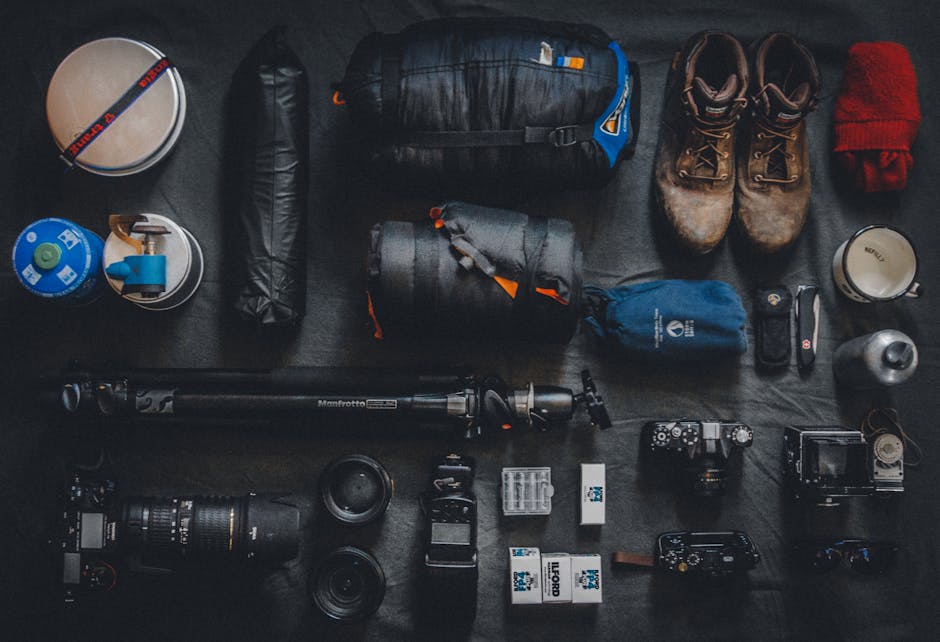
Let’s break the decision into real-world use cases.
Ultralight Backpacking Gear Systems
Sleeping pads dominate this category due to weight efficiency and durability. Inflatable systems like modern compact pads strike a balance between cushioning and packability.
Example system highlight:
The Inflatable Camping Sleeping Pad offers 4-inch cushioning while still compressing into a compact form suitable for hiking packs.
For hiking-focused gear setups, browse our Camping & Picnic Essentials collection.
Car Camping Comfort Systems
Car campers often prioritize sleep quality over portability. Air mattresses provide a mattress-like experience that sleeping pads can’t fully match in softness.
This is where larger sleep surfaces like double pads or inflatable beds shine.

Two-person sleeping systems are especially useful for couples or family camping setups where shared comfort matters more than weight.
Ergonomics & Spinal Alignment: Why Comfort Isn’t Just Softness
True comfort in camping sleep systems is about spinal alignment, pressure distribution, and support consistency—not just plushness.
“Most campers underestimate how much uneven pressure points affect recovery. A well-supported sleeping surface can reduce morning stiffness more than simply choosing a softer mattress.” — Outdoor gear field tester (sleep ergonomics specialist)
Side Sleeper Pressure Point Relief
Side sleepers require deeper cushioning to prevent hip and shoulder pressure buildup. Thicker inflatable systems help distribute body weight more evenly across the surface.
Spinal Alignment in Outdoor Sleep Systems
Flat but supportive surfaces reduce spinal curvature stress. This is where moderately firm sleeping pads outperform overly soft air mattresses that can sag under body weight.
For recovery-focused gear, explore our Stretching & Recovery Tools collection.
Complete Camping Sleep System Ecosystem (Beyond Pad vs Mattress)
Modern outdoor comfort isn’t about a single product—it’s about the entire sleep ecosystem working together.
Camping Hammocks vs Ground Sleep Systems
Hammocks provide excellent pressure relief but depend heavily on weather conditions and setup environment. Ground systems remain more versatile across terrain types.
Explore options in our Hammocks & Straps collection.
Inflatable Camping Pillows for Neck Support
Neck alignment is often the missing piece in camping comfort. A proper pillow can significantly improve sleep quality regardless of pad or mattress choice.
See ergonomic options in our Inflatable Pillows collection.
Sleeping Bags for Cold Weather Integration
Sleeping systems only work when insulation layers align. Pairing pads with temperature-rated sleeping bags creates a sealed thermal environment.
Browse our Sleeping Bags & Pads collection for complete system integration.
Common Mistakes When Choosing Camping Sleep Gear

- Ignoring R-value ratings and focusing only on thickness
- Overpacking heavy air mattresses for backpacking trips
- Choosing comfort over insulation in cold climates
- Underestimating ground hardness and terrain variation
Frequently Asked Questions
What is better for camping: a sleeping pad or an air mattress?
Sleeping pads are better for backpacking and cold weather, while air mattresses are better for comfort-focused car camping.
Are sleeping pads warm enough for cold weather camping?
Yes, especially when using a high R-value pad designed for insulation in low temperatures.
Can an air mattress be used for backpacking?
It is possible but not recommended due to weight and bulk limitations.
What is the most comfortable camping sleep system for side sleepers?
A thick inflatable sleeping pad or air mattress with good pressure distribution is ideal for side sleepers.
Final Thoughts: Build a Sleep System, Not Just a Setup
The real decision isn’t sleeping pad vs air mattress—it’s how you design a complete sleep system that matches your environment, body needs, and trip style.
Ultralight backpackers will always prioritize sleeping pads for efficiency, while comfort-focused campers will gravitate toward air mattresses. The best outdoor experience comes from combining the right insulation, support, and accessories into a system that works together.
For a full range of gear combinations, explore our Camping & Picnic Essentials collection and start building your ideal setup for better sleep outdoors.
Pillar Article: Portable Camping Hammock Guide 2026: From First Hang to Deep Sleep





