

Good Camping Sleeping Bags: Best Picks Compared For Warmth & Comfort
Backpacking Sleeping Bag Vs Quilt: Which Is Warmer & Lighter?
Is a backpacking quilt better than a sleeping bag?
Backpacking sleeping bag vs quilt comparisons usually come down to warmth, weight, and comfort. Quilts often save 20–30% in pack weight and compress smaller, while sleeping bags trap heat more effectively during cold weather camping. The best option depends on your sleep style, hiking conditions, and how much bulky gear you want to carry.
⏱ 9 min read
Backpacking trips become a lot harder when your sleep setup takes up too much space or leaves you freezing overnight. Many hikers struggle between carrying a warmer traditional sleeping bag or switching to a lighter quilt system. If you are comparing backpacking sleeping bag vs quilt options for better comfort, lower weight, and easier packing, this guide breaks down exactly where each system performs best on the trail.
What gear actually makes camping easier when every ounce matters? The answer usually starts with your sleep system. Choosing the wrong setup can mean restless nights, overstuffed packs, and wasted energy on the trail.
Explore lightweight outdoor essentials that reduce bulk while improving comfort during long hikes and overnight adventures.
Sleeping Bags & Sleeping Pads | Compression & Packing Bags | Lightweight Daypacks
💡 See it in action
Why More Hikers Are Switching to Quilts
Backpacking sleeping bag vs quilt discussions have exploded because modern backpackers are prioritizing lighter gear without sacrificing recovery. Long-distance hikers especially want sleep systems that compress smaller and reduce shoulder strain during multi-day trips.
Traditional sleeping bags still dominate cold weather use, but quilts are quickly gaining popularity among ultralight backpackers. The main reason? Most insulation underneath your body gets compressed and loses efficiency anyway.
- Quilts remove unnecessary bottom insulation
- They pack down smaller in backpacks
- Many hikers sleep more comfortably with extra movement room
- Weight savings help reduce fatigue on long climbs
Still, colder conditions create a different conversation. Wind drafts, shifting positions, and low nighttime temperatures can expose weaknesses in quilt systems if used incorrectly.
Backpacking Sleeping Bag Vs Quilt Comparison Table
Backpacking sleeping bag vs quilt setups each solve different trail problems. Sleeping bags prioritize heat retention and protection, while quilts focus on weight savings and flexibility for warmer conditions or experienced ultralight hikers.
| Feature | Sleeping Bag | Backpacking Quilt |
|---|---|---|
| Warmth Retention | Excellent in cold weather | Good with proper setup |
| Weight | Heavier | Lighter |
| Packability | Bulkier | Compresses smaller |
| Draft Protection | Strong | Depends on attachment system |
| Comfort for Side Sleepers | Can feel restrictive | More movement space |
| Best Use Case | Cold weather camping | Ultralight hiking |
Many hikers who complain about camping gear too bulky to carry eventually switch to quilts because of the noticeable reduction in pack volume.
How Sleeping Bags Keep You Warmer in Cold Weather
An insulated sleeping bag vs quilt camping setup usually favors sleeping bags in freezing conditions. Mummy-style bags seal heat around your body and minimize cold air exposure overnight.
Cold-weather backpackers often prefer sleeping bags because they:
- Protect the head and neck with integrated hoods
- Prevent drafts during restless sleep
- Retain warmth better in windy shelters
- Work well for beginner campers
For alpine hikes or shoulder-season camping, sleeping bags remain the safer choice for many hikers. Pairing them with gear from Wind & Cold Protection can further improve overnight warmth.
One common mistake is relying only on sleeping bag temperature ratings. Ground insulation matters just as much. A poorly insulated sleeping pad can cause rapid heat loss even with premium sleeping bags.
Pros of Traditional Sleeping Bags
- Excellent thermal efficiency
- Reliable in freezing temperatures
- Better for beginners
- Ideal for windy campsites
Cons of Traditional Sleeping Bags
- Heavier and bulkier
- Can feel restrictive
- Takes up more backpack space
Many experienced hikers also combine sleeping bags with accessories from Blankets & Sleeping Comfort for added insulation during unexpected cold snaps.
Compare sleep systems, insulation layers, and pack-saving accessories before your next overnight trip.
View the all-season sleeping bag
Why Quilts Feel Better for Ultralight Backpacking
Quilts shine when every ounce matters. They eliminate unnecessary insulation underneath your body and often reduce overall pack weight dramatically.
Many thru-hikers report better mobility and less overheating during mild-weather camping. Unlike mummy bags, quilts allow more natural sleeping positions.
💡 See it in action
Here are the biggest advantages of quilts:
- Lower packed volume
- Reduced trail fatigue from lighter loads
- Greater airflow during warmer nights
- Easier layering with insulated clothing
Quilts also pair extremely well with gear from Compression & Packing Bags and Backpacking & Carry collections for hikers focused on minimizing bulk.
However, quilts require proper setup technique. If drafts enter around the sides, warmth drops quickly. This is why some first-time quilt users struggle during colder nights.
Pros of Backpacking Quilts
- Lightweight and compact
- Comfortable for side sleepers
- Flexible ventilation
- Ideal for long-distance hiking
Cons of Backpacking Quilts
- Less protection from drafts
- Steeper learning curve
- May require warmer clothing layers
When a Lightweight Double Sleeping Bag for Hiking Makes Sense
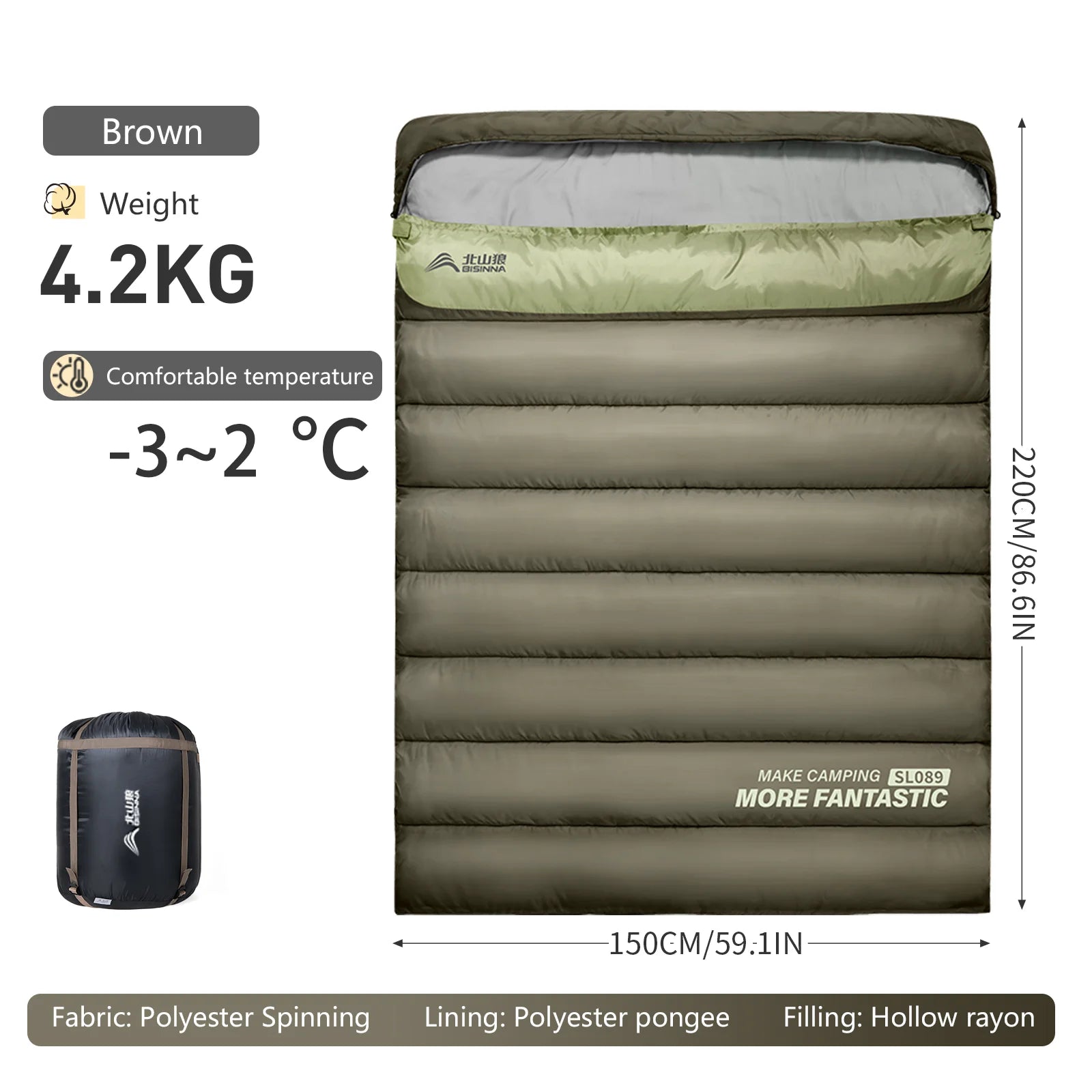
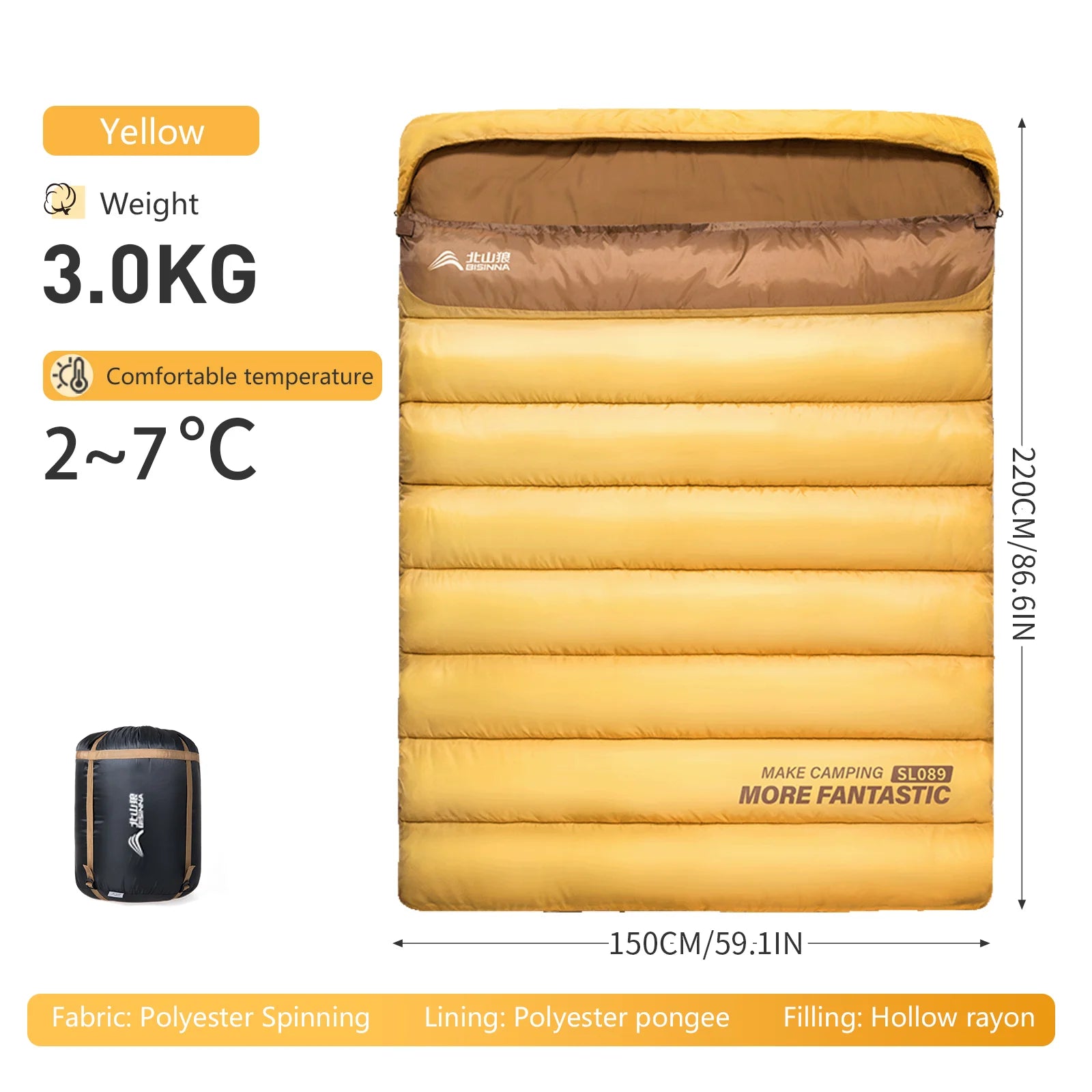
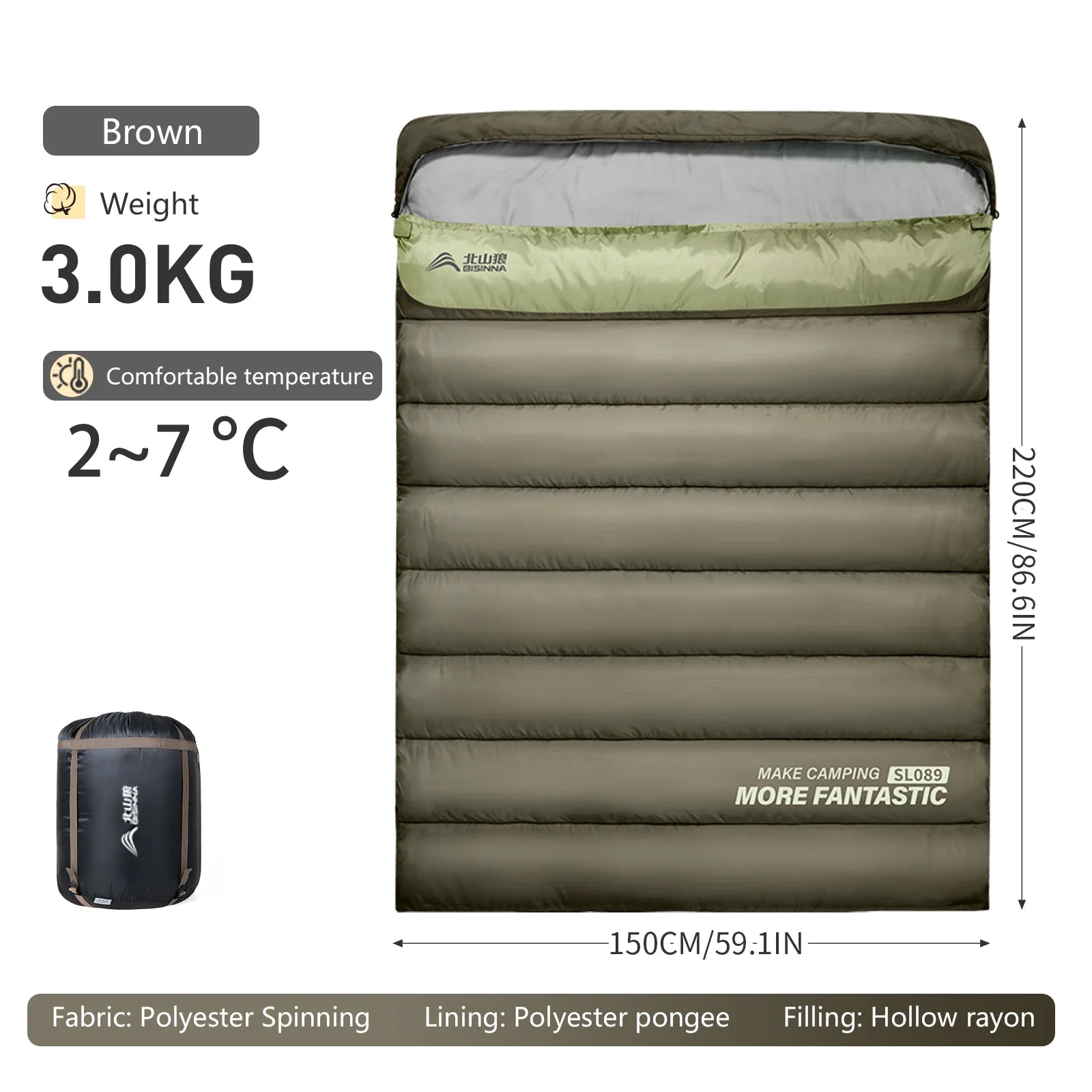
Solo ultralight setups are not always the best answer. Couples and car campers often benefit more from a lightweight double sleeping bag for hiking because shared body heat improves comfort during colder nights.
A quality double bag can also reduce duplicated gear weight compared to carrying two separate bulky sleeping systems.
| Best For | Recommended Sleep System |
|---|---|
| Solo ultralight hikers | Backpacking quilt |
| Cold-weather backpackers | Mummy sleeping bag |
| Couples hiking together | Lightweight double sleeping bag |
| Car camping comfort | Traditional insulated bag |
Many hikers transitioning from casual camping to backpacking underestimate how much oversized sleep gear affects endurance. A poorly packed sleeping setup can create balance issues and unnecessary exhaustion after several miles.
Using compact accessories from Gear Organizers & Pouches and Waterproof & Dry Bags can help prevent wasted space and moisture damage.
Camping Insulation Tips for Cold Weather
Camping insulation tips for cold weather often matter more than choosing between a quilt or sleeping bag. Even premium gear performs poorly without proper layering and campsite setup.
- Use an insulated sleeping pad beneath your sleep system
- Wear dry base layers before bed
- Avoid sleeping directly on cold ground
- Protect your shelter from wind exposure
- Eat calorie-dense food before sleeping
Small adjustments can dramatically improve warmth retention. Many hikers who switch to quilts successfully use insulated jackets, hats, and thermal layers to compensate for open designs.
Additional cold-weather essentials from Weather Protection & Environment and Ground Sheets & Tarps can improve comfort during harsh conditions.
Quick Packing Checklist for Colder Trips
- Insulated sleeping pad
- Dry thermal socks
- Compact pillow
- Emergency blanket
- Backup fire starter
Experienced hikers also recommend carrying compact safety gear from Safety, Survival & Emergency and Fire Starters & Ignition collections during unpredictable mountain weather.
Real Backpacking Scenarios: Which Setup Works Best?
Trail conditions often decide the winner in the backpacking sleeping bag vs quilt debate.
Scenario 1: Summer Thru-Hiking
A backpacking quilt usually wins for long summer hikes. Lower weight and better ventilation reduce fatigue while helping hikers stay comfortable during warm nights.
Scenario 2: Windy Mountain Camps
Traditional sleeping bags outperform quilts in exposed campsites because enclosed insulation minimizes cold drafts and heat loss.
Scenario 3: Couples Backpacking Together
A lightweight double sleeping bag for hiking provides better shared warmth and comfort than two separate narrow sleep systems.
Scenario 4: Beginner Backpackers
Sleeping bags are generally easier for first-time campers because they require less setup knowledge and provide more consistent warmth.
One Colorado backpacker shared that switching from a heavy synthetic bag to a quilt reduced pack weight by nearly two pounds during a six-day trip. Another camper reported sleeping colder in windy conditions after incorrectly securing a quilt attachment system.
These real-world experiences show that no single sleep system works perfectly for every environment.
Upgrade your camping sleep setup before colder nights and crowded trails make comfort harder to find.
Shop the all-season sleeping bag
Essential Gear Checklist for Better Sleep Outdoors
Reducing camping gear too bulky to carry starts with smarter layering and compact accessories. A balanced backpacking setup often includes:
- Lightweight sleeping system
- Compression sack
- Insulated sleeping pad
- Weather-resistant shelter
- Compact lighting
- Dry storage bags
Helpful gear collections for improving comfort and organization include:
- Camping & Picnic
- Camping Tents & Shelter
- Headlamps & Wearable Lights
- Inflatable Pillows
- Portable Power Banks
💡 See it in action
Final Thoughts on Backpacking Sleeping Bag Vs Quilt Choices
The best backpacking sleep system depends on your hiking style, climate, and comfort priorities. Quilts offer major advantages for ultralight backpackers who value packability and mobility. Sleeping bags remain the stronger option for freezing conditions, beginner campers, and windy environments.
If warmth and simplicity matter most, a traditional insulated bag is usually the safer choice. If reducing weight and bulk matters more, quilts can transform your hiking experience when paired with the right insulation strategy.
FAQ
Are quilts really warmer than sleeping bags?
No. Sleeping bags are generally warmer because they fully enclose the body and reduce drafts. Quilts can still perform well when paired with insulated pads and proper layering.
Do quilts save a lot of backpack weight?
Yes. Many backpacking quilts weigh significantly less than traditional sleeping bags because they remove compressed bottom insulation and use less material overall.
What temperature is too cold for a backpacking quilt?
It depends on the quilt design, pad insulation, and your layering system. Many hikers use quilts comfortably below freezing with proper cold-weather preparation.
Is a lightweight double sleeping bag for hiking worth it?
For couples or close camping partners, double sleeping bags can improve warmth, comfort, and overall pack efficiency compared to carrying separate oversized systems.
How do I avoid carrying camping gear too bulky to carry?
Choose compact sleeping systems, use compression sacks, eliminate duplicate gear, and prioritize lightweight equipment designed specifically for backpacking travel.
Related Articles:
- Camping Quilt Vs Sleeping Bag: Which Fits Your Camping Style?
- Double Sleeping Bag For Couples: Best Picks For Cozy Shared Sleep
- Water Resistant Sleeping Bags: Best Models For Wet Weather Camping
- All Season Sleeping Bag: Top Options Compared For Year-Round Use
- Backpacking Sleeping Bag Vs Quilt: Which Is Warmer & Lighter?
Pillar Articles:





