

How To Stay Warm While Camping: Key Features That Actually Work
How to stay warm while camping in cold weather?
How to stay warm while camping starts with controlling heat loss from the ground, wind, and moisture. Using layered insulation, a properly rated sleeping system, wind-resistant shelter setup, and smart tent ventilation can dramatically improve warmth during cold nights without adding excessive bulk or heavy gear.
How To Stay Warm While Camping: Key Features That Actually Work
⏱ 12 min read
Cold nights can turn an exciting outdoor trip into a miserable experience fast. Many campers assume thicker sleeping bags alone solve the problem, but heat loss usually comes from poor insulation, trapped moisture, bad airflow, and incorrect shelter setup. If you have ever dealt with a sleeping bag not warm enough winter setup or struggled to stay comfortable after midnight, the right combination of warmth-retention features can completely change your camping experience. This guide breaks down the real solutions that improve warmth, comfort, and sleep quality during cold weather camping.
Have you ever wondered why two campers using similar gear can experience completely different comfort levels overnight?
Small details make a massive difference. Heat escapes through compressed insulation, exposed tent gaps, damp clothing, and cold air pockets beneath your body. Understanding these problems is the key to building a warmer, lighter, and more efficient cold-weather camping setup.
👉 Discover reliable cold-weather camping gear before your next outdoor trip.
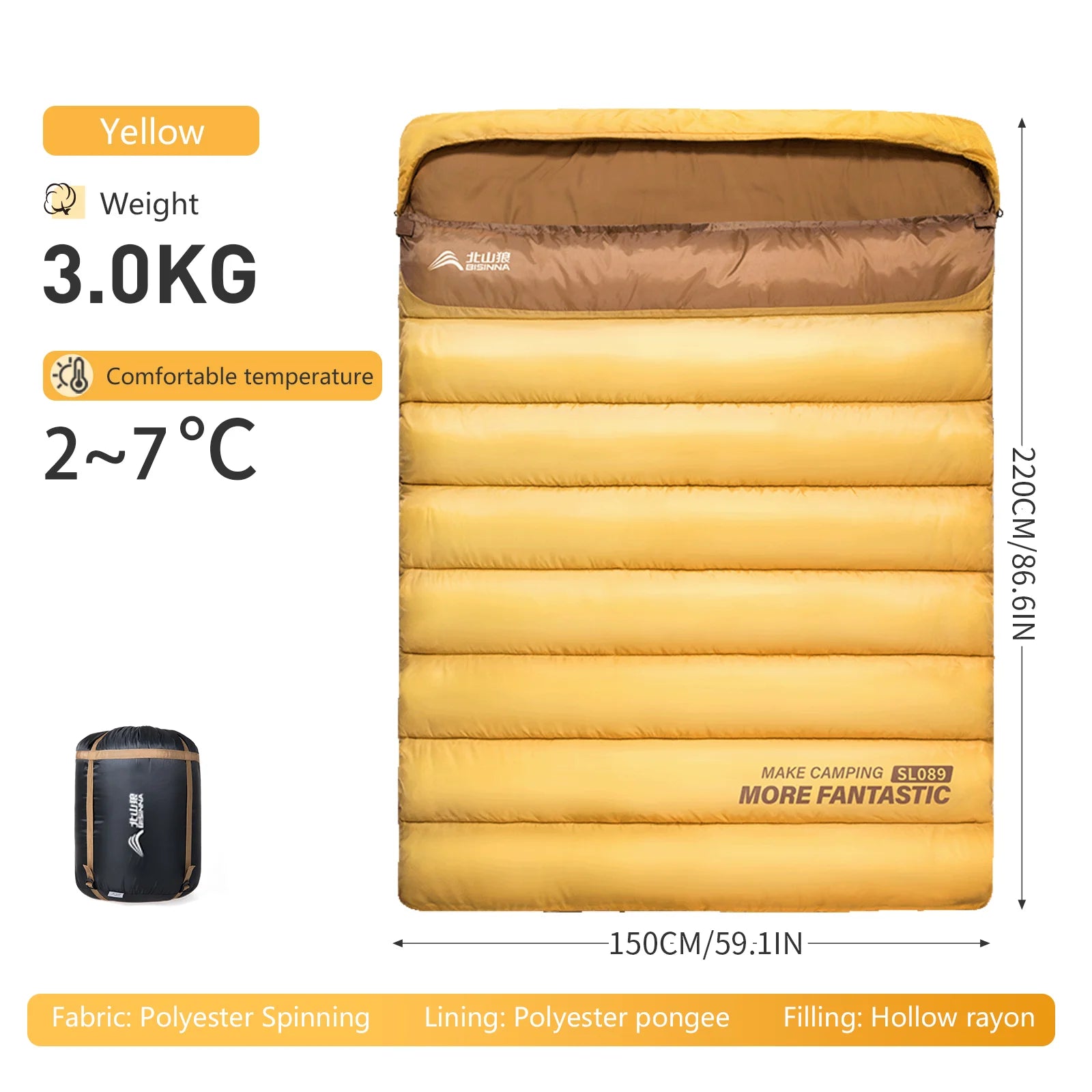
Camping & Picnic | Sleeping Bags & Sleeping Pads | 2 Person Camping Sleeping Bag Warm All Season
💡 See it in action
Why Campers Get Cold Even With Expensive Gear
How to stay warm while camping depends less on price and more on how efficiently your system traps heat. Many campers lose warmth because their insulation compresses under body weight, moisture builds inside the shelter, or cold air circulates through poorly sealed sleeping setups.
A common mistake is relying only on a thick sleeping bag. Even premium insulation struggles when cold air reaches your body from underneath or when humidity reduces loft performance.
Most overnight heat loss comes from four sources:
- Cold ground transferring heat away from the body
- Wind entering tent seams or ventilation gaps
- Moisture buildup inside clothing or sleeping bags
- Improper layering that traps sweat
Campers often spend hundreds upgrading bags while ignoring pads, shelter placement, and moisture management. In reality, these overlooked factors usually create the biggest warmth improvements.
Many experienced winter campers now combine insulated pads, layered sleeping systems, and wind-blocking shelter layouts rather than depending on a single oversized sleeping bag.
The Fastest Ways To Stay Warm Camping Nights
How to stay warm camping nights becomes easier when you improve heat retention instead of simply adding bulk. A layered sleep system, insulated ground barrier, dry clothing, and controlled ventilation often provide better warmth than using an extremely heavy sleeping bag alone.
- Use insulated sleeping pads under your sleeping bag
- Change into dry base layers before sleeping
- Block wind exposure around your tent setup
- Eat warm calorie-dense food before bedtime
- Ventilate condensation without creating drafts
- Use hot water bottles safely inside sleeping systems
One of the simplest camping insulation tips for cold weather is warming your core before entering your sleeping bag. Your body generates heat more effectively when circulation remains active.
Campers who eat warm meals and hydrate properly before sleep often feel noticeably warmer throughout the night.
Quick heat-retention tricks that work immediately
| Method | Benefit | Why It Works |
|---|---|---|
| Insulated sleeping pad | Reduces ground heat loss | Blocks conductive cooling |
| Dry sleep clothing | Improves insulation | Prevents moisture chilling |
| Warm drinks | Supports circulation | Raises core temperature |
| Wind protection | Retains trapped heat | Limits airflow exposure |
| Layered blankets | Creates air pockets | Improves thermal efficiency |
Campers using layered sleep systems usually report more consistent overnight comfort than those relying only on oversized sleeping bags.
Which Sleeping Bag Features Actually Retain Heat?
A sleeping bag not warm enough winter problem usually comes from poor fit, insufficient loft, compressed insulation, or incorrect temperature ratings. Features like draft collars, hood seals, insulated foot boxes, and synthetic moisture resistance often improve warmth retention more than thickness alone.
Modern cold-weather sleeping systems focus heavily on reducing heat escape points.
Key warmth-retention features that matter most
- Draft collars around the neck
- Contoured mummy design
- Insulated zipper baffles
- Moisture-resistant shell materials
- Dual-layer synthetic or down insulation
- Foot box heat retention zones
Loose sleeping bags create large pockets of cold air your body must continuously warm. Proper sizing improves thermal efficiency dramatically.
Synthetic insulation also performs better in damp conditions because it continues trapping heat even after minor moisture exposure.
👉 Learn how to upgrade your sleep setup for colder outdoor adventures.
Blankets & Sleeping Comfort | Weather Protection & Environment | 2 Person Camping Sleeping Bag Warm All Season
Campers transitioning from summer gear to all-season systems often notice immediate improvements in sleep quality and overnight recovery.
What campers say improves warmth most
"Adding an insulated sleeping pad helped more than replacing my sleeping bag."
"I stopped waking up freezing once I switched into dry base layers before bed."
"Wind protection around the tent made a bigger difference than thicker blankets."
Ways To Improve Tent Warmth Retention Without Heavy Equipment
Ways to improve tent warmth retention do not require carrying oversized heaters or bulky gear. Proper tent placement, wind protection, reflective insulation, and controlled airflow can significantly improve overnight warmth while keeping your camping setup lightweight and manageable.
Tent warmth depends heavily on airflow management.
Effective tent warmth strategies
- Pitch tents behind natural wind barriers
- Use ground tarps below shelters
- Seal unnecessary ventilation gaps
- Avoid camping in low cold-air valleys
- Use reflective emergency blankets carefully
- Keep wet gear outside sleeping zones
Many campers accidentally create condensation problems by sealing tents completely. Moisture buildup eventually cools the interior faster than outside airflow.
Balanced ventilation improves comfort while preventing damp insulation.
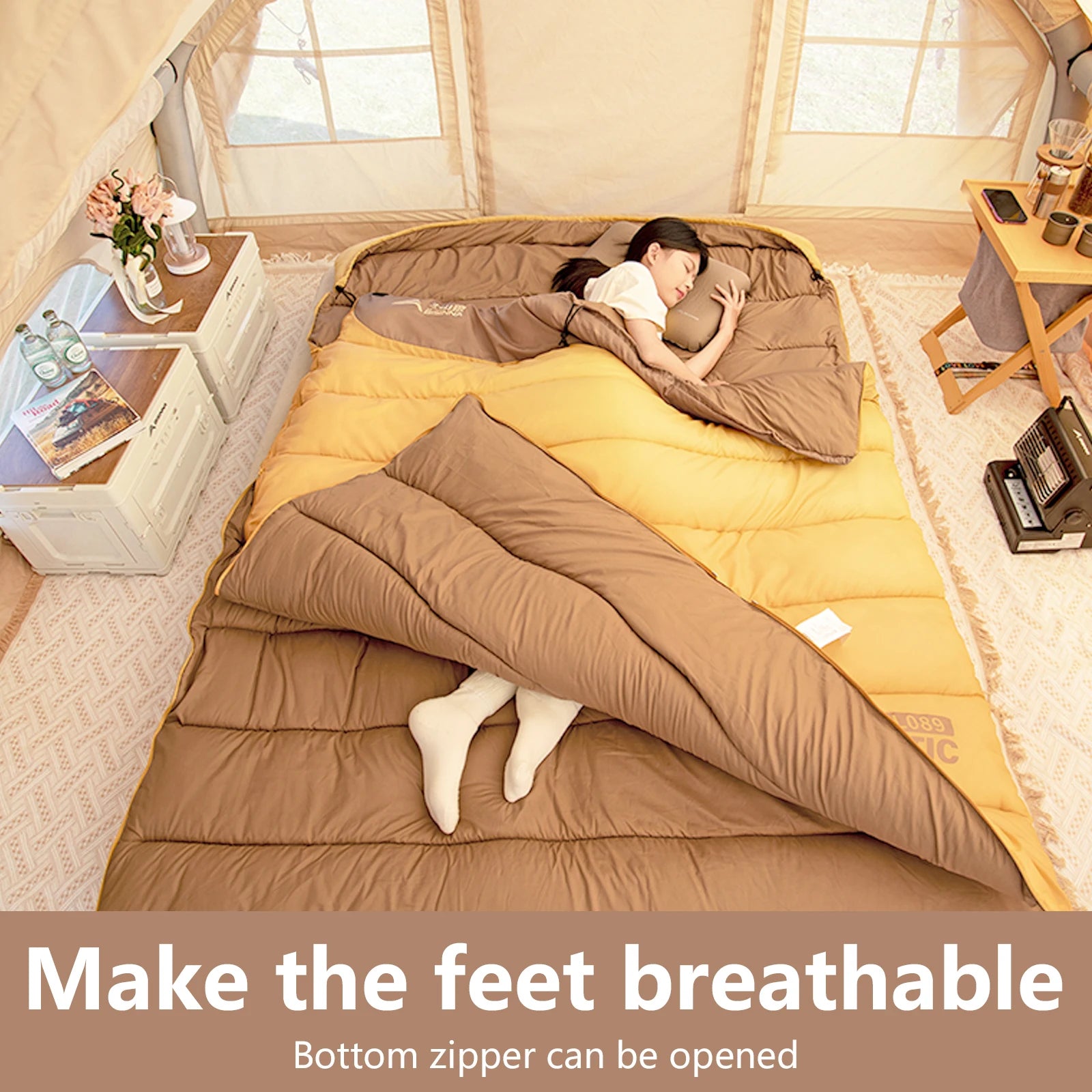
For better shelter performance during cold nights, many campers combine Camping Tents & Shelter with Ground Sheets & Tarps to create stronger wind and moisture barriers.
💡 See it in action
Why Ground Insulation Matters More Than Most Campers Think
Cold ground drains body heat continuously through conduction. Even thick sleeping bags lose effectiveness when insulation compresses beneath body weight.
This is why insulated sleeping pads matter so much during cold-weather camping.
Best ground insulation combinations
| Setup | Warmth Level | Best Use |
|---|---|---|
| Foam pad only | Moderate | Mild cold conditions |
| Inflatable insulated pad | High | Winter camping |
| Foam + inflatable combo | Very high | Snow camping |
| Blanket only | Low | Summer camping |
Combining foam and inflatable pads creates layered insulation with better redundancy in freezing conditions.
Campers looking for improved outdoor sleep comfort often combine Sleeping Bags & Sleeping Pads with Picnic Mats & Blankets for added warmth and cushioning.
Signs your ground insulation is failing
- Your hips or shoulders feel cold first
- You wake up cold despite thick blankets
- Your sleeping bag feels warmer sitting upright
- Cold spots develop near compressed areas
These symptoms usually indicate conductive heat loss from below.
How Smart Layering Prevents Heat Loss Overnight
Layering works by trapping warm air while allowing moisture to escape gradually. Too many heavy layers can reduce circulation and trap sweat, leading to faster cooling.
The best cold-weather systems prioritize breathable insulation.
Ideal nighttime layering setup
- Moisture-wicking base layer
- Light insulating mid-layer
- Warm socks and head covering
- Ventilated outer shell if needed
A dry hat can dramatically improve warmth retention because significant heat escapes through the head and neck area during sleep.
Cold-weather campers frequently store spare dry clothing inside Waterproof & Dry Bags to prevent overnight moisture contamination.
Best fabrics for warmth retention
| Material | Performance | Best Feature |
|---|---|---|
| Merino wool | Excellent | Warm when damp |
| Fleece | Very good | Lightweight insulation |
| Synthetic blends | Very good | Fast drying |
| Cotton | Poor | Retains moisture |
Cotton clothing becomes dangerous in cold conditions because trapped moisture accelerates heat loss.
Why Moisture Ruins Warmth Faster Than Cold Air
Many campers underestimate how quickly sweat, humidity, and condensation reduce insulation performance.
Even a high-quality winter sleeping bag struggles once moisture accumulates inside insulation layers.
Sources of moisture inside camping shelters
- Breathing inside sealed tents
- Damp clothing drying overnight
- Snow melting on gear
- Wet boots inside sleeping areas
- Condensation from poor airflow
Ventilation may feel counterintuitive during cold weather, but controlled airflow keeps insulation drier and warmer long-term.
Many campers improve overnight comfort by pairing Wind & Cold Protection with Camping Storage & Boxes to organize wet and dry gear separately.
How to reduce condensation effectively
- Open upper tent vents slightly
- Store wet gear outside sleeping areas
- Avoid breathing fully inside sleeping bags
- Use moisture-wicking sleep layers
- Dry socks and gloves before bedtime
Managing moisture is often the missing solution for campers dealing with repeated cold-weather discomfort.
Car Camping Vs Backpacking Warmth Strategies
Warmth priorities change significantly between car camping and lightweight backpacking.
Car camping advantages
- Heavier insulated blankets
- Larger sleeping pads
- Extra clothing layers
- Portable comfort accessories
- Backup heat-retention gear
Backpacking priorities
- Weight efficiency
- Compact insulation
- Layered versatility
- Fast-drying materials
- Minimal moisture retention
Car campers often combine Car Camping Accessories with Folding Chairs & Tables to create more comfortable extended campsite setups.
Backpackers typically focus on compact warmth systems using Compression & Packing Bags and Lightweight Daypacks for efficient storage.
Cold Weather Camping Setup Comparison
| Setup Type | Warmth Efficiency | Weight | Comfort Level |
|---|---|---|---|
| Basic summer setup | Low | Light | Moderate |
| All-season layered setup | High | Moderate | High |
| Heavy winter setup | Very high | Heavy | Very high |
| Minimal backpacking setup | Moderate | Very light | Moderate |
Most campers achieve the best balance using layered all-season systems instead of relying entirely on oversized winter equipment.
Cold Weather Camping Warmth Checklist
Essential warmth-retention gear checklist
- Insulated sleeping pad
- Weather-rated sleeping bag
- Dry base layers
- Warm socks and gloves
- Wind-resistant shelter setup
- Ground tarp
- Warm drinks or insulated containers
- Backup lighting and emergency gear
Campers preparing for freezing conditions often carry additional safety items from Safety, Survival & Emergency and backup lighting from Emergency Lighting.
👉 Prepare your cold-weather setup before temperatures drop unexpectedly.
Weather Accessories | Tent & Camping Lanterns | 2 Person Camping Sleeping Bag Warm All Season
Why Modern Sleeping Systems Work Better Than Traditional Setups
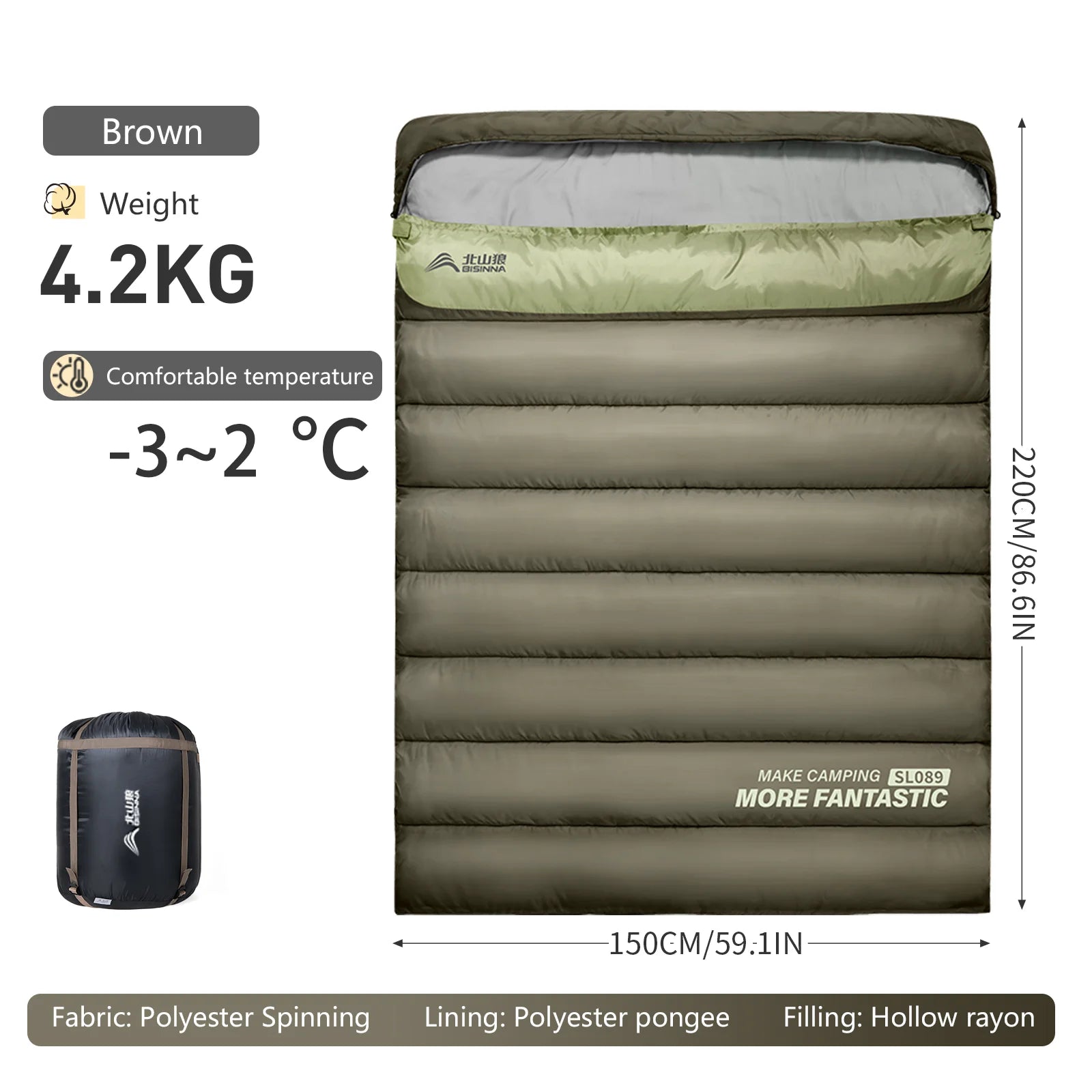
Modern cold-weather camping gear focuses on thermal efficiency rather than bulk alone. Advanced insulation structures, moisture-resistant fabrics, lightweight layering systems, and improved airflow management provide more warmth with less weight and better comfort during overnight outdoor use.
Older camping setups often relied on massive blankets and heavy materials that trapped moisture and compressed easily.
Benefits of newer sleep systems
- Better warmth-to-weight ratios
- Faster drying materials
- Improved moisture resistance
- Smaller packed size
- Enhanced ventilation balance
- More efficient body heat retention
Campers upgrading from basic gear frequently report deeper sleep, fewer overnight wakeups, and less morning fatigue after switching to layered insulation systems.
For extended trips, many campers combine Outdoor Comfort & Recovery with Insulated Food Containers to maintain both warmth and recovery during cold-weather adventures.
💡 See it in action
Common Mistakes
Related Articles:
- Best Backpacking Sleeping Bag Lightweight: Materials That Cut Weight & Boost Warmth
- Person Sleeping Bag 0 Degree: Why Zero-Degree Ratings Matter In Cold
Pillar Articles:





