

How To Stay Warm Winter Camping: Simple Steps For Warm Nights Outdoors
How can you stay warm while winter camping?
how to stay warm winter camping involves building a complete warmth system: insulating from the ground, layering clothing properly, blocking wind, and using a high-performance sleep setup. The key is trapping body heat while preventing moisture buildup, which is the main cause of nighttime cold in winter conditions.
What are the simplest steps to stay warm winter camping?
- Layer clothing to trap heat and manage moisture.
- Insulate the ground to prevent heat loss while sleeping.
- Use a properly rated sleeping system for cold weather.
- Block wind and seal tent gaps for warmth retention.
- Eat and hydrate before sleep to fuel body heat production.
How To Stay Warm Winter Camping: Simple Steps For Warm Nights Outdoors
⏱ 10–12 min read
Learning how to stay warm winter camping can turn freezing, sleepless nights into surprisingly comfortable outdoor experiences. If you’ve ever asked yourself why your gear feels fine at home but fails in the cold wilderness, you’re not alone. What gear actually makes camping easier when temperatures drop suddenly overnight?
Small upgrades can completely change your cold-weather experience and help you stay warm all night outdoors.
Why Staying Warm in Winter Camping Feels So Difficult
Winter camping challenges most campers because heat loss happens faster than expected through ground contact, wind exposure, and moisture buildup. Even high-quality gear fails if the system is incomplete. Learning how to stay warm camping nights requires combining insulation, clothing strategy, and smart campsite setup instead of relying on a single product.
Most beginners underestimate how quickly body heat escapes when lying still. Add wind or damp air, and your sleeping system may feel “not warm enough winter” even if it’s rated for low temperatures. That’s why understanding heat retention is more important than buying expensive gear alone.
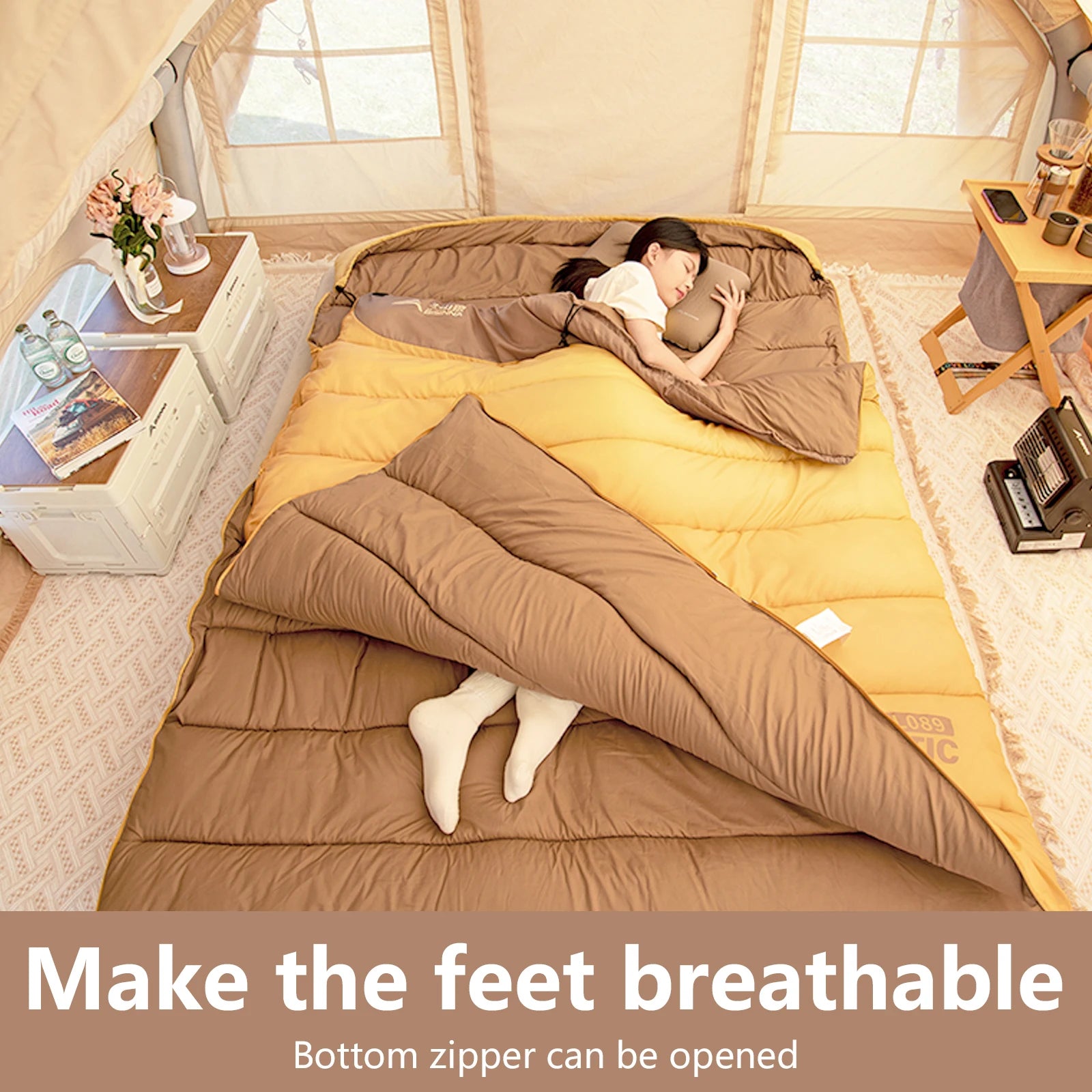
💡 See it in action
Core Principles of Staying Warm Outdoors
Camping insulation tips for cold weather always start with three principles: insulation, wind protection, and moisture control. These determine whether your body heat stays trapped or escapes into the environment during the night.
- Insulation: Prevent heat loss to the ground and air
- Wind control: Reduce convection heat loss inside the tent
- Moisture management: Keep sweat and condensation under control
- Energy balance: Eat enough calories to produce body heat
Many campers only focus on insulation but forget moisture control. Wet clothing or condensation inside the tent can drop perceived temperature dramatically. Combining all three principles is essential for reliable warmth.
Understanding how each layer and material works helps you avoid common cold-weather mistakes before your next trip.
Sleeping System Optimization for Cold Nights
how to stay warm winter camping depends heavily on your sleeping system. Even the best tent won’t help if your sleeping bag and pad are not designed for cold temperatures. A layered sleep system traps heat efficiently and reduces heat loss from the ground.
When your sleeping bag feels not warm enough winter conditions, the issue is often missing insulation underneath or poor fit, not just temperature rating. Adding a quality sleeping pad can dramatically improve warmth.
Key improvements for sleeping comfort
- Use insulated sleeping pads for ground separation
- Choose a mummy-style sleeping bag for heat retention
- Wear dry base layers inside your sleeping bag
- Avoid breathing directly into your bag (moisture buildup)
Explore reliable cold-weather options in Sleeping Bags & Sleeping Pads to build a proper sleep system for freezing nights.
Ways to Improve Tent Warmth Retention
Ways to improve tent warmth retention often involve reducing airflow and adding insulating layers. A tent alone does not generate heat, but it can trap body warmth effectively when set up correctly.
Position your tent to block wind naturally using trees, rocks, or terrain. Reduce ventilation slightly at night but avoid sealing it completely to prevent condensation buildup.
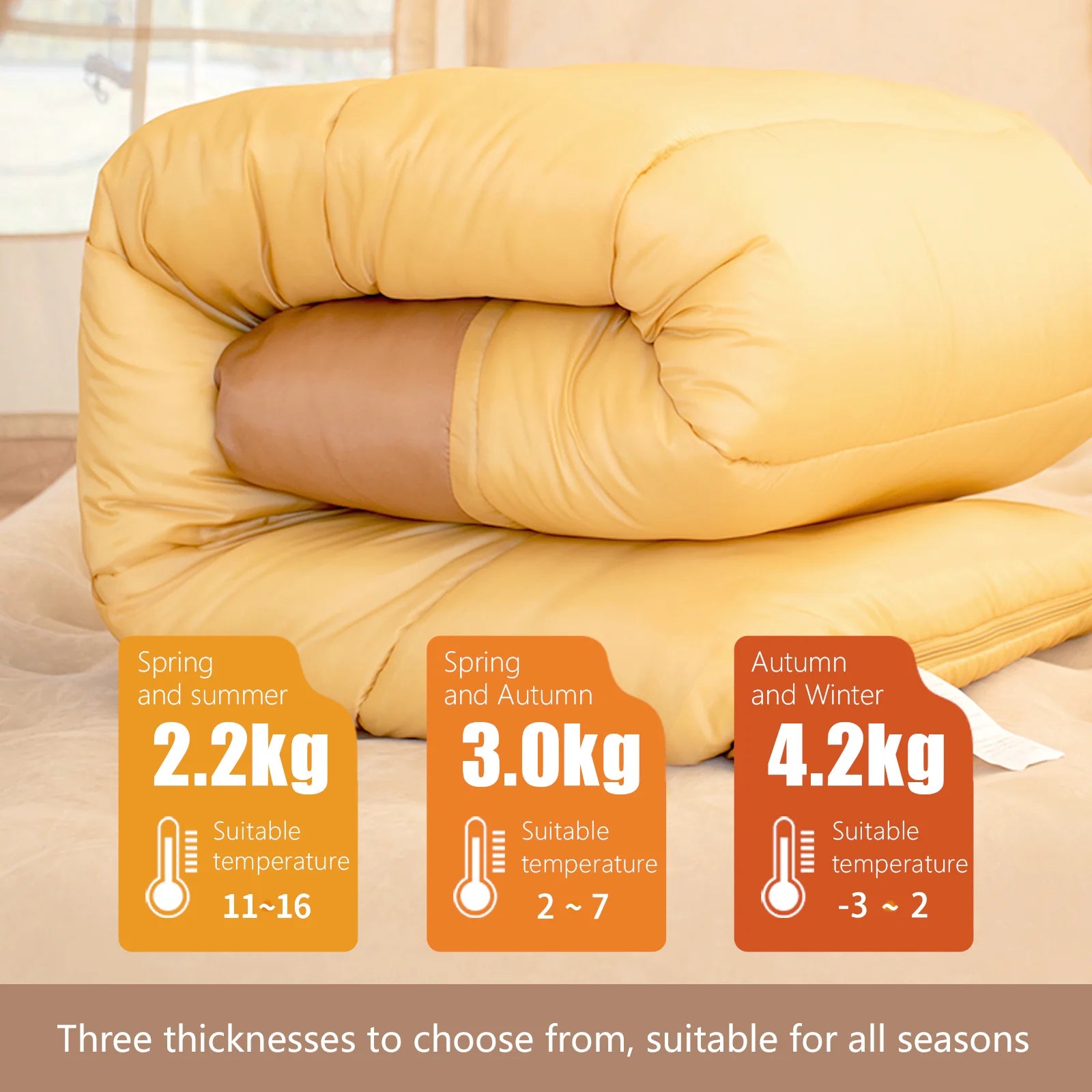
💡 See it in action
Practical tent warmth improvements
- Add a ground tarp under the tent
- Use a tent liner or extra fabric layer inside
- Keep gear inside to reduce empty air space
- Close gaps during wind exposure periods
Check durable shelter options in Camping Tents & Shelter to improve structural warmth retention in harsh environments.
Layering Strategy for Cold Weather Comfort
Cold weather comfort depends on how your clothing layers work together. Instead of wearing one heavy jacket, multiple thin layers trap heat more efficiently and allow moisture to escape.
- Base layer: Moisture-wicking thermal fabric
- Mid layer: Insulation (fleece or wool)
- Outer layer: Wind and water protection
Always keep one dry set of clothes reserved for sleeping. Even slight dampness reduces insulation performance and makes nights feel much colder than expected.
Ground Insulation: The Most Overlooked Warmth Factor
Ground contact is one of the biggest sources of heat loss during winter camping. Even with a good sleeping bag, cold ground can pull heat away from your body quickly.
Using foam mats, insulated pads, or layered blankets creates a thermal barrier that keeps warmth from escaping downward. This simple adjustment often makes the biggest difference in comfort.
- Double-layer sleeping pads for extreme cold
- Foam mats under inflatable pads
- Dry grass or natural insulation beneath tent base
Night Routines That Help You Stay Warm
Your pre-sleep habits strongly affect nighttime warmth. Eating a warm meal, hydrating properly, and doing light movement before bed all help your body generate heat naturally.
Avoid sleeping immediately after intense sweating. Let your body cool slightly and change into dry clothing before entering your sleeping system.
Upgrade your sleeping and insulation setup to avoid cold, restless nights during your next winter adventure.
Emergency Warmth Hacks for Freezing Nights
If temperatures drop unexpectedly, quick adjustments can prevent discomfort or even safety risks. Emergency warmth techniques help you retain heat when conditions worsen suddenly.
- Use extra clothing as improvised insulation layers
- Fill bottles with warm water for heat packs
- Cluster gear around sleeping area to trap heat
- Move inside wind-protected areas of the tent
Always carry basic survival essentials from Safety, Survival & Emergency to handle sudden weather changes effectively.
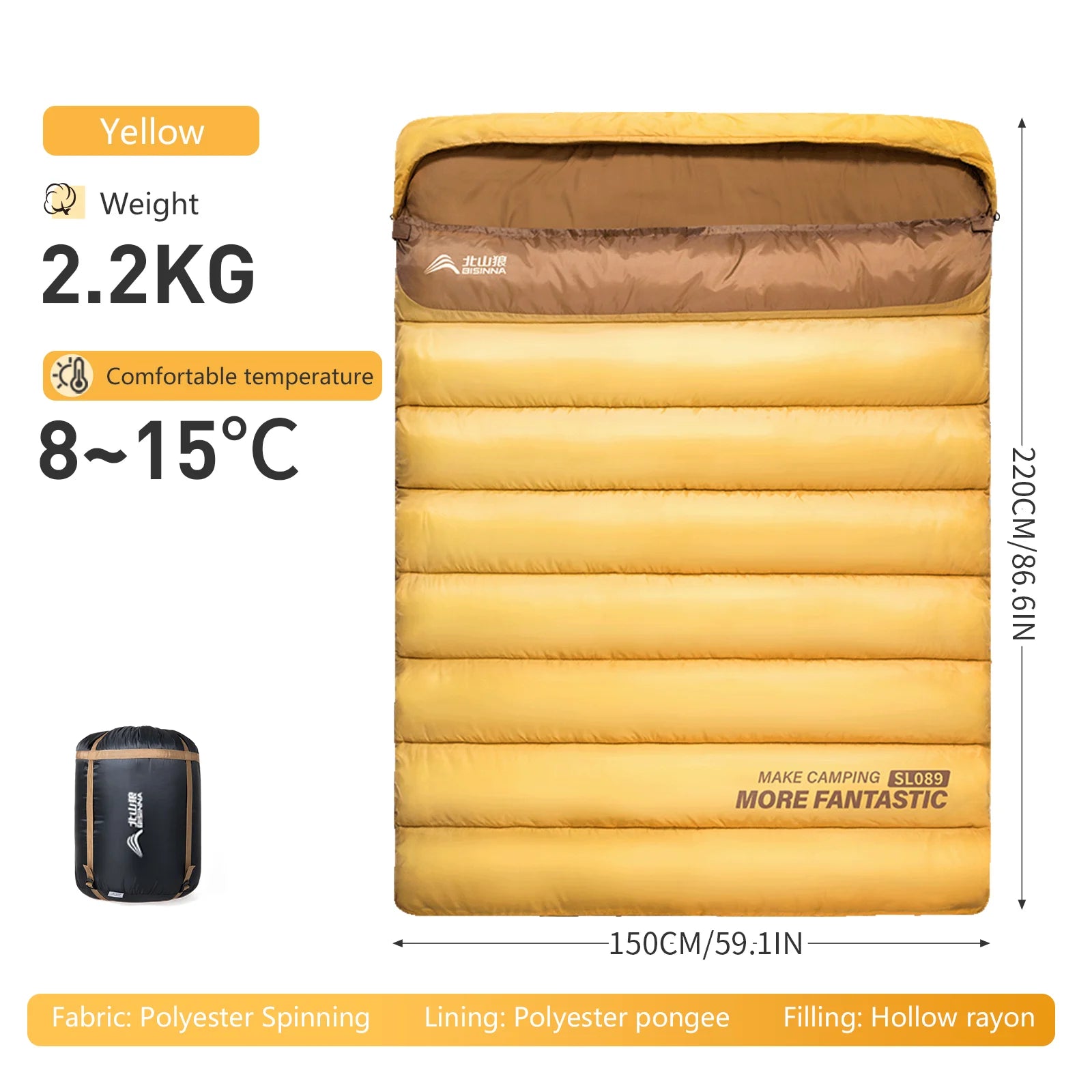
💡 See it in action
Winter Camping Warmth Checklist
| Category | Essential Item | Purpose |
|---|---|---|
| Sleeping | Insulated sleeping pad | Prevents ground heat loss |
| Shelter | Wind-resistant tent | Blocks cold air infiltration |
| Clothing | Layered thermal system | Traps and regulates body heat |
| Accessories | Warm hat & gloves | Reduces extremity heat loss |
What to Do When Your Sleeping Bag Isn’t Warm Enough
Sleeping bag not warm enough winter conditions is a common issue caused by poor insulation underneath, moisture buildup, or incorrect temperature rating. Instead of replacing your bag immediately, improve your setup first.
- Add insulating sleeping pad underneath
- Wear dry thermal base layers
- Use a liner to boost warmth rating
- Seal tent drafts without blocking ventilation
Upgrading your sleep setup through Sleeping Bags & Sleeping Pads often solves the problem without requiring a full gear replacement.
Staying Warm in Group or Family Camping
Group camping creates opportunities for shared warmth strategies. Sharing enclosed spaces or clustering tents in wind-protected areas improves overall heat retention for everyone involved.
Families often benefit from shared insulated mats and communal warm food routines before bedtime, which help maintain consistent body temperature across all campers.
Final Thoughts on Staying Warm in Winter Camping
Mastering how to stay warm winter camping is less about extreme gear and more about system thinking. When insulation, layering, and campsite setup work together, cold nights become manageable and even enjoyable. Small adjustments often create the biggest difference in comfort and safety outdoors.
FAQ: Winter Camping Warmth
Q: Why do I still feel cold even with a warm sleeping bag?
A: Ground insulation is likely missing. Without a proper pad, body heat escapes downward quickly, reducing overall warmth.
Q: What is the fastest way to warm up inside a tent?
A: Add dry layers, eat a small snack, and reduce airflow slightly while maintaining safe ventilation.
Q: How do I prevent moisture buildup in my sleeping bag?
A: Avoid breathing inside the bag and always change into dry clothing before sleeping.
Q: Do tents really keep you warm?
A: Tents trap body heat but do not generate warmth. Proper setup and insulation determine effectiveness.
Related Articles:
- How To Repack A Sleeping Bag: Quick Steps To Save Space
- Cold Weather Camping Tips: How To Stay Warm All Night Outdoors
- Portable Sleeping Bags: How To Use Them For Hassle-Free Camping
- How To Pack Sleeping Bag: Compact Method For Easy Backpacking
Pillar Articles:





