

Camping Quilt Vs Sleeping Bag: Which Fits Your Camping Style?
Camping Quilt Vs Sleeping Bag: Which Fits Your Camping Style?
⏱ 9 min read
Is a camping quilt better than a sleeping bag?
Choosing between a camping quilt vs sleeping bag depends on your camping style, temperature needs, and comfort preferences. Quilts are lighter and more flexible for backpackers, while sleeping bags offer better insulation and warmth for cold-weather camping. Understanding sleeping bag temperature ratings explained and proper camping insulation tips for cold weather helps campers stay comfortable all year.
| Feature | Camping Quilt | Sleeping Bag |
|---|---|---|
| Weight | Lightweight | Heavier |
| Warmth | Moderate | Excellent |
| Mobility | High | Limited |
| Cold Weather Use | Best with layering | Ideal for winter trips |
| Best For | Backpacking | Car camping & winter camping |
Cold nights outdoors can quickly turn an exciting trip into a miserable experience. Whether you’re backpacking through mountain trails or relaxing at a lakeside campsite, your sleep setup matters more than most campers realize. What gear actually makes camping easier? Understanding the real differences between a camping quilt vs sleeping bag can help you sleep warmer, pack lighter, and enjoy every trip with less stress.
👉 Discover must-have camping gear for every season before your next outdoor adventure.
💡 See it in action
Why Your Sleep System Choice Matters
Your sleeping setup affects far more than comfort. Poor insulation can lead to restless sleep, fatigue, and even dangerous exposure during colder trips.
Many campers assume thicker gear automatically means better warmth. In reality, efficient insulation, moisture control, and proper layering matter far more.
Experienced campers often combine gear from Blankets & Sleeping Comfort with insulated pads and weather protection systems for a more adaptable setup.
- Sleeping bags trap body heat efficiently
- Quilts reduce weight and save packing space
- Cold-weather camping requires insulation beneath your body
- Ventilation becomes critical during humid nights
Camping Quilt Vs Sleeping Bag Side-by-Side
In the camping quilt vs sleeping bag debate, quilts excel for lightweight backpacking and freedom of movement, while sleeping bags deliver superior heat retention for cold-weather camping. Campers who prioritize warmth, protection from drafts, and reliable insulation typically prefer sleeping bags for year-round outdoor adventures.
Why Quilts Appeal to Backpackers
Camping quilts have become increasingly popular among hikers who count every ounce in their backpack.
Without full zippers or bulky underside insulation, quilts pack down smaller and weigh less. Many backpackers pair them with gear from Compression & Packing Bags to maximize storage space.
Benefits of Camping Quilts
- Lightweight and compact
- Easy ventilation during warm nights
- Greater freedom to move while sleeping
- Ideal for minimalist backpacking setups
Where Sleeping Bags Perform Better
Sleeping bags create a sealed cocoon around the body, reducing heat loss in windy or freezing conditions.
This is especially important for winter camping, alpine trips, or unpredictable weather. Campers using Weather Protection & Environment gear often rely on winter-rated sleeping bags for dependable warmth.
| Camping Scenario | Recommended Option |
|---|---|
| Summer backpacking | Camping Quilt |
| Winter camping | Sleeping Bag |
| Car camping | Sleeping Bag |
| Ultralight hiking | Camping Quilt |
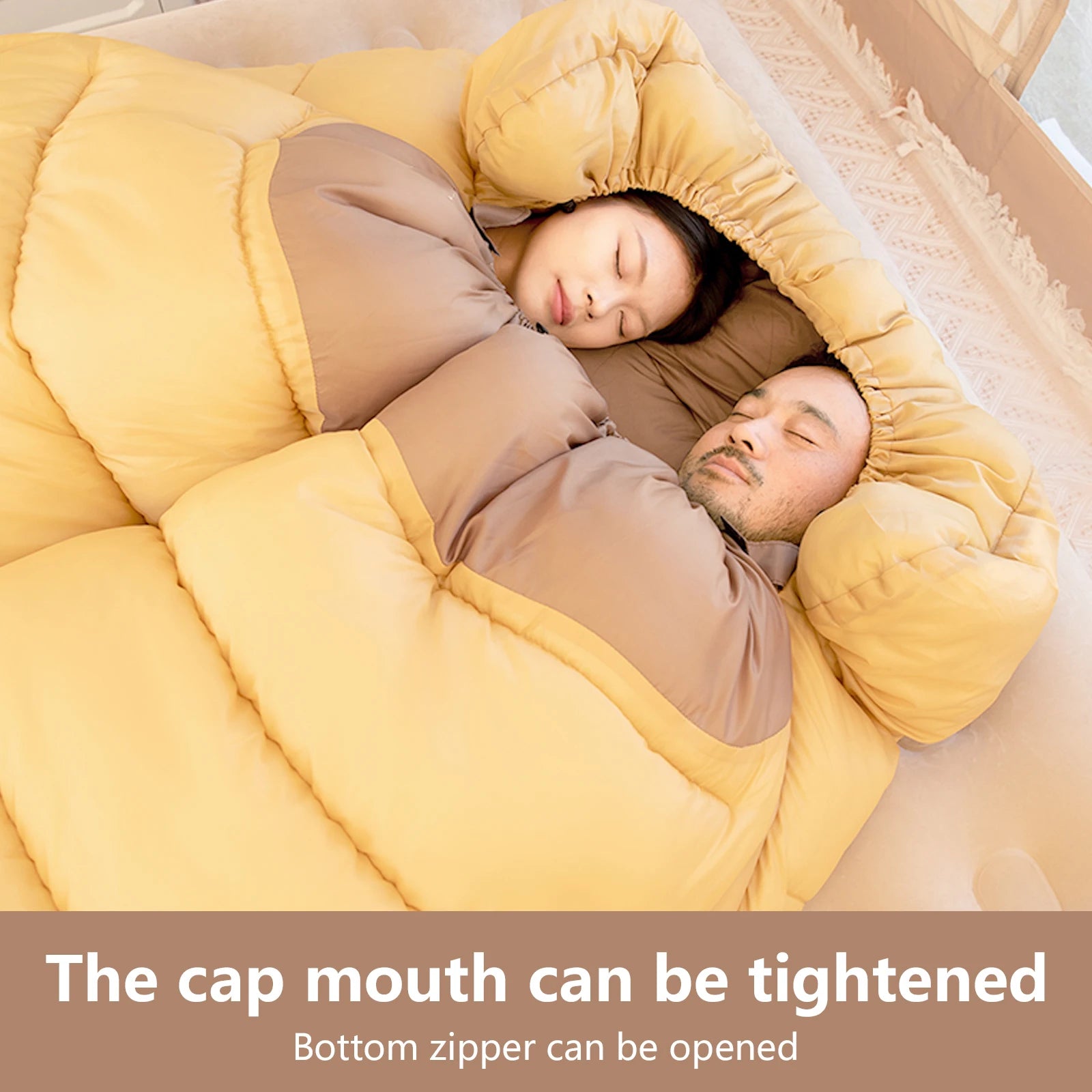
| Family camping trips | Two-person sleeping bag |
One Colorado camper shared that switching from a lightweight quilt to a four season sleeping bag improved sleep quality dramatically during unexpected 28°F mountain nights.
👉 Learn how to choose the right hiking gear for changing weather conditions.
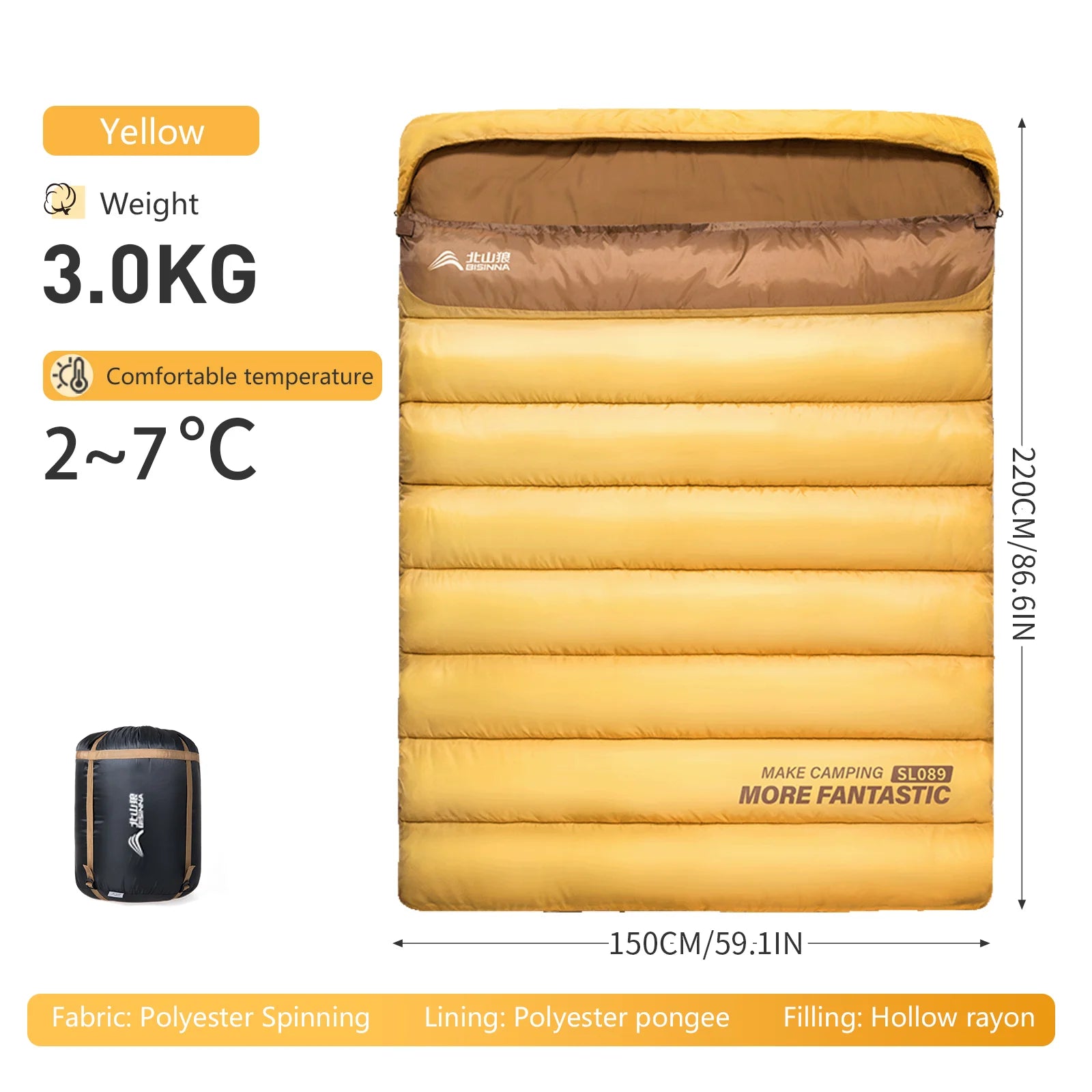
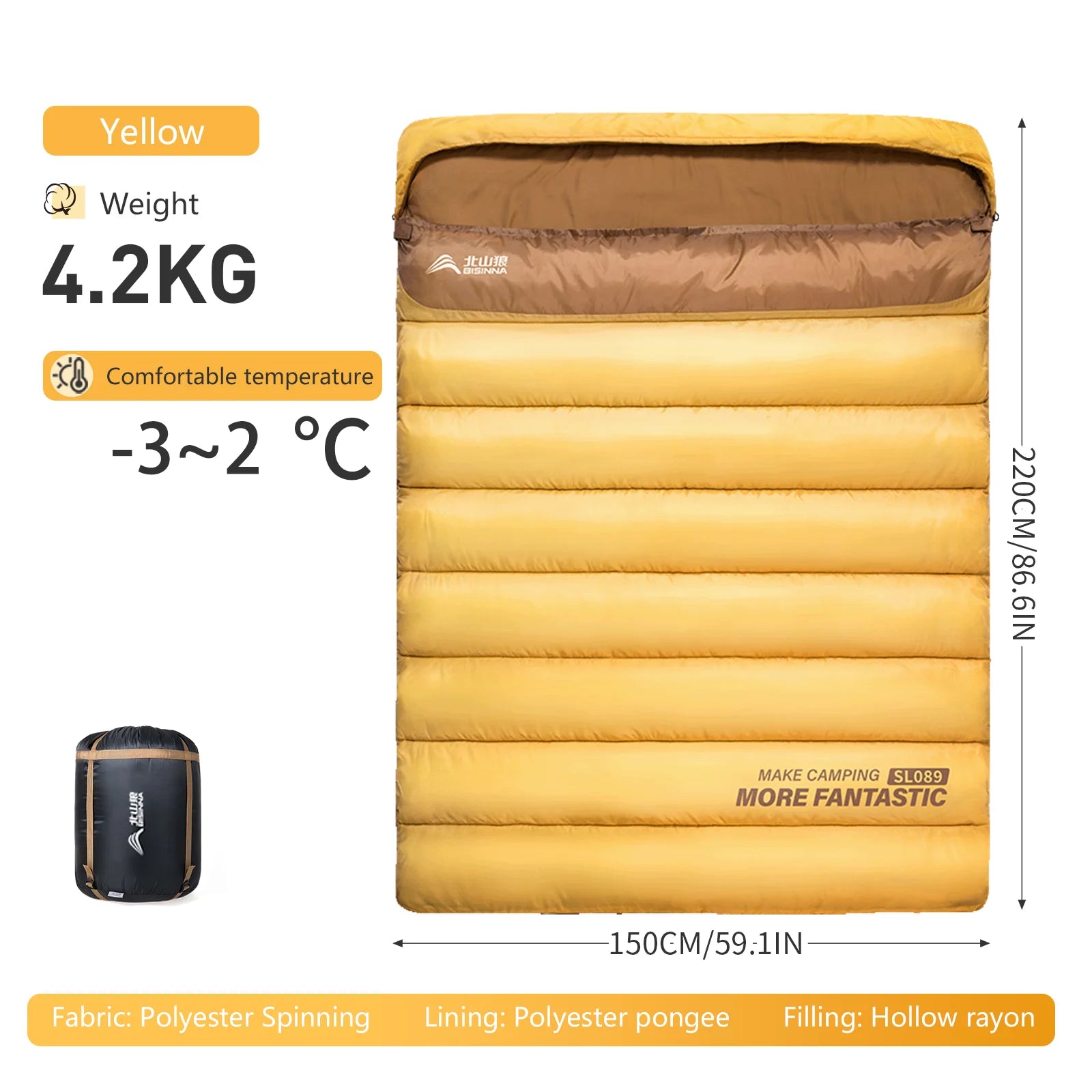
Backpacking & Carry | Lightweight Daypacks | 2 Person Camping Sleeping Bag Warm All Season
Sleeping Bag Temperature Ratings Explained
Sleeping bag temperature ratings explained simply: ratings estimate the lowest temperature where an average camper can stay warm safely. Comfort ratings matter more than survival ratings because real-world factors like humidity, wind, clothing, and sleeping pads significantly affect warmth during outdoor nights.
Many first-time campers misunderstand sleeping bag labels. A “20-degree” sleeping bag does not guarantee comfort at 20°F.
Understanding Comfort vs Survival Ratings
- Comfort Rating: Comfortable sleep temperature
- Lower Limit: Cold but manageable for experienced users
- Extreme Rating: Survival only, not comfort
Cold sleepers should usually choose bags rated 10–15 degrees lower than expected nighttime temperatures.
Adding items from Wind & Cold Protection can also dramatically improve overnight warmth.
How Sleeping Pads Affect Warmth
Even the best sleeping bag fails without insulation underneath your body.
Ground temperatures pull heat rapidly from campers sleeping directly on thin pads. This is why many experienced hikers combine insulated sleeping systems with Ground Sheets & Tarps for better thermal protection.
💡 See it in action
Camping Insulation Tips for Cold Weather
Learning how to stay warm camping nights often matters more than buying expensive gear. Smart layering, dry clothing, proper shelter setup, and heat-retaining sleep systems create safer and more comfortable cold-weather camping experiences.
- Use insulated sleeping pads with high R-values
- Keep clothing dry before bedtime
- Wear thermal socks and base layers
- Block wind exposure around your shelter
- Eat calorie-rich meals before sleep
Layering Strategies That Actually Work
Overdressing inside your sleeping bag can trap sweat and reduce insulation efficiency.
Instead, focus on moisture-wicking layers and warm extremities. Campers often keep backup clothing inside Waterproof & Dry Bags to prevent moisture buildup during rainy trips.
Simple Tricks to Stay Warm Camping Nights
- Fill a bottle with warm water before bed
- Use a beanie to reduce heat loss
- Avoid sleeping directly against tent walls
- Ventilate slightly to reduce condensation
Families camping in colder regions frequently pair winter-rated bags with accessories from Inflatable Pillows and Blankets & Sleeping Comfort for added coziness.
Which Option Fits Your Camping Style?
The best choice depends on how, where, and when you camp.
Best for Backpackers
If your priority is reducing pack weight, quilts usually win. Ultralight hikers appreciate the flexibility and ventilation during long-distance trips.
Combining a quilt with Lightweight Daypacks and compact shelter systems creates a highly mobile setup.
Best for Car Campers
Car campers often prioritize comfort over weight savings.
An all season sleeping bag or winter rated two person sleeping bag provides extra space and warmth for roadside camping, national park visits, and family adventures.
Many campers also use Car Camping Accessories and Folding Chairs & Tables to build more comfortable campsites.
Best for Cold Weather Adventures
For snow camping, alpine trips, or late-fall expeditions, insulated sleeping bags remain the safest option.
The enclosed design prevents heat escape better than quilts in windy conditions.
| Camping Style | Recommended Sleep Setup |
|---|---|
| Weekend family camping | All season sleeping bag |
| Long-distance hiking | Camping quilt |
| Snow camping | Four season sleeping bag |
| Road trips | Two-person sleeping bag |
👉 Get yours now before your next trip!
Mistakes That Make Campers Cold at Night
Ignoring Moisture Management
Wet clothing and condensation rapidly reduce insulation performance.
Many campers carry backup socks, gloves, and layers using Gear Organizers & Pouches for easier nighttime access.
Choosing the Wrong Shelter
Wind exposure dramatically affects perceived temperature.
Pairing insulated sleep systems with durable shelters from Camping Tents & Shelter improves warmth and weather protection.
Skipping Nutrition and Hydration
Your body needs fuel to generate heat overnight.
Warm meals prepared with gear from Camping Stoves & Cooking and hydration systems from Hydration & Food help maintain body temperature during cold nights.
💡 See it in action
Essential Gear Checklist for Warm Nights
- Insulated sleeping bag or camping quilt
- High R-value sleeping pad
- Thermal base layers
- Dry socks and gloves
- Wind-resistant shelter
- Portable lighting from Tent & Camping Lanterns
- Backup warmth layers from Wind & Cold Protection
- Emergency gear from Safety, Survival & Emergency
Final Thoughts on Camping Quilt Vs Sleeping Bag
There is no single perfect answer in the camping quilt vs sleeping bag debate.
Quilts offer flexibility, ventilation, and lighter packing for warm-weather backpacking. Sleeping bags deliver superior insulation, better draft protection, and more dependable warmth during cold nights.
The smartest campers build sleep systems around their environment, personal comfort preferences, and seasonal conditions rather than following trends alone.
If staying warm camping nights matters most, investing in an all season sleeping bag often provides the most versatile long-term solution for family camping, car camping, and unpredictable weather.
Camping Quilt Vs Sleeping Bag FAQ
Are camping quilts warm enough for winter?
Camping quilts can work in winter when paired with insulated pads and proper layering, but sleeping bags usually provide better heat retention in freezing temperatures.
Why do sleeping bags feel warmer than quilts?
Sleeping bags fully surround the body and reduce drafts, helping trap warm air more effectively during cold weather camping.
What temperature rating should I choose?
Choose a sleeping bag rated at least 10–15 degrees colder than expected nighttime temperatures for more comfortable sleep.
How do I stay warm camping nights without bulky layers?
Use insulated sleeping pads, moisture-wicking clothing, wind protection, and proper shelter setup instead of relying only on heavy clothing.
Are two-person sleeping bags good for couples?
Yes. Winter rated two person sleeping bags help couples share body heat and create a more comfortable camping experience during colder trips.
Pillar Article: Good Camping Sleeping Bags: Best Picks Compared For Warmth & Comfort
Other Related Articles:
- Double Sleeping Bag For Couples: Best Picks For Cozy Shared Sleep
- Water Resistant Sleeping Bags: Best Models For Wet Weather Camping
- All Season Sleeping Bag: Top Options Compared For Year-Round Use
- Backpacking Sleeping Bag Vs Quilt: Which Is Warmer & Lighter?
Explore More:





