

Static Rope Vs Dynamic Rope: Which One Is Safer For You?
What is Climbing Safety Equipment and Why Is It Important?
Climbing safety equipment refers to all essential gear designed to protect climbers from falls, impact, and rope failure during outdoor or indoor climbing activities. Climbing safety equipment includes ropes, harnesses, helmets, and anchors that work together to reduce injury risk. Using the right gear—especially for beginners and families—helps prevent accidents with weak climbing ropes and improves overall outdoor safety.
Climbing Safety Equipment: Top Gear Compared For Beginners
Choosing the right climbing safety equipment can feel confusing when every rope, harness, and helmet claims to be “the safest.” If you’ve ever wondered whether your gear is truly reliable for family outings, beginner climbs, or camping adventures, you’re not alone. What gear actually keeps you safe when conditions change unexpectedly outdoors?
💡 See it in action
Understanding Climbing Safety Equipment for Beginners
Climbing safety equipment includes essential protective tools such as ropes, helmets, carabiners, and harnesses that help reduce injury risk during climbing activities. For beginners, the goal is not just performance but safety under unpredictable outdoor conditions. Choosing reliable gear ensures stability, better control, and protection for both adults and children.
- Helmets protect against falling debris and accidental impacts
- Harnesses distribute weight safely during falls or climbs
- Ropes act as the primary fall arrest system
- Carabiners secure connection points between gear components
Static Rope vs Dynamic Rope Comparison for Family Safety
Understanding dynamic vs static rope is critical for selecting the right climbing safety equipment. Each type serves a different purpose depending on activity intensity, fall risk, and user experience level. Families and beginners should pay close attention to how rope elasticity impacts safety outcomes.
| Feature | Static Rope | Dynamic Rope |
|---|---|---|
| Stretch | Minimal stretch | High elasticity |
| Best Use | Rappelling, hauling, camping setups | Lead climbing, fall absorption |
| Safety Role | Stable load support | Shock absorption during falls |
| Beginner Friendly | Yes (controlled environments) | Yes (climbing scenarios) |
Static Rope Advantages and Limitations
Static ropes are ideal for controlled movement, camping setups, and rescue scenarios. They are highly stable and reduce bounce, which is useful when carrying loads. However, they are not designed to absorb dynamic fall impact, making them less suitable for lead climbing situations.
Dynamic Rope Advantages and Limitations
Dynamic ropes stretch under load, reducing impact force during a fall. This makes them essential for climbing where falls are possible. However, their elasticity makes them less ideal for hauling heavy gear or fixed support setups.
High Strength Climbing Rope for Beginners: What to Look For
High strength climbing rope for beginners should offer durability, controlled flexibility, and reliable load support. Beginners often underestimate rope quality, but weak ropes can lead to serious risks in outdoor environments. A strong rope ensures safety during climbing, camping setups, and emergency situations.
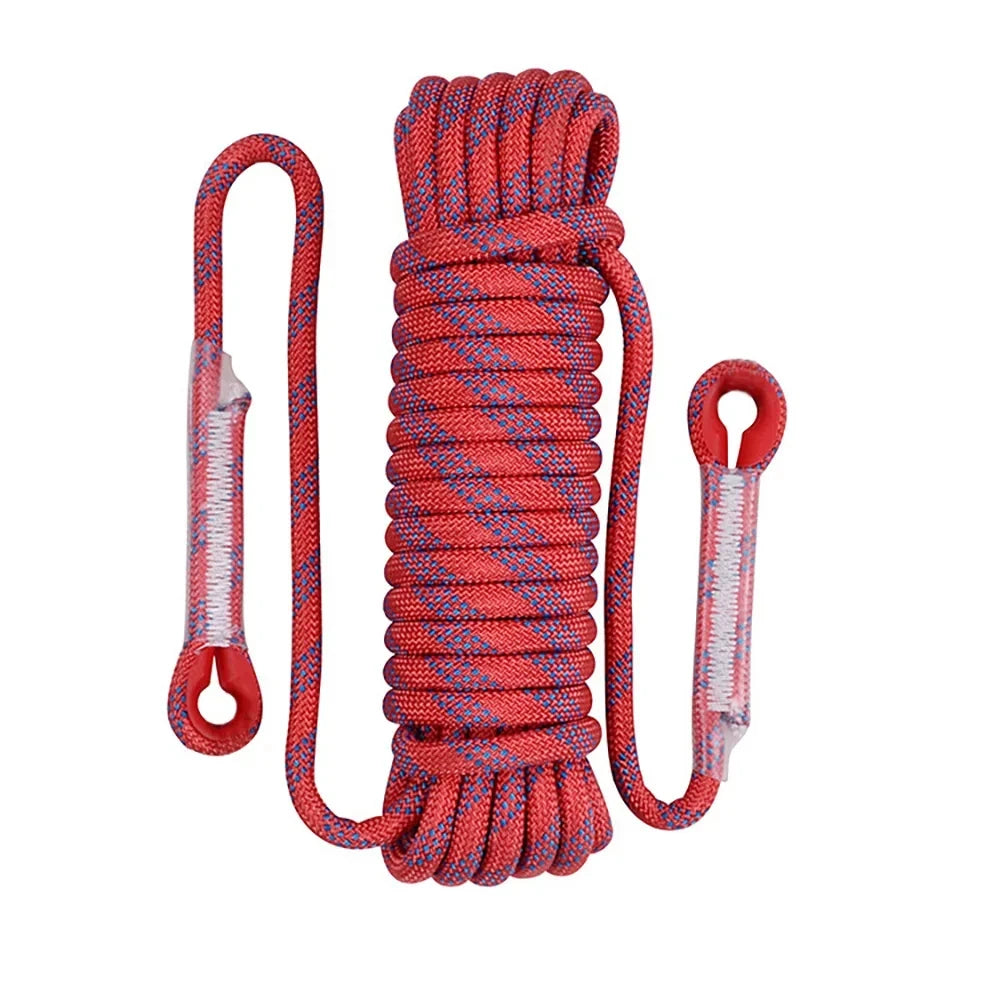
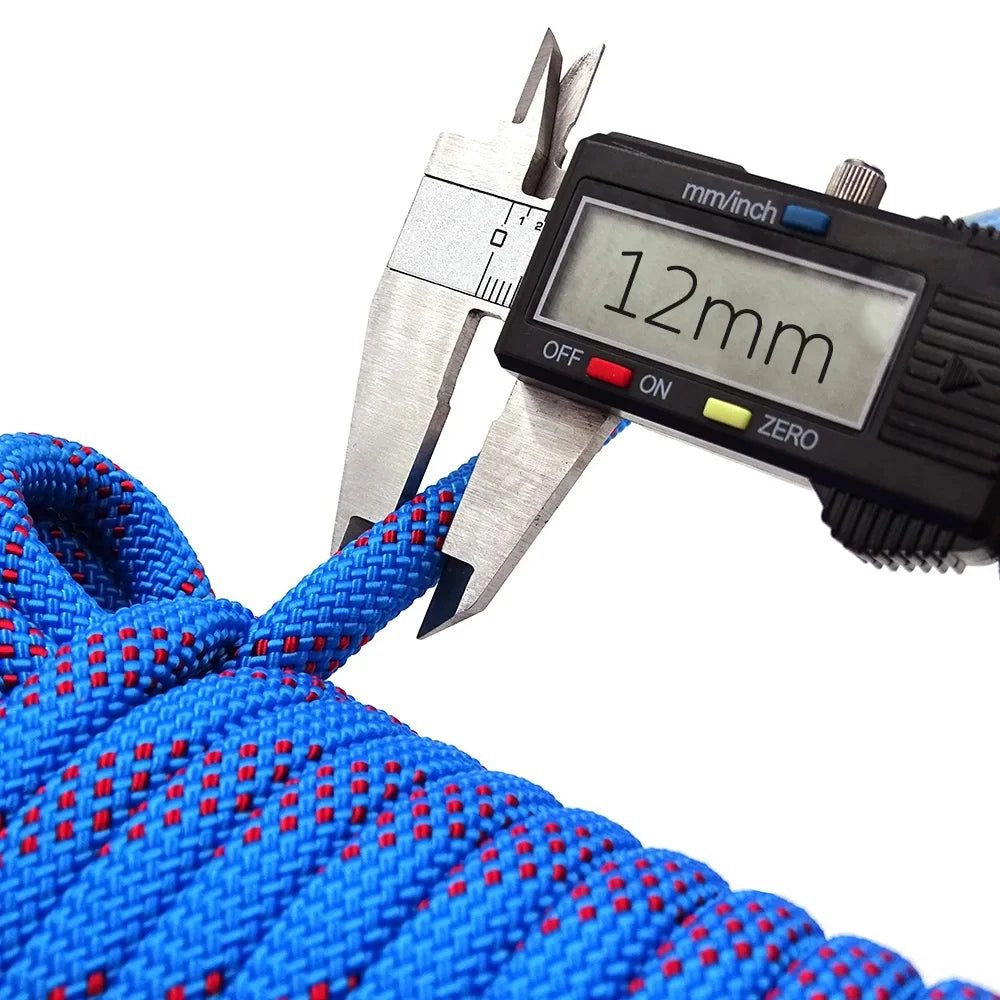
For dependable performance, consider reinforced static ropes like the 12mm Safety Rope Climbing Emergency, designed for outdoor reliability and beginner-friendly handling.
Guide to Child Safe Climbing Equipment Basics
A proper guide to child safe climbing equipment basics focuses on protection, supervision, and simplified gear systems. Children require lightweight, secure, and easy-to-use equipment that reduces risk while allowing safe outdoor exploration.
- Use helmets with adjustable straps for secure fit
- Choose low-stretch ropes for controlled movement environments
- Always supervise climbing activities closely
- Use padded harness systems for comfort and safety
Preventing Accidents with Weak Climbing Ropes
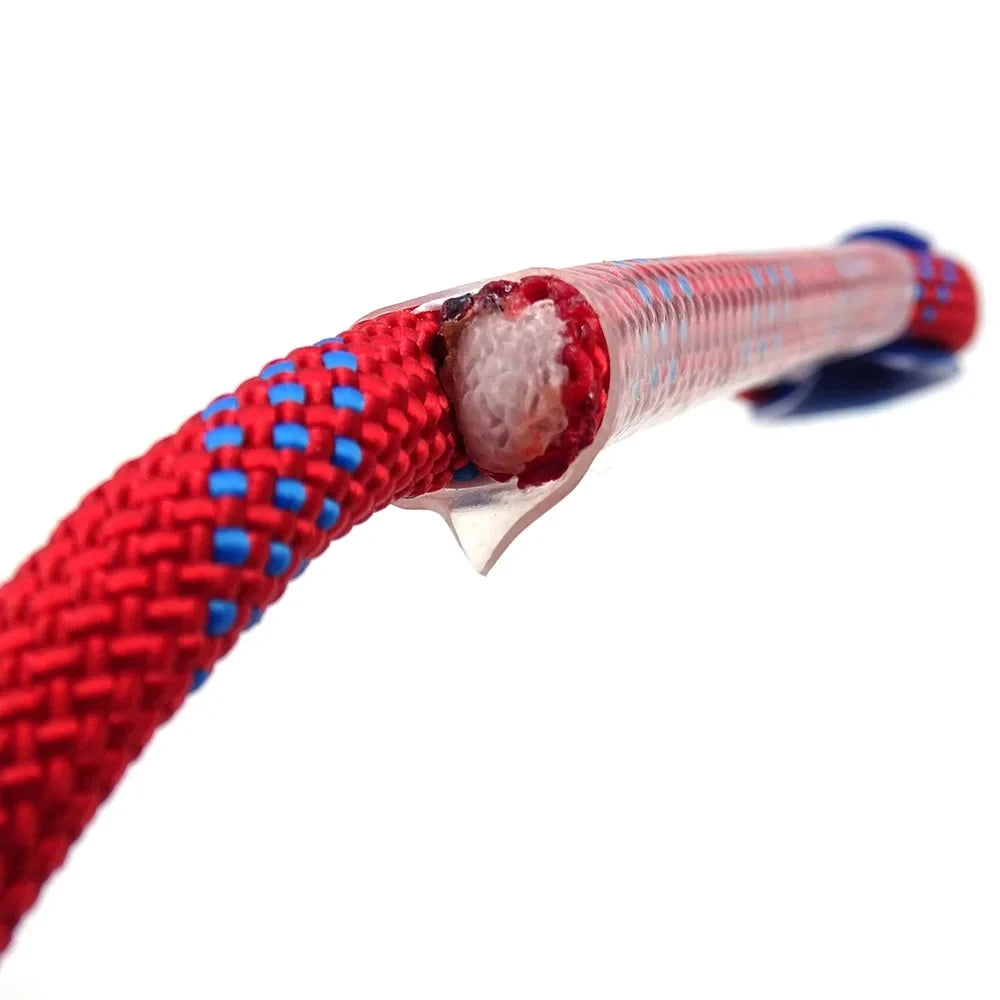
Weak climbing ropes are one of the most overlooked risks in outdoor safety. Preventing accidents with weak climbing ropes starts with understanding wear signs, load limits, and environmental damage such as UV exposure or fraying.
- Inspect ropes before every use for cuts or abrasions
- Avoid using ropes past their recommended lifespan
- Store ropes in dry, shaded environments
- Never exceed load capacity ratings
Choosing reliable equipment significantly reduces failure risks during climbing or camping activities.
💡 See it in action
Top Rated Safety Ropes for Camping Families
Families need ropes that balance strength, usability, and versatility. Top rated safety ropes for camping families are typically static ropes with reinforced cores designed for outdoor durability and multi-use scenarios.
- Strong load-bearing capacity for group setups
- Weather-resistant materials for outdoor conditions
- Multi-purpose use for tents, climbing support, and hauling
- Beginner-friendly handling for easy setup
For family camping trips, pairing ropes with essential gear from Camping & Picnic Essentials ensures a safer and more organized outdoor experience.
Improving Outdoor Safety with Kids During Climbing Activities
Improving outdoor safety with kids requires structured preparation and reliable gear systems. Combining supervision with proper safety tools reduces risk and increases confidence during outdoor adventures.
Using certified gear from Safety Gear for Kids helps ensure children stay protected while exploring climbing or camping environments.
- Set clear boundaries for climbing zones
- Use color-coded ropes for easy identification
- Teach basic safety signals and commands
- Start with low-height controlled environments
Essential Climbing Safety Equipment Checklist for Beginners
- Climbing helmet with adjustable fit
- High strength static or dynamic rope
- Secure harness system
- Carabiners and anchor devices
- First aid kit for emergencies
- Protective gloves for grip support
💡 See it in action
FAQ: Climbing Safety Equipment for Beginners
What is the most important climbing safety equipment?
A helmet and rope system are the most critical. They protect against impact and prevent falls during climbing activities.
Should beginners use static or dynamic ropes?
Beginners often use static ropes for controlled setups and dynamic ropes for climbing where falls may occur.
How often should climbing ropes be replaced?
Ropes should be replaced when they show wear, after heavy use, or typically every few years depending on usage conditions.
Can climbing safety equipment be used for camping?
Yes, many climbing safety tools like ropes and carabiners are useful for camping setups, securing tents, and hauling gear.
Final Thoughts on Choosing Climbing Safety Equipment
Reliable climbing safety equipment is the foundation of safe outdoor adventures. Whether you're planning a family camping trip or introducing beginners to climbing, choosing the right rope, harness, and protective gear can significantly reduce risk. Prioritize strength, durability, and proper use to ensure every outdoor experience stays safe and enjoyable.
Related Articles:
- Emergency Preparedness Kit For Hurricane: What Should You Compare?
- Best Emergency Kit For Home: What’S Worth Buying In 2026?
- Nylon Rope Vs Polypropylene Rope: Durability Compared
- Fire Escape Ropes: Which Options Work Best In Emergencies?
- Climbing Safety Equipment: Top Gear Compared For Beginners
Pillar Articles:





