

Climbing Static Rope: How To Use It Safely Step By Step
Does rope climbing for beginners really work?
Rope climbing for beginners builds full-body strength, grip endurance, and coordination using simple equipment at home. With a high strength climbing rope for beginners and proper setup, you can train safely, improve fitness, and even create a fun, controlled activity for kids while boosting outdoor safety skills.
Rope Climbing For Beginners: How To Start Safely At Home
Rope climbing for beginners doesn’t have to feel intimidating when you know exactly where to start and what to use. This guide breaks down everything from choosing a high strength climbing rope for beginners to understanding how strong should climbing rope be for beginners, plus a simple guide to child safe climbing equipment basics. You’ll also discover smart ways to improve outdoor safety with kids while building strength at home—ready to climb with confidence?
⏱ 7 min read
Ever looked at a rope and thought, “Where do I even start?” You’re not alone. Many beginners worry about safety, grip strength, and choosing the right gear. The good news? You don’t need a gym or advanced skills—just the right setup and a clear plan.
👉 Discover must-have climbing gear that makes starting easier and safer
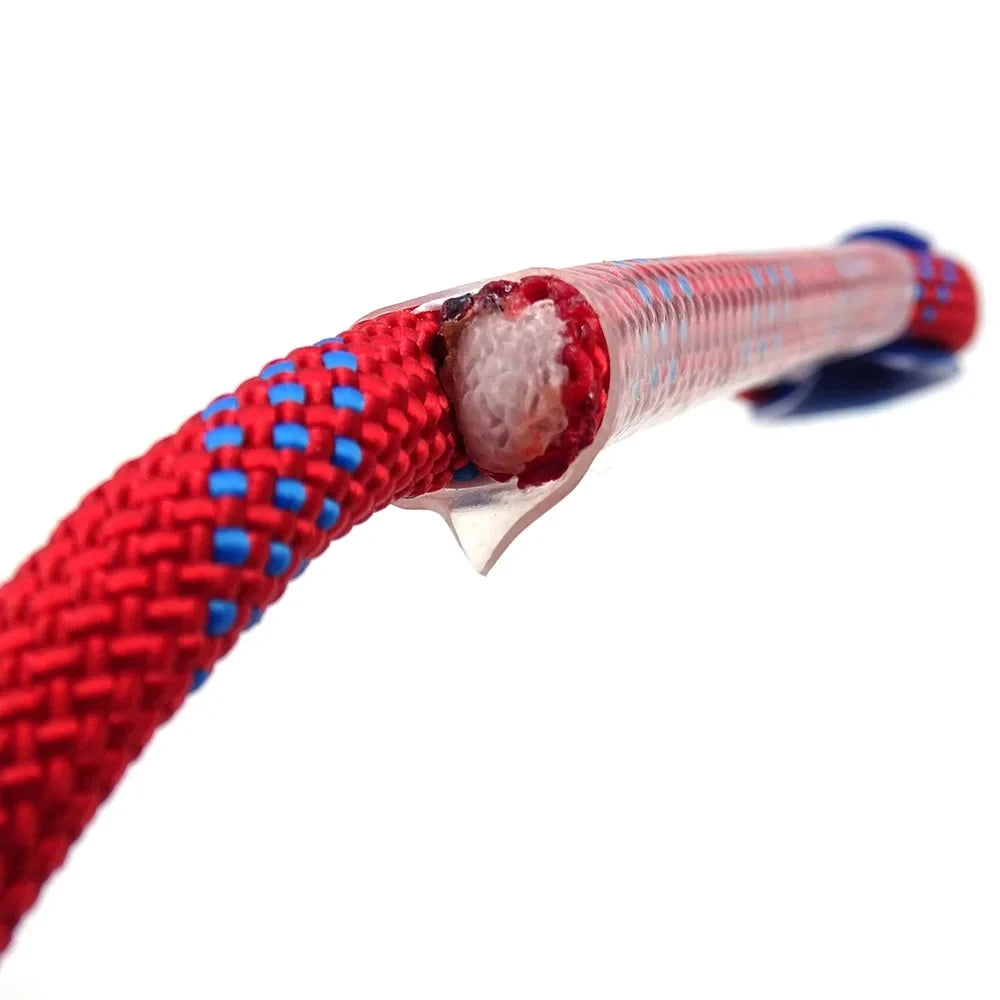
💡 See it in action
How to Start Rope Climbing Safely at Home
Rope climbing for beginners starts with safety, not strength. You don’t need to climb high or fast—focus on controlled movement, proper grip, and secure setup. A stable anchor point and quality rope are essential before you even attempt your first pull.
- Start with low height practice
- Use protective gloves from Gloves & Protective Gear
- Train grip strength gradually
- Always check rope condition before use
How to Choose a High Strength Climbing Rope for Beginners
The most important decision is selecting a high strength climbing rope for beginners. Not all ropes are built the same, and choosing incorrectly can lead to safety risks.
How strong should climbing rope be for beginners?
Beginners should use ropes rated for at least 1,000–1,500 lbs tensile strength. A thicker diameter (10–12mm) offers better grip and durability, making it easier to climb and safer for repeated use at home.
| Feature | Beginner Recommendation |
|---|---|
| Diameter | 10–12mm for better grip |
| Material | Polyester or nylon |
| Strength | Minimum 1,000 lbs |
| Length | 10–20 ft for home use |
For a reliable option, check out this high strength climbing rope for beginners designed for safety and durability.
How to Set Up a Safe Home Climbing Area
A proper setup removes most beginner risks. Whether indoors or outdoors, stability matters more than height.
- Choose a strong anchor point (beam, tree, or mount)
- Use secure clips from Hooks, Clips & Carabiners
- Add padding or mats below
- Keep area clear of obstacles
For added safety, keep a First Aid Kits nearby during practice.
👉 Learn how to choose the right climbing setup for your home
Step-by-Step Rope Climbing for Beginners
Follow this simple progression to build strength and confidence safely.
- Grip the rope firmly – Use both hands, keep thumbs wrapped
- Engage your core – Avoid swinging or overreaching
- Use your legs – Pinch the rope between feet for support
- Pull and step – Move hands and feet together
- Descend slowly – Control your speed to avoid burns
Pair your training with Resistance Bands to improve upper body strength faster.
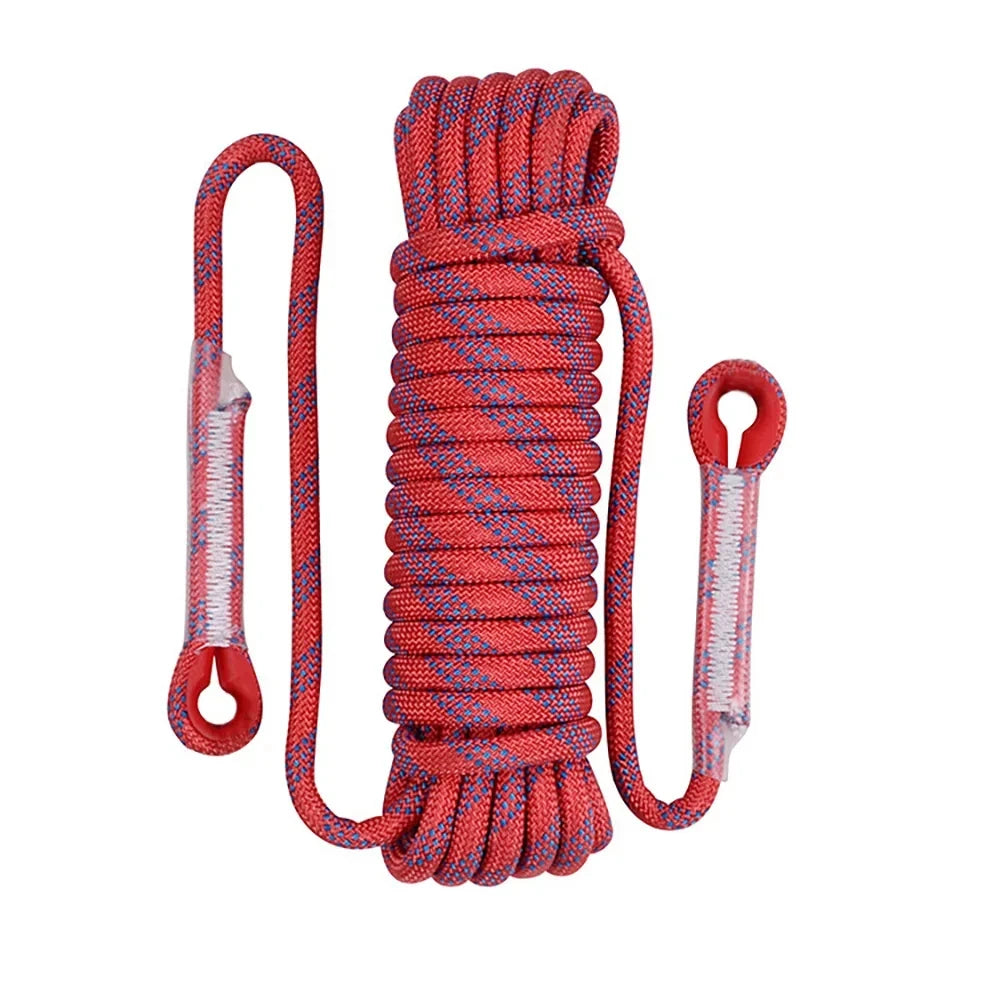
💡 See it in action
Guide to Child Safe Climbing Equipment Basics
Introducing kids to rope climbing can be fun and beneficial—but safety comes first. A proper guide to child safe climbing equipment basics helps prevent accidents and builds confidence.
- Use softer, thicker ropes for better grip
- Install at lower heights
- Supervise every session
- Equip kids with Safety Gear for Kids
Parents often report improved coordination and confidence when kids practice regularly in a controlled setup.
Ways to Improve Outdoor Safety with Kids
Rope climbing isn’t just exercise—it teaches real-world outdoor skills.
- Build grip strength for hiking and climbing
- Teach awareness of surroundings
- Practice safe movement techniques
- Encourage teamwork and communication
Bring along essentials from Safety, Survival & Emergency for outdoor sessions.
Common Beginner Mistakes to Avoid
Even with the right gear, beginners often make simple mistakes that slow progress.
- Relying only on arms instead of legs
- Skipping safety checks
- Using low-quality rope
- Climbing too high too soon
Fixing these early helps you progress faster and stay injury-free.
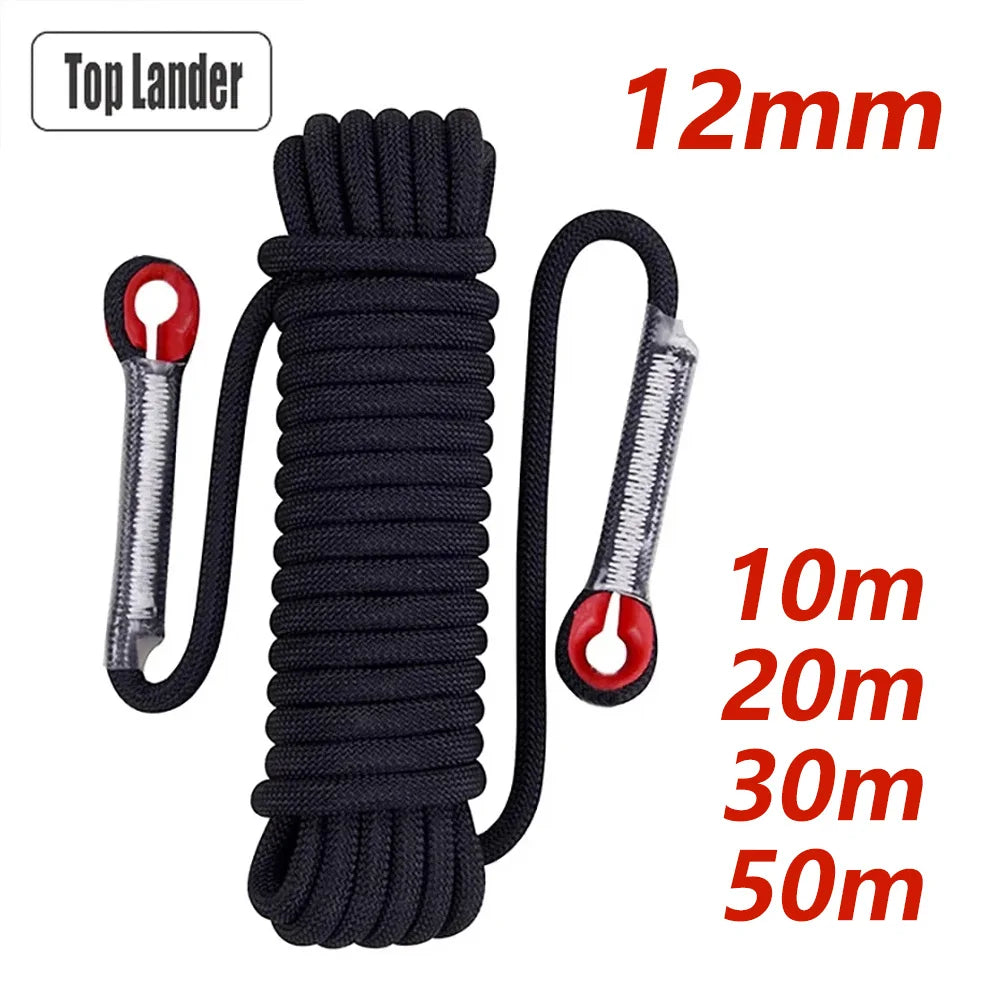
💡 See it in action
Why This Rope Makes Starting Easier and Safer
The right rope removes guesswork and builds confidence quickly. This high strength climbing rope for beginners offers durability, grip comfort, and reliable performance for home setups.
- Strong and beginner-friendly thickness
- Designed for repeated use
- Easy to install at home
- Supports both adults and kids
👉 Get yours now before your next training session!
Frequently Asked Questions
Is rope climbing good for beginners?
Yes, rope climbing for beginners is an excellent full-body workout that improves strength, coordination, and endurance. Start with proper equipment and low heights for safety.
How long should a beginner climbing rope be?
A 10–20 ft rope is ideal for home setups. It provides enough length for training without overwhelming beginners.
Do kids benefit from rope climbing?
Yes, it helps develop coordination, grip strength, and confidence. Always use child-safe equipment and supervise closely.
What gear do I need besides a rope?
Basic gear includes gloves, carabiners, a secure anchor, and optional mats for safety. These improve comfort and reduce injury risk.
Related Articles:
- Emergency Family Survival Kit: How To Build One At Home
- Rope For Outdoors: How To Choose And Use It Correctly
- Emergency Preparedness Kit For Power Outage: Setup Guide Step By Step
- Rope Climbing For Beginners: How To Start Safely At Home
Pillar Articles:





