

Rope Climbing For Beginners: How To Start Safely At Home
Does rope climbing for beginners really work?
Rope climbing for beginners is an effective way to build full-body strength, grip endurance, and coordination using minimal equipment. With the right setup and a high strength climbing rope for beginners, you can safely train at home, improve fitness, and even introduce kids to active play with proper safety basics.
Rope Climbing For Beginners: How To Start Safely At Home
⏱ 5 min read — Struggling to find a simple, effective way to build strength at home without bulky gym equipment? Rope climbing for beginners offers a powerful, space-saving solution. Whether you're training solo or setting up a family-friendly activity, this guide shows you exactly how to start safely, choose the right gear, and build confidence step by step.
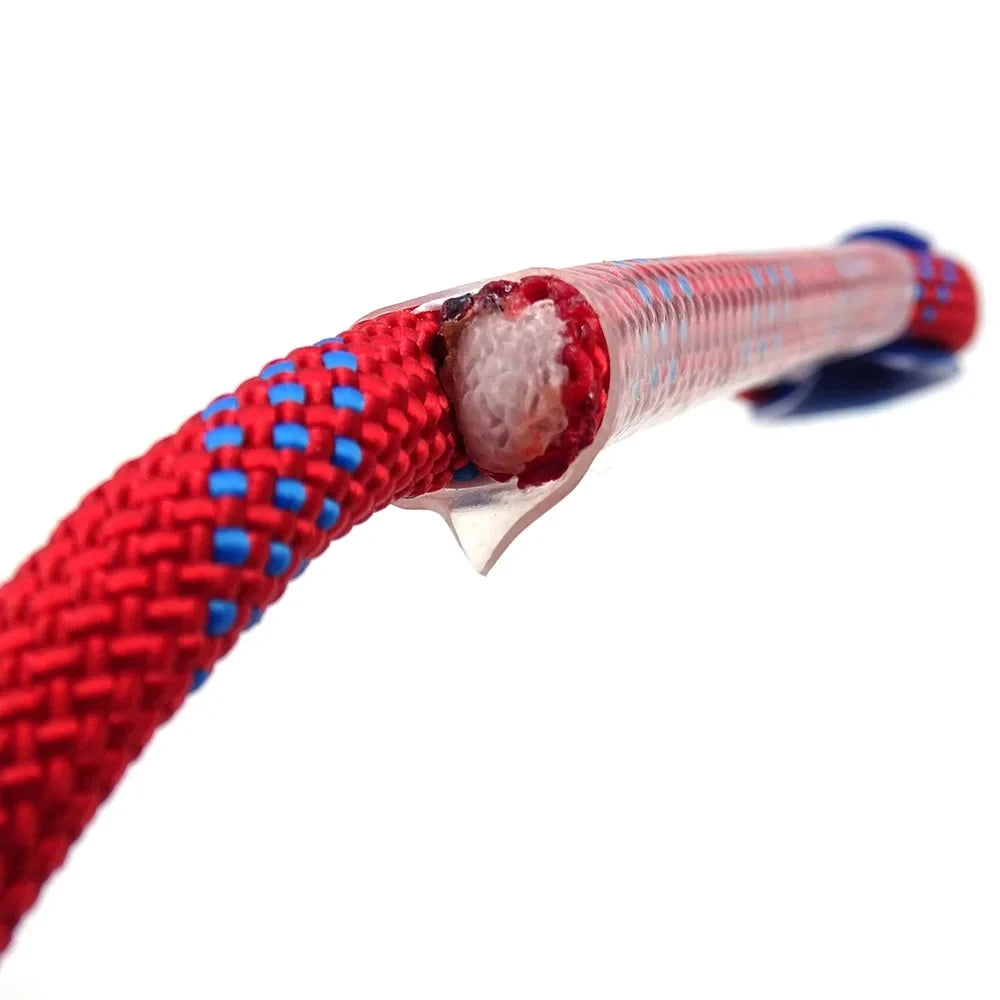
💡 See it in action
Why Rope Climbing Builds Strength Fast
Rope climbing challenges your entire body at once. Unlike isolated exercises, it forces your arms, core, and legs to work together in a natural movement pattern.
- Grip strength: Builds powerful hands and forearms
- Core stability: Keeps your body controlled while climbing
- Functional fitness: Improves real-world strength
- Minimal equipment: Just a rope and anchor point
Many beginners report noticeable strength gains within just a few weeks of consistent practice.
How to Start Rope Climbing Safely at Home
Rope climbing for beginners starts with proper preparation, not brute strength. Focus on safety, setup, and technique before attempting full climbs. Using a high strength climbing rope for beginners and secure anchor points reduces risk while helping you build confidence gradually.
- Choose a strong anchor point: Ceiling beams or outdoor trees
- Use proper gear: Gloves from Gloves & Protective Gear
- Start low: Practice foot locks before climbing high
- Add padding: Use mats or soft ground underneath
- Train progressively: Increase height slowly
What gear actually makes climbing easier? The answer often comes down to grip support, rope thickness, and proper setup.
How to Choose a High Strength Climbing Rope for Beginners
The rope you choose directly affects your safety and performance. Beginners should prioritize durability, thickness, and load capacity.
| Feature | Beginner Recommendation |
|---|---|
| Diameter | 10mm–12mm for better grip |
| Material | Polyester or nylon for durability |
| Weight Capacity | At least 500–1000 lbs |
| Length | 10–20 feet for home setups |
For a reliable option, consider this high strength climbing rope for beginners designed for durability and safety.
How to Set Up a Safe Home Climbing Area
Your setup determines how safe and effective your training will be. Even a strong rope can become risky if installed incorrectly.
- Use heavy-duty anchors or beams
- Keep the area clear of obstacles
- Add soft flooring or mats
- Ensure proper lighting with Headlamps & Wearable Lights
For outdoor setups, weather protection matters too. Consider using gear from Weather Protection & Environment to maintain safe conditions.
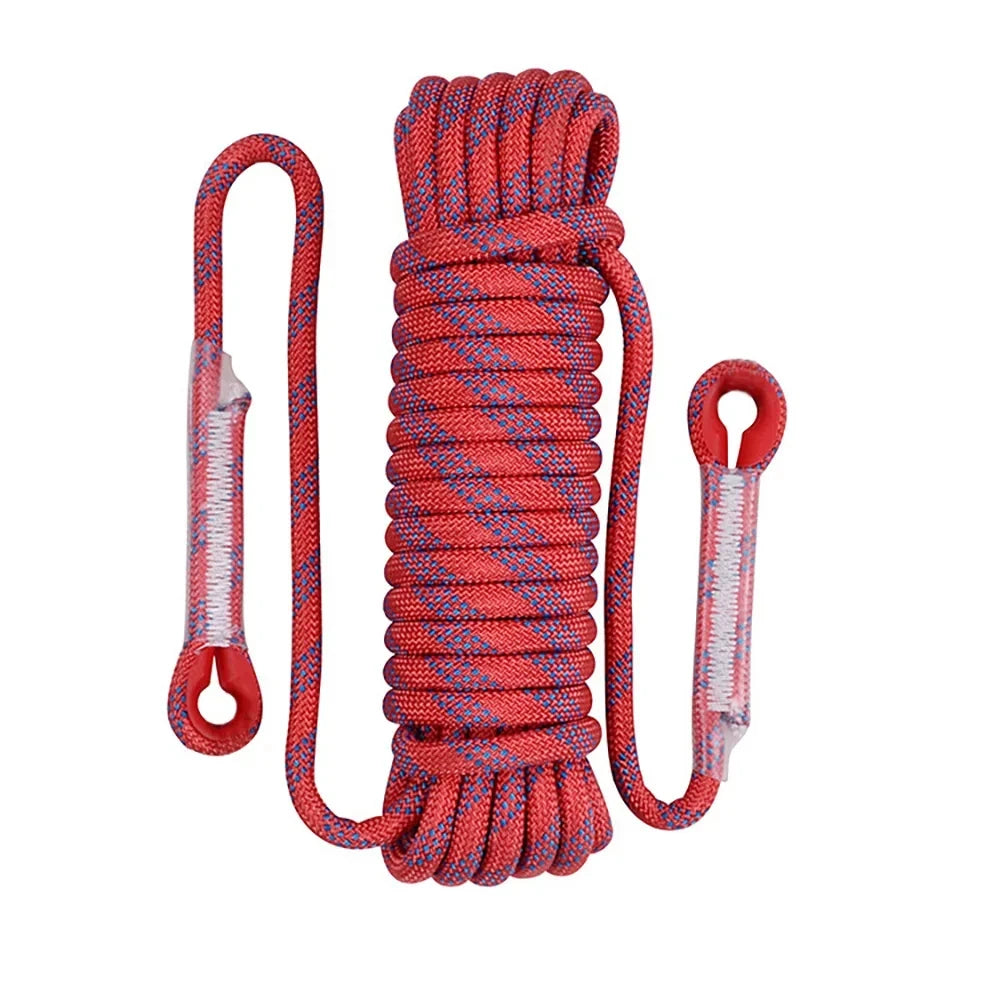
💡 See it in action
Guide to Child Safe Climbing Equipment Basics
Introducing kids to rope climbing can be incredibly rewarding—but safety must come first.
- Use thicker ropes: Easier for small hands to grip
- Limit height: Keep climbs low and supervised
- Add safety gear: Helmets and pads
- Teach basic techniques: Focus on control, not speed
Support your setup with kid-friendly items from Safety Gear for Kids and Outdoor Games & Toys to make training fun and safe.
Beginner Rope Climbing Techniques That Work
Technique matters more than strength when starting out. Learning the right movement patterns will make climbing easier and safer.
Foot Lock Technique
- Wrap the rope around one foot
- Step down with the other foot to lock it
- Push upward using your legs
Basic Pull and Stand
- Pull yourself up slightly
- Stand using your legs
- Repeat in small controlled movements
These methods reduce arm fatigue and improve endurance quickly.
Common Mistakes Beginners Should Avoid
Many beginners struggle not because of lack of strength, but due to avoidable mistakes.
- Using ropes that are too thin
- Skipping safety checks
- Relying only on arms instead of legs
- Climbing too high too soon
Training smarter—not harder—leads to faster progress and fewer injuries.
Ways to Improve Outdoor Safety with Kids
Rope climbing can be part of a broader outdoor experience. Keeping kids safe while exploring is essential.
- Always supervise climbing activities
- Carry essentials from Safety, Survival & Emergency
- Stay hydrated with Collapsible Water Bottles
- Pack smart using Lightweight Daypacks
Parents often share that structured outdoor activities like rope climbing help kids build confidence while staying active.
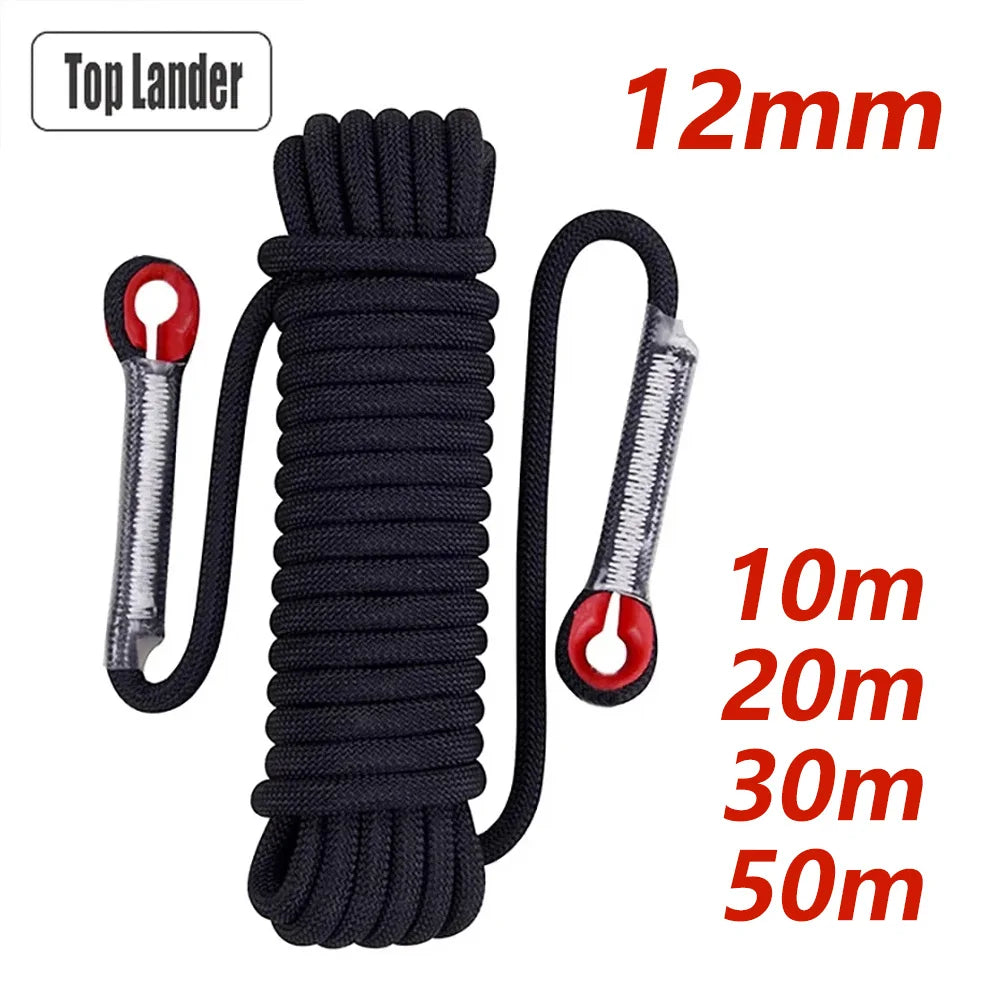
💡 See it in action
Start Climbing with Confidence Today
Rope climbing for beginners doesn’t require a gym or complex equipment. With the right rope, a safe setup, and simple techniques, you can build strength and confidence from home.
Whether you're training solo or introducing your kids to active play, the key is starting safely and progressing gradually.
Frequently Asked Questions
How strong should climbing rope be for beginners?
A beginner rope should support at least 500–1000 lbs. This ensures safety while allowing for dynamic movement and repeated use.
Can I install a climbing rope at home?
Yes, as long as you use a secure anchor point like a ceiling beam or sturdy outdoor structure and follow safety guidelines.
Is rope climbing safe for kids?
It can be safe with supervision, proper gear, and controlled heights. Always use protective equipment and teach basic techniques first.
How often should beginners train?
Start with 2–3 sessions per week. Focus on technique and gradually increase intensity as your strength improves.
Pillar Article: Climbing Static Rope: How To Use It Safely Step By Step
Other Related Articles:
- Emergency Family Survival Kit: How To Build One At Home
- Rope For Outdoors: How To Choose And Use It Correctly
- Emergency Preparedness Kit For Power Outage: Setup Guide Step By Step
Explore More:





