

Fire Escape Ropes: Which Options Work Best In Emergencies?
Which fire escape ropes work best in emergencies?
Fire escape ropes work best when they combine high tensile strength, heat resistance, and secure anchoring systems. The safest options include static kernmantle ropes and rope fire escape ladders rated for at least 1,000 lbs. These designs reduce stretch, improve control, and support safe, fast evacuation during real emergencies.
Fire Escape Ropes: Which Options Work Best In Emergencies?
Fire escape ropes can mean the difference between panic and a safe exit when seconds count. But not every strong rope for fire escape home use is built the same—some fail under heat or weight. From choosing a rope fire escape ladder to understanding which rope is safest for home evacuation, this guide reveals what actually works. If you're planning to buy reliable safety rope for home emergencies, you’ll want to know these critical details before it’s too late…
⏱ 8 min read
Imagine smoke filling your hallway at night. Your main exit is blocked. What gear actually makes escape possible from a second-story window?
That’s where choosing the right fire escape ropes becomes critical—not just for safety, but for peace of mind.
Explore practical safety essentials in Safety, Survival & Emergency before your next trip or emergency.
💡 See it in action
What Are Fire Escape Ropes and Why They Matter
Fire escape ropes are specially designed lifelines that allow safe descent from elevated areas when exits are blocked.
Unlike regular ropes, they’re built to handle:
- High body weight loads
- Sudden stress and friction
- Heat exposure during fires
- Controlled descent without snapping or stretching
Many homeowners assume any “strong rope” will do—but in emergencies, the wrong rope can fail instantly.
Why standard ropes are risky
- Dynamic ropes stretch too much under load
- Cheap nylon melts under high heat
- Weak anchors lead to sudden detachment
This is why purpose-built emergency rope systems outperform DIY solutions every time.
Types of Fire Escape Ropes Compared
Not all options serve the same purpose. Here’s how the most common choices stack up.
1. Static Climbing Ropes (Best Overall)
These are widely used for rescue and evacuation.
- Minimal stretch for controlled descent
- High tensile strength (often 20kN+)
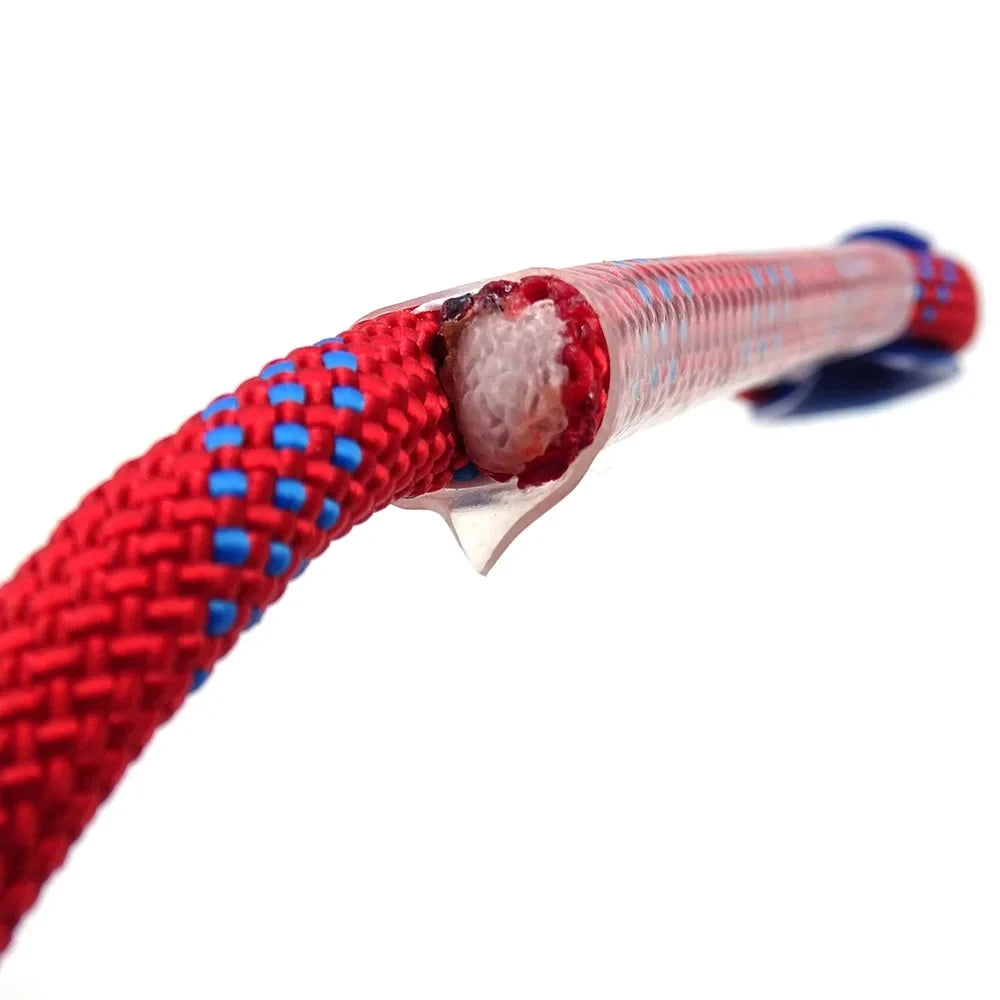
- Durable outer sheath for friction resistance
A strong rope for fire escape home use should ideally fall into this category.
Recommended option:
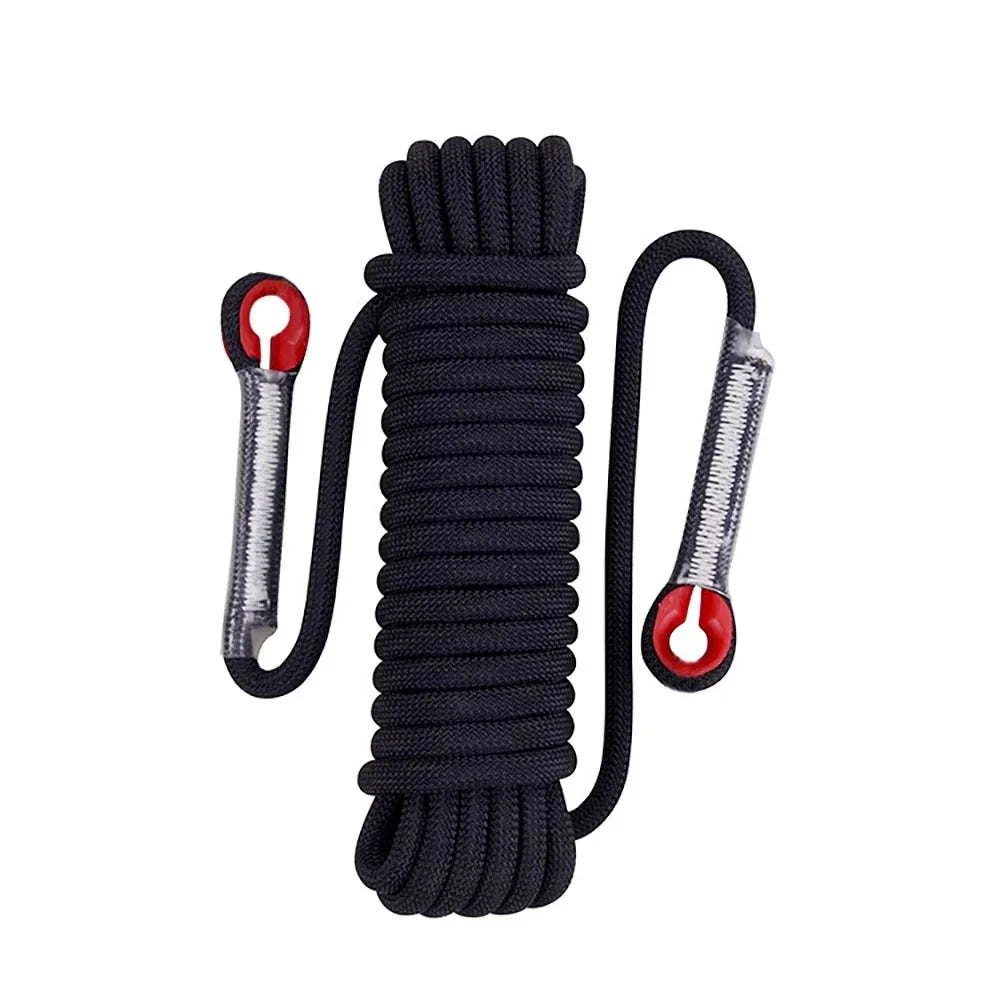
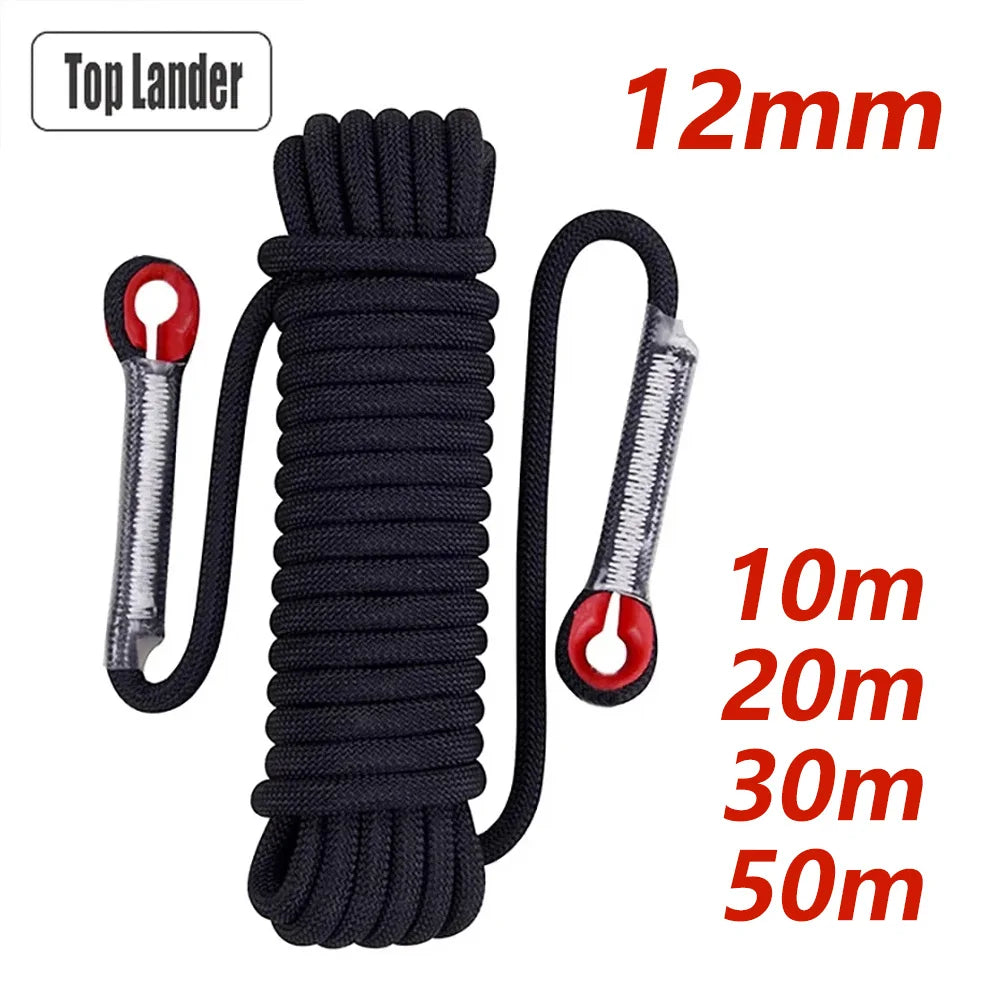
12mm Safety Rope Climbing Emergency
2. Rope Fire Escape Ladders (Best for Beginners)
- Pre-built ladder design
- Easy to deploy quickly
- No rope handling skills needed
Perfect for families or children who may panic during emergencies.
3. Paracord or Utility Rope (Not Recommended)
- Low load capacity
- High stretch
- Unsafe for full-body descent
These are better suited for camping tasks, not life-saving escapes.
Instead, consider backup gear like Emergency Lighting to improve visibility during evacuation.
Side-by-Side Comparison of Top Options
| Type | Strength | Ease of Use | Best For | Limitations |
|---|---|---|---|---|
| Static Rope | Very High | Moderate | Controlled descent | Requires basic skill |
| Rope Ladder | High | Easy | Families, beginners | Less flexible |
| Paracord | Low | Easy | Light tasks | Unsafe for escape |
How to Choose the Safest Rope for Home Evacuation
Fire escape ropes should meet specific safety criteria to be reliable.
Key features to look for
- Diameter: At least 10–12mm for grip and strength
- Material: Polyester or nylon with heat resistance
- Weight rating: Minimum 1,000 lbs capacity
- Length: Match your home height (2–3 floors)
Bonus safety add-ons
- Carabiners from Hooks, Clips & Carabiners
- Gloves from Gloves & Protective Gear
- Emergency kits from First Aid Kits
Upgrade your safety setup with reliable essentials for emergencies and outdoor adventures.
💡 See it in action
Real-Life Use Cases and Feedback
Many homeowners and outdoor enthusiasts share similar experiences:
- “We practiced with a rope ladder—kids felt safer knowing exactly what to do.”
- “A static rope gave me full control descending from my second floor.”
- “I added a headlamp from Headlamps & Wearable Lights—it made a huge difference at night.”
Preparation transforms panic into action.
How to Set Up and Use Escape Ropes Safely
- Secure anchor point (window frame or heavy furniture)
- Attach rope using locking carabiner
- Test load before emergency use
- Descend slowly, keeping feet against wall
Practice during daylight conditions to build confidence.
Common mistakes to avoid
- Using knots instead of proper anchors
- Choosing ropes too thin to grip
- Ignoring rope wear or fraying
Pair your rope with lighting from Tent & Camping Lanterns for improved visibility.
💡 See it in action
Top Recommendation: Reliable Rope for Emergencies
A dependable fire escape rope should offer strength, durability, and ease of use. The 12mm Safety Rope Climbing Emergency stands out with its thick diameter, high load capacity, and rugged construction—making it a practical choice for controlled, safe descents during urgent situations.
- ✔ High-strength load support
- ✔ Easy grip for beginners
- ✔ Durable for repeated practice
Pillar Article: Static Rope Vs Dynamic Rope: Which One Is Safer For You?
Other Related Articles:
- Emergency Preparedness Kit For Hurricane: What Should You Compare?
- Best Emergency Kit For Home: What’S Worth Buying In 2026?
- Nylon Rope Vs Polypropylene Rope: Durability Compared
- Climbing Safety Equipment: Top Gear Compared For Beginners
Explore More:





