

Climbing Safety Equipment: Top Gear Compared For Beginners
Is climbing safety equipment really necessary for beginners?
Climbing safety equipment is essential for beginners because it reduces fall impact, improves grip control, and prevents accidents caused by weak or incorrect gear. Using the right rope type and safety tools can significantly lower injury risk while making outdoor climbing safer and more enjoyable for families.
Climbing Safety Equipment: Top Gear Compared For Beginners
Static rope vs dynamic rope might sound technical, but choosing the right climbing safety equipment can mean the difference between a safe outdoor adventure and a dangerous mistake. This guide compares beginner-friendly gear, explains key safety differences, and helps families prevent accidents with weak climbing ropes while enjoying stress-free outdoor experiences.
⏱ 7 min read
Ever packed for a climbing trip and wondered if your gear is actually safe enough? Many beginners assume all ropes and equipment work the same—until something feels off mid-climb.
That uncertainty can turn an exciting outdoor day into a stressful situation, especially when climbing with kids.
Explore essentials from Camping & Picnic to make every outdoor trip safer and easier.
The good news? Choosing the right climbing safety equipment doesn’t have to be complicated. With a few clear comparisons and practical tips, you can confidently build a safer setup for your next adventure.
💡 See it in action
What is climbing safety equipment and why does it matter?
Climbing safety equipment includes ropes, harnesses, carabiners, and protective gear designed to prevent falls and reduce injury risk. For beginners, using reliable climbing safety equipment ensures controlled movement, better grip, and protection against sudden impacts, especially in unpredictable outdoor environments.
At its core, climbing safety equipment acts as your backup system. When things go wrong, it’s what keeps you safe.
- Ropes absorb shock or provide stability
- Carabiners secure connections
- Harnesses distribute weight safely
- Protective gear reduces injury risk
Without the right combination, even simple climbs can become dangerous.
Static rope vs dynamic rope explained for safer climbing
| Feature | Dynamic Rope | Static Rope |
|---|---|---|
| Stretch | High (absorbs falls) | Low (minimal stretch) |
| Best Use | Climbing, belaying | Rescue, hauling, fixed lines |
| Safety Level | Safer for falls | Better for stability |
| Beginner Friendly | Yes | Limited use |
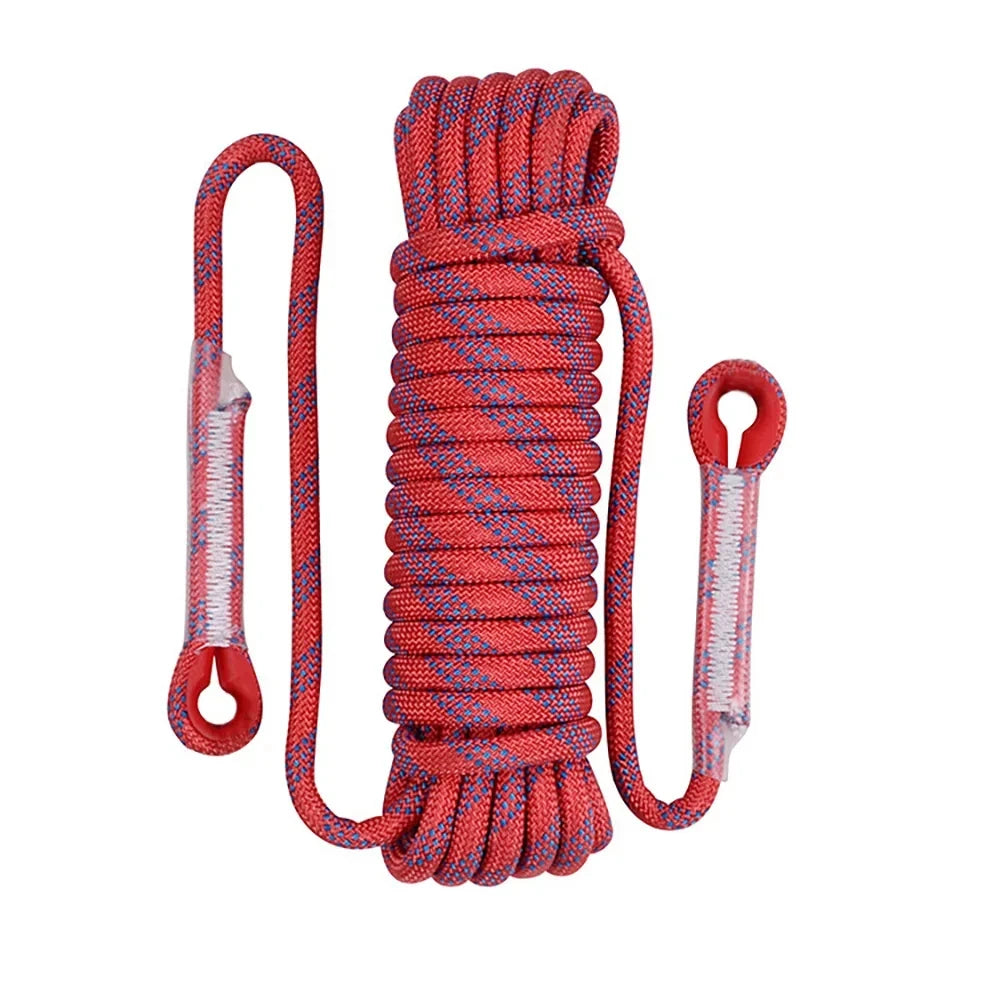
Dynamic ropes are designed to stretch under load, reducing the force of a fall. This makes them ideal for beginners learning to climb.
Static ropes, on the other hand, are stronger in terms of stability but don’t absorb shock. That’s why they’re often used in rescue or controlled environments.
Real-world example: A family hiking and setting up a safety line for kids might prefer a static rope for stability, but for actual climbing, a dynamic rope is far safer.
Top rated climbing safety equipment for beginners
Here’s a practical comparison of essential gear for beginners and families:
| Gear | Best For | Key Benefit | Beginner Friendly |
|---|---|---|---|
| Dynamic Rope | Climbing | Shock absorption | ⭐⭐⭐⭐⭐ |
| Static Rope | Safety lines | Stability | ⭐⭐⭐ |
| Carabiners | Connections | Secure locking | ⭐⭐⭐⭐⭐ |
| Harness | Body support | Weight distribution | ⭐⭐⭐⭐⭐ |
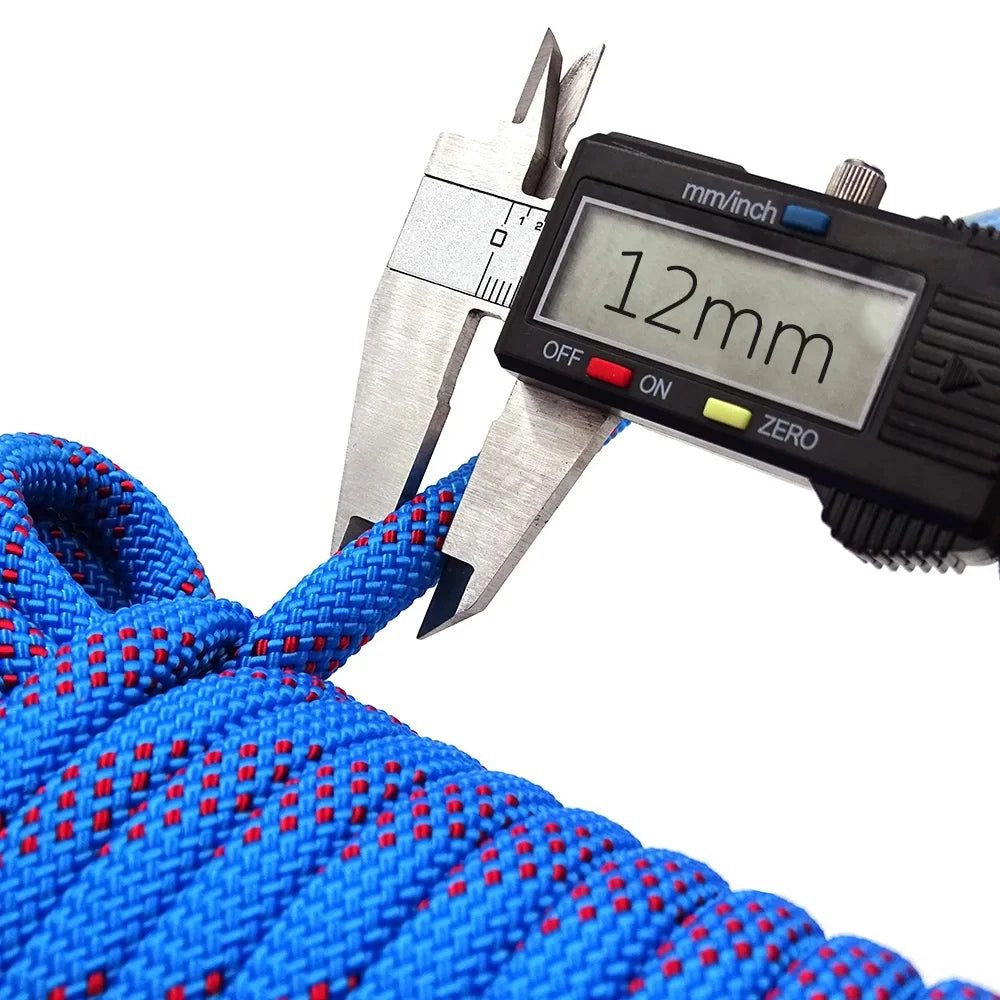
If you’re looking for a reliable option, consider a high strength climbing rope for beginners. It’s designed for durability and added safety, making it ideal for family use and outdoor adventures.
Browse Safety, Survival & Emergency essentials for dependable protection outdoors.
Many outdoor enthusiasts say switching to higher-quality ropes immediately improved their confidence and safety during climbs.
💡 See it in action
How to prevent accidents with weak climbing ropes
- Always check rope strength ratings before use
- Avoid worn or frayed ropes
- Use the correct rope type for the activity
- Store ropes properly to prevent damage
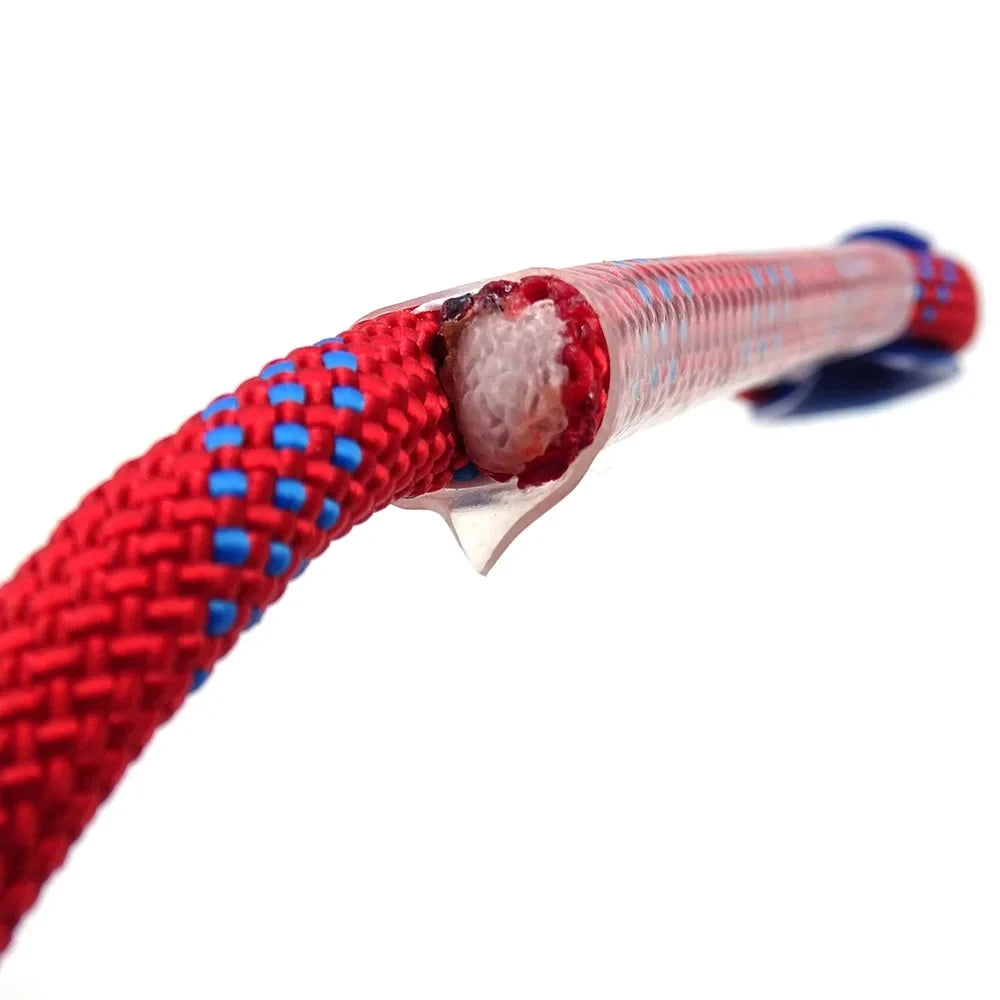
Weak or low-quality ropes are one of the leading causes of climbing accidents. Even a small defect can lead to serious risk under tension.
Pair your rope with reliable accessories from Hooks, Clips & Carabiners to ensure secure connections at every point.
Tip: Replace ropes regularly if used frequently—especially for family climbing setups.
Ways to improve outdoor safety with kids
Climbing with kids adds a new layer of responsibility—but also a lot more fun.
- Use child-specific harnesses and safety gear
- Set up stable anchor points with static ropes
- Keep a First Aid Kits ready at all times
- Teach basic safety rules before climbing
Parents often report that having the right equipment reduces stress and allows them to enjoy the experience instead of worrying constantly.
Adding lighting tools from Headlamps & Wearable Lights also improves visibility during late-day climbs or shaded areas.
Beginner climbing safety checklist for every trip
- ✔ High strength climbing rope
- ✔ Backup static rope for safety lines
- ✔ Locking carabiners
- ✔ Comfortable harness
- ✔ Emergency whistle and safety kit
Keeping your gear organized with Gear Organizers & Pouches ensures nothing gets lost or forgotten during your trip.
Many beginners underestimate how much organization impacts safety—knowing exactly where your gear is can save valuable time in critical moments.
💡 See it in action
Make your next climb safer and more confident
Choosing the right climbing safety equipment isn’t just about performance—it’s about peace of mind.
Whether you’re planning a family camping trip or trying climbing for the first time, investing in reliable gear makes every step safer and more enjoyable.
Upgrade your setup with a high strength climbing rope for beginners and explore trusted gear from Family Outdoor Bundles.
Frequently asked questions
What is the safest rope for beginners?
Dynamic ropes are generally the safest for beginners because they absorb the impact of falls, reducing injury risk.
Can I use a static rope for climbing?
Static ropes are not recommended for climbing because they don’t stretch. They are better suited for safety lines or rescue scenarios.
How often should I replace climbing ropes?
It depends on usage, but frequent climbers should inspect ropes regularly and replace them at the first sign of wear or damage.
Is climbing with kids safe?
Yes, with proper equipment and supervision. Using child-specific safety gear and high-quality ropes significantly improves safety.
Pillar Article: Static Rope Vs Dynamic Rope: Which One Is Safer For You?
Other Related Articles:
- Emergency Preparedness Kit For Hurricane: What Should You Compare?
- Best Emergency Kit For Home: What’S Worth Buying In 2026?
- Nylon Rope Vs Polypropylene Rope: Durability Compared
- Fire Escape Ropes: Which Options Work Best In Emergencies?
Explore More:





