

Hydration Pack Reservoir: How To Fill, Clean, And Maintain
What is a hydration pack reservoir and how do you maintain it?
A hydration pack reservoir is a flexible water bladder stored inside a backpack that delivers hands-free hydration through a tube. Proper maintenance includes rinsing after each use, deep cleaning weekly, and drying completely to prevent bacteria. Consistent care keeps water fresh, prevents leaks, and extends the reservoir’s lifespan.
Hydration Pack Reservoir: How To Fill, Clean, And Maintain
A hydration pack reservoir can make or break your adventure, especially when keeping water accessible during outdoor activities matters most. Learn simple ways to fill, clean, and extend the life of your gear while choosing a durable polyester hydration pack for outdoor use. We also break down hydration backpack features to look for and how to pack essentials for bike trips efficiently.
⏱ 6 min read
Ever taken a sip mid-hike and noticed a strange taste—or worse, no water flow at all? That’s often a sign your hydration system needs attention. The good news: with a few simple habits, you can keep your setup reliable, clean, and ready for any trail.
💡 See it in action
👉 Discover must-have camping gear for smarter hydration and better outdoor comfort with Hydration & Food.
How This Simple Filling Method Keeps Your Water Fresh
A hydration pack reservoir works best when filled correctly. Small mistakes—like trapping air or contaminating the opening—can affect taste and flow.
- Open fully and inspect: Ensure no dust or residue is inside before filling.
- Use clean, cold water: Avoid sugary drinks that can leave residue.
- Fill to 80–90% capacity: Leave room to reduce pressure and leaks.
- Remove excess air: Hold upright, squeeze gently, then seal tightly.
- Test flow: Sip through the tube to ensure smooth water delivery.
This method improves flow and helps with keeping water accessible during outdoor activities like cycling or hiking.
How Regular Cleaning Prevents Bad Taste and Bacteria
A neglected reservoir quickly develops odor and buildup. Cleaning doesn’t need to be complicated—it just needs to be consistent.
- Daily rinse: Warm water rinse after every use
- Weekly deep clean: Use mild soap or cleaning tablets
- Brush the tube: Prevent hidden buildup inside the hose
- Air dry completely: Hang upside down to avoid trapped moisture
For multi-day trips, pairing your system with Personal Water Filters helps maintain water quality while reducing contamination risk.
| Cleaning Step | Frequency | Benefit |
|---|---|---|
| Rinse with warm water | After each use | Prevents residue buildup |
| Deep clean | Weekly | Eliminates bacteria |
| Dry thoroughly | Every time | Avoids mold growth |
👉 Learn how to choose the right hiking gear and hydration solutions with Backpacking & Carry.
How Proper Maintenance Extends Your Reservoir’s Lifespan
Good maintenance ensures your hydration pack reservoir lasts for years, not months.
- Store dry and open: Prevents trapped moisture
- Avoid freezing with water inside: Protects seams from damage
- Check for leaks regularly: Replace worn valves early
- Use protective storage: Keep it inside Gear Organizers & Pouches when not in use
Outdoor users often report that consistent drying alone prevents over 70% of odor issues.
💡 See it in action
Hydration Backpack Features That Make Outdoor Trips Easier
Not all hydration packs are created equal. The right features improve comfort and efficiency.
- Durable polyester construction: Ideal for rugged trails
- Ergonomic straps: Reduce shoulder fatigue
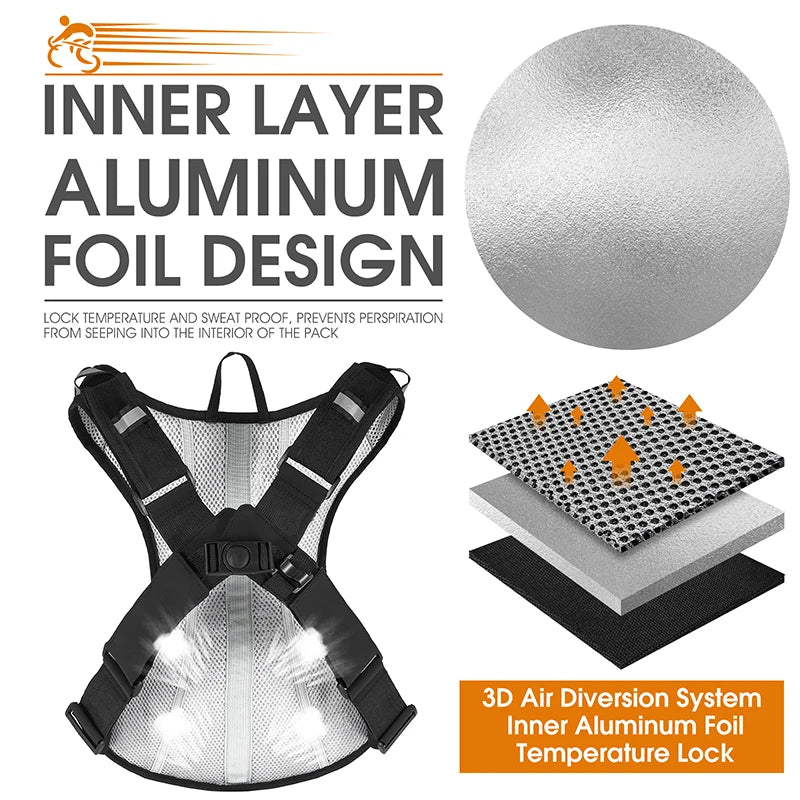
- Insulated compartments: Keep water cool longer
- Smart storage layout: Helps organize gear efficiently
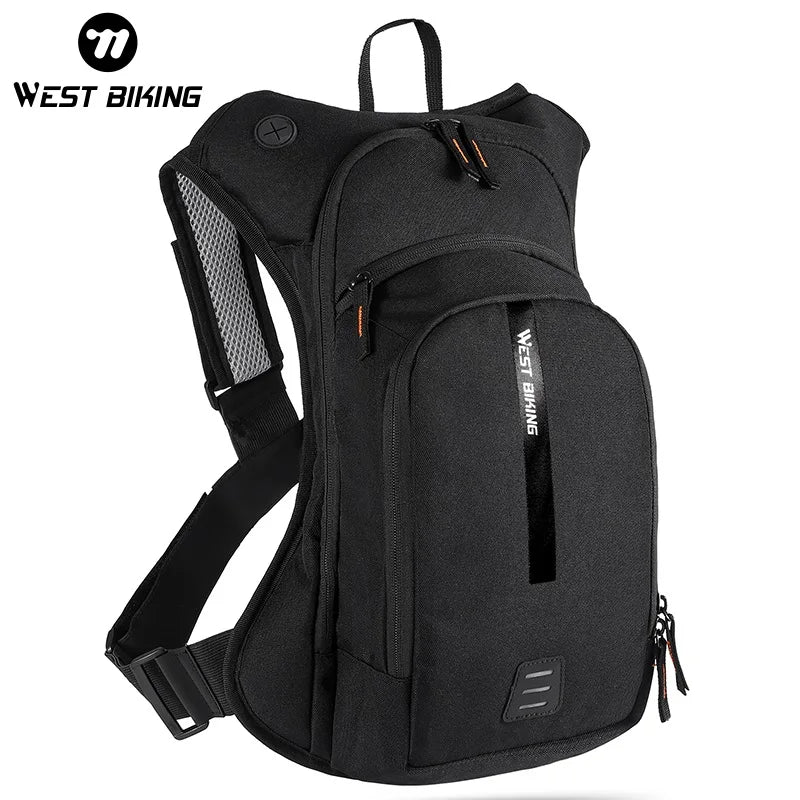
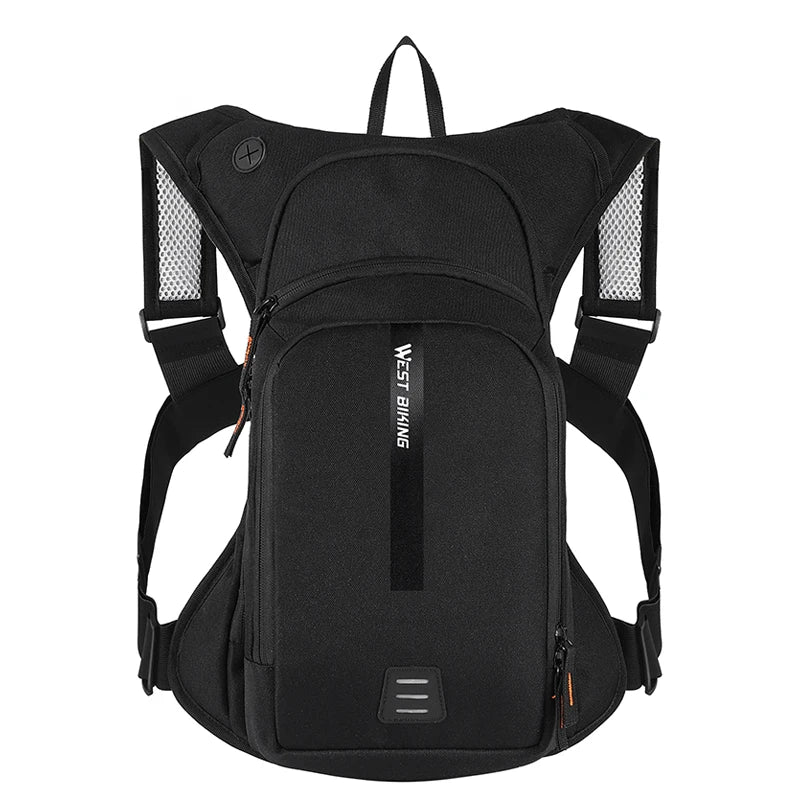
A well-designed pack like the 10L ultralight cycling backpack combines hydration with practical storage, making it easier to manage both water and essentials.
How to Pack Essentials for Bike Trips Without the Stress
Packing efficiently ensures you stay hydrated and prepared without unnecessary bulk.
- Hydration reservoir: Positioned close to your back
- Repair kit: Stored in easy-access pockets
- Snacks: Use Food Storage Bags & Containers
- Weather protection: Pack lightweight layers
Many cyclists find that organizing items by frequency of use saves time and reduces frustration on the trail.
Common Mistakes That Ruin Your Hydration Setup
- Leaving water inside for days
- Not drying the tube properly
- Overfilling and causing leaks
- Using sugary drinks without cleaning
Avoiding these mistakes keeps your hydration pack reservoir functioning like new.
💡 See it in action
👉 Get yours now before your next trip! Upgrade your setup with the 10L ultralight cycling backpack and enjoy reliable hydration every ride.
FAQs
How often should I clean my hydration pack reservoir?
Rinse after every use and deep clean at least once a week, especially during frequent outdoor activities.
Can I put ice in my hydration reservoir?
Yes, adding ice helps keep water cool, but avoid overfilling to maintain proper flow and prevent pressure leaks.
Why does my reservoir taste bad?
Bad taste usually comes from bacteria buildup or leftover residue. Regular cleaning and drying solve this issue quickly.
What is the best way to dry a reservoir?
Hang it upside down with the opening wide and tube detached to allow full airflow and prevent moisture buildup.
Pillar Article: Hydration Pack Outdoor Products: How To Choose And Use Them
Other Related Articles:
- Hydration Pack For Day Hike: How To Pack Efficiently
- Hydration Bags For Hiking: How To Choose And Pack Right
- Hydration Pack In Backpack: Step-By-Step Setup Guide
Explore More:





