

Hydration Pack For Day Hike: How To Pack Efficiently
What is the best hydration pack for a day hike?
A hydration pack for day hike use keeps water accessible without stopping, helping you stay hydrated and energized. The best option is lightweight (10–15L), includes a 1.5–2L reservoir, and offers smart storage. It reduces fatigue, improves mobility, and makes short hikes more efficient and enjoyable.
Hydration Pack For Day Hike: How To Pack Efficiently
⏱ 7 min read — Ever found yourself digging through your backpack just to grab water, slowing down your hike and breaking your rhythm? A hydration pack for day hike trips changes everything. It keeps water within reach, reduces bulk, and helps you move freely. In this guide, you’ll learn how to pack smarter, stay hydrated longer, and enjoy every step without unnecessary weight or hassle.
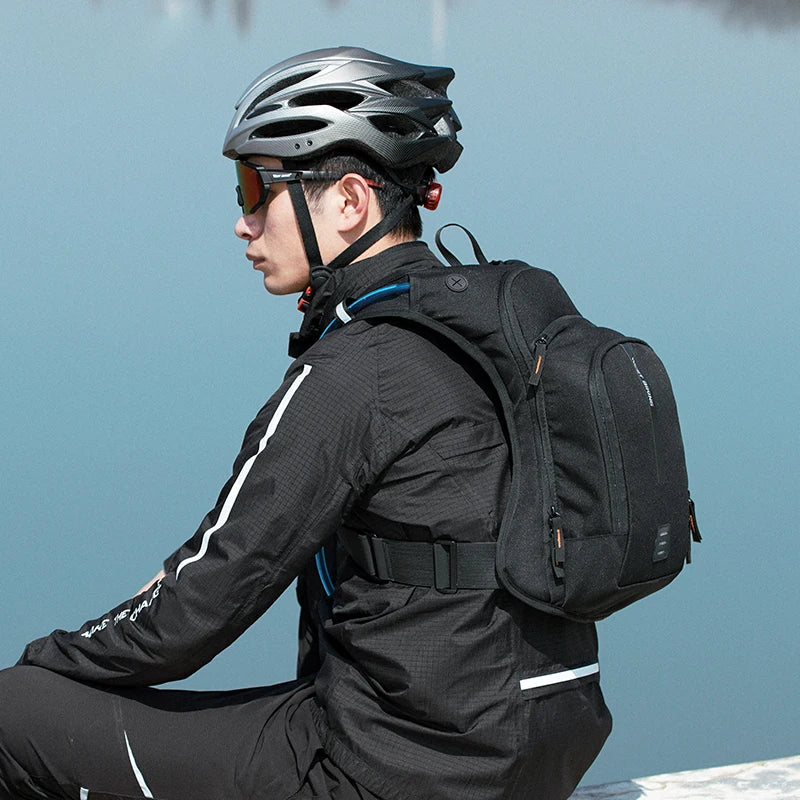
💡 See it in action
Why a Hydration Pack Makes Day Hikes Easier
A hydration pack for day hike trips keeps water accessible during outdoor activities without stopping or unpacking. It distributes weight evenly, reduces strain, and improves mobility. With a built-in reservoir and hose, you can drink continuously, making it easier to stay hydrated and maintain energy throughout your hike.
What gear actually makes hiking easier? It’s not just lighter shoes or better trails—it’s smarter packing.
- No need to stop and grab bottles
- Better weight distribution across your back
- Hands-free hydration while walking
- More space for essentials without bulk
Many hikers report feeling less fatigued simply because they drink more consistently. That small shift makes a big difference over a few hours.
How to Choose Lightweight Hiking Backpack Options That Feel Effortless
Choosing the right hydration pack isn’t about size alone—it’s about balance, fit, and function.
Look for These Essentials
- Capacity: 10–15L for short hikes
- Reservoir size: 1.5–2L for optimal hydration
- Breathable back panel for airflow
- Adjustable straps for a snug fit
If you’re exploring Lightweight Daypacks, focus on models that combine hydration with storage. A compact design prevents overpacking while still carrying essentials.
How to Pack Efficiently for Maximum Comfort
- Start with water first: Fill your reservoir before adding anything else.
- Keep heavy items centered: Place them close to your spine for balance.
- Use compartments wisely: Separate snacks, gear, and safety items.
- Minimize bulk: Only pack what you’ll actually use.
Using Gear Organizers & Pouches can help keep everything in place without clutter.
| Item | Where to Pack | Why |
|---|---|---|
| Water reservoir | Main compartment | Stable weight distribution |
| Snacks | Front pocket | Quick access |
| First aid kit | Top section | Easy reach in emergencies |
| Extra layer | Bottom | Less frequent use |
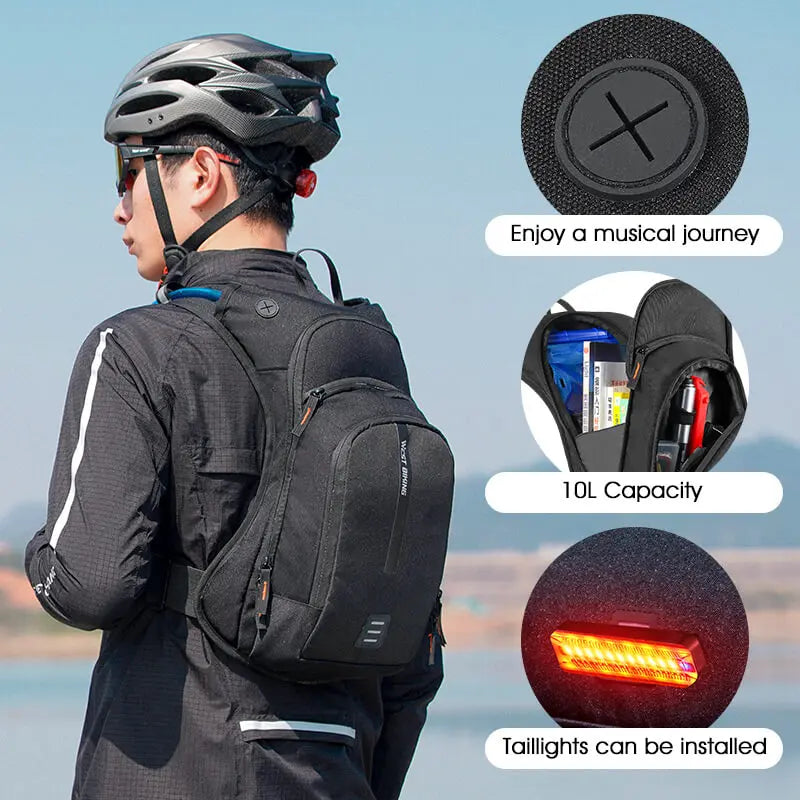
💡 See it in action
Hydration Backpack Features to Look For That Improve Every Hike
- Leak-proof reservoir: Prevents water loss
- Insulated tube: Keeps water cool longer
- Multiple compartments: Better organization
- Lightweight frame: Reduces fatigue
Pair your pack with Collapsible Water Bottles for backup hydration without extra weight.
Day Hike Packing Checklist
- Hydration pack (filled)
- Energy snacks
- Lightweight jacket
- First aid kit from First Aid Kits
- Portable charger from Portable Power Banks
- Navigation tools
Keeping your gear minimal but functional is key to enjoying the hike instead of managing your pack.
Real Outdoor Scenarios: How Smart Packing Changes Your Experience
Imagine hiking uphill on a warm day. Instead of stopping every 10 minutes, you sip water as you go. Your pace stays steady, your energy remains stable, and you finish stronger.
Parents especially benefit from lightweight gear for active parents outdoors. With kids around, quick access to water and snacks becomes essential.
Many hikers say switching to a hydration pack cut their break time in half—and made hikes feel smoother and more enjoyable.
Common Packing Mistakes to Avoid
- Overpacking unnecessary items
- Ignoring weight distribution
- Using bulky bottles instead of hydration systems
- Forgetting backup hydration options
Even experienced hikers make these mistakes. Fixing them instantly improves comfort and efficiency.
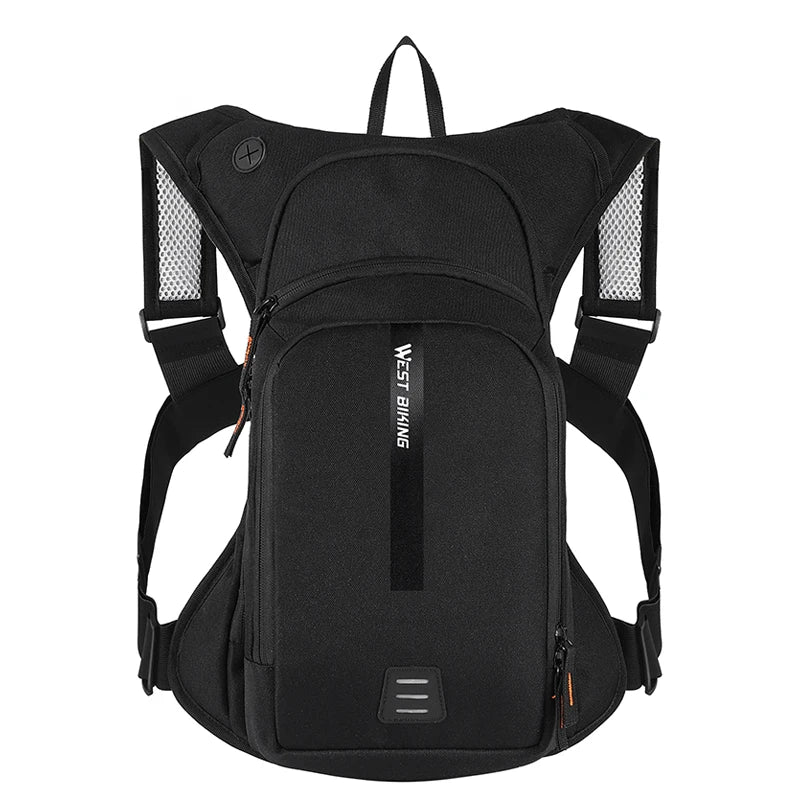
💡 See it in action
Why This Lightweight Hydration Pack Stands Out
This hydration pack for day hike use stands out because it balances lightweight design with smart storage. It keeps water accessible during outdoor activities, fits comfortably for long walks, and simplifies packing. Ideal for beginners and experienced hikers alike, it helps you stay organized, hydrated, and ready for any trail.
- Lightweight and compact
- Efficient storage layout
- Comfortable for long use
- Perfect for quick hikes and travel
FAQs
1. How much water should I carry on a day hike?
Answer: Most hikers need 1.5–2 liters for a short hike, depending on weather and intensity. A hydration pack helps you carry and access this easily without stopping.
2. Is a hydration pack better than water bottles?
Answer: Yes, it allows hands-free drinking and better weight distribution, making it easier to stay hydrated consistently during movement.
3. What size hydration pack is best for beginners?
Answer: A 10–15L pack is ideal. It offers enough space for essentials while staying lightweight and easy to carry on short hikes.
Pillar Article: Hydration Pack Outdoor Products: How To Choose And Use Them
Other Related Articles:
- Hydration Bags For Hiking: How To Choose And Pack Right
- Hydration Pack In Backpack: Step-By-Step Setup Guide
- Hydration Pack Reservoir: How To Fill, Clean, And Maintain
Explore More:





