

Hydration Pack Outdoor Products: How To Choose And Use Them
Do hydration pack outdoor products really help?
Hydration pack outdoor products make keeping water accessible during outdoor activities easier by combining storage and hydration in one wearable system. They reduce stops, improve endurance, and help users stay hydrated consistently, especially during hiking, biking, or family trips where convenience and mobility matter most.
Hydration Pack Outdoor Products: How To Choose And Use Them
⏱ 8 min read — Hydration pack outdoor products are changing the way adventurers stay fueled on the go, making keeping water accessible during outdoor activities easier than ever. Whether you're learning how to choose lightweight hiking backpack options or exploring a guide to ergonomic backpacks for biking, the right gear can transform comfort and performance. Add in smart hydration tips for family outdoor adventures, and you unlock longer, safer trips—but are you choosing the best setup for your needs?
Ever found yourself stopping every 10 minutes just to grab water from your bag? Or worse—realizing you're already dehydrated halfway through a trail?
The solution is simple: a well-designed hydration pack that keeps water within reach while keeping your hands free.
👉 Discover must-have camping gear and upgrade your outdoor experience with smarter hydration systems.
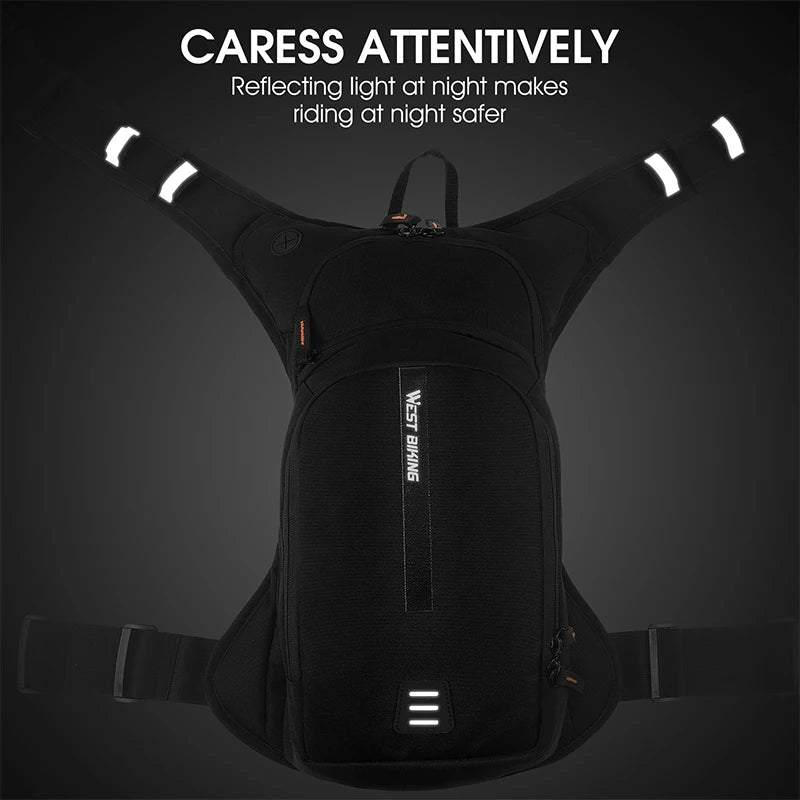
💡 See it in action
What Are Hydration Pack Outdoor Products?
Hydration pack outdoor products are backpacks designed with built-in water reservoirs and drinking tubes. Instead of reaching for a bottle, you sip water instantly while moving.
They are widely used for:
- Hiking and trekking
- Cycling and mountain biking
- Running and trail races
- Family picnics and outdoor trips
Unlike traditional gear, these packs combine hydration with storage, often featuring compartments for essentials found in Backpacking & Carry setups.
How To Choose Lightweight Hiking Backpack Options
Choosing the right pack can feel overwhelming. Focus on comfort, capacity, and purpose.
-
Pick the right capacity
1–2L for short trips, 2–3L for long hikes. -
Check weight
Ultralight designs reduce fatigue during long-distance hikes. -
Look for breathable materials
Mesh panels prevent overheating. -
Ensure proper fit
Adjustable straps improve balance and reduce strain.
For day hikes, pairing your hydration pack with gear from Lightweight Daypacks can help optimize load distribution.
👉 Learn how to choose the right hiking gear and avoid common mistakes that ruin outdoor trips.
How Keeping Water Accessible Improves Outdoor Performance
Staying hydrated isn’t just about comfort—it directly impacts endurance, focus, and safety.
- Reduces fatigue: Frequent sipping maintains energy levels
- Improves focus: Especially critical for biking or navigating trails
- Prevents overheating: Essential during summer hikes
- Encourages consistency: Easy access means more frequent hydration
Many outdoor enthusiasts combine hydration packs with tools from Hydration & Food systems for complete nutrition support.
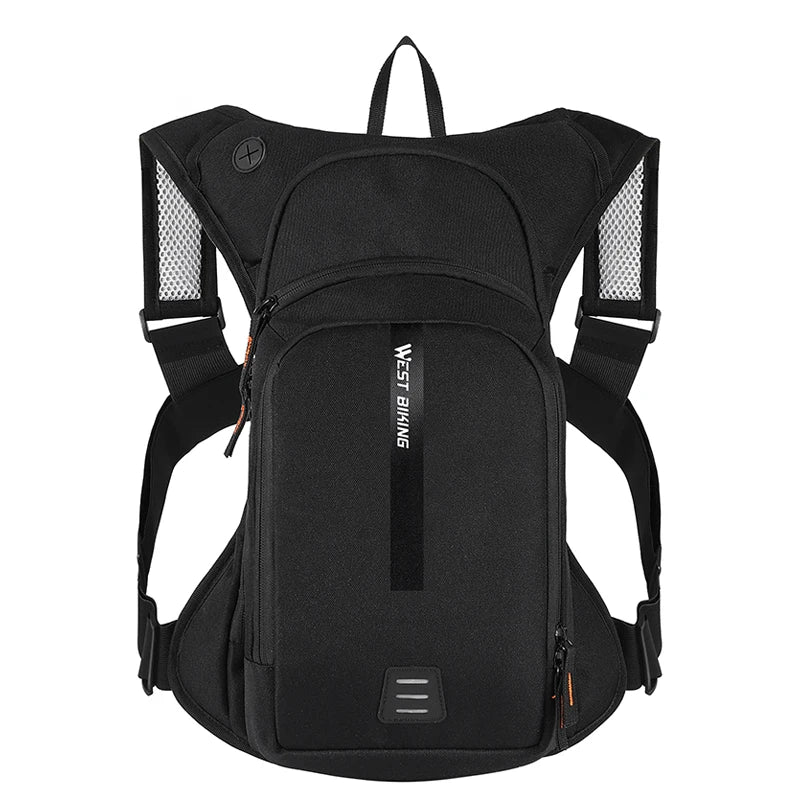
Guide To Ergonomic Backpacks For Biking Comfort
Not all packs are designed for biking. Ergonomics matter when you're in motion.
Look for:
- Low-profile design to reduce wind resistance
- Chest and waist straps for stability
- Flexible frame that moves with your body
- Lightweight build to reduce strain
Pairing your hydration pack with accessories from Running Belts & Packs can further enhance mobility.
💡 See it in action
Hydration Tips For Family Outdoor Adventures
Keeping everyone hydrated—especially kids—can be challenging.
- Assign each family member their own hydration pack
- Use smaller reservoirs for children
- Schedule hydration breaks every 20–30 minutes
- Combine with snacks stored in Food Storage Bags & Containers
Families often report fewer complaints and more enjoyment when hydration becomes effortless.
Real outdoor feedback
"We used to stop constantly for water. After switching to hydration packs, our kids actually drink more—and complain less."
Adding comfort items from Family Outdoor Bundles can make trips even smoother.
How To Use A Hydration Pack Step By Step
-
Fill the reservoir
Use clean water or electrolyte mix. -
Seal tightly
Prevent leaks before placing inside the pack. -
Insert into compartment
Ensure it sits flat to avoid pressure points. -
Route the tube
Position it over your shoulder for easy access. -
Adjust straps
Secure the pack snugly to prevent bouncing. -
Test before heading out
Take a few sips to ensure flow is smooth.
For added safety, carry essentials from First Aid Kits during longer trips.
Hydration Pack vs Traditional Bottles
| Feature | Hydration Pack | Water Bottle |
|---|---|---|
| Accessibility | Hands-free sipping | Requires stopping |
| Capacity | Up to 3L | Usually under 1L |
| Convenience | High | Moderate |
| Mobility | Excellent | Limited |
Many hikers upgrade after experiencing the difference firsthand.
Essential Packing Checklist For Hydration Pack Users
- Hydration pack (filled and tested)
- Snacks and energy bars
- Lightweight rain gear from Rain Ponchos & Capes
- Navigation tools
- Emergency items from Safety, Survival & Emergency
For longer trips, include backup solutions like Personal Water Filters.
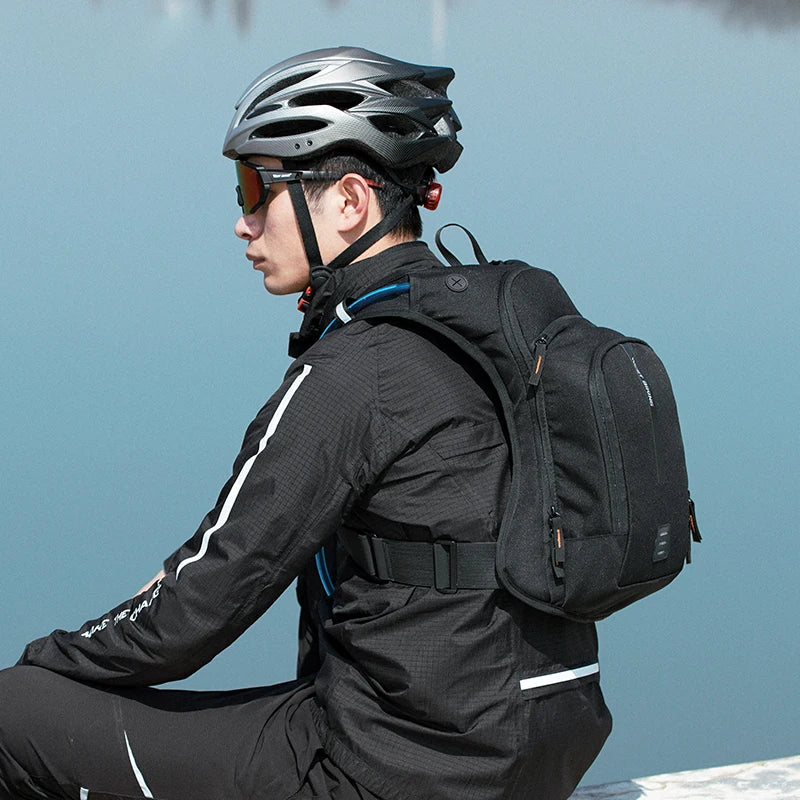
Why This Hydration Pack Makes Outdoor Adventures Easier
Hydration pack outdoor products simplify movement, reduce fatigue, and improve hydration consistency. With ergonomic design, lightweight structure, and hands-free access, they offer a practical upgrade for hiking and biking. Users report better endurance, fewer breaks, and a more enjoyable outdoor experience overall.
- Lightweight and compact design
- Optimized for comfort and airflow
- Perfect for hiking, cycling, and travel
- Reliable for both solo and family use
Explore it here: 10L Ultralight Cycling Backpack
👉 Get yours now before your next trip! Stay hydrated, stay moving, and enjoy every mile.
💡 See it in action
Frequently Asked Questions
How much water should a hydration pack hold?
Most hydration packs hold between 1 to 3 liters. For short hikes, 1–2 liters is enough, while longer or hotter trips may require 3 liters to maintain proper hydration levels.
Are hydration packs better than water bottles?
Yes, for active movement. Hydration packs provide hands-free access, making it easier to drink regularly without stopping, which improves endurance and comfort.
Can kids use hydration packs?
Absolutely. Many brands offer smaller, lightweight options designed specifically for children, making hydration easier during family outdoor adventures.
How do you clean a hydration pack?
Rinse the reservoir with warm water, use a cleaning brush for the tube, and let all parts air dry completely to prevent bacteria buildup.
Related Articles:
- Hydration Pack For Day Hike: How To Pack Efficiently
- Hydration Bags For Hiking: How To Choose And Pack Right
- Hydration Pack In Backpack: Step-By-Step Setup Guide
- Hydration Pack Reservoir: How To Fill, Clean, And Maintain
Pillar Articles:





