

Zipper Poncho Liner For Cold Wet Conditions Explained
What Is A Zipper Poncho Liner And Why Do Hikers Use It?
A zipper poncho liner adds lightweight insulation inside a rain poncho to help hikers stay warmer during cold, wet conditions. Unlike bulky jackets, a zipper poncho liner traps body heat while still allowing ventilation and mobility. Many backpackers use it with multi use camping rain poncho gear systems because it packs small, dries faster, and helps prevent wet gear ruining hiking backpack contents during storms.
Zipper Poncho Liner For Cold Wet Conditions Explained
⏱ 8 min read
Cold rain can turn a great hiking trip into a miserable overnight experience fast. Wet clothes, soaked sleeping gear, and freezing wind often catch hikers off guard, especially during shoulder-season adventures. A zipper poncho liner gives outdoor travelers a lightweight way to stay warmer without overloading backpacks. Combined with multi use camping rain poncho gear, this setup creates a practical shelter and insulation system that works surprisingly well in unpredictable weather.
Have you ever opened your backpack after hours of rain only to discover damp clothes, wet electronics, and a soaked sleeping layer? That moment ruins trips for many hikers more than the weather itself.
A growing number of backpackers now combine zipper poncho liner systems with lightweight shelters to create flexible all-weather setups. Instead of carrying multiple heavy layers, they use modular gear that adapts quickly during storms, camp setup, and cold overnight conditions.
Explore the versatile 3-in-1 Rain Poncho Shelter for lightweight rain protection, emergency shelter coverage, and fast cold-weather layering support.
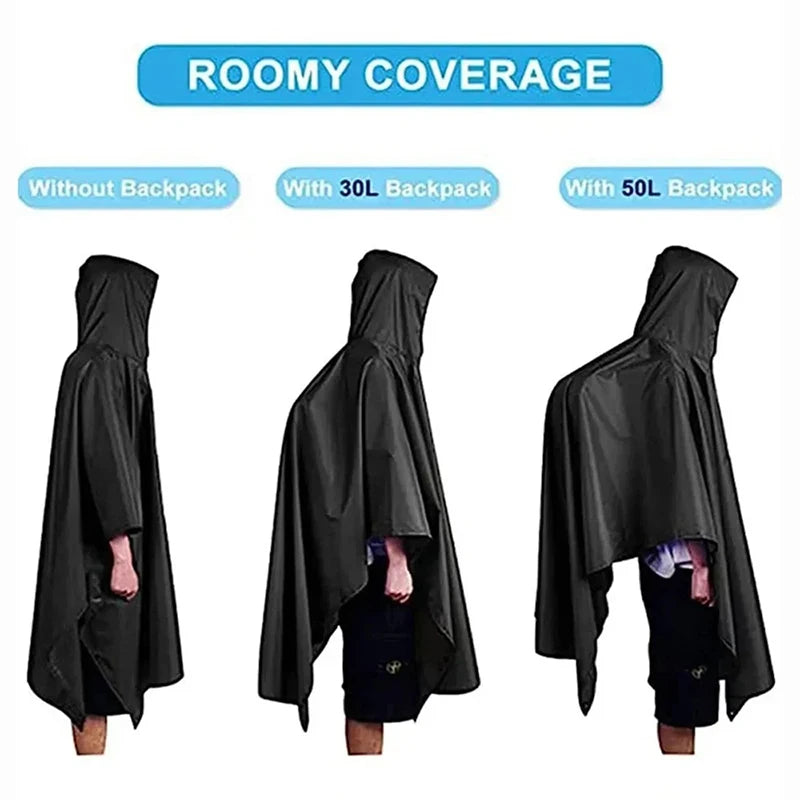
💡 See it in action
Why Cold Rain Becomes Dangerous Faster Than Most Hikers Expect
Cold rain removes body heat rapidly, especially when wind enters damp clothing layers. Many hikers underestimate how quickly body temperature drops once insulation gets wet.
Even experienced campers can struggle when:
- Wind penetrates soaked outer layers
- Backpack contents absorb moisture
- Night temperatures suddenly drop
- Campsites remain muddy for hours
- Heavy rain jackets trap sweat inside clothing
A zipper poncho liner helps by adding a warm insulating layer beneath weather protection while maintaining airflow. That balance matters because trapped sweat can become just as uncomfortable as rainwater.
For extra protection during prolonged storms, many hikers pair poncho liners with gear from Waterproof & Dry Bags and Compression & Packing Bags to separate wet clothing from sleeping gear.
How A Zipper Poncho Liner Keeps You Warmer Without Heavy Layers
A zipper poncho liner provides lightweight insulation that works under ponchos, around camp, or inside emergency shelters. Its biggest advantage is versatility during changing weather conditions.
Why Lightweight Warmth Matters During Hiking
Heavy insulated jackets often become uncomfortable during active movement. Hikers sweat, then cool down rapidly when stopping.
A zipper poncho liner helps regulate comfort because it:
- Creates airflow underneath the poncho
- Retains warmth even during damp conditions
- Packs smaller than thick insulated coats
- Functions as camp insulation after hiking
- Works inside shelters or sleeping systems
Many hikers using Rain Ponchos & Capes appreciate the extra mobility compared to stiff rain jackets.
Why Modular Gear Makes Packing Easier
Outdoor travelers increasingly prefer modular systems over single-purpose equipment.
| Traditional Setup | Zipper Poncho Liner Setup |
|---|---|
| Heavy rain jacket | Lightweight poncho + liner |
| Separate camp blanket | Liner doubles as insulation |
| Bulky emergency tarp | Poncho converts into shelter |
| Limited airflow | Better ventilation while moving |
This flexibility explains why multi use camping rain poncho gear has become popular among ultralight backpackers and car campers alike.
Best Outdoor Situations For A Zipper Poncho Liner
Not every trip requires a poncho liner system. However, certain environments make it extremely valuable.
Cold Spring And Fall Hiking Trips
Temperatures during spring and fall often shift quickly between warm afternoons and freezing evenings.
A zipper poncho liner allows hikers to adapt without unpacking multiple clothing layers constantly.
Multi-Day Backpacking Adventures
Longer trips increase the odds of encountering storms. Once gear becomes soaked, morale and safety both decline rapidly.
Using products from Backpacking & Carry together with a compact hiking poncho with storage bag helps keep essential equipment protected.
Emergency Shelter Situations
Unexpected overnight stops happen more often than people think.
A poncho shelter combined with insulation from a zipper liner can help hikers stay warmer while waiting out storms or setting up camp.
The 3-in-1 Rain Poncho Shelter works as rain protection, emergency coverage, and a lightweight camp solution during unpredictable weather.
How To Prevent Wet Gear Ruining Hiking Backpack Contents
One of the biggest outdoor frustrations is discovering soaked gear after hours of rain exposure.
Wet gear ruining hiking backpack contents usually happens because water enters through zippers, seams, or poorly packed compartments.
Simple Ways To Keep Backpack Contents Dry
- Separate dry clothing into waterproof storage bags
- Store electronics inside sealed organizers
- Keep sleeping layers compressed and elevated
- Use ponchos that cover both body and backpack
- Avoid opening the main pack compartment during heavy rain
Experienced hikers often combine poncho systems with Gear Organizers & Pouches and Camping Storage & Boxes for better moisture control.
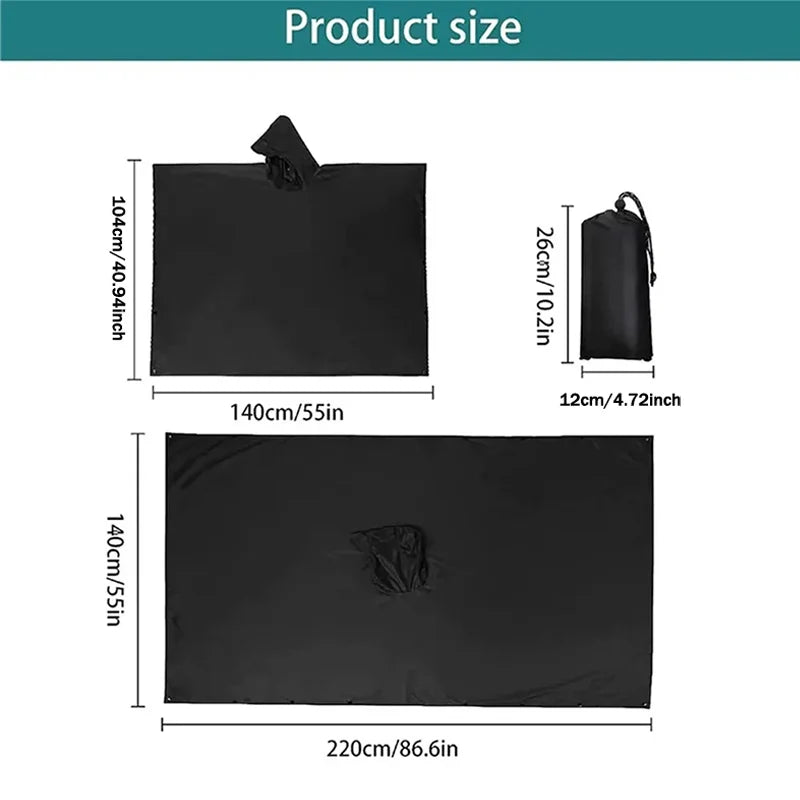
💡 See it in action
How To Build A Smarter Wet Weather Layering System
Staying comfortable in cold rain is less about owning expensive gear and more about layering correctly.
A Practical Cold Wet Weather Clothing Setup
| Layer | Purpose |
|---|---|
| Moisture-wicking base layer | Moves sweat away from skin |
| Zipper poncho liner | Adds lightweight insulation |
| Rain poncho shelter | Blocks rain and wind |
| Dry backup socks | Prevents overnight chilling |
| Compact shelter system | Creates emergency coverage |
Many campers also combine these systems with products from Ground Sheets & Tarps and Wind & Cold Protection for better overnight comfort.
Why Breathability Matters More Than Extreme Waterproofing
Completely sealed rain gear often traps heat and sweat inside.
That moisture eventually cools the body once movement slows. Poncho systems improve ventilation naturally, which helps reduce overheating during uphill hikes.
What Real Campers Say After Switching To Poncho Liner Systems
Outdoor travelers often discover the benefits only after experiencing difficult weather firsthand.
"I stopped carrying a bulky rain jacket on weekend hikes. My poncho liner setup keeps me warmer at camp and packs down smaller." — Colorado backpacker
"During a windy coastal trip, the liner made a huge difference after sunset. My clothes stayed dry, and my sleeping setup stayed warmer." — Pacific Northwest camper
"The biggest win was keeping my backpack protected while hiking in heavy rain for hours." — Appalachian trail hiker
These experiences explain why compact hiking poncho with storage bag systems continue gaining popularity among minimalist outdoor travelers.
Poncho Liner Vs Traditional Rain Jackets
Choosing the right rain setup depends on hiking style, weather conditions, and pack weight goals.
| Feature | Zipper Poncho Liner System | Traditional Rain Jacket |
|---|---|---|
| Ventilation | Excellent airflow | Often limited |
| Packability | Compact and lightweight | Moderate bulk |
| Backpack Coverage | Covers body and backpack | Usually backpack exposed |
| Multi-use Functionality | Shelter + warmth + rain protection | Mainly rain protection |
| Camp Comfort | Useful after hiking | Limited insulation |
Hikers focused on adaptability often prefer poncho liner systems because they support multiple outdoor tasks without requiring extra equipment.
Cold Wet Weather Packing Checklist
Before heading into rainy environments, many experienced hikers use simple packing systems to stay organized and dry.
- Compact hiking poncho with storage bag
- Zipper poncho liner
- Waterproof dry bags
- Extra socks and gloves
- Portable emergency lighting
- Compact shelter tarp
- Insulated sleeping layer
- Backup fire-starting kit
Helpful additions can include gear from Fire Starters & Ignition, Emergency Lighting, and Blankets & Sleeping Comfort.
How To Choose The Right Compact Hiking Poncho With Storage Bag
The best systems combine weather resistance, airflow, and versatility without becoming bulky.
When comparing options, look for:
- Full backpack coverage
- Fast-drying materials
- Integrated zipper compatibility
- Compact storage size
- Reinforced seams for wind resistance
- Multi-use shelter functionality
A practical setup should support hiking, campsite protection, emergency coverage, and overnight comfort all in one lightweight package.
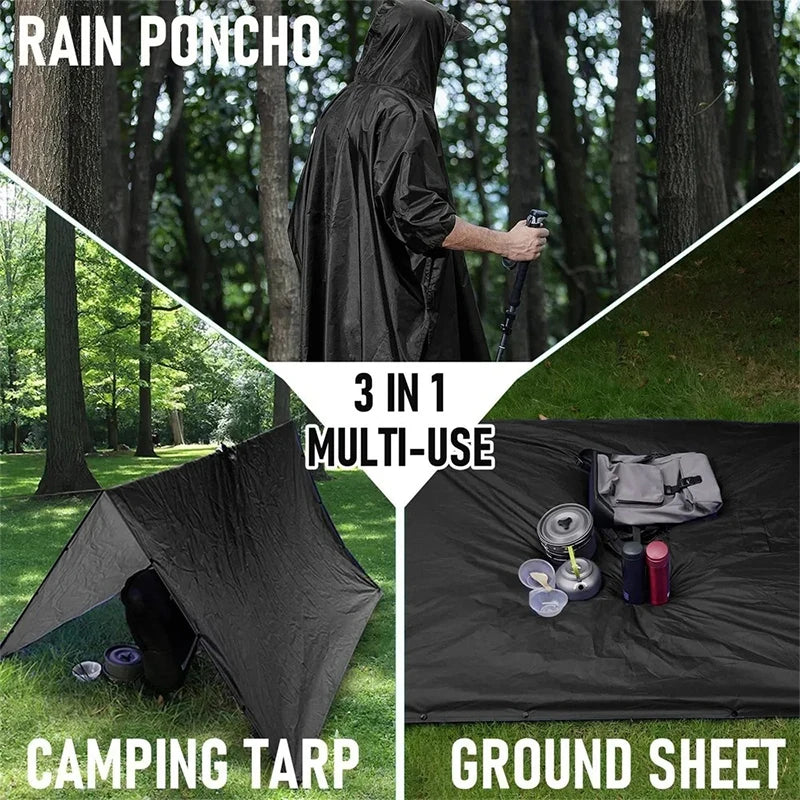
💡 See it in action
Why More Outdoor Travelers Are Switching To Modular Rain Protection
Weather changes quickly in the outdoors, especially during mountain hikes, coastal trips, and shoulder-season camping adventures.
That unpredictability is exactly why modular rain systems continue growing in popularity. Instead of carrying separate jackets, blankets, and emergency tarps, hikers can simplify their load while improving flexibility.
The combination of a zipper poncho liner and lightweight shelter system gives travelers:
- Better warmth retention during cold rain
- Reduced pack weight
- Improved ventilation during movement
- Faster setup during emergencies
- Better backpack coverage during storms
Prepare for cold rain, windy campsites, and unpredictable trails with the 3-in-1 Rain Poncho Shelter designed for lightweight outdoor protection and flexible layering.
Frequently Asked Questions
Is a zipper poncho liner warm enough for cold hiking trips?
Yes. A zipper poncho liner helps retain body heat during cold rain and windy conditions while remaining lighter and more breathable than bulky insulated jackets.
Can a poncho liner replace a sleeping bag?
Not entirely. However, many hikers use poncho liners to add warmth inside sleeping systems or during mild overnight camping conditions.
Why do hikers prefer ponchos over rain jackets?
Ponchos often provide better ventilation, improved backpack coverage, and multi-use shelter functionality compared to standard rain jackets.
How do I stop rain from soaking my backpack contents?
Use waterproof storage systems, avoid opening your pack during heavy rain, and choose ponchos large enough to cover both your body and backpack.
What makes a compact hiking poncho with storage bag useful?
Compact systems pack down easily, dry quickly, and reduce the need for carrying multiple bulky weather layers during outdoor trips.
Pillar Article: Poncho Wet Weather Army: Best Fit For Field Conditions
Other Related Articles:
Explore More:





