

Lightweight Rain Jacket For Hot Weather: Staying Dry Without Overheating
Lightweight Rain Jacket For Hot Weather: Staying Dry Without Overheating
⏱ 9 min read
Does a lightweight rain jacket for hot weather really keep you dry without overheating?
A lightweight rain jacket for hot weather helps hikers stay dry during sudden storms while reducing trapped heat and sweat buildup. Breathable fabrics, vented designs, and smart layering improve airflow, making humid-weather hiking more comfortable and safer during unexpected weather exposure on trails.
Lightweight rain jacket for hot weather adventures can completely change how you experience humid trails, mountain storms, and summer backpacking trips. The wrong rain shell can trap heat, soak your clothes with sweat, and turn a scenic hike into a miserable grind. This guide explains how to stay dry hiking storms, avoid overheating, and build smarter backpacking rain protection systems that actually work when weather changes fast.
Have you ever reached camp during a rainstorm only to realize your clothes are wetter from sweat than from the actual rain? That happens more often than most hikers expect.
Modern hikers want gear that stays light, breathable, and easy to pack while still offering dependable storm protection. The balance between airflow and waterproofing is where many jackets fail.
Explore weather-ready essentials like Weather Protection & Environment, Lightweight Daypacks, and Waterproof & Dry Bags before your next hiking trip.
💡 See it in action
Why Overheating Happens Inside Rain Gear
A lightweight rain jacket for hot weather should block rain while allowing excess body heat to escape. Unfortunately, many hikers buy fully waterproof shells designed for cold alpine environments rather than humid summer conditions.
When warm air gets trapped inside a jacket, sweat condenses against your clothing. Even high-end rain gear can feel swampy if ventilation is poor.
Common causes of overheating during storms
- Heavy waterproof coatings with low breathability
- No pit zips or airflow vents
- Layering too many thick clothing items underneath
- High humidity preventing sweat evaporation
- Overloaded backpacks increasing body temperature
Backpackers dealing with unexpected weather exposure on trails often make the mistake of sealing every opening tightly. While that blocks rain, it also traps moisture and heat.
Many experienced hikers now prefer modular rain systems that combine ponchos, ultralight shells, and ventilation-friendly accessories.
Best Features In A Lightweight Rain Jacket For Hot Weather
A lightweight rain jacket for hot weather performs best when it combines breathable fabric, strategic ventilation, and packable construction. The ideal setup protects against rain while minimizing heat retention, especially during humid climbs, fast-moving storms, and long-distance backpacking trips where comfort directly affects endurance.
Ventilation matters more than absolute waterproofing
During hot-weather hiking, airflow often matters more than maximum storm resistance. A slightly more breathable jacket may keep you drier overall because your sweat can escape.
- Look for pit zips or mesh-lined vents
- Choose adjustable cuffs for airflow control
- Use lightweight fabrics under 12 ounces
- Prioritize packability for fast weather changes
Why poncho-style systems are becoming popular again
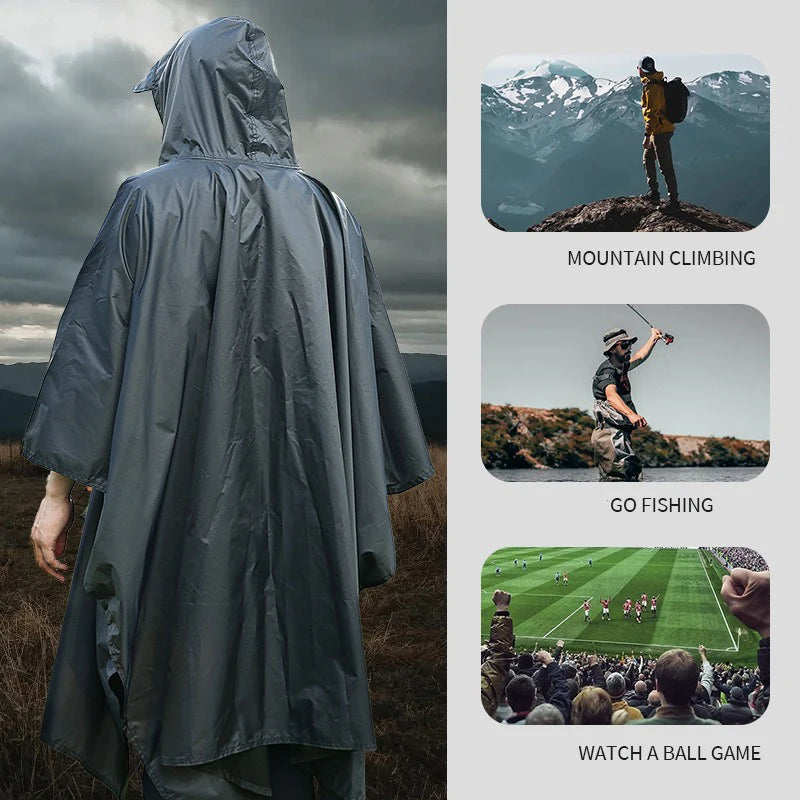
Many hikers are replacing traditional rain shells with multi-use rain ponchos because they allow significantly better airflow.
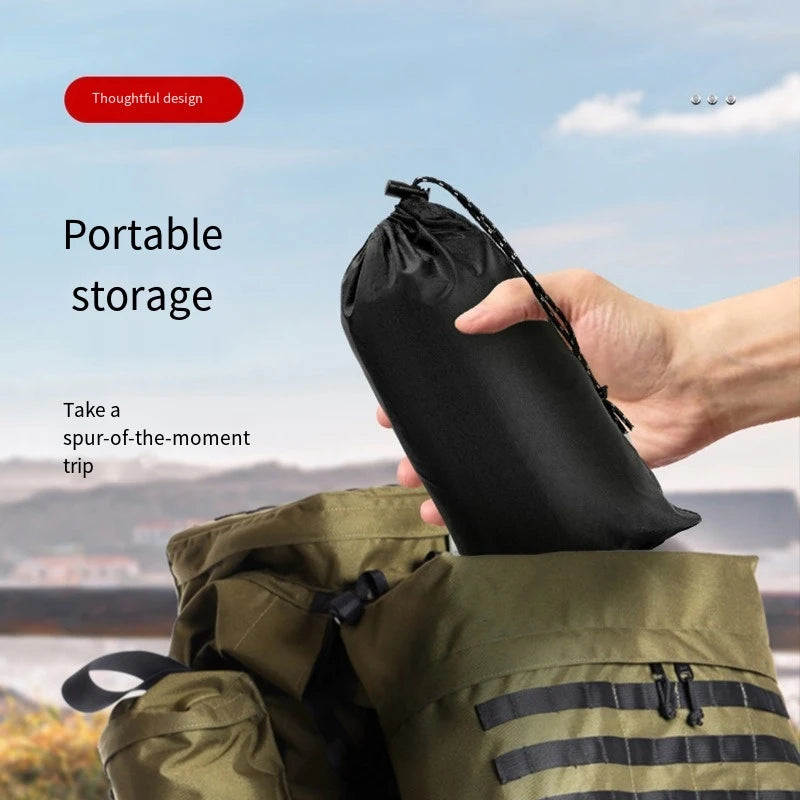
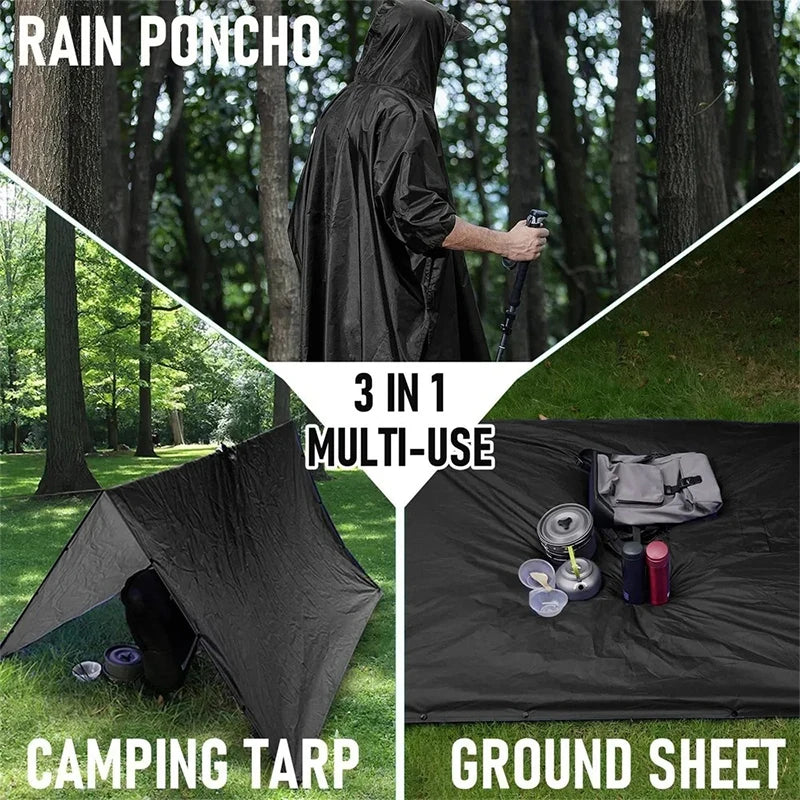
The 3-in-1 Rain Poncho Shelter offers coverage for both the hiker and backpack while doubling as emergency shelter protection during storms.
That flexibility becomes especially useful when lightweight rain gear failing backpackers becomes a real risk on exposed trails.
| Feature | Traditional Rain Jacket | Poncho-Style Rain System |
|---|---|---|
| Airflow | Moderate | Excellent |
| Backpack Coverage | Usually separate cover needed | Integrated coverage |
| Packability | Good | Excellent |
| Humid Weather Comfort | Can trap sweat | Better ventilation |
For hikers pairing rain protection with ultralight gear, products from Backpacking & Carry and Compression & Packing Bags help reduce bulk without sacrificing organization.
Mistakes Backpackers Make During Humid Rainstorms
One of the biggest trail mistakes is assuming “more waterproof” always means “better.” In humid environments, excessive waterproofing can create dangerous overheating.
The hidden danger of sweat saturation
Wet clothing from sweat increases chafing, reduces body temperature during rest stops, and can contribute to exhaustion.
Backpackers hiking in Florida, Southeast Asia, or Appalachian summer conditions often report greater discomfort from trapped sweat than actual rainfall.
- Heavy jackets increase fatigue
- Poor airflow causes overheating
- Wet base layers create friction
- Slow drying fabrics worsen discomfort
Trail runners and fast-packers increasingly pair ultralight rain protection with gear from Running Belts & Packs for better mobility during fast-moving storms.
Combine breathable protection with compact storage using Waterproof & Dry Bags, Portable Power Banks, and Weather Accessories for smarter storm preparation.
💡 See it in action
How Smart Layering Keeps You Cooler And Drier
A good rain jacket is only one piece of an effective backpacking rain protection system.
Use lightweight moisture-wicking layers
Instead of thick cotton shirts, experienced hikers use synthetic or merino wool base layers that dry quickly.
Pairing breathable clothing with lightweight outer protection dramatically improves comfort during long climbs.
Protect gear separately from your body
Many hikers overheat because they try to keep both themselves and their backpacks dry with one sealed jacket system.
Using separate waterproof storage allows more breathable clothing choices.
- Waterproof & Dry Bags protect electronics and clothing
- Gear Organizers & Pouches improve quick-access storage
- Collapsible Water Bottles reduce pack weight
- Personal Water Filters help reduce carried water load
Rain Protection Comparison Table
Which hot weather rain setup works best?
| Trail Situation | Recommended Setup | Main Benefit |
|---|---|---|
| Humid forest hiking | Ultralight poncho + synthetic layers | Maximum airflow |
| Mountain backpacking | Breathable shell + dry bags | Balanced protection |
| Fast trail running | Packable shell + running vest | Low weight and mobility |
| Multi-day camping | Poncho shelter system | Multi-use versatility |
Campers building complete storm-ready kits often combine rain protection with Ground Sheets & Tarps, Camping Tents & Shelter, and Emergency Lighting for safer overnight conditions.
How To Stay Dry Hiking Storms Without Heavy Gear
A lightweight rain jacket for hot weather works best when combined with proactive trail habits. Smart movement and timing can reduce exposure far more effectively than heavy clothing alone.
Practical storm strategies experienced hikers use
- Start hikes earlier to avoid afternoon heat storms
- Ventilate gear before sweating heavily
- Keep one dry clothing layer sealed in waterproof storage
- Use sheltered rest stops during intense rain bursts
- Reduce pace to lower body heat output
One Pacific Crest Trail backpacker described switching from a heavy waterproof shell to a breathable poncho system as “the difference between hiking in a sauna and actually enjoying summer rain.”
Another hiker in the Smoky Mountains reported that lightweight ventilation-focused gear reduced chafing and fatigue during multi-day thunderstorms.
Why emergency shelter versatility matters
Weather can shift rapidly on exposed trails. A modular system gives hikers more flexibility during emergencies.
The 3-in-1 Rain Poncho Shelter helps travelers adapt quickly by functioning as wearable rain protection and temporary shelter coverage.
For extended outdoor trips, many hikers also carry backup safety tools from Safety, Survival & Emergency and Emergency Road Kits.
Real Hiker Experiences In Hot Weather Storms
Arizona canyon traveler
“I stopped using thick waterproof jackets after overheating during monsoon season hikes. A breathable poncho setup kept me cooler and actually felt drier overall.”
Florida backpacker
“Humidity made my expensive rain shell unbearable. Switching to lightweight ventilation-focused gear completely changed my comfort level during summer storms.”
Car camper in the Pacific Northwest
“The ability to use one rain poncho as both protection and emergency shelter simplified my entire packing setup.”
Travelers pairing storm gear with Car Camping Accessories and Foldable Travel Gear often find it easier to adapt to unpredictable weather conditions.
Hot Weather Rain Protection Packing Checklist
- Breathable lightweight rain shell or poncho
- Moisture-wicking base layer
- Dry backup clothing in waterproof storage
- Compact emergency shelter
- Hydration system
- Portable lighting
- Trail nutrition and water purification
Helpful additions for hot-weather hikers include:
💡 See it in action
Stay Dry Without Turning Your Rain Gear Into A Sauna
A lightweight rain jacket for hot weather should help you move comfortably through storms instead of trapping heat and moisture. Breathable fabrics, modular protection systems, and smarter packing strategies make a major difference during humid adventures.
Whether you're tackling mountain switchbacks, summer backpacking trails, or unpredictable travel weather, choosing the right protection system can improve comfort, endurance, and safety.
Upgrade your storm-ready setup with the 3-in-1 Rain Poncho Shelter and pair it with essentials from Rain Ponchos & Capes and Weather Protection & Environment.
Frequently Asked Questions
What is the best lightweight rain jacket for hot weather?
The best option balances breathability, ventilation, and packability. Many hikers prefer ultralight poncho-style systems or shells with pit zips to reduce sweat buildup during humid hikes.
Why does rain gear feel hot during summer hiking?
Most overheating comes from trapped body heat and poor ventilation. Waterproof fabrics can prevent sweat evaporation, especially during steep climbs or humid conditions.
How do backpackers stay dry during sudden storms?
Experienced hikers combine breathable rain protection, waterproof storage systems, moisture-wicking clothing, and lightweight shelter options to manage unexpected weather exposure on trails.
Are ponchos better than rain jackets for humid weather?
Ponchos often provide better airflow and backpack coverage, making them popular for hot climates. However, they may offer less protection in strong wind conditions.
Pillar Article: Poncho Wet Weather Army: Best Fit For Field Conditions
Other Related Articles:
Explore More:





