

Good Rain Poncho Comparison: Which Keeps You Driest?
Good Rain Poncho Comparison: Which Keeps You Driest?
⏱ 9 min read
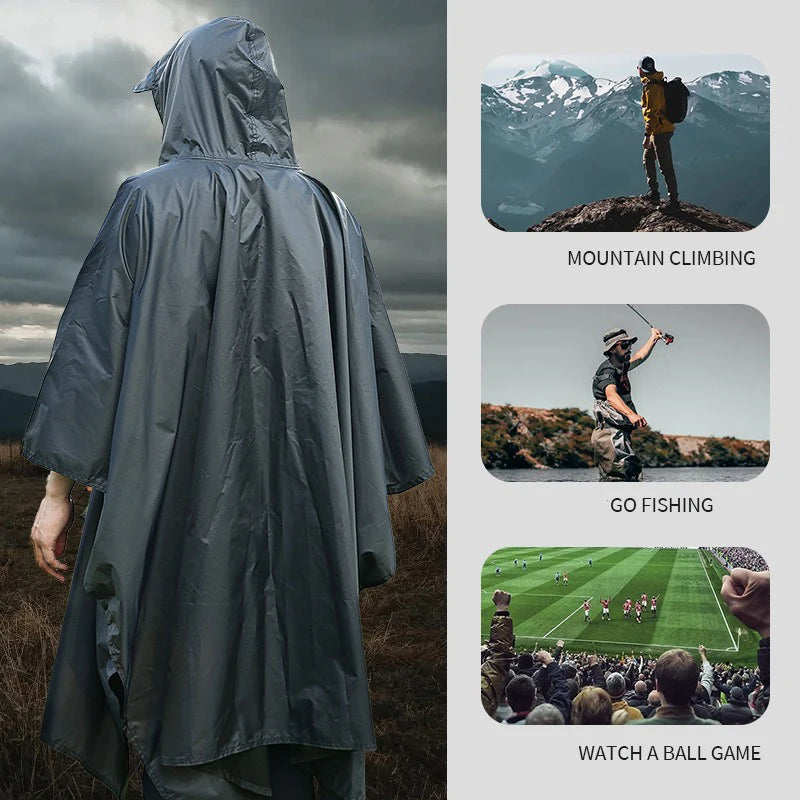
Does a good rain poncho really keep you dry on long hikes?
A good rain poncho can keep hikers surprisingly dry when it offers full backpack coverage, sealed seams, breathable ventilation, and durable waterproof fabric. The best designs reduce overheating while protecting gear during sudden storms, making them a smart choice for backpackers, day hikers, and travelers facing unpredictable weather.
Good rain poncho options can make the difference between a dry trek and a miserable hike. This comparison guide explores staying dry during sudden rain hikes, reveals why some backpacking poncho leaking in heavy rain complaints happen, and highlights compact designs worth packing for unpredictable outdoor adventures. Whether you're heading into mountain trails, car camping trips, or weekend backpacking routes, choosing the right poncho can protect your gear, improve comfort, and help you enjoy the journey even when the weather suddenly turns.
Have you ever started a hike under blue skies only to get soaked an hour later? Sudden storms catch outdoor travelers constantly, especially in mountain regions and forest trails.
The right rain poncho helps protect not just your clothes, but also your backpack, electronics, food, and emergency supplies. Unlike tight rain jackets, ponchos create airflow while covering more gear at once.
👉 Planning rainy adventures? Explore reliable weather-ready gear in Weather Protection & Environment and lightweight options from Rain Ponchos & Capes.
💡 See it in action
Why Hikers Choose Rain Ponchos Over Jackets
Rain jackets work well for short walks, but long-distance hikers often prefer ponchos because they protect both the body and backpack simultaneously.
Benefits hikers immediately notice
- More airflow during humid hikes
- Faster on-and-off changes during sudden weather shifts
- Full backpack coverage without extra rain covers
- Lighter packing weight for multi-day trips
- Better ventilation during steep climbs
Many backpackers also appreciate how ponchos can double as emergency shelters or ground covers during rough weather. Multi-use gear matters when every ounce counts.
For extra weather protection during overnight trips, many hikers combine ponchos with gear from Ground Sheets & Tarps and waterproof organization systems from Waterproof & Dry Bags.
What Makes a Good Rain Poncho Better in Heavy Rain?
A good rain poncho should balance waterproof protection, ventilation, durability, and packability. Models with sealed seams, extended coverage, adjustable hoods, and rip-resistant fabric perform far better during prolonged storms than thin emergency ponchos that tear easily or trap body heat.
Not all ponchos perform equally once conditions become windy or rainy for hours. Small design details make a huge difference outdoors.
Key features worth comparing
| Feature | Why It Matters | Best For |
|---|---|---|
| Sealed seams | Prevents water seepage | Heavy rain hiking |
| Extended back panel | Covers large backpacks | Backpacking trips |
| Ripstop nylon | Improves durability | Rocky terrain |
| Ventilation gaps | Reduces sweat buildup | Humid trails |
| Storage pouch | Faster packing | Travel and commuting |
One of the most frustrating experiences is overheating inside fully waterproof gear. Breathability matters almost as much as waterproofing.
That is why many hikers now choose ponchos designed with side ventilation and wider cuts rather than ultrathin plastic styles.
Why some ponchos fail during storms
- Poor seam construction
- Thin fabric that stretches under rain pressure
- Short length exposing legs and packs
- Weak hood adjustments during wind gusts
- No backpack expansion panel
Outdoor travelers dealing with extended wet conditions often pair rain protection with backup gear from Emergency Lighting and hydration support from Collapsible Water Bottles.
👉 Want better protection before your next hike? Check out the 3-in-1 Rain Poncho Shelter for lightweight coverage that also works as emergency shelter gear.
Side-by-Side Rain Poncho Comparison
| Poncho Type | Waterproofing | Breathability | Packability | Best Use |
|---|---|---|---|---|
| Emergency plastic poncho | Low | Very poor | Excellent | Short emergencies |
| Budget hiking poncho | Moderate | Average | Good | Casual hiking |
| Ripstop backpacking poncho | High | Good | Very good | Multi-day hikes |
| Poncho shelter hybrid | High | Very good | Moderate | Adventure travel |
Most experienced hikers eventually move beyond disposable ponchos because repeated trail use exposes weak stitching and poor water resistance quickly.
Backpackers crossing wet terrain often prefer hybrid designs because they add emergency shelter flexibility while saving pack space.

💡 See it in action
How to Stop Backpacking Poncho Leaking in Heavy Rain
Backpacking poncho leaking in heavy rain usually happens because of poor seam sealing, shoulder pressure from heavy packs, or water pooling around folds. Choosing reinforced waterproof fabric and adjusting backpack placement can dramatically reduce leaks during long-distance hiking.
Many hikers blame the rain itself when the real issue is improper setup or poor-quality materials.
Simple ways to improve rain protection
- Tighten hood adjustments before wind increases.
- Keep backpack straps underneath the poncho.
- Avoid sitting directly on wet ground while wearing it.
- Shake off pooled water during rest breaks.
- Store electronics inside dry bags for backup protection.
One Appalachian Trail hiker explained that switching from a cheap emergency poncho to a ripstop design stopped shoulder leaks immediately during week-long rain conditions.
Another traveler noted that adding organization pouches from Gear Organizers & Pouches kept dry clothes protected even after hours of nonstop rain.
Wind protection matters too
Heavy rain rarely comes alone. Wind can push water upward underneath open poncho sides.
For exposed mountain trails, hikers often combine ponchos with layers from Wind & Cold Protection to stay warm once temperatures drop.
Why Compact Hiking Ponchos With Storage Bags Matter
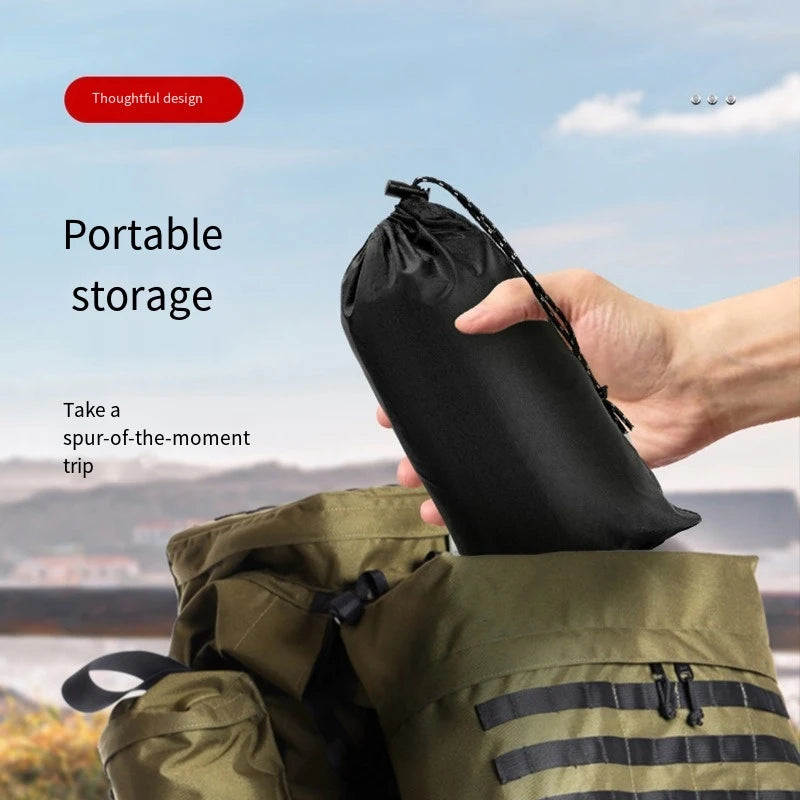
Compact hiking ponchos with storage bags help hikers react quickly to changing weather without wasting backpack space. Fast-access storage encourages hikers to use protection earlier instead of waiting until clothes and gear are already soaked.
Quick accessibility sounds minor until a storm suddenly appears halfway through a climb.
What makes compact storage useful?
- Faster access during unexpected storms
- Cleaner gear organization
- Easier packing inside small daypacks
- Reduced wet gear mess after rain ends
- Better portability during travel
Many outdoor travelers clip compact poncho pouches onto packs using gear from Hooks, Clips & Carabiners for instant access.
Lightweight travelers also pair compact ponchos with gear from Lightweight Daypacks to reduce unnecessary bulk during day hikes.
👉 Learn how to stay organized during wet hikes. Explore lightweight packing solutions from Compression & Packing Bags and waterproof storage from Waterproof & Dry Bags.
Which Poncho Fits Your Hiking Style?
Best for casual hikers
Day hikers often benefit from lightweight ponchos that prioritize ventilation and portability over extreme durability.
Best for backpackers
Long-distance hikers need reinforced waterproof fabric, larger backpack coverage, and durable seam sealing.
Best for car campers
Car campers can choose slightly heavier ponchos with extra comfort features because pack weight matters less.
Many families preparing for campground trips also browse Car Camping Accessories and Family Outdoor Bundles for weather-ready setups.
Best for emergency preparedness
Multi-use poncho shelters are useful for roadside emergencies, travel delays, and storm preparedness kits.
Travelers often combine them with supplies from Emergency Road Kits and backup charging gear from Portable Power Banks.
Rain Hiking Packing Checklist
Even the best poncho works better when paired with smart trail preparation.
- Waterproof poncho with sealed seams
- Dry bags for electronics
- Extra socks and gloves
- Compact emergency light
- Insulated food container
- Backup shelter tarp
- Water filter for long trails
Hikers preparing for overnight trips often add essentials from Personal Water Filters, Insulated Food Containers, and First Aid Kits.
💡 See it in action
What Real Hikers Notice After Switching
Outdoor users upgrading to higher-quality ponchos often report three major improvements:
- Less sweat buildup during steep climbs
- Better backpack protection in storms
- Faster setup during sudden weather changes
One traveler described finishing a rainy canyon hike with completely dry clothing while friends using basic jackets ended up soaked around the waist and backpack straps.
Another camper explained that a poncho shelter hybrid replaced both a rain layer and emergency tarp, saving valuable pack space.
Small gear upgrades can dramatically improve comfort outdoors, especially during unpredictable weather seasons.
Final Thoughts
A good rain poncho does far more than block rain. It protects gear, improves comfort, reduces overheating, and helps hikers stay flexible during unpredictable outdoor conditions.
The best option depends on how you travel. Casual hikers may value compact portability, while backpackers need reinforced waterproof performance that holds up during extended storms.
Choosing reliable rain protection before your next adventure can mean the difference between enjoying the trail and cutting the trip short.
👉 Get ready before the next storm hits. Explore the 3-in-1 Rain Poncho Shelter and discover more reliable gear from Weather Protection & Environment.
FAQ
What is the best material for a hiking rain poncho?
Ripstop nylon with waterproof coating is one of the best materials because it balances durability, waterproofing, and packability for outdoor use.
Why do some backpacking ponchos leak in heavy rain?
Leaks usually happen because of weak seam sealing, thin fabric, backpack pressure, or improper fit during windy conditions.
Are ponchos better than rain jackets for hiking?
Ponchos provide more ventilation and backpack coverage, while rain jackets offer a closer fit and better wind resistance.
How should I store a poncho after hiking?
Dry it completely before packing it into its storage pouch to prevent mildew, odors, and fabric damage.
Can a poncho work as emergency shelter gear?
Some poncho shelters are designed to double as tarps or emergency covers, making them useful for backpacking and survival situations.
Pillar Article: Rain Poncho Vs Rain Jacket: Best Comparison Guide For Hikers
Other Related Articles:
- Poncho Vs Rain Suit: Which Protects Better In Storms?
- Lightweight Rain Poncho For Travel: Top Picks Compared
- Gore Tex Ponchos Compared: Are They Worth It?
- Best Rain Hiking Pants Guide For Wet Trail Comfort
Explore More:





