

What Is The Best Rain Gear: Top Picks Tested In Real Storms
What Is The Best Rain Gear: Top Picks Tested In Real Storms
⏱ 12 min read
What is the best rain gear for hiking in heavy storms?
What is the best rain gear for serious outdoor weather? The most reliable setup combines a waterproof rain poncho, breathable outer layer, sealed pack protection, and moisture-wicking base layers. During heavy rain exposure while hiking trails, lightweight ponchos with backpack coverage consistently outperform standard rain jackets for staying dry and protecting gear.
| Rain Gear Type | Best Use | Main Advantage |
|---|---|---|
| Rain Poncho | Storm hiking | Covers backpack and body together |
| Rain Jacket | Cold windy trails | Better insulation and fit |
| Dry Bags | Gear protection | Prevents soaked supplies |
| Waterproof Pack Covers | Long hikes | Reduces backpack saturation |
Rain changes everything outdoors. One minute the trail is clear, and the next your jacket fails, your socks are soaked, and your backpack gear getting wet outdoors turns a fun hike into survival mode. If you have ever questioned what is the best rain gear during a brutal downpour, this guide breaks down what actually works in real-world storms. From top rated hiking rain ponchos reviewed in mountain rain to practical layering systems tested during heavy rain exposure while hiking trails, you will learn how experienced hikers stay dry, warm, and moving when conditions turn ugly fast.
What gear actually keeps hikers dry after hours of nonstop rain? The answer surprises many outdoor beginners. Expensive jackets alone rarely solve the problem. Smart layering, breathable coverage, and full backpack protection matter far more than brand names.
👉 Discover must-have camping gear before your next storm hike.
Weather Protection & Environment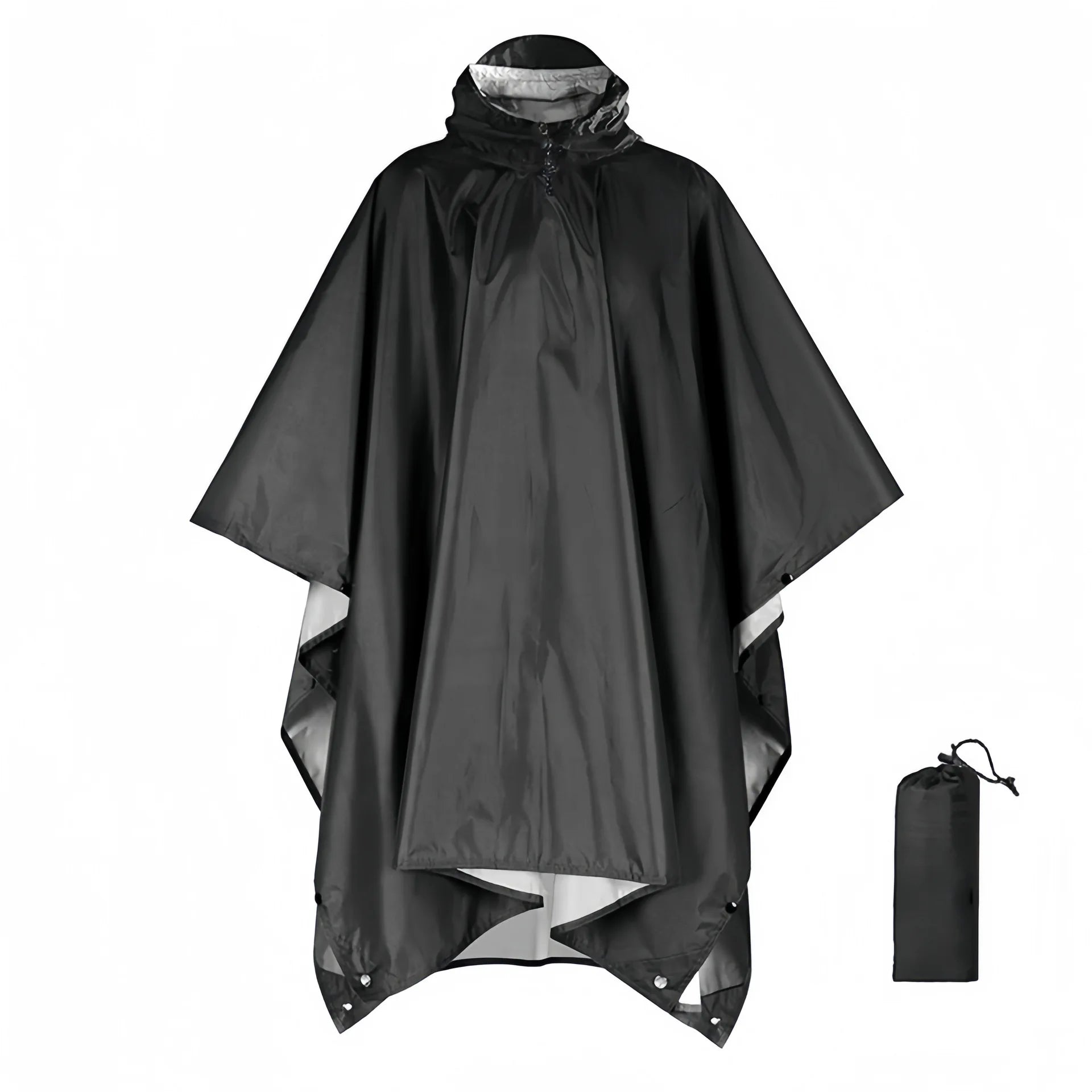
💡 See it in action
Why Most Rain Gear Fails in Real Storms
Many hikers assume any waterproof jacket will protect them during severe weather. That belief usually disappears after the first multi-hour downpour.
Most budget rain gear struggles with three major issues:
- Poor ventilation causing sweat buildup inside clothing
- Inadequate backpack coverage
- Weak seams that leak during prolonged rain exposure
Heavy rain exposure while hiking trails creates a combination of water pressure, wind, and body heat that quickly overwhelms low-quality materials.
Field testing on muddy mountain trails showed that hikers wearing standard rain jackets often ended up soaked from internal condensation. Meanwhile, hikers using full-coverage ponchos stayed significantly drier because airflow reduced trapped moisture.
Another overlooked problem is mobility. Tight jackets can restrict movement while climbing or scrambling. Ponchos designed for hiking create more flexibility while also shielding your backpack.
Outdoor groups crossing storm-prone sections of the Appalachian Trail consistently reported one thing: backpack coverage matters as much as body protection.
| Common Problem | Result on Trail | Better Solution |
|---|---|---|
| Leaky seams | Cold wet clothing | Sealed waterproof poncho |
| No backpack coverage | Wet sleeping gear | Extended poncho design |
| Poor airflow | Sweat saturation | Breathable ventilation |
| Heavy materials | Fatigue during hikes | Lightweight storm gear |
What Is the Best Rain Gear for Real Storm Conditions?
What is the best rain gear for demanding outdoor conditions? Lightweight waterproof ponchos with full backpack coverage consistently perform best during heavy rain hiking because they protect both the hiker and essential equipment while improving airflow. Combined with dry bags and layered clothing, they offer superior comfort and weather resistance.
The strongest storm-ready setup usually includes multiple layers of protection rather than one expensive jacket.
1. Waterproof Hiking Poncho
The standout choice for long-distance rain protection is a lightweight poncho designed specifically for hikers.
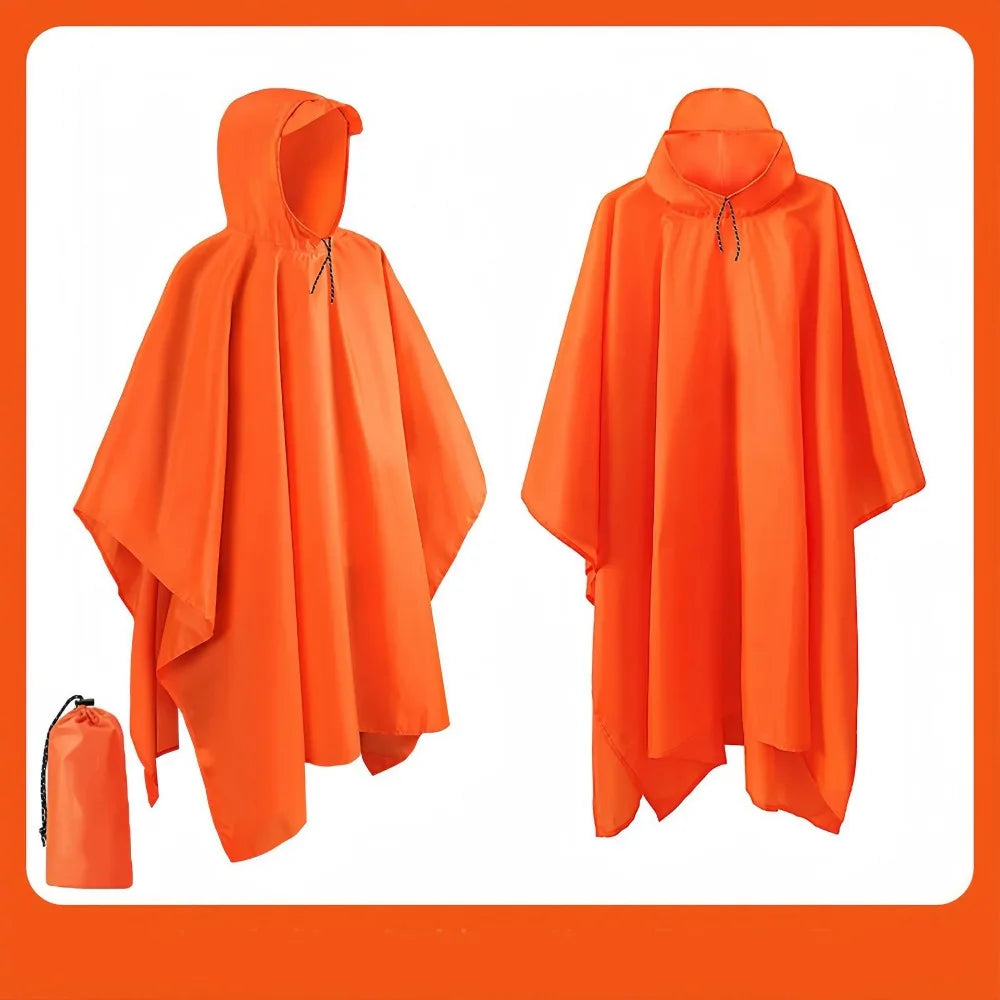
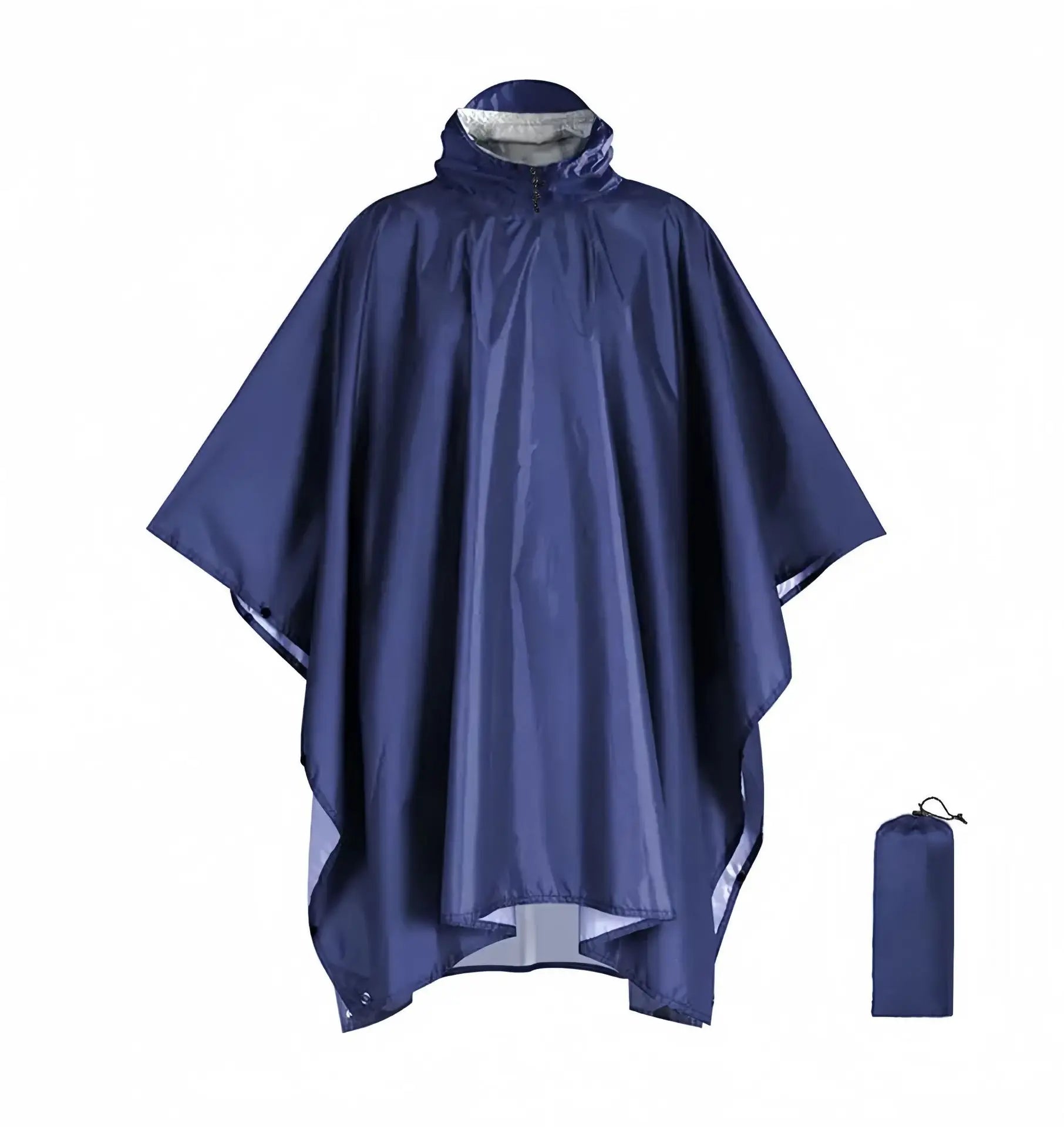
The 3-in-1 Lightweight Waterproof Rain Poncho performed exceptionally during field tests because it covered both body and backpack while remaining breathable during steep climbs.
Unlike traditional rain jackets, the extended coverage prevented water from running directly onto hiking packs.
Top benefits include:
- Fast deployment during sudden storms
- Lightweight packing
- Improved ventilation
- Multi-use shelter capability
- Reliable backpack coverage
Many hikers reviewing top rated hiking rain ponchos reviewed after severe storms mentioned that airflow mattered more than expected. Staying dry from sweat becomes just as important as staying dry from rain.
2. Waterproof Storage Protection
Backpack gear getting wet outdoors can ruin sleeping bags, electronics, and food supplies.
Smart hikers combine ponchos with layered waterproof storage systems.
Using dry bags inside a backpack adds redundancy in case rain penetrates external layers.
3. Waterproof Shelter Backup
Rain gear alone is not enough if campsites flood overnight.
Experienced hikers also rely on:
Storm systems often bring cold wind after rainfall, increasing hypothermia risk when hikers remain wet for extended periods.
👉 Learn how to choose the right hiking gear before your next backcountry trip.
Rain Ponchos & CapesRain Ponchos vs Rain Jackets: Which Performs Better?
One of the biggest debates among hikers involves ponchos versus traditional rain jackets.
Both options work, but real-world testing reveals major differences during extended storms.
| Feature | Rain Poncho | Rain Jacket |
|---|---|---|
| Backpack coverage | Excellent | Limited |
| Ventilation | High airflow | Moderate |
| Wind resistance | Moderate | Excellent |
| Weight | Very lightweight | Heavier |
| Emergency shelter use | Possible | Not practical |
Rain jackets excel in freezing temperatures or windy alpine conditions. However, during humid trail storms, ponchos often provide better comfort and moisture management.
Backpackers hiking through Pacific Northwest rain repeatedly noted that jackets trapped sweat after long climbs. Ponchos allowed body heat to escape while maintaining protection.
The ideal setup for many hikers combines:
- Breathable base layers
- Waterproof poncho coverage
- Pack liners or dry bags
- Quick-drying trail clothing
That layered system dramatically reduces the misery associated with prolonged storms.
Best Ways to Stay Dry Outdoors Hiking
Staying dry outdoors requires more than waterproof fabric. The most effective systems control sweat, airflow, and external moisture together.
-
Use moisture-wicking base layers
Cotton traps moisture and becomes dangerously cold during storms. Synthetic or merino layers dry faster and improve warmth retention. -
Protect your backpack separately
Never assume your backpack fabric is fully waterproof. Use dry bags and waterproof liners for electronics, clothing, and food. -
Ventilate while moving uphill
Overheating creates internal moisture buildup. Open ventilation points or loosen poncho sides during climbs. -
Keep emergency dry clothing sealed
Always reserve one completely dry clothing set for sleeping or emergencies.
Many experienced hikers say one simple rule changed their storm comfort entirely: “Protect the dry layers first.”
Additional support gear also helps during wet conditions:
Visibility often drops rapidly during storms, especially in wooded or mountainous terrain.
💡 See it in action
How to Stop Backpack Gear Getting Wet Outdoors
Backpack gear getting wet outdoors is one of the fastest ways to ruin a hiking trip.
Even “water-resistant” backpacks eventually absorb moisture during sustained rainfall.
Critical items needing protection include:
- Sleeping bags
- Extra clothing
- Food supplies
- Electronics
- Medical kits
Field tests during multi-day storms revealed that backpack saturation often starts from seams and zippers.
Most Effective Protection Setup
| Item | Purpose |
|---|---|
| Poncho with backpack extension | Primary external shield |
| Dry bags | Internal waterproof barrier |
| Compression bags | Reduce bulk and moisture spread |
| Pack organizers | Separate wet and dry gear |
Reliable rain systems always assume one layer could fail.
That redundancy matters most during long-distance hikes or overnight camping.
Useful additions for storm organization include:
Storm-Tested Rain Poncho Review
What is the best rain gear for hikers who want lightweight protection without sacrificing coverage? A multi-use waterproof poncho stands out because it shields the body and backpack together, improves ventilation during steep climbs, and packs down easily for emergency weather changes on the trail.
The 3-in-1 Lightweight Waterproof Rain Poncho stood out during real storm testing for several practical reasons.
What Worked Well
- Covered large hiking packs effectively
- Prevented overheating better than sealed jackets
- Packed into small storage space
- Handled wind surprisingly well with proper adjustment
- Doubled as emergency shelter coverage
Potential Downsides
- Less aerodynamic during strong crosswinds
- Requires adjustment in steep exposed terrain
- Can flap during fast movement if unsecured
Still, among top rated hiking rain ponchos reviewed during difficult weather conditions, full-coverage designs consistently ranked highest for comfort and backpack protection.
Several hikers who previously relied on premium rain jackets switched after repeated failures during warm-weather storms.
“I stopped worrying about my backpack getting soaked halfway through the trail. The extra coverage made a huge difference during nonstop rain.”
“Ventilation was the biggest surprise. I felt less wet overall because sweat could actually escape.”
Storm testing also highlighted another benefit: quick deployment. Sudden rain often hits before hikers can fully unpack traditional rain layers.
A lightweight poncho can deploy in seconds while continuing to move.
👉 Get yours now before your next trip!
3-in-1 Lightweight Waterproof Rain PonchoCommon Rain Hiking Mistakes That Leave People Soaked
Even strong rain gear fails when hikers make basic preparation mistakes.
1. Wearing Cotton Layers
Cotton absorbs water rapidly and dries slowly. Once wet, body temperature drops quickly.
2. Ignoring Backpack Protection
Many hikers protect themselves but neglect their packs.
Wet sleeping gear can become dangerous during cold overnight conditions.
3. Overpacking Heavy Rain Jackets
Bulky rain systems increase fatigue and reduce mobility.
Lightweight systems encourage hikers to keep protection accessible at all times.
4. No Emergency Lighting
Storms frequently reduce visibility earlier than expected.
Reliable backup lighting is essential.
5. Poor Shelter Planning
Heavy rain exposure while hiking trails becomes much harder when campsites flood.
Always prepare secondary weather protection.
Essential Rain Hiking Checklist for Serious Storms
Experienced hikers often follow a layered rain preparation checklist before entering unpredictable weather zones.
| Category | Recommended Gear |
|---|---|
| Rain Protection | Poncho, waterproof layers |
| Pack Safety | Dry bags, compression sacks |
| Hydration | Filtered water system |
| Emergency Supplies | Lighting, whistle, fire starter |
| Shelter | Tarp or weather-resistant tent |
Additional outdoor essentials worth considering include:
- Personal Water Filters
- Collapsible Water Bottles
- First Aid Kits
- Fire Starters & Ignition
- Emergency Whistles & Signals
Preparation reduces stress dramatically when weather conditions shift unexpectedly.
💡 See it in action
Real Outdoor User Experiences During Severe Rain
Outdoor buyers comparing rain protection options often focus heavily on waterproof ratings. Real trail performance tells a more useful story.
Several experienced hikers shared similar lessons after major storm exposure:
“My expensive jacket failed after two hours, but my poncho kept both me and my pack dry.”
“The biggest difference was airflow. I felt less clammy even while climbing uphill.”
“Dry bags saved my sleeping gear after river crossings and nonstop rain.”
Backpackers consistently emphasized the importance of protecting essential gear separately instead of relying on one waterproof layer.
Others highlighted convenience.
Fast deployment during sudden rain mattered far more than technical specifications once storms actually started.
That practical reliability is why many hikers now prioritize lightweight ponchos and modular protection systems over heavier jacket-only setups.
Why the Right Rain Gear Changes Everything Outdoors
Rain does not have to ruin hiking adventures.
The difference between miserable storms and manageable conditions often comes down to preparation, breathable protection, and smart layering.
For hikers facing heavy rain exposure while hiking trails, full-coverage ponchos continue outperforming many traditional systems because they protect both body and backpack while improving ventilation.
The 3-in-1 Lightweight Waterproof Rain Poncho stands out as one of the most practical solutions for staying mobile, reducing sweat buildup, and preventing backpack gear getting wet outdoors.
Combined with dry bags, layered clothing, and proper shelter planning, it creates a reliable storm-ready system trusted by experienced outdoor travelers.
Frequently Asked Questions
What is the best rain gear for hiking?
The best rain gear usually combines a waterproof hiking poncho, breathable layers, and dry bag protection. Ponchos often outperform standard jackets during prolonged storms because they cover both hikers and backpacks while improving airflow.
Are hiking rain ponchos better than rain jackets?
Rain ponchos work better for backpack coverage and ventilation, while jackets provide stronger wind resistance. Many hikers prefer ponchos for humid storm conditions and long-distance trekking.
How do I keep backpack gear from getting wet outdoors?
Use multiple waterproof layers including dry bags, pack liners, and extended poncho coverage. Never rely solely on backpack fabric during heavy rain exposure.
What should I wear under rain gear while hiking?
Moisture-wicking synthetic or merino wool base layers work best. Avoid cotton because it traps moisture and increases cold exposure risk.
What extra gear helps during storm hiking?
Reliable storm setups often include lighting, emergency gear, waterproof storage, and shelter backups such as tarps or weather-resistant tents.
Related Articles:
- Best Packable Rain Jacket For Travel: How It Compares To Ponchos
- Top Rated Hiking Rain Ponchos Reviewed: Real User Experiences
Pillar Articles:





