

Heavy Duty Poncho Rain Gear: Why It Outperforms Jackets In Storms
Heavy Duty Poncho Rain Gear: Why It Outperforms Jackets In Storms
⏱ 12 min read
Does heavy duty poncho rain gear work better than jackets in storms?
Heavy duty poncho rain gear protects both hikers and backpacks during sudden downpours, making it more effective than many rain jackets in severe weather. A durable PU waterproof rain poncho outdoor setup improves airflow, reduces overheating, prevents backpack gear getting wet outdoors, and delivers wider coverage during heavy rain exposure while hiking trails.
Unexpected storms can turn a great hiking trip into a miserable experience within minutes. Wet backpacks, soaked clothing, trapped body heat, and restricted movement are common frustrations when relying only on traditional rain jackets. What gear actually keeps you dry without slowing you down? Heavy duty poncho rain gear offers a smarter solution for hikers, campers, backpackers, and outdoor travelers who need wider protection, better ventilation, and reliable coverage during harsh weather conditions.
🌧️ Storms change fast on the trail. Explore the 3-in-1 Lightweight Waterproof Rain Poncho before your next outdoor trip.
💡 See it in action
Why Heavy Duty Ponchos Outperform Traditional Rain Jackets
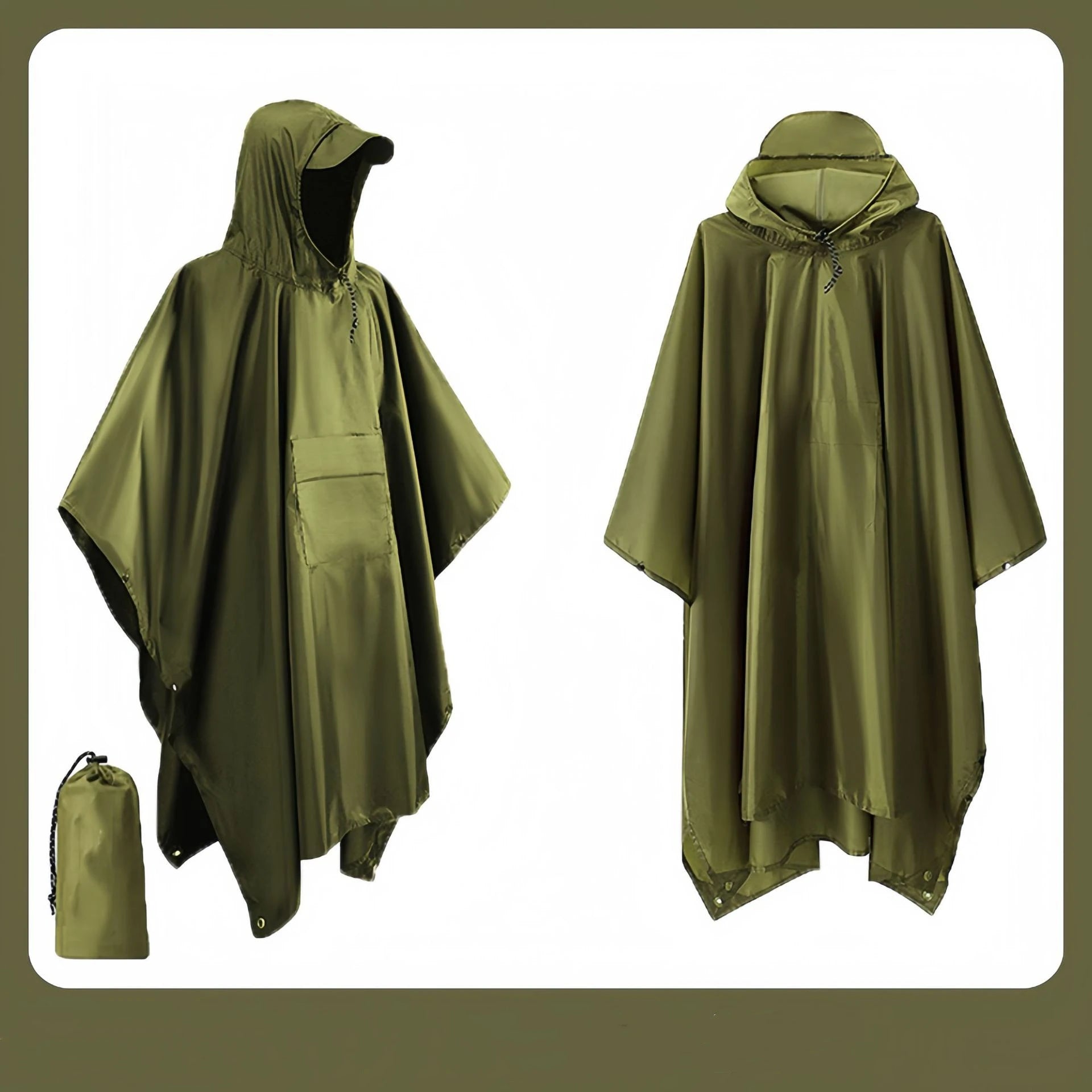
Heavy duty poncho rain gear delivers wider weather protection than jackets because it shields the body, backpack, and upper legs in one layer. Unlike fitted jackets that trap heat and expose gear straps, ponchos create better airflow while reducing water entry points during prolonged storms and intense trail conditions.
Many hikers assume expensive rain jackets automatically provide superior protection. In reality, jackets often struggle during long exposure to wind-driven rain. Water seeps into waist openings, backpack straps compress waterproof membranes, and trapped heat leads to sweat buildup inside the jacket.
A heavy duty poncho rain gear setup solves several of these problems at once:
- Protects both hiker and backpack together
- Allows greater airflow for comfort
- Provides faster storm coverage during sudden rain
- Reduces pressure points that compromise waterproofing
- Creates flexible movement on uneven trails
- Works as multi-purpose shelter coverage in emergencies
Outdoor travelers dealing with inadequate protection in backcountry storms often discover that ponchos perform better simply because they cover more exposed surfaces.
Unlike tight jackets that cling during humidity, ponchos maintain airflow around the body. This prevents the clammy overheating many hikers experience during steep climbs or humid summer storms.
How Loose Coverage Improves Waterproof Performance
Rain jackets rely heavily on sealed seams and breathable membranes. Once those membranes become overwhelmed by sweat or sustained rain pressure, moisture accumulates inside the jacket.
Ponchos reduce direct pressure against clothing and skin. Water flows down the outer layer rather than saturating compressed fabric areas. This becomes especially important during heavy rain exposure while hiking trails with loaded backpacks.
Why Backpackers Prefer Wider Rain Coverage
Backpackers carry extra gear, food, electronics, and dry clothing. Keeping those supplies dry matters just as much as protecting the hiker.
A poncho eliminates the gap between jacket and backpack cover, which is one of the most common leak points during severe weather.
For added protection, many hikers pair ponchos with Waterproof & Dry Bags to create layered moisture defense inside their packs.
How Full Coverage Prevents Storm Damage On Trails
Heavy duty poncho rain gear performs best during unstable weather because it shields larger areas with fewer exposed seams. Full-length coverage minimizes rain entry around the waist, shoulders, backpack straps, and upper legs, reducing soaked clothing and helping hikers stay warmer during prolonged outdoor exposure.
Storm systems in mountainous or forest environments change rapidly. One moment may feel manageable, while the next delivers wind, sideways rain, and sudden temperature drops.
Traditional rain jackets leave several vulnerable zones exposed:
| Common Exposure Point | Jacket Weakness | Poncho Advantage |
|---|---|---|
| Backpack straps | Water compression leaks | Covered entirely |
| Waistline | Rain enters underneath | Extended lower coverage |
| Upper legs | Constant water runoff | Additional shield layer |
| Ventilation | Heat buildup | Open airflow design |
| Emergency shelter use | Limited functionality | Multi-use adaptability |
Many long-distance hikers choose ponchos specifically because they simplify storm management under unpredictable conditions.
How Storm Winds Expose Jacket Weaknesses
Wind-driven rain often enters through sleeve openings, zippers, and lower hems. Even premium jackets become vulnerable when exposed for hours.
Heavy duty poncho rain gear reduces these weak points through simple design. The outer shell redirects rainfall away from multiple layers simultaneously.
Hikers combining ponchos with Ground Sheets & Tarps also gain emergency shelter flexibility during severe weather events.
Key Features That Make A Durable PU Waterproof Rain Poncho Outdoor Ready
Not all ponchos perform equally. Lightweight disposable models may work during short urban walks, but serious outdoor use requires stronger construction.
A durable PU waterproof rain poncho outdoor system should prioritize:
- Thicker waterproof materials
- Reinforced seams
- Adjustable hood coverage
- Extended backpack protection
- Wind-resistant closures
- Quick-fold portability
PU Waterproof Materials Improve Long-Term Reliability
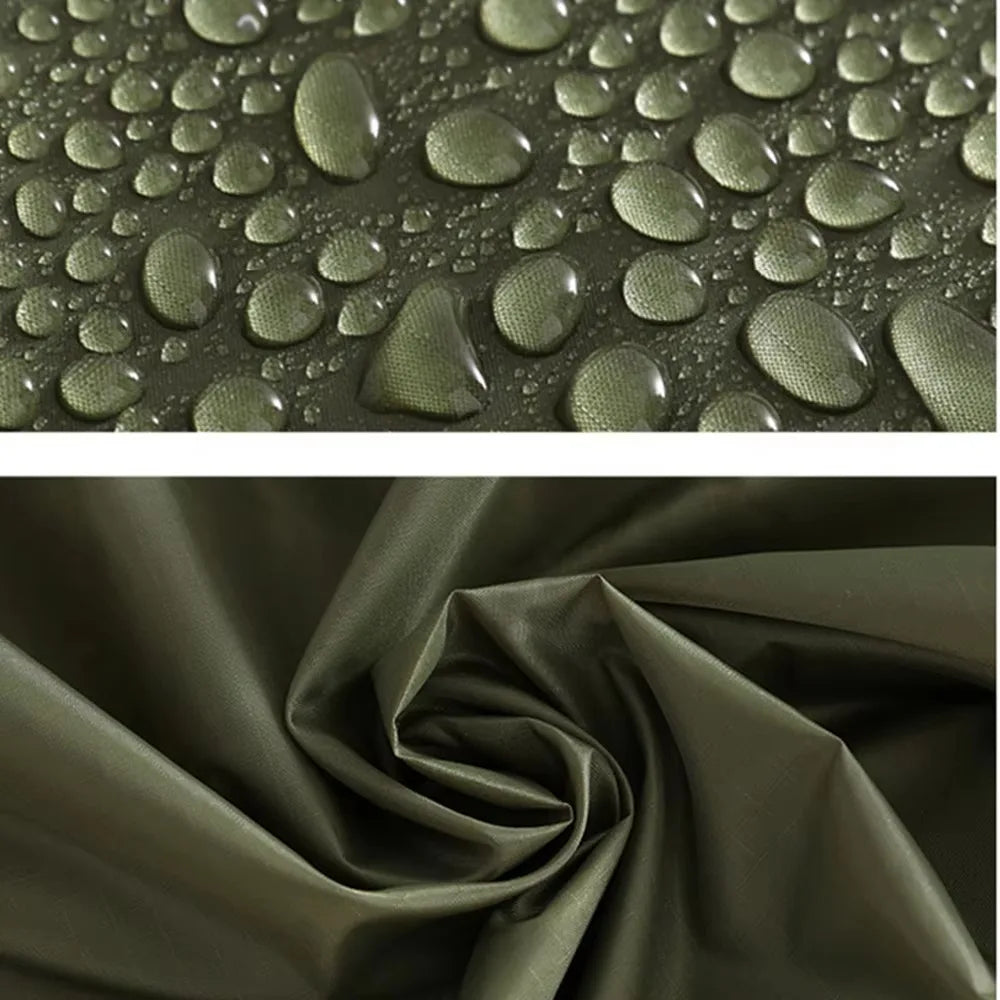
PU-coated fabrics resist prolonged water exposure better than thin plastic ponchos. They remain flexible during colder temperatures and withstand abrasion from backpack straps or rough trail conditions.
Many hikers report cheaper ponchos tearing after repeated use. Heavy-duty construction avoids this frustration while improving long-term value.
Why Reinforced Seams Matter During Long Storms
Seams are the first failure point in most rain gear.
Quality ponchos use sealed or reinforced stitching to prevent leakage where panels connect. This becomes essential during extended storms where water pressure increases over time.
Pairing storm-ready ponchos with Compression & Packing Bags also helps hikers organize dry clothing separately inside wet environments.
Adjustable Hood Systems Improve Visibility
Poor hood design causes limited visibility and uncomfortable movement during hiking.
A strong poncho setup includes:
- Adjustable drawcords
- Wide peripheral vision
- Secure hood movement during wind
- Compatibility with hats or helmets
🥾 Preparing for unpredictable weather? Discover how the 3-in-1 Lightweight Waterproof Rain Poncho improves coverage without adding bulk.
Poncho Vs Jacket Comparison Table
| Feature | Heavy Duty Poncho Rain Gear | Traditional Rain Jacket |
|---|---|---|
| Backpack Coverage | Excellent | Requires separate cover |
| Ventilation | High airflow | Moderate to low |
| Mobility | Flexible movement | Can feel restrictive |
| Heat Management | Cooler during climbs | Higher sweat buildup |
| Weight Efficiency | Multi-purpose | Single-purpose layer |
| Storm Adaptability | Excellent for sudden weather | Moderate |
| Pack Protection | Integrated | Separate accessory needed |
| Emergency Shelter Use | Possible | Limited |
How Ponchos Stop Backpack Gear Getting Wet Outdoors
Backpack gear getting wet outdoors can ruin electronics, sleeping systems, clothing, and emergency supplies. Heavy duty poncho rain gear solves this issue by covering both the hiker and the pack under one continuous waterproof barrier.
Most hikers underestimate how vulnerable backpacks become during storms. Rainwater collects around shoulder straps, zippers, and external pockets even when using standard rain covers.
Ponchos simplify protection by eliminating multiple exposure zones.
Why Backpack Covers Alone Often Fail
Backpack covers shift during movement and leave gaps near the harness system. Wind also pushes water upward underneath the cover edges.
A poncho creates overhead protection that extends naturally over the backpack structure.
Many outdoor travelers add Gear Organizers & Pouches to separate electronics, cooking tools, and emergency gear for extra organization during wet trips.
Dry Gear Improves Safety In Cold Conditions
Wet clothing and sleeping equipment increase hypothermia risk during cold weather.
Keeping gear dry means:
- Warmer overnight sleep systems
- Dry backup layers
- Reliable fire-starting tools
- Protected electronics and navigation gear
- Improved morale during multi-day hikes
Hikers often combine ponchos with Safety, Survival & Emergency essentials to prepare for rapidly changing conditions.
💡 See it in action
Why Better Ventilation Matters During Long Hikes
Staying dry from rain matters, but staying dry from sweat is equally important.
Many rain jackets trap body heat during steep climbs or humid weather. Hikers become soaked internally even when external rain protection works correctly.
Heavy duty poncho rain gear creates natural airflow gaps that improve evaporation and comfort.
Reduced Sweat Buildup Improves Trail Endurance
Overheating drains energy quickly during long-distance hikes.
Ponchos allow warm air to escape instead of accumulating inside tight waterproof layers. This helps hikers maintain steady pacing without frequent clothing adjustments.
Ventilation advantages become especially noticeable during:
- Summer hiking
- Humid forests
- Steep elevation climbs
- Fast-paced backpacking
- Multi-day trekking
Why Breathability Matters More Than Many Hikers Expect
Many travelers focus entirely on waterproof ratings while ignoring airflow.
Comfort directly affects endurance, morale, and hiking performance. A poncho's open structure naturally balances weather protection with cooling efficiency.
For long adventures, hikers often combine ponchos with lightweight systems from Lightweight Daypacks to reduce overall fatigue.
Real Hiking Scenarios Where Ponchos Win
Outdoor gear decisions become easier when viewed through real-world conditions instead of marketing claims.
Scenario 1: Sudden Thunderstorm During Mountain Hiking
A backpacker climbing above tree line notices dark clouds approaching quickly. Wind increases, temperatures drop, and heavy rain starts within minutes.
A rain jacket protects the torso but leaves the backpack exposed unless an additional cover is installed.
A poncho deploys rapidly and protects both hiker and gear immediately.
Scenario 2: Humid Summer Forest Trek
A hiker wearing a jacket begins sweating heavily during uphill movement. Moisture accumulates inside the jacket despite breathable fabric claims.
The poncho user maintains better airflow and stays more comfortable during the climb.
Scenario 3: Multi-Day Backpacking Trip
Repeated storms soak trail conditions for days.
Ponchos dry faster, reduce trapped moisture, and protect sleeping systems more effectively than many jacket-only setups.
Experienced backpackers often combine ponchos with:
- Sleeping Bags & Sleeping Pads
- Portable Power Banks
- Headlamps & Wearable Lights
- Personal Water Filters
How Lightweight Rain Protection Simplifies Packing
Outdoor travelers constantly balance weight, space, and preparedness.
Heavy duty poncho rain gear simplifies this challenge because one item can serve multiple purposes:
- Rain protection
- Backpack coverage
- Emergency shelter layer
- Ground cover
- Wind barrier
This versatility reduces redundant gear weight.
Compact Storage Makes Travel Easier
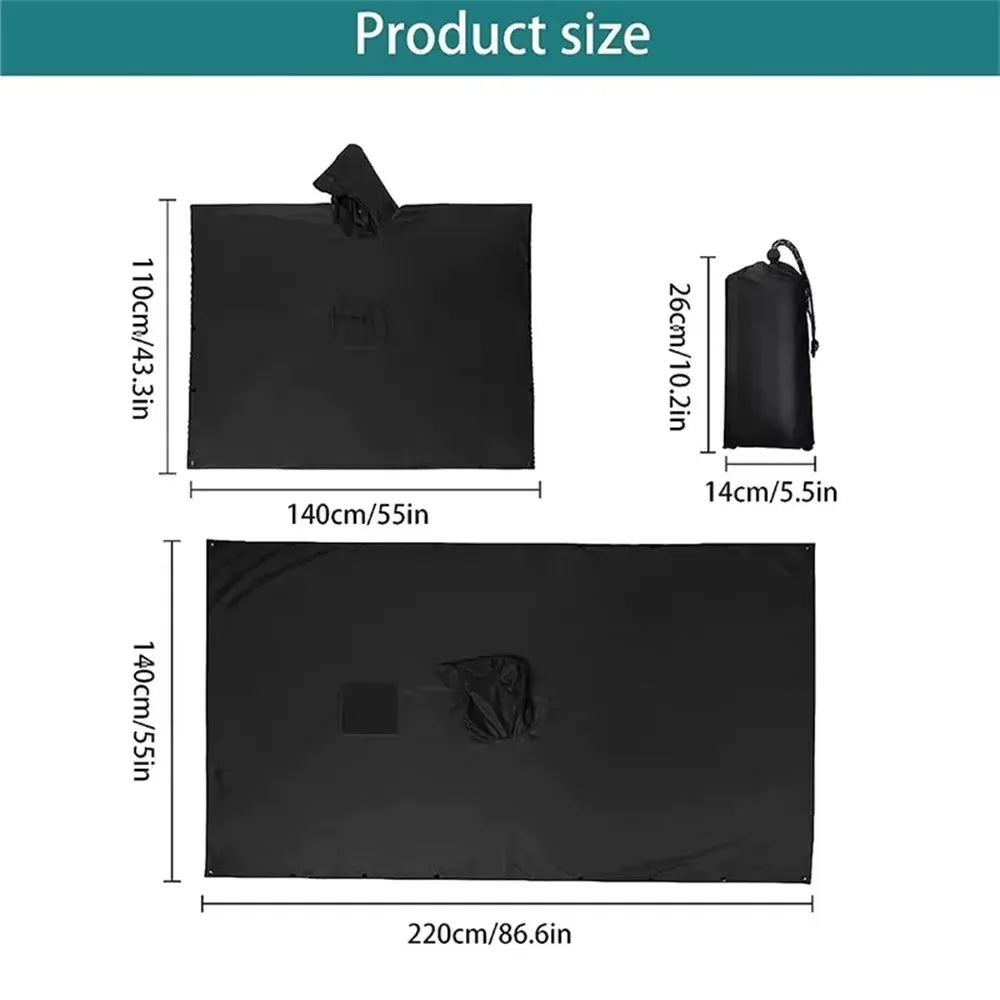
Ponchos fold quickly into compact storage sizes, making them ideal for:
- Backpacking trips
- Road travel
- Emergency car kits
- Festival camping
- International travel
Travelers often store ponchos alongside Foldable Travel Gear for easier organization.
Why Multi-Use Gear Improves Outdoor Efficiency
Experienced hikers prioritize equipment that solves multiple problems.
Instead of carrying separate rain covers, emergency tarps, and additional shell systems, a heavy-duty poncho handles several functions simultaneously.
Essential Gear That Works Best With Rain Ponchos
Heavy duty poncho rain gear performs even better when combined with complementary outdoor equipment.
Waterproof Storage Solutions
Even excellent ponchos benefit from layered waterproof organization.
Storm Visibility And Lighting
Rainstorms often reduce visibility dramatically.
Cold Weather Comfort
Wet environments increase body heat loss.
Common Rain Gear Mistakes Outdoor Travelers Make
Many hikers waste money on rain protection that performs poorly during real outdoor conditions.
Mistake 1: Prioritizing Style Over Coverage
Sleek rain jackets may look appealing but fail to protect backpacks and lower body areas during severe storms.
Mistake 2: Ignoring Ventilation
Overheating causes discomfort, dehydration, and fatigue.
Choosing rain gear without airflow consideration often leads to internal moisture buildup.
Mistake 3: Buying Thin Emergency Ponchos
Disposable ponchos tear easily under trail stress and strong winds.
A durable PU waterproof rain poncho outdoor system withstands repeated use and rough terrain.
Mistake 4: Forgetting Layer Compatibility
Rain protection should work comfortably with backpacks, insulation layers, and hiking movement.
Ponchos naturally adapt to changing layering needs more effectively than fitted jackets.
How To Choose The Right Heavy Duty Poncho Rain Gear
Not every poncho is designed for demanding outdoor use. Choosing the right model makes a major difference in comfort and performance.
Look For Extended Backpack Coverage
The best ponchos include enough rear coverage to protect larger hiking packs without restricting movement.
Prioritize Reinforced Waterproof Construction
Check for:
- PU-coated fabrics
- Sealed seams
- Wind-resistant fasteners
- Durable hood adjustments
- Strong edge stitching
Choose Multi-Season Versatility
A reliable poncho should perform during:
- Summer thunderstorms
- Cool-weather backpacking
- Emergency roadside situations
- Festival camping
- Travel adventures
Many outdoor travelers pair ponchos with gear from Weather Protection & Environment collections to build complete storm-ready systems.
Real Outdoor Feedback Matters
Hikers consistently report several benefits after switching from jackets to ponchos:
- Less sweat buildup
- Improved comfort during long hikes
- Faster storm preparation
- Better backpack protection
- Reduced gear management stress
One backpacker described the difference clearly:
"After hours of rain, my jacket always felt soaked from the inside. Switching to a heavy-duty poncho finally kept both me and my gear comfortable during multi-day trips."
⛰️ Don’t wait until your next storm to upgrade your setup. Get the 3-in-1 Lightweight Waterproof Rain Poncho before your next hiking or camping adventure.
💡 See it in action
Why More Outdoor Travelers Are Switching To Ponchos
Heavy duty poncho rain gear continues gaining popularity because it solves multiple outdoor problems with one simple solution.
Instead of fighting trapped heat, exposed backpacks, and restrictive waterproof layers, hikers gain:
- Broader weather protection
- Improved airflow
- Simplified packing
- Faster storm response
- Better long-distance comfort
For outdoor travelers dealing with inadequate protection in backcountry storms, ponchos provide practical advantages that traditional jackets often fail to deliver.
Whether hiking mountain trails, preparing emergency travel kits, or planning multi-day backpacking trips, reliable rain protection can dramatically improve safety, comfort, and confidence outdoors.
Frequently Asked Questions
Is heavy duty poncho rain gear better for backpacking?
Yes. Heavy duty poncho rain gear protects both hikers and backpacks simultaneously, improving storm coverage while reducing the need for separate pack covers. Many backpackers also prefer the improved ventilation during long-distance hiking.
Can a poncho handle strong storms and wind?
A durable PU waterproof rain poncho outdoor system with reinforced seams and secure closures performs well in severe weather. Heavy-duty models resist tearing and provide wider protection than thin emergency ponchos.
Why do ponchos reduce overheating compared to jackets?
Ponchos create natural airflow around the body instead of trapping heat inside tight waterproof layers. This helps reduce sweat buildup during steep climbs, humid hikes, and extended trail movement.
How do ponchos prevent backpack gear getting wet outdoors?
Ponchos cover both the body and backpack under one waterproof layer, reducing exposure around straps, zippers, and pack openings where rain commonly enters.
What other gear works well with heavy duty poncho rain gear?
Many hikers combine ponchos with Rain Ponchos & Capes, Backpacking & Carry, and Car Camping Accessories for complete outdoor weather preparedness.
Related Articles:
- Outdoor Survival Shelter Using Rain Poncho: How It Protects You
- Best Packable Rain Poncho For Travel: Key Features Explained
Pillar Articles:





