

Gear For Hiking In The Rain: How To Stay Dry On Any Trail
Gear For Hiking In The Rain: How To Stay Dry On Any Trail
⏱ 12 min read
Does gear for hiking in the rain really help?
Gear for hiking in the rain helps hikers stay warmer, safer, and more comfortable during sudden storms and long wet trail conditions. The right layers, waterproof protection, and pack organization reduce soaked clothing, cold exposure, and fatigue while improving mobility and trail confidence in heavy rain.
Gear for hiking in the rain can completely change your outdoor experience. Instead of battling soaked socks, freezing layers, and slippery gear, smart rain-ready equipment keeps you dry, mobile, and comfortable even during unpredictable weather. Whether you hike mountain trails, forest paths, or weekend camping routes, learning how to stay dry hiking rain poncho strategies and weather protection techniques can make every rainy adventure safer and more enjoyable.
Ever started a trail under blue skies only to get caught in freezing rain an hour later? That situation happens constantly on mountain routes, coastal hikes, and wooded trails. The difference between hikers who enjoy the challenge and hikers who quit early usually comes down to preparation.
Reliable rain protection does more than block water. It protects body temperature, prevents blisters, preserves energy, and helps you maintain visibility and safety during changing weather conditions.
Explore dependable rain protection through Weather Protection & Environment and lightweight options from Rain Ponchos & Capes.
💡 See it in action
Why Rainy Hikes Become Dangerous Faster Than Most Hikers Expect
Gear for hiking in the rain becomes critical because wet conditions accelerate heat loss, reduce traction, and increase exhaustion. Even moderate rain can soak cotton layers, flood boots, and weaken visibility within minutes. Proper waterproof gear and layered protection reduce these risks while helping hikers maintain warmth and energy on difficult trails.
Rain exposure affects the body quickly, especially when wind combines with low temperatures. Wet clothing removes heat from the skin faster than dry air. This can create fatigue long before hikers realize they are becoming cold.
- Wet socks create blister hotspots
- Heavy clothing increases energy use
- Waterlogged backpacks become difficult to carry
- Reduced visibility increases navigation errors
- Cold hands weaken grip strength
Many hikers underestimate how quickly weather changes at higher elevations. A light drizzle at the trailhead can become sustained heavy rain exposure while hiking trails just a few miles later.
| Common Rain Hiking Problem | What Causes It | Helpful Gear Solution |
|---|---|---|
| Wet backpack contents | Poor pack protection | Waterproof & Dry Bags |
| Cold body temperature | Improper layering | Wind & Cold Protection |
| Slippery trail navigation | Reduced visibility | Headlamps & Wearable Lights |
| Gear organization failures | Loose equipment | Gear Organizers & Pouches |
Essential Gear For Hiking In The Rain That Actually Works
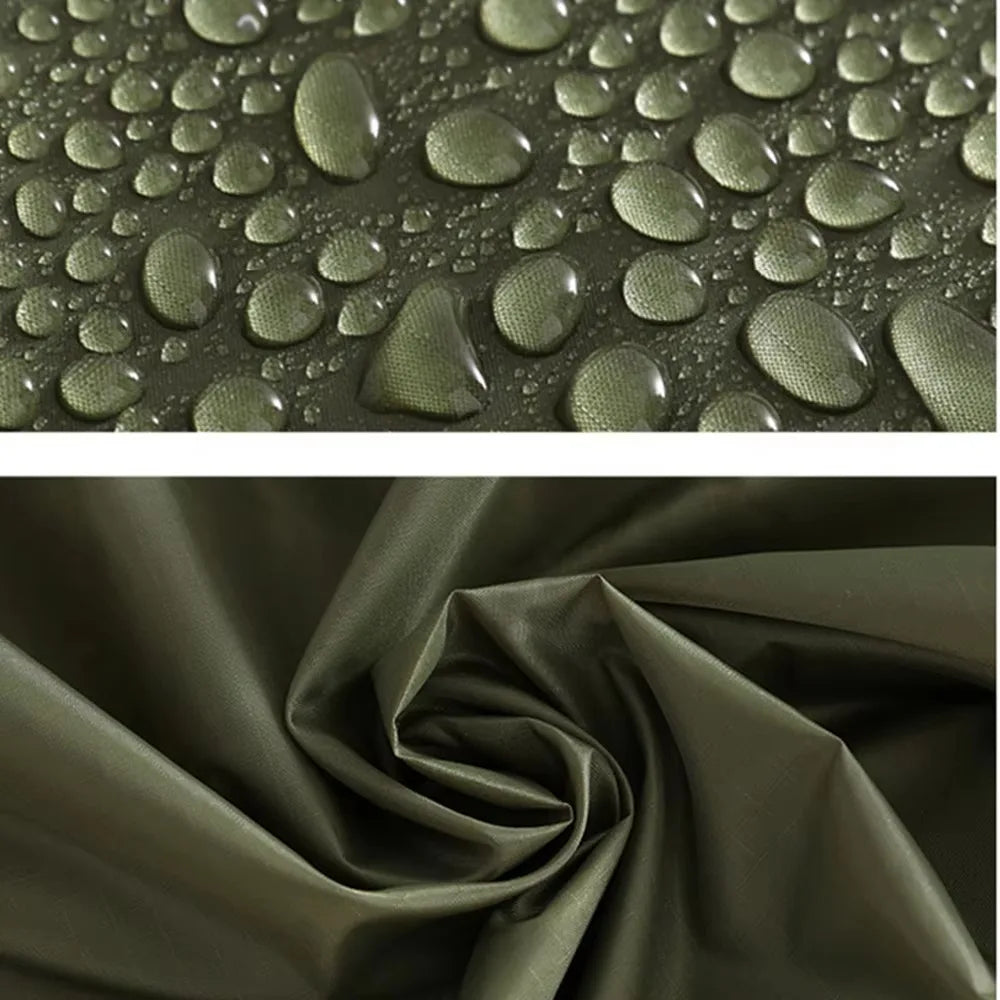
Gear for hiking in the rain works best when it combines lightweight waterproof layers, breathable protection, and organized storage. Hikers who prepare with ponchos, dry bags, moisture-resistant clothing, and emergency lighting typically stay comfortable longer and recover faster from difficult wet conditions outdoors.
What gear actually makes hiking easier during storms? The answer is usually fewer items with better functionality.
1. Waterproof Rain Ponchos
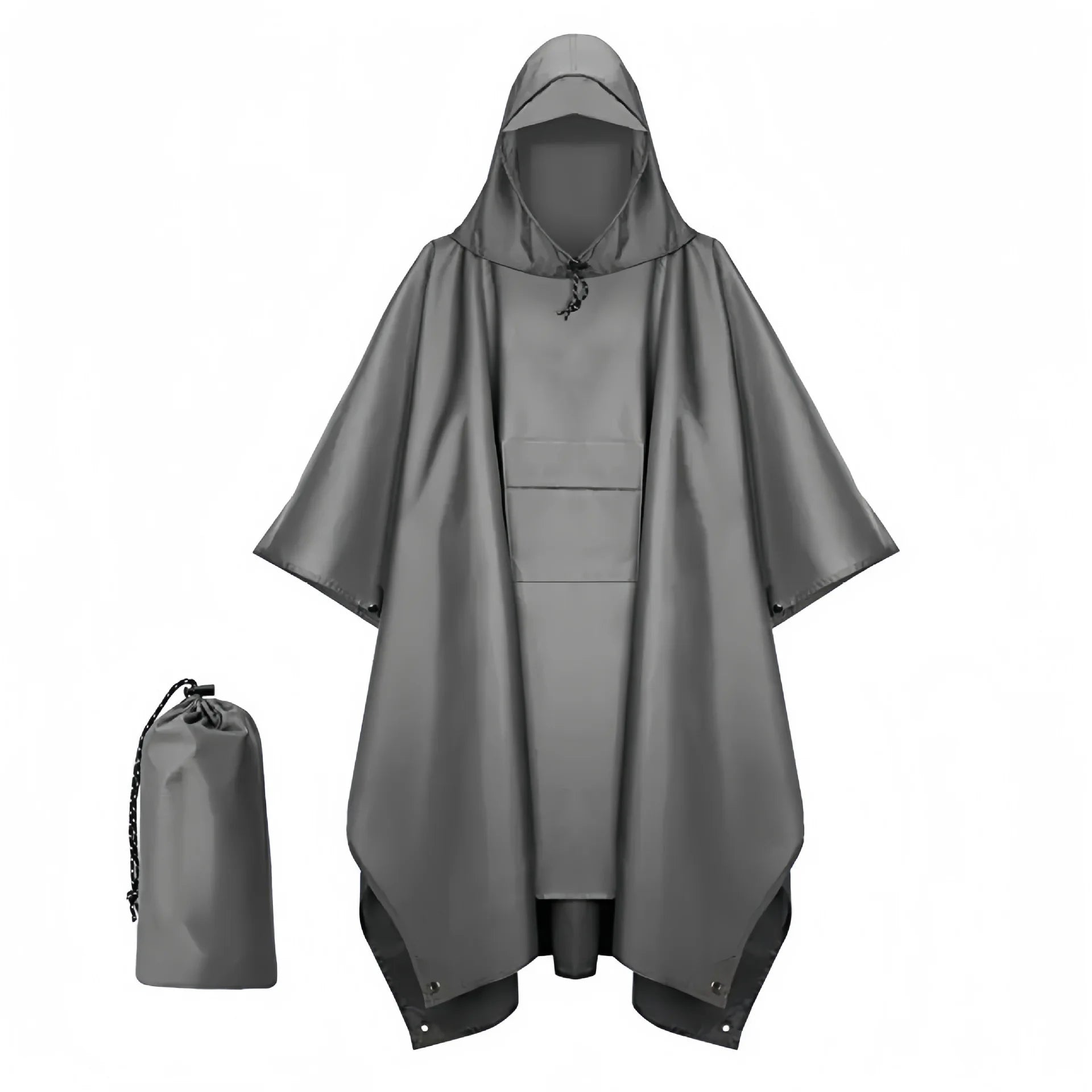
A reliable poncho creates fast full-body coverage while protecting your backpack at the same time. Many hikers prefer ponchos during warmer weather because they improve airflow better than traditional rain jackets.
The 3-in-1 Lightweight Waterproof Rain Poncho works especially well for hikers needing quick deployment during fast-moving storms.
2. Waterproof Pack Protection
Keeping clothing dry inside your backpack matters just as much as outer protection. Even the best rain jacket cannot help if your spare layers are soaked.
3. Emergency Lighting
Rain often reduces visibility earlier than expected. Dense cloud cover and fog can darken trails by late afternoon.
Experienced hikers often carry backup lighting from Emergency Lighting along with compact options from Lighting & Power.
4. Hydration Protection
Hydration matters even in cold rain. Many hikers drink less during wet conditions and become fatigued faster.
Collapsible storage systems from Collapsible Water Bottles make it easier to pack efficiently during long rainy hikes.
Browse rain-ready solutions in Backpacking & Carry and Safety, Survival & Emergency.
How Smart Layering Keeps You Dry Longer
One of the best ways to stay dry outdoors hiking is using a layered system instead of relying on one waterproof item.
- Moisture-wicking base layer
- Insulating mid-layer
- Waterproof outer shell or poncho
- Ventilation adjustments during movement
Cotton remains one of the biggest mistakes hikers make in wet weather. Once soaked, it stays wet for hours and rapidly lowers body temperature.
Synthetic and wool blends perform better because they continue insulating while damp.
Why Breathability Matters
Many hikers accidentally soak themselves from sweat rather than rain. Non-breathable outer layers trap moisture inside clothing systems.
This is why hikers often prefer ponchos during moderate temperatures. Better airflow means less internal condensation.
Cold Weather Rain Layering
Heavy rain exposure while hiking trails becomes more dangerous in colder climates.
- Use thermal gloves
- Carry backup dry socks
- Pack emergency insulation
- Protect electronics in sealed bags
Many hikers store emergency warming gear inside Camping Storage & Boxes for better organization during longer adventures.
| Layer | Purpose | Best Material Type |
|---|---|---|
| Base Layer | Move sweat away | Synthetic or merino wool |
| Mid Layer | Retain warmth | Fleece or insulated fabric |
| Outer Layer | Block rain and wind | Waterproof shell or poncho |
Rain Poncho vs Rain Jacket: Which Performs Better?
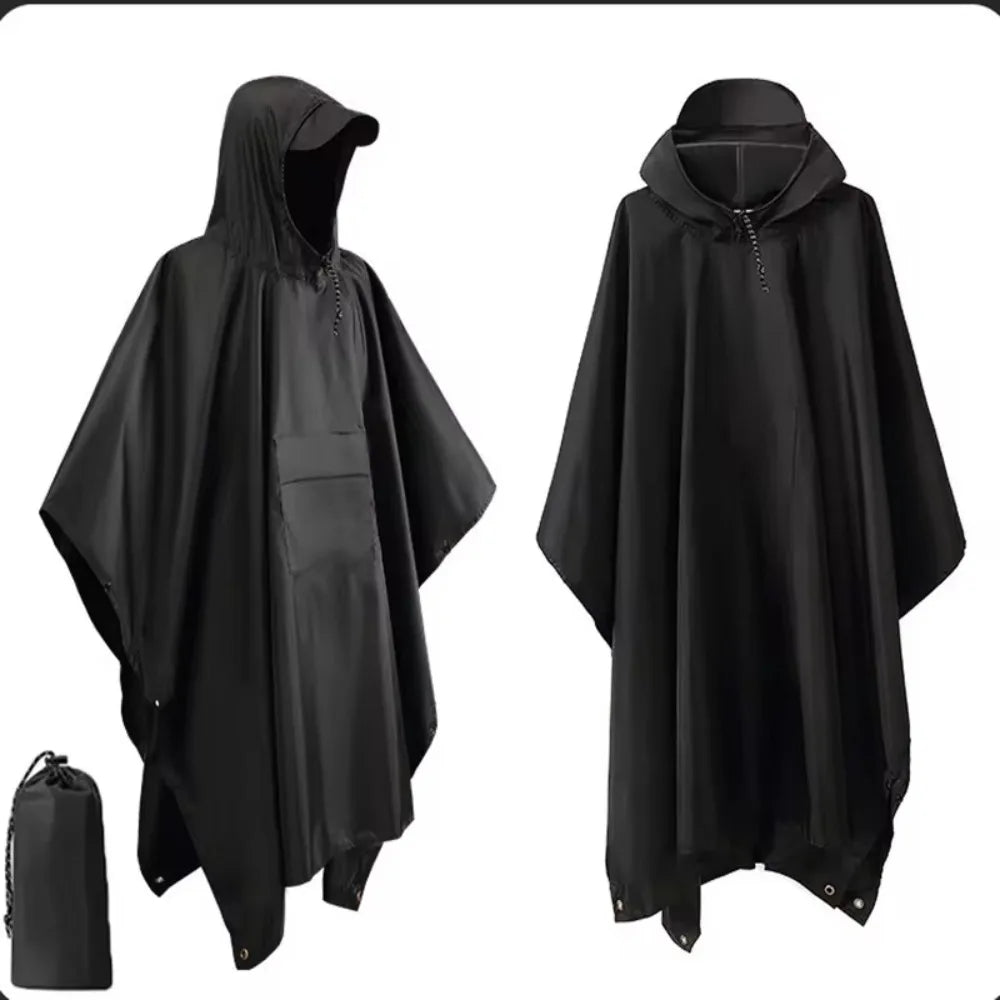
How to stay dry hiking rain poncho systems often outperform jackets during warm-weather hikes because they improve airflow and protect backpacks simultaneously. Rain jackets provide better mobility during high winds and technical climbs, while ponchos excel during extended rain exposure and fast-changing trail conditions.
The answer depends heavily on trail type, weather severity, and hiking intensity.
When Ponchos Work Better
- Warm and humid weather
- Long-distance hiking
- Backpack coverage needs
- Quick emergency deployment
The 3-in-1 Lightweight Waterproof Rain Poncho is especially useful for hikers who prioritize pack coverage and lightweight storage.
When Rain Jackets Work Better
- Cold alpine conditions
- Strong winds
- Technical climbing sections
- Dense forest brush
Some experienced hikers combine both systems. They use jackets for active movement and keep ponchos accessible for sudden downpours or rest breaks.
💡 See it in action
Packing Strategies That Prevent Wet Gear Disasters
Poor backpack organization ruins many rainy hikes. Even quality rain gear becomes less effective if dry clothing and electronics become soaked.
Use Dry Zones Inside Your Backpack
Experienced hikers separate gear by moisture sensitivity.
- Electronics in sealed waterproof bags
- Sleeping layers packed separately
- Food stored in waterproof containers
- Wet gear isolated from dry clothing
Many hikers use products from Food Storage Bags & Containers to separate trail essentials during storms.
Quick-Access Rain Storage
Rain gear buried deep inside a backpack often becomes useless because storms arrive too quickly.
Keep ponchos and waterproof shells in exterior pockets or upper compartments for immediate access.
Protecting Campsites During Rain
Rain hiking often transitions into wet campsite management.
Ground protection from Ground Sheets & Tarps helps keep shelters drier during overnight trips.
Campers also rely on Camping Tents & Shelter for multi-day weather protection during extended adventures.
How To Protect Your Feet During Heavy Rain Exposure While Hiking Trails
Blisters and wet feet are among the fastest ways to ruin a hike.
Even experienced hikers struggle when water repeatedly enters footwear during stream crossings or continuous rainfall.
Choose Faster-Drying Footwear
Many hikers now prefer trail runners over heavy waterproof boots in warmer climates because trail runners dry faster once soaked.
Carry Extra Socks
One dry pair of socks can dramatically improve comfort and morale.
Compression systems from Compression & Packing Bags help hikers store backup clothing without taking excessive space.
Prevent Friction Hotspots Early
Rain softens skin and increases rubbing inside footwear.
- Stop immediately when hotspots appear
- Air feet during breaks
- Rotate socks if possible
- Keep camp footwear dry
The Biggest Rain Hiking Mistakes Most People Make
Many hikers own decent equipment but still struggle because of avoidable mistakes.
1. Waiting Too Long To Put On Rain Gear
Once clothing becomes soaked, staying warm becomes far more difficult.
Put on rain protection before heavy rainfall begins.
2. Overpacking Heavy Waterproof Gear
Bulky gear often stays unused because it feels inconvenient.
Lightweight solutions encourage consistent use and improve mobility.
3. Ignoring Wind Protection
Wind combined with rain creates rapid heat loss.
Many hikers pair ponchos with gear from Wind & Cold Protection for stronger cold-weather performance.
4. Forgetting Emergency Preparedness
Wet weather can slow travel unexpectedly.
Emergency supplies from First Aid Kits and Emergency Road Kits become especially valuable during remote trips.
“We expected a light drizzle on our Appalachian weekend hike. Three hours later, visibility dropped completely. The only reason we stayed comfortable was having lightweight ponchos and dry backup layers packed separately.”
— Colorado backpacking couple
Best Gear Combinations For Different Trail Conditions
Different trails require different weather protection strategies.
| Trail Type | Recommended Protection | Helpful Additions |
|---|---|---|
| Forest Hiking | Poncho + dry bags | Headlamp |
| Mountain Trails | Rain shell + thermal layers | Emergency lighting |
| Car Camping | Ground tarp + poncho | Portable shelter |
| Day Hiking | Lightweight poncho | Compact backpack |
For Weekend Campers
Campers often benefit from larger shelter systems available through Camping & Picnic and weather-resistant support gear from Car Camping Accessories.
For Ultralight Hikers
Ultralight hikers prioritize compact protection systems that reduce pack weight without sacrificing safety.
Products from Lightweight Daypacks and Hooks, Clips & Carabiners improve fast-access organization during storms.
Stay ready for sudden storms with the 3-in-1 Lightweight Waterproof Rain Poncho and dependable protection from Weather Accessories.
Hiking Gear For Sudden Weather Protection On Long Trails
Unexpected weather changes often happen faster than hikers anticipate.
This is especially common in mountain regions where conditions shift rapidly after midday.
Keep Essential Gear Accessible
- Poncho near top pocket
- Headlamp easily reachable
- Backup insulation sealed separately
- Waterproof phone storage accessible
Power Management Matters
Rain drains batteries faster in cold conditions.
Backup charging solutions from Portable Power Banks and Solar Lights & Chargers help hikers stay prepared during extended outdoor trips.
Rest Stops Become More Important
Rain increases energy use. Strategic rest breaks help maintain body temperature and morale.
Comfort-focused equipment from Seat Cushions & Pads and Blankets & Sleeping Comfort can improve recovery during longer expeditions.
Real Hiker Experiences In Extreme Rain Conditions
Outdoor experience often teaches lessons faster than gear manuals.
“I used to think rain jackets alone were enough. After getting my backpack soaked twice during Pacific Northwest hikes, I switched to a poncho setup with dry bags. Huge difference.”
— Oregon trail runner
“The biggest surprise was how much warmer I stayed after improving ventilation. I stopped sweating inside my rain gear and felt dry much longer.”
— Smoky Mountains backpacker
“Packing organization mattered more than I expected. Keeping emergency layers dry changed everything on overnight trips.”
— Arizona camping enthusiast
💡 See it in action
Rain Hiking Checklist Before Every Trip
Preparation reduces stress when weather conditions suddenly change.
- Check weather updates before departure
- Pack waterproof outer protection
- Carry at least one dry clothing layer
- Use waterproof storage systems
- Bring emergency lighting
- Protect navigation devices
- Pack extra socks
- Keep snacks accessible
- Store insulation separately
- Test gear before major trips
Many hikers preparing for extended adventures also organize essentials through Travel, Car & Road Trip systems and additional storage from Car Organizers & Storage.
Stay Comfortable, Confident, And Ready For Rainy Trails
The best ways to stay dry outdoors hiking come down to preparation, smart layering, and reliable waterproof protection. Rain no longer has to end your adventure early.
With lightweight ponchos, organized gear storage, breathable layering systems, and emergency-ready essentials, hikers can handle changing weather with far more confidence.
Whether you are planning mountain treks, forest hikes, car camping weekends, or unpredictable day trips, dependable gear for hiking in the rain keeps outdoor adventures safer and significantly more comfortable.
Reliable preparation often turns difficult weather into the most memorable part of the journey.
FAQ
What is the best gear for hiking in the rain?
The best gear for hiking in the rain usually includes a waterproof poncho or shell, moisture-wicking layers, dry bags, extra socks, and emergency lighting. Lightweight systems that combine waterproof protection with breathability often perform best during long hikes.
How do you stay dry while hiking in heavy rain?
To stay dry during heavy rain hiking, use layered clothing, keep backup clothing sealed in waterproof bags, wear breathable rain protection, and avoid cotton materials. Quick-access rain gear helps prevent clothing from soaking before storms intensify.
Are ponchos better than rain jackets for hiking?
Ponchos are often better for warm-weather hiking because they improve airflow and protect backpacks simultaneously. Rain jackets work better in strong winds, colder conditions, and technical terrain where mobility matters more.
What should hikers avoid during rainy weather?
Hikers should avoid cotton clothing, overpacking heavy gear, delaying rain protection, and storing critical equipment without waterproof barriers. Wet clothing and poor organization increase fatigue and discomfort quickly.
Why do hikers carry dry bags during storms?
Dry bags protect spare clothing, electronics, food, and emergency supplies from water damage. They help hikers maintain warmth and safety even after extended heavy rain exposure while hiking trails.
Related Articles:
- Rain Ponchos For Adults: How To Choose The Right Fit
- Poncho Raincoat For Men: Best Fit For Mobility And Coverage
Pillar Articles:





