

Rain Poncho Packable Showdown: Smallest Travel Options
Rain Poncho Packable Showdown: Smallest Travel Options
⏱ 9 min read
What Is the Best Rain Poncho Packable Option for Travel?
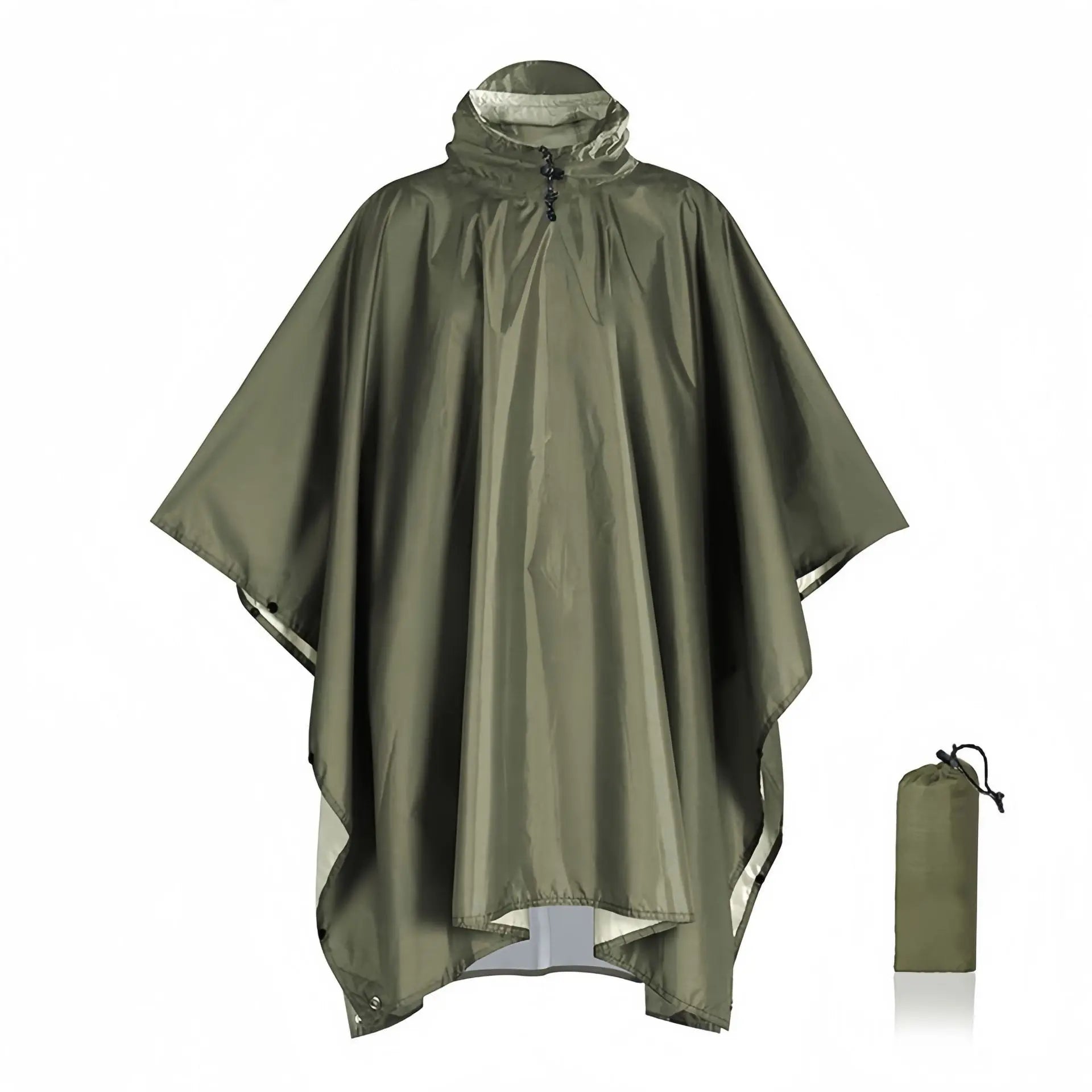
A rain poncho packable design works best when it folds into a pocket-sized pouch, covers both your body and backpack, and dries quickly after sudden weather changes. Travelers and hikers often prefer lightweight ponchos because they reduce carrying bulky rain gear inconvenience while staying easy to store in daypacks, glove compartments, and carry-on luggage.
| Feature | Packable Rain Poncho | Traditional Rain Jacket |
|---|---|---|
| Pack Size | Very compact | Medium to bulky |
| Backpack Coverage | Usually covers backpack | Requires rain cover |
| Ventilation | Excellent airflow | Can trap heat |
| Storm Protection | Good for moderate rain | Better in high wind |
| Travel Convenience | Easy to stash anywhere | Takes more space |
Unexpected rain can ruin a hike, soak electronics, and turn a relaxing road trip into a miserable experience. Many travelers struggle with oversized jackets that eat up precious backpack space or fail to protect gear during sudden downpours. A compact rain poncho changes that equation by offering lightweight coverage without turning your pack into a heavy burden.
But which option actually works best when every inch of luggage space matters? Whether you are backpacking through mountain trails, packing for emergency weather, or planning weekend camping trips, understanding the strengths and weaknesses of ultra-compact rain gear can save weight, improve comfort, and help you stay dry longer outdoors.
What gear actually makes camping easier when storms hit unexpectedly? The answer often comes down to portable protection that packs smaller while covering more.
👉 Discover must-have camping gear before your next stormy adventure.
💡 See it in action
Why Packable Ponchos Matter for Travelers
A rain poncho packable design gives travelers flexibility without sacrificing comfort. Unlike heavier jackets that demand dedicated storage space, modern ponchos compress into tiny pouches that fit inside side pockets, waist packs, or even jacket compartments.
That matters during:
- Airport travel with strict carry-on limits
- Day hikes with limited backpack capacity
- Music festivals and outdoor events
- Road trips where weather changes fast
- Emergency preparedness kits
Many hikers also appreciate how ponchos ventilate better during humid weather. Instead of trapping sweat like waterproof shells sometimes do, loose airflow helps regulate body temperature during long walks.
For travelers building lightweight setups, combining a compact poncho with Compression & Packing Bags creates a cleaner, more organized backpack system.
Why backpackers increasingly prefer compact ponchos
- Less weight on long-distance hikes
- Faster access during surprise rain
- Coverage for both body and backpack
- Lower heat buildup during movement
- Easier drying after storms
One Pacific Crest Trail hiker described switching from a heavy shell jacket to a compact poncho as “the easiest way to reclaim backpack space without losing rain protection.”
Smallest Travel Options Compared
A packable rain poncho for camping travel should balance compactness, durability, and coverage. The smallest options often fit inside palm-sized pouches while still protecting backpacks and clothing during moderate storms.
| Type | Best For | Pros | Cons |
|---|---|---|---|
| Disposable Poncho | Emergency kits | Ultra-light, tiny | Tears easily |
| Ultralight Silnylon Poncho | Backpacking | Strong and compact | Higher cost |
| Poncho-Tarp Hybrid | Camping shelters | Multi-use versatility | Bulkier setup |
| PVC Travel Poncho | Urban travel | Affordable | Reduced breathability |
Travelers dealing with carrying bulky rain gear inconvenience often discover that traditional jackets consume almost twice the pack volume of a compressible poncho system.
Pairing lightweight ponchos with Lightweight Daypacks creates a more efficient setup for city travel, hiking, and weekend camping.
What makes a poncho truly compact?
- Thin but durable waterproof fabric
- Integrated compression pouch
- Minimal seams and hardware
- Lightweight hood structure
- Fast-fold rectangular design
Some experienced hikers even store compact ponchos inside Waterproof & Dry Bags so rain protection stays completely dry until needed.
How to Pack Emergency Rain Poncho Compact
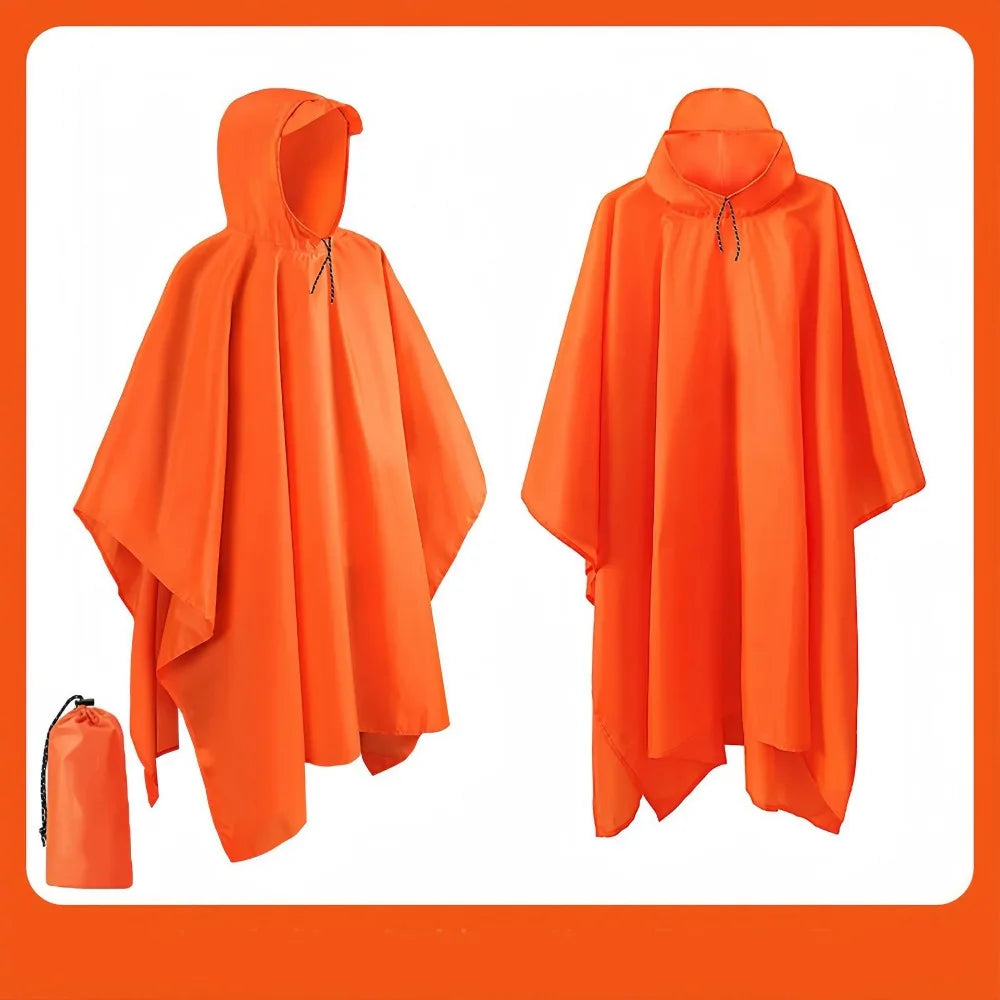
A rain poncho packable setup works best when folded correctly. Poor packing methods waste space and make quick deployment harder during sudden weather changes.
Here is a fast and efficient method for how to pack emergency rain poncho compact:
- Lay the poncho flat and smooth wrinkles
- Fold sleeves and side panels inward
- Create a narrow rectangle
- Roll tightly from hood downward
- Secure with elastic strap or pouch
This method keeps wrinkles minimal while reducing overall volume. Travelers often store rolled ponchos inside car organizers, bike bags, or hiking side pockets for instant access.
👉 Learn how to choose the right hiking gear before your next outdoor trip.
For longer trips, combining ponchos with Gear Organizers & Pouches prevents tangled clothing and speeds up campsite setup.
💡 See it in action
Poncho vs Rain Jacket in Real Trail Conditions
A rain poncho packable system performs differently depending on weather intensity, terrain, and hiking pace. Understanding those differences helps travelers avoid inadequate protection in backcountry storms.
When ponchos perform better
- Humid summer hikes
- Light to moderate rainfall
- Backpacking with large packs
- Emergency roadside situations
- Warm-weather travel
When jackets perform better
- Strong mountain winds
- Cold alpine conditions
- Technical climbing routes
- Heavy bushwhacking
- Cycling in storm conditions
Many hikers actually combine both systems depending on trip duration. A compact poncho often handles fast-moving weather, while shell jackets become valuable in freezing or high-wind conditions.
One Colorado backpacker explained that switching to a poncho reduced overheating dramatically during uphill climbs, especially in humid forests where jacket condensation became unbearable.
To improve overall weather readiness, many campers also carry items from Weather Accessories and Emergency Lighting.
Best Features to Look For Before Buying
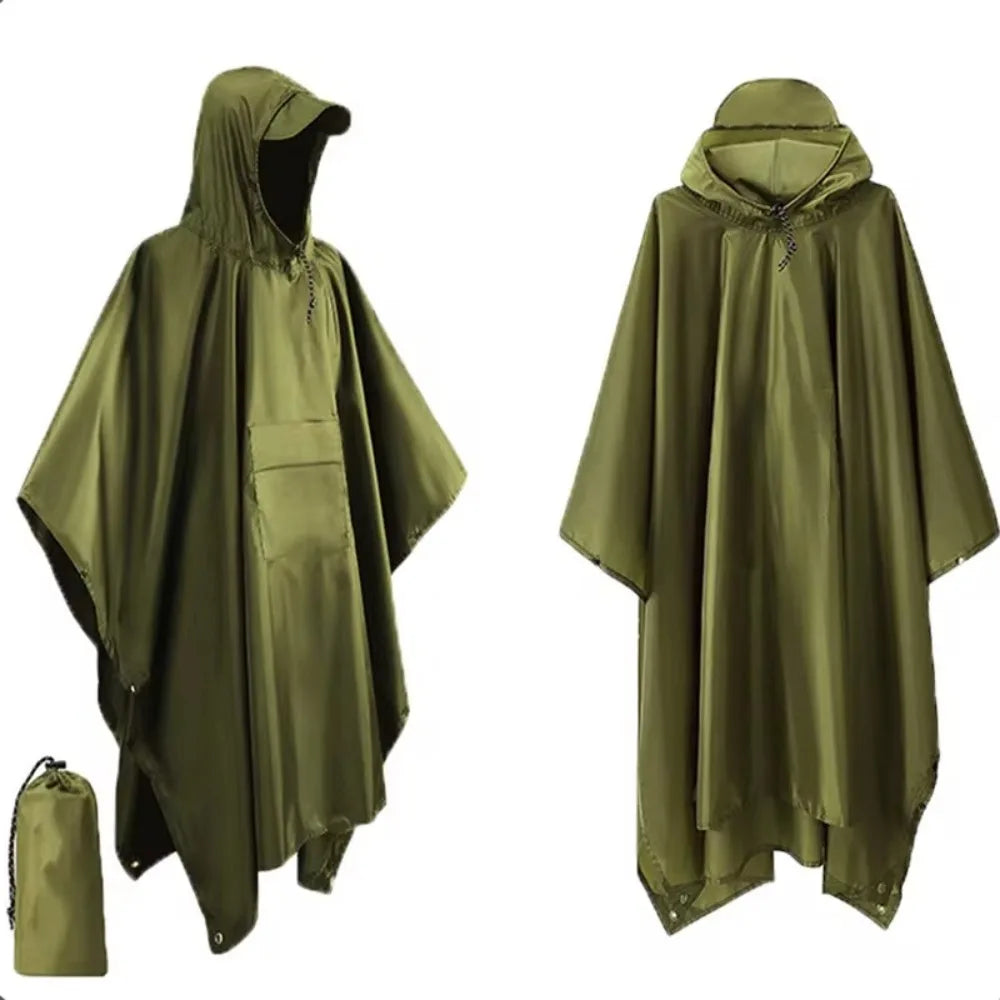
A quality packable rain poncho for camping travel should do more than block rain. The best designs improve comfort, mobility, and storage efficiency while staying lightweight enough for daily carry.
| Feature | Why It Matters |
|---|---|
| Ripstop Fabric | Prevents tears during travel |
| Adjustable Hood | Improves visibility in wind |
| Heat-Sealed Seams | Stops water leakage |
| Integrated Storage Pouch | Makes packing easier |
| Backpack Expansion Space | Keeps gear protected |
Travelers heading into unpredictable weather zones often pair ponchos with Personal Water Filters and Portable Power Banks to improve overall emergency readiness.
Comfort details travelers often overlook
- Hood depth affecting peripheral vision
- Noise level during movement
- Drying speed after rainfall
- Compatibility with backpacks
- Ease of folding while wet
Small design details can make the difference between enjoying a rainy trail and struggling through hours of discomfort.
Smart Gear Pairings for Wet Weather Travel
A compact poncho becomes even more useful when integrated into a broader lightweight travel system. Smart combinations improve comfort while reducing unnecessary weight.
Recommended pairings for hikers and travelers
- Collapsible Water Bottles for saving pack space
- Ground Sheets & Tarps for campsite protection
- Headlamps & Wearable Lights during nighttime storms
- Car Camping Accessories for emergency roadside shelter
- Foldable Travel Gear to reduce clutter
Some ultralight travelers even use ponchos as temporary shelter extensions when paired with trekking poles and lightweight cordage.
That flexibility is one reason compact ponchos remain popular among long-distance hikers trying to maximize utility without increasing pack weight.
Common Mistakes Travelers Make With Packable Rain Gear
Even experienced hikers sometimes choose the wrong rain system for their environment. Avoiding these mistakes can improve both comfort and safety.
- Choosing disposable ponchos for multi-day trips
- Ignoring ventilation during humid hikes
- Packing wet ponchos without drying
- Buying oversized heavy jackets for light travel
- Forgetting backpack coverage requirements
Many travelers also underestimate how quickly soaked gear affects morale during outdoor trips. Wet clothing, heavy packs, and poor airflow can turn a scenic trail into an exhausting experience.
Keeping backup essentials inside Camping Storage & Boxes or Safety, Survival & Emergency kits adds another layer of protection.
💡 See it in action
Final Verdict
A rain poncho packable design remains one of the smartest lightweight solutions for travelers, hikers, and campers trying to stay prepared without carrying oversized gear. Compact ponchos excel in ventilation, portability, and backpack coverage while reducing the frustration of carrying bulky rain gear inconvenience.
For warm-weather hikes, road trips, emergency kits, and minimalist travel setups, they often outperform traditional jackets in convenience alone.
Travelers who prioritize flexibility, comfort, and fast deployment usually find compact ponchos easier to live with over long adventures.
👉 Get yours now before your next trip!
FAQ
Are packable rain ponchos good for hiking?
Yes. Packable ponchos work well for hiking because they provide ventilation, backpack coverage, and lightweight portability. They are especially effective during warm-weather hikes and moderate rain conditions.
How small can a compact rain poncho fold down?
Many ultralight ponchos compress to the size of a water bottle or smaller. Some emergency models fit directly into jacket pockets or glove compartments.
Is a poncho better than a rain jacket for backpacking?
It depends on conditions. Ponchos offer better airflow and pack coverage, while jackets handle strong wind and cold mountain weather more effectively.
How do you store a wet poncho after travel?
Shake off excess water, air dry whenever possible, and store separately from dry clothing. Waterproof pouches help prevent moisture from spreading inside backpacks.
What accessories pair best with compact rain gear?
Lightweight daypacks, waterproof dry bags, emergency lighting, and foldable travel gear all complement compact rain poncho systems during outdoor adventures.
Pillar Article: Poncho Vs Rain Jacket: Which Keeps You Drier In Real Conditions
Other Related Articles:
- Rain Poncho Men Styles Compared: Breathability Vs Coverage
- Poncho Rain Gear Vs Jackets: Which Works Best In Heavy Rain
- Rain Poncho For Women Vs Unisex: Fit And Coverage Compared
- Hiking Rain Ponchos Compared: Ultralight Vs Heavy Duty Options
Explore More:





