

Poncho Rain Gear Vs Jackets: Which Works Best In Heavy Rain
Does Poncho Rain Gear Work Better In Heavy Rain?
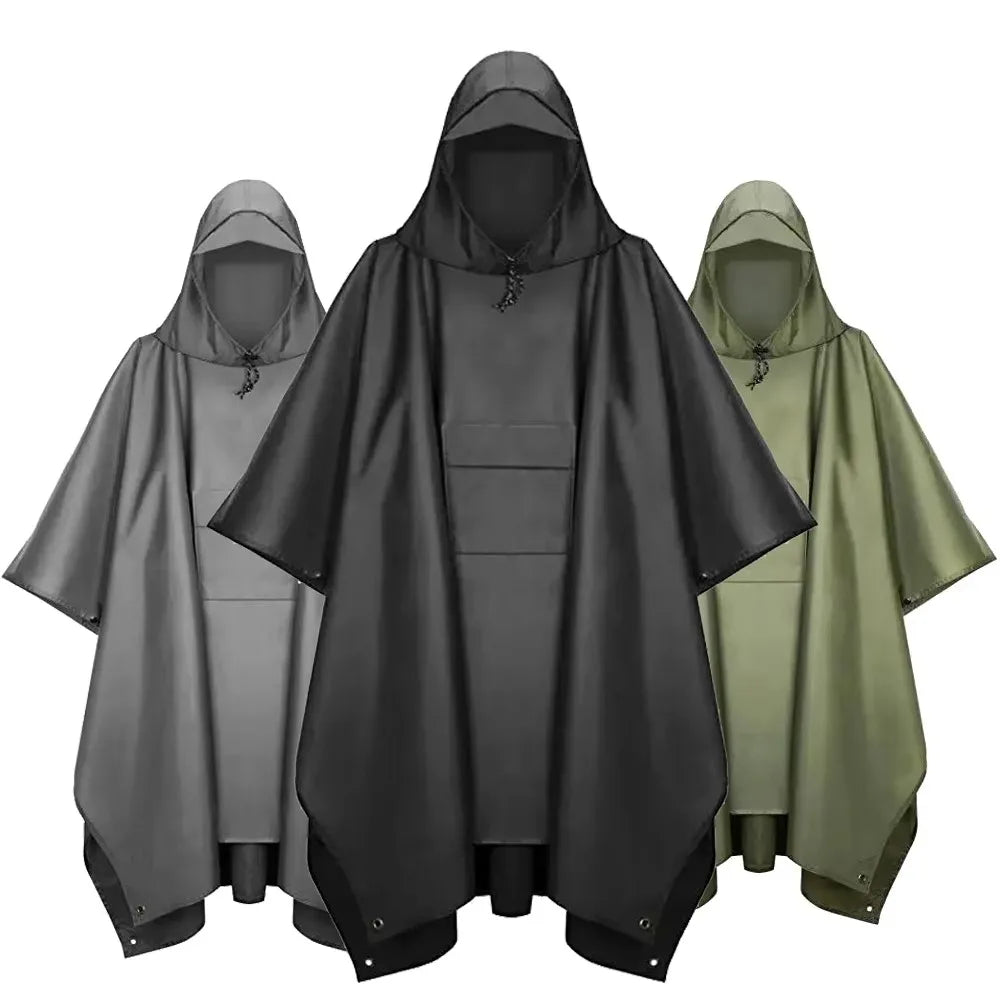
Poncho rain gear often performs better than standard hiking jackets during extended storms because it covers both your body and backpack while allowing better airflow. In heavy rain hiking conditions, a quality poncho can reduce sweat buildup, improve mobility, and create a lighter camping rain protection lightweight gear setup without adding bulky layers.
Poncho Rain Gear Vs Jackets: Which Works Best In Heavy Rain
⏱ 8 min read
Poncho rain gear can outperform bulky jackets when storms hit harder than expected, especially if you care about mobility and pack weight. From rain poncho vs waterproof jacket hiking comparisons to reusable tarp poncho vs disposable ponchos, this guide explains what actually keeps hikers dry during unpredictable weather and how to build a smarter lightweight rain setup for camping and backpacking.
Ever been halfway through a hike when your expensive waterproof jacket suddenly felt like a sauna? Heavy rain creates two problems at once: external moisture and internal sweat buildup. That’s why many backpackers now choose poncho rain gear instead of traditional shell systems.
A good poncho doesn’t just block rain. It changes how you move, pack, and manage comfort during long outdoor days.
👉 Discover must-have camping gear before your next stormy adventure.
Weather Protection & Environment and Rain Ponchos & Capes help simplify unpredictable outdoor conditions.
💡 See it in action
Why More Hikers Switch To Poncho Rain Gear
Poncho rain gear gives hikers wider coverage, better airflow, and easier layering compared to many waterproof jackets. In prolonged storms, this design helps reduce trapped heat and protects both the backpack and upper legs without requiring separate pack covers.
Traditional rain jackets are excellent at sealing out water initially. But once humidity rises and hiking intensity increases, trapped sweat becomes a major issue.
Ponchos solve this differently.
- Open ventilation improves airflow
- Large coverage shields backpacks
- Less restrictive movement on steep trails
- Lighter pack weight for long-distance hiking
- Faster deployment during surprise weather changes
Many Appalachian Trail hikers report that breathable poncho systems feel drier overall during humid summer storms compared to premium waterproof shells.
| Feature | Poncho Rain Gear | Waterproof Jacket |
|---|---|---|
| Ventilation | Excellent | Moderate |
| Backpack Coverage | Built-in | Usually separate cover needed |
| Weight | Very light | Heavier |
| Mobility In Wind | Moderate | Excellent |
| Heat Management | Strong | Can trap sweat |
For ultralight backpackers, combining ponchos with Waterproof & Dry Bags creates a surprisingly efficient storm setup.
Rain Poncho Vs Waterproof Jacket Hiking Comparison
When comparing rain poncho vs waterproof jacket hiking systems, ponchos typically perform better in warm, humid, or extended rain conditions. Waterproof jackets excel during cold alpine weather, strong winds, or technical terrain where precise movement and tighter weather sealing matter more.
Where Ponchos Perform Better
Imagine hiking through humid forests for six hours in steady rain. A sealed waterproof jacket often creates condensation inside from body heat.
Ponchos reduce this issue because airflow escapes naturally through open sides.
They also protect more gear.
- Backpacks stay covered
- Trekking pole movement feels easier
- Quick breaks require less unpacking
- Fewer waterproof layers needed
That’s why poncho systems are increasingly popular in lightweight thru-hiking communities.
Where Jackets Still Dominate
Waterproof jackets still outperform ponchos in several environments:
- High winds above tree line
- Cold mountain exposure
- Technical climbing terrain
- Cycling or fast-paced movement
- Dense brush or scrambling routes
Jackets hug the body better and resist wind flap during aggressive weather.
Some hikers combine both systems: lightweight poncho for moderate rain and compact shell jacket for emergencies.
👉 Learn how to choose the right hiking gear before unpredictable weather ruins your trip.
Explore Lightweight Daypacks, Ground Sheets & Tarps, and Backpacking & Carry for flexible trail setups.
How A Lightweight Rain Setup Improves Comfort
The smartest camping rain protection lightweight gear setup focuses on moisture management instead of just waterproof ratings. Lightweight ponchos, compact dry bags, fast-drying layers, and tarp shelters often keep hikers more comfortable during multi-day rain than heavy insulated systems.
Heavy rain rarely stays convenient.
Once clothing gets soaked, morale drops fast. That’s why experienced campers focus on adaptable systems instead of single pieces of gear.
Recommended Lightweight Rain Setup
- Lightweight poncho with backpack coverage
- Quick-dry base layer
- Dry bags for sleeping gear
- Compact tarp shelter backup
- Extra socks stored separately
Adding gear from Compression & Packing Bags and Camping Storage & Boxes can dramatically improve organization during wet trips.
Many hikers also pair ponchos with Headlamps & Wearable Lights because storms often reduce visibility earlier than expected.
💡 See it in action
Real-World Example
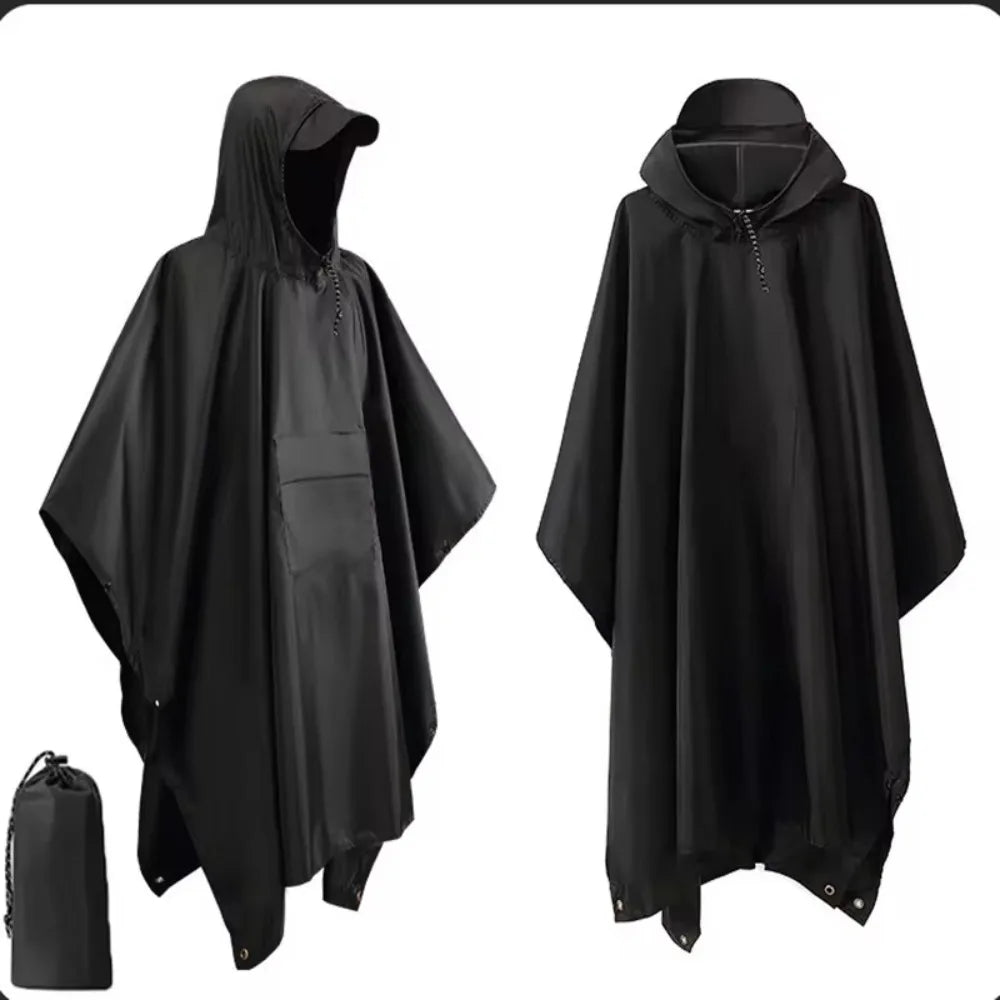
A weekend backpacker in Washington reported carrying a poncho tarp system reduced pack weight by nearly two pounds compared to a traditional rain shell and separate pack cover combination.
More importantly, they stayed drier internally because ventilation improved dramatically during uphill climbs.
Reusable Tarp Poncho Vs Disposable Ponchos
Reusable tarp poncho vs disposable ponchos comparisons usually come down to durability and versatility. Disposable ponchos work for emergencies, festivals, or short trips, while reusable tarp ponchos provide stronger weather protection, shelter functionality, and better long-term reliability for camping or hiking.
| Type | Best Use | Main Weakness |
|---|---|---|
| Disposable Poncho | Emergency backup | Tears easily |
| Reusable Tarp Poncho | Camping and backpacking | Slightly heavier |
| Premium Hiking Poncho | Long-distance hiking | Higher cost |
Why Reusable Ponchos Matter
A reusable poncho becomes more than rainwear.
- Emergency shelter
- Ground cover
- Wind block
- Gear cover
- Temporary shade
That versatility matters during changing weather patterns.
Pairing ponchos with Sun Shades & Canopies or Camping Tents & Shelter creates a more complete storm-ready campsite.
Disposable ponchos still have value, especially inside emergency kits stored in cars or travel bags.
For vehicle preparedness, many travelers keep backups alongside gear from Emergency Road Kits and Car Camping Accessories.
When Waterproof Jackets Still Win
Despite the rise of poncho systems, waterproof jackets remain essential for some outdoor conditions.
Cold Weather Hiking
During freezing rain or high winds, jackets preserve body heat better because they seal tightly around the torso.
Technical Terrain
Rock scrambling, climbing, and narrow trails can snag loose poncho fabric. Jackets allow safer movement in confined environments.
Cycling And Running
Ponchos catch wind aggressively during fast movement.
Runners and cyclists often prefer fitted shells with breathable membrane technology.
Layering Systems
Some hikers combine lightweight jackets with ponchos for maximum adaptability.
This dual-system approach works especially well with Wind & Cold Protection gear during shoulder-season adventures.
Smart Rain Gear Packing Checklist
What gear actually makes camping easier during nonstop rain?
Often it’s the small supporting accessories that prevent frustration.
Heavy Rain Hiking Checklist
- Poncho rain gear
- Dry storage bags
- Extra merino socks
- Compact shelter tarp
- Backup fire starter
- Waterproof lighting
- Emergency whistle
- Portable power bank
Useful companion collections include:
One overlooked detail is food protection.
Wet conditions can quickly ruin exposed snacks and cooking gear. Many campers now organize supplies using Food Storage Bags & Containers and Outdoor Cookware.
Common Rain Hiking Mistakes To Avoid
Overdressing
Too many waterproof layers trap sweat and create internal moisture.
Ignoring Ventilation
Staying dry means balancing airflow and rain protection.
Using Cheap Disposable Ponchos For Long Trips
Thin emergency ponchos tear quickly under backpack straps.
Skipping Waterproof Storage
Even the best poncho cannot fully protect sleeping bags or electronics without backup waterproof storage.
That’s why experienced hikers combine ponchos with Waterproof & Dry Bags and Gear Organizers & Pouches.
👉 Get yours now before your next trip!
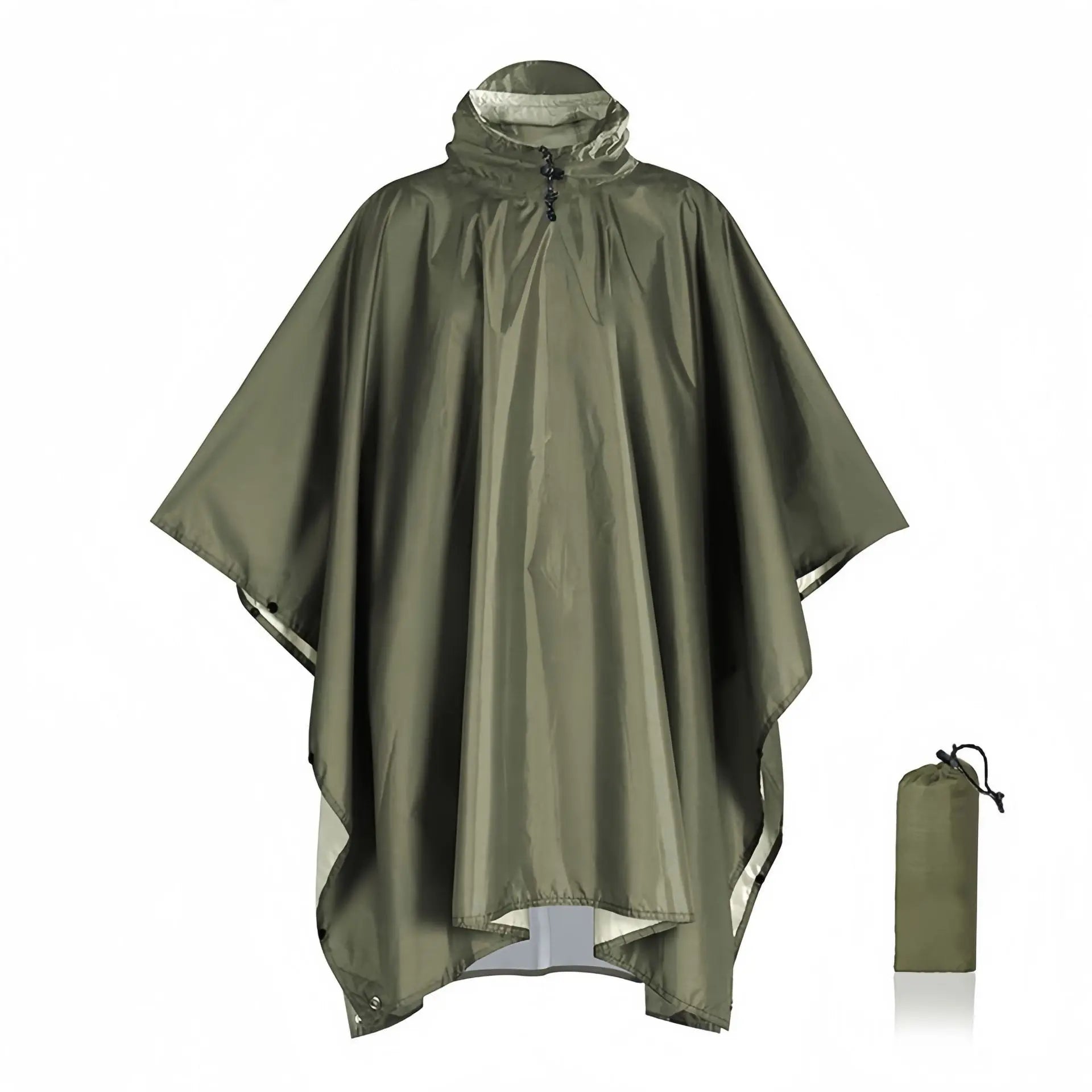
See the 3-in-1 Lightweight Waterproof Rain Poncho for a lighter and more versatile storm-ready setup.
💡 See it in action
Final Verdict
Poncho rain gear works exceptionally well for hikers prioritizing ventilation, pack coverage, and lightweight comfort during extended rain. Waterproof jackets still dominate in cold, windy, or technical terrain.
For many campers and backpackers, the ideal answer isn’t choosing one system forever. It’s matching gear to terrain, weather, and hiking style.
If your adventures involve humid forests, changing weather, or multi-day trekking, a well-designed poncho system may keep you drier than you expect.
FAQ
Is poncho rain gear better than a waterproof jacket for hiking?
Poncho rain gear is often better for warm or humid hiking because it improves airflow and covers backpacks more effectively. Waterproof jackets usually perform better in cold, windy, or technical terrain.
Are reusable tarp ponchos worth it?
Yes. Reusable tarp ponchos provide better durability, shelter versatility, and long-term value compared to disposable ponchos. Many hikers use them as both rain protection and emergency shelters.
What is the best lightweight rain setup for camping?
A lightweight setup typically includes a poncho, dry bags, quick-drying clothing layers, compact tarp shelter, and waterproof storage for electronics and sleeping gear.
Do ponchos work during heavy rain?
High-quality ponchos perform very well during heavy rain because they ventilate better and protect larger areas of the body and backpack. Windy alpine conditions may still favor fitted waterproof jackets.
Pillar Article: Poncho Vs Rain Jacket: Which Keeps You Drier In Real Conditions
Other Related Articles:
- Rain Poncho Men Styles Compared: Breathability Vs Coverage
- Rain Poncho For Women Vs Unisex: Fit And Coverage Compared
- Rain Poncho Packable Showdown: Smallest Travel Options
- Hiking Rain Ponchos Compared: Ultralight Vs Heavy Duty Options
Explore More:





