

Hiking Rain Ponchos Compared: Ultralight Vs Heavy Duty Options
Do Hiking Rain Ponchos Work Better Than Rain Jackets?
Hiking rain ponchos provide wider coverage, better airflow, and faster pack access than many rain jackets during changing trail conditions. Ultralight models excel for fast-moving hikers, while heavy-duty ponchos offer stronger storm protection during heavy rain exposure while hiking trails with backpacks and camping gear.
Hiking Rain Ponchos Compared: Ultralight Vs Heavy Duty Options
⏱ 8 min read
Hiking rain ponchos can completely change how comfortable and prepared you feel when storms hit the trail. Some hikers swear by ultralight designs that disappear into a backpack pocket, while others trust rugged heavy-duty options built for brutal weather. But which style actually keeps you dry without turning every hike into a sweaty mess? This guide breaks down real-world performance, breathability, pack coverage, durability, and trail comfort so you can choose the right poncho for your next adventure.
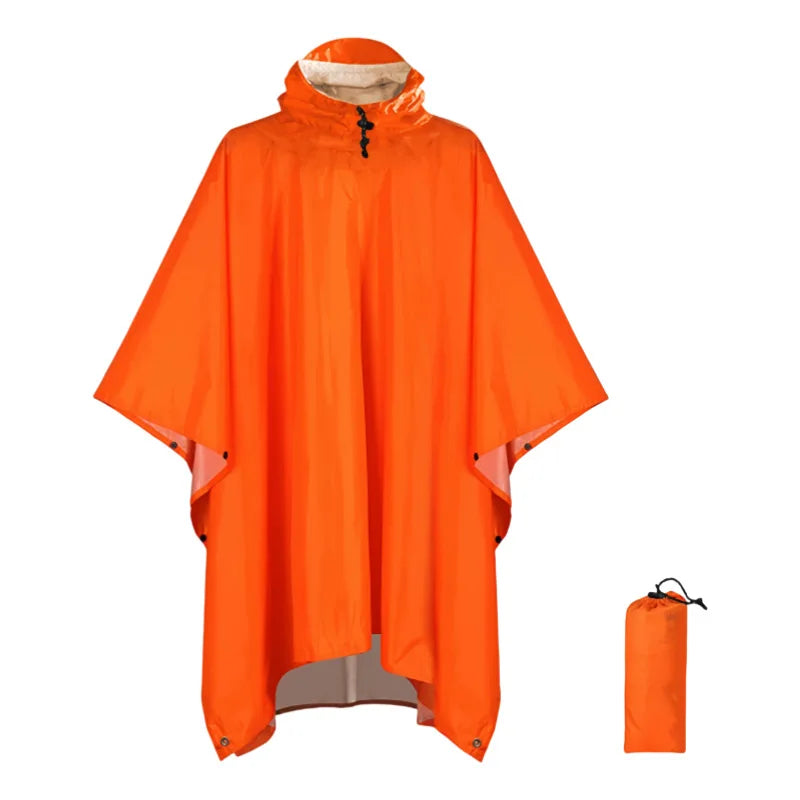
Unexpected weather can ruin a hike fast. Explore dependable protection in the Rain Ponchos & Capes collection before your next trail day.
💡 See it in action
Why More Hikers Are Switching to Ponchos
Rain jackets are popular, but many hikers eventually become frustrated with overheating, trapped moisture, and soaked backpacks. Hiking rain ponchos solve several of these problems at once by improving ventilation and covering both the hiker and their gear.
What gear actually makes hiking easier when the forecast suddenly changes? For many backpackers, it is the simple poncho packed at the top of the bag.
- Better airflow reduces sweat buildup
- Backpacks stay protected without separate covers
- Fast to deploy during sudden storms
- Works as emergency shelter in some situations
- Often lighter than full rain jacket systems
Many hikers pair ponchos with lightweight gear from the Lightweight Daypacks collection to keep total trail weight manageable during long-distance treks.
| Feature | Ultralight Poncho | Heavy Duty Poncho |
|---|---|---|
| Average Weight | 6–10 oz | 12–25 oz |
| Packability | Excellent | Moderate |
| Wind Resistance | Fair | Strong |
| Durability | Lower | High |
| Ventilation | Excellent | Good |
Ultralight Vs Heavy Duty Ponchos Compared
Hiking rain ponchos designed for ultralight travel prioritize low weight and compact storage, while heavy-duty models focus on durability and storm resistance. The best choice depends on your hiking style, terrain, trip length, and expected weather conditions.
Why Ultralight Ponchos Feel Better on Long Hikes
An ultralight poncho is often made from thin ripstop nylon or coated polyester. These designs compress easily and weigh very little, making them popular with thru-hikers and minimalist backpackers.
Advantages include:
- Less strain during long mileage days
- Quick drying after storms
- Minimal backpack bulk
- Easy layering over insulation
The downside appears during aggressive weather. Strong winds can cause flapping, exposed legs may get soaked, and thin materials may tear on rocky trails or branches.
Many hikers using ultralight ponchos also carry compact items from Waterproof & Dry Bags for extra gear security.
How Heavy Duty Ponchos Handle Real Storms
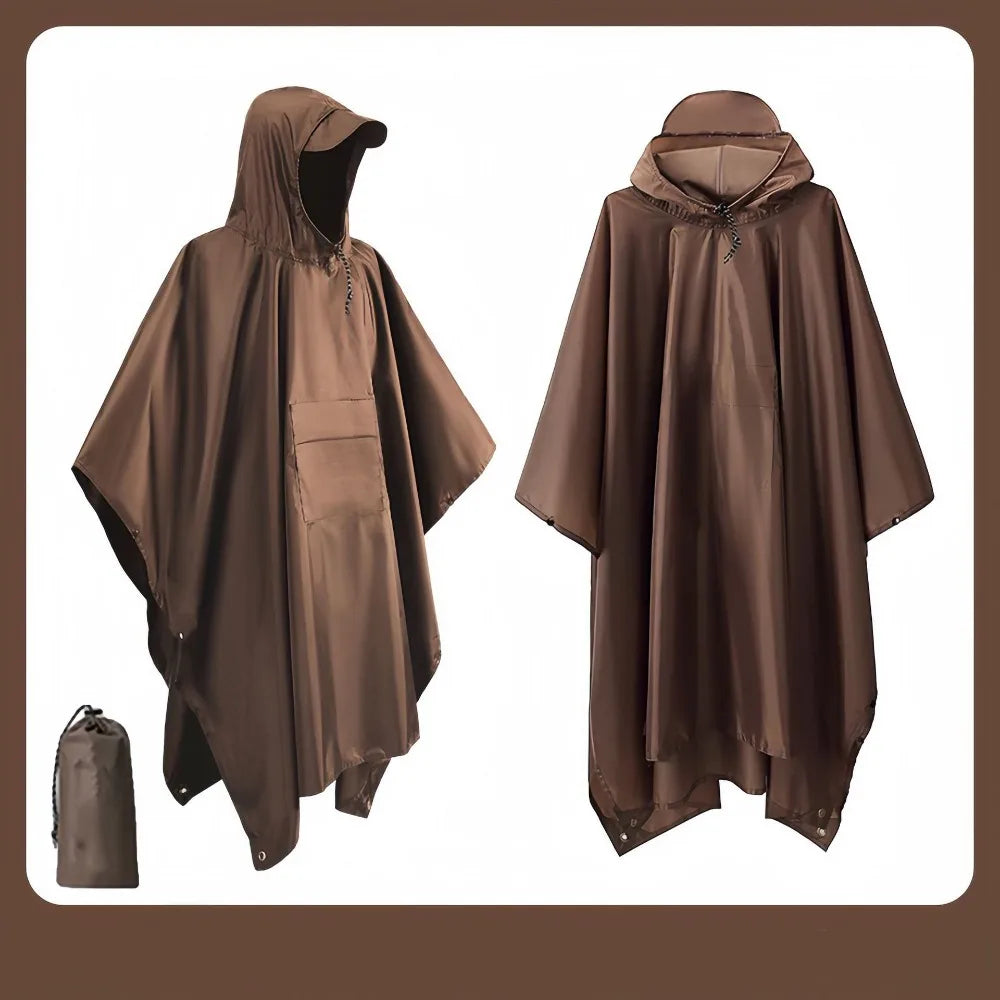
Heavy-duty ponchos are built for reliability during heavy rain exposure while hiking trails with larger packs and unpredictable mountain weather.
These ponchos typically feature:
- Thicker waterproof fabrics
- Reinforced seams
- Snap closures or tie-downs
- Larger hood structures
- Improved wind stability
The extra protection matters during cold rain and extended exposure. Hikers moving through dense forests or alpine routes often prefer heavy-duty designs because they survive rough use far better.
“Our group switched to heavier ponchos after a three-day mountain storm soaked everyone wearing cheap ultralight shells. The difference in warmth and comfort was huge.”
Need gear that handles unpredictable weather? Explore dependable trail protection inside the Weather Protection & Environment collection.
Which Weather Conditions Fit Each Poncho Best?
Best Conditions for Ultralight Ponchos
- Warm-weather hiking
- Summer backpacking trips
- Fast-moving day hikes
- Light to moderate rain
- Long-distance trails with stable forecasts
Ultralight ponchos breathe exceptionally well during humid weather where sweat buildup becomes a bigger problem than rain itself.
Best Conditions for Heavy Duty Ponchos
- Cold mountain rain
- Extended storm exposure
- Windy ridgelines
- Dense forest terrain
- Backpacking with expensive gear
Heavy-duty ponchos are often favored for emergency preparedness because they maintain performance under repeated use and harsh conditions.
💡 See it in action
Features That Actually Matter on the Trail
Not all ponchos perform equally. Some features dramatically improve comfort and protection, while others barely matter during real hiking conditions.
Backpack Coverage Changes Everything
A poncho that fully covers your backpack reduces water intrusion and eliminates the need for separate rain covers. This becomes especially important during multi-day hikes.
Many hikers combine ponchos with storage systems from Compression & Packing Bags to keep clothing dry and organized.
Ventilation Prevents Sweat Soak
Breathability matters more than many beginners realize. A fully waterproof shell that traps sweat often leaves hikers just as wet as rainfall.
Loose poncho airflow helps regulate temperature naturally while climbing hills or hiking in humid forests.
Hood Design Makes a Huge Difference
A poorly designed hood allows water to drip directly onto your face and neck. Look for:
- Adjustable draw cords
- Structured brims
- Deep hood coverage
- Secure neck closures
Multifunction Use Adds Value
A lightweight multifunction rain poncho for hiking can sometimes double as:
- Emergency shelter
- Ground tarp
- Gear cover
- Picnic rain shield
This versatility appeals strongly to backpackers trying to reduce pack weight.
Common Hiking Rain Poncho Mistakes
Even top rated hiking rain ponchos reviewed online can fail badly if hikers choose the wrong fit or conditions.
| Mistake | Result |
|---|---|
| Choosing too small a poncho | Backpack exposure and restricted movement |
| Ignoring wind conditions | Flapping and water intrusion |
| Using thin ponchos on rough terrain | Tears and punctures |
| Packing ponchos too deep in bags | Slow storm response |
| Skipping dry storage systems | Wet sleeping gear and clothing |
Keeping rain gear accessible inside organizers from Gear Organizers & Pouches can make sudden weather changes much easier to manage.
Top Rated Hiking Rain Ponchos Reviewed by Hikers
Hiking rain ponchos receive the best long-term feedback when they balance ventilation, waterproofing, durability, and pack compatibility. Hikers consistently rate models higher when they remain comfortable after hours of continuous rain instead of only performing during short showers.
What Hikers Love Most
- Freedom of movement
- Reduced sweating compared to jackets
- Easy layering over winter clothing
- Full backpack protection
- Fast deployment during sudden rain
What Hikers Still Complain About
- Leg exposure in sideways rain
- Wind instability on open trails
- Noisy materials during storms
- Difficulty using trekking poles in extreme wind
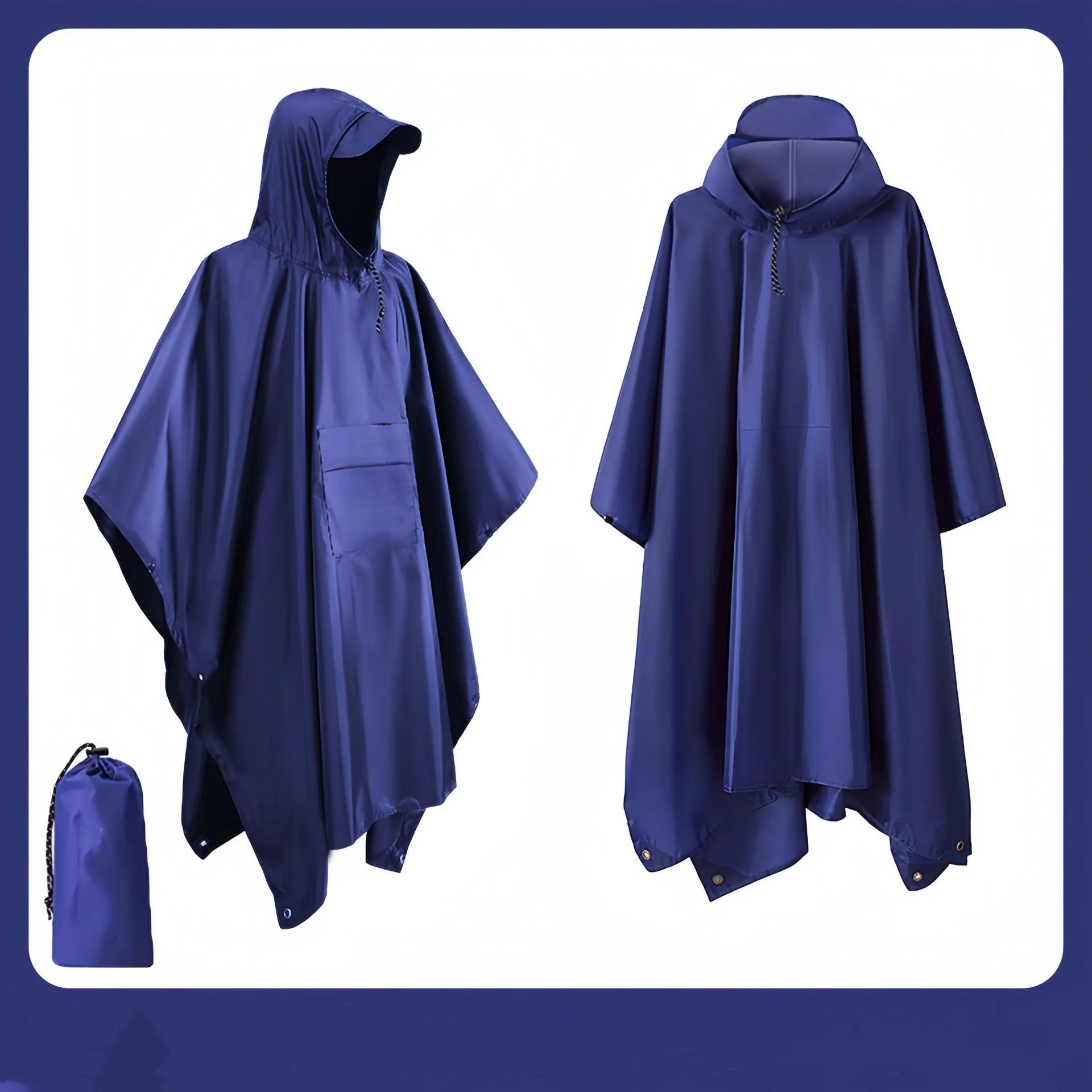
For hikers who want a balanced option between portability and weather protection, the 3-in-1 Lightweight Waterproof Rain Poncho offers strong versatility for changing trail conditions.
Choosing between weight and protection? Compare trail-ready gear inside the Backpacking & Carry collection before your next hike.
Gear That Pairs Well With Rain Ponchos
The best hiking setups rely on systems, not single products. Pairing your poncho with the right accessories improves comfort and safety dramatically.
- Personal Water Filters for wet-weather water access
- Headlamps & Wearable Lights for dark storm conditions
- Ground Sheets & Tarps for emergency shelter setups
- First Aid Kits for cold-weather safety
- Wind & Cold Protection for mountain hiking
Many experienced hikers also keep backup dry clothing compressed inside waterproof bags because no rain system is completely perfect during severe storms.
💡 See it in action
Final Verdict: Ultralight or Heavy Duty?
If your priority is speed, low pack weight, and ventilation, ultralight ponchos are hard to beat. They work especially well for summer hikes, thru-hiking, and short adventures where every ounce matters.
If you regularly face cold weather, mountain storms, or extended heavy rain exposure while hiking trails, heavy-duty ponchos deliver stronger protection and greater peace of mind.
The smartest hikers often choose based on trip conditions instead of sticking to a single setup year-round.
Reliable rain protection can turn miserable trail conditions into manageable adventures. Before your next hike, explore practical options inside the Rain Ponchos & Capes collection and build a setup that keeps you dry, mobile, and ready for changing weather.
FAQ
Are hiking rain ponchos better than waterproof jackets?
Hiking rain ponchos often provide better ventilation and backpack coverage than waterproof jackets. Jackets usually perform better in strong wind and cold conditions, while ponchos excel during humid hikes and fast-changing weather.
What is the best material for hiking rain ponchos?
Ripstop nylon and coated polyester are common choices because they balance waterproofing, durability, and weight. Heavy-duty materials perform better in rough terrain and repeated storm exposure.
Can a poncho replace a backpack rain cover?
Many hiking rain ponchos are designed to cover both the hiker and backpack simultaneously. This reduces the need for a separate rain cover and simplifies storm protection.
Do ultralight ponchos tear easily?
Ultralight ponchos can tear more easily than heavy-duty models when exposed to sharp branches, rocks, or repeated abrasion. Careful packing and trail awareness help extend their lifespan.
What extra gear should hikers carry during rainstorms?
Helpful additions include dry bags, headlamps, emergency shelters, first aid kits, and insulated clothing. Keeping critical gear dry becomes especially important during multi-day hikes.
Pillar Article: Poncho Vs Rain Jacket: Which Keeps You Drier In Real Conditions
Other Related Articles:
- Rain Poncho Men Styles Compared: Breathability Vs Coverage
- Poncho Rain Gear Vs Jackets: Which Works Best In Heavy Rain
- Rain Poncho For Women Vs Unisex: Fit And Coverage Compared
- Rain Poncho Packable Showdown: Smallest Travel Options
Explore More:





