

Rain Poncho Military Options: Field-Tested Pros And Cons
Rain Poncho Military Options: Field-Tested Pros And Cons
Does rain poncho military gear really work in harsh outdoor weather?
Rain poncho military designs are built for fast weather protection, backpack coverage, and emergency shelter use during demanding outdoor trips. The best models balance waterproof durability, ventilation, and multi-use tarp functionality, while weaker designs often fail during prolonged storms, heavy wind exposure, or limited shelter during storm conditions.
⏱ 9 min read
A sudden downpour can turn a simple hike into a cold, miserable trek within minutes. Many outdoor travelers discover too late that lightweight rain jackets fail when carrying large packs or setting up camp in rough terrain. That is why rain poncho military gear continues to attract hikers, campers, survivalists, and car campers searching for dependable weather protection that does more than keep clothing dry. From emergency tarp shelters to all-day trail coverage, the right poncho can become one of the most versatile items in your pack.
What gear actually makes camping easier when heavy rain arrives at midnight? For many experienced backpackers, a reliable military-style poncho ranks higher than expensive rain jackets because it protects both the body and backpack while doubling as emergency shelter.
👉 Discover weather-ready outdoor essentials before your next adventure.
Weather Protection & Environment offers practical gear for unpredictable trail conditions and wet-weather camping.
💡 See it in action
Why Military Ponchos Stand Out During Bad Weather
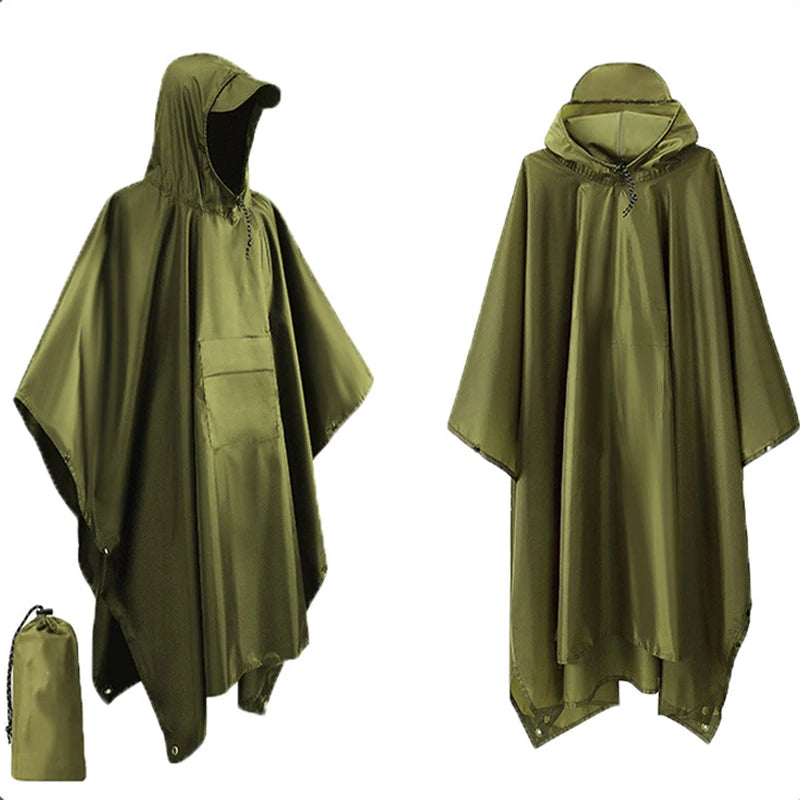
Rain poncho military gear became popular because soldiers needed lightweight protection that could adapt quickly in changing terrain. Unlike fitted rain jackets, military ponchos create broader coverage for backpacks, rifles, and bulky cold-weather layers.
Modern outdoor users appreciate the same flexibility during:
- Multi-day backpacking trips
- Emergency roadside breakdowns
- Fishing and hunting expeditions
- Music festivals and overlanding
- Storm-heavy hiking routes
- Minimalist survival setups
One major advantage is versatility. Many military ponchos include grommets and reinforced corners that allow them to convert into tarp shelters or emergency ground covers.
Experienced campers often combine ponchos with gear from Ground Sheets & Tarps to build larger weather-resistant shelter systems during severe rain.
Field-Tested Pros And Cons
Rain poncho military models excel when flexibility matters most, but not every design performs equally under pressure. Military poncho reviews for camping gear consistently show that durability, seam construction, and ventilation make the biggest difference during extended outdoor use.
Advantages Outdoor Users Appreciate
- Full backpack coverage: Large cuts protect packs without requiring separate rain covers.
- Quick deployment: Easy to throw on during sudden storms.
- Ventilation: Better airflow than sealed rain jackets.
- Multi-use shelter: Converts into tarp or lean-to shelter.
- Compact storage: Packs small inside daypacks or vehicle kits.
- Emergency utility: Useful for ground cover or gear wrapping.
Common Drawbacks In Real Conditions
- Wind flapping: Loose fabric can become difficult during strong gusts.
- Limited insulation: Waterproof protection does not equal warmth.
- Pooling water: Poor tarp setup creates sagging.
- Cheap snaps fail: Budget ponchos often rip at stress points.
- Restricted movement: Long cuts may snag during climbing or scrambling.
| Feature | Budget Poncho | Field-Tested Military Style |
|---|---|---|
| Fabric Durability | Thin PVC | Ripstop nylon/polyester |
| Backpack Coverage | Limited | Excellent |
| Shelter Conversion | Weak grommets | Reinforced corners |
| Storm Performance | Moderate | Reliable |
| Packability | Bulky | Compact |
Campers heading into wet environments often pair ponchos with waterproof storage from Waterproof & Dry Bags to protect electronics, clothing, and food supplies.
👉 Learn how to choose smarter camping protection for changing weather.
Explore adaptable shelter and storm gear inside Camping Tents & Shelter.
Poncho Tarp Comparison For Outdoor Survival
One reason military ponchos remain popular is their ability to function as emergency shelter systems. However, not all ponchos work equally well as tarps.
Here is a practical poncho tarp comparison for outdoor survival scenarios.
| Poncho Type | Best Use | Main Weakness | Ideal User |
|---|---|---|---|
| Ultralight Hiking Poncho | Fast hikes | Lower durability | Minimalist backpackers |
| Military Ripstop Poncho | Storm shelter use | Heavier carry weight | Survival campers |
| PVC Emergency Poncho | Short-term rain | Poor ventilation | Festival and casual users |
| Silnylon Poncho Tarp | Backpacking shelter | Higher cost | Long-distance hikers |
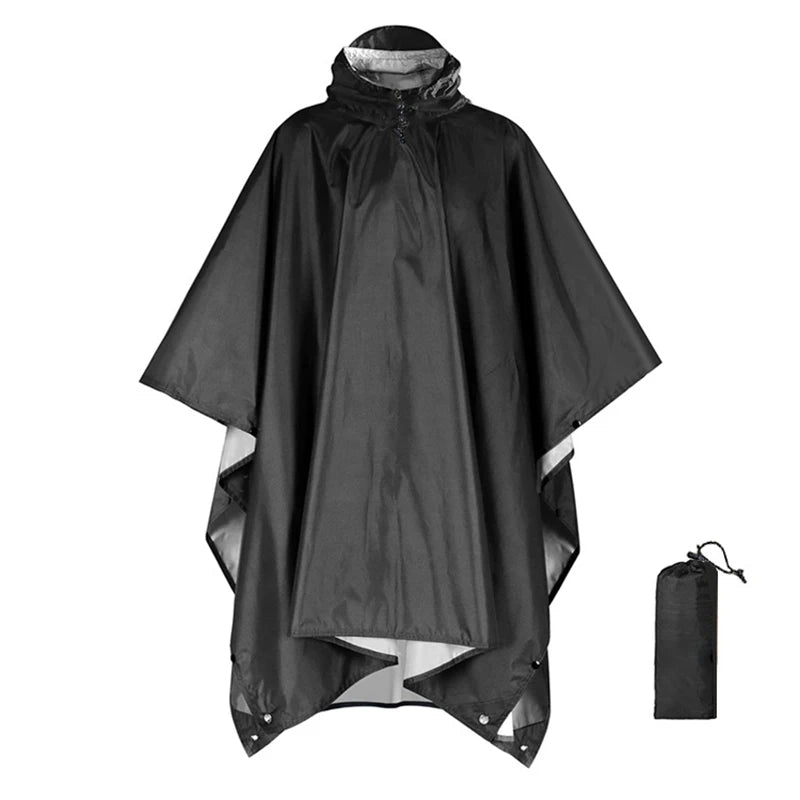
Many experienced hikers prefer ponchos with reinforced tie-out points because they reduce tearing when converting to shelter mode. This becomes especially important during limited shelter during storm conditions where trees, rocks, or campground structures may not provide enough coverage.
Several overlanding groups report using military ponchos as temporary windbreaks while preparing meals with equipment from Camping Stoves & Cooking.
💡 See it in action
Features That Matter Before You Buy
Military poncho reviews for camping gear often focus heavily on waterproof ratings, but real-world performance depends on several smaller details many buyers overlook.
1. Fabric Material
Ripstop nylon typically provides the best balance between durability and packability. PVC may resist water initially but becomes stiff, heavy, and uncomfortable during longer hikes.
2. Hood Design
A poorly designed hood allows rain to drip directly onto clothing layers. Adjustable drawcords improve visibility while reducing water entry.
3. Reinforced Grommets
If you plan to use the poncho as shelter, reinforced corners matter enormously. Weak stitching tears quickly during windy weather.
4. Ventilation
Condensation can become worse than rain itself during humid hikes. Better airflow reduces overheating and damp clothing buildup.
5. Packed Size
Compact ponchos fit easily inside Lightweight Daypacks without consuming valuable packing space.
Quick Checklist Before Buying
- Choose ripstop fabric over thin plastic
- Check tie-out reinforcement stitching
- Look for backpack-compatible sizing
- Verify seam sealing quality
- Test hood visibility and fit
- Confirm packed dimensions for travel
Some campers also store ponchos alongside equipment from Emergency Road Kits for vehicle emergencies during long-distance travel.
Best Camping And Survival Scenarios
Not every outdoor adventure requires military-grade weather protection, but certain environments strongly favor poncho versatility.
Backpacking Through Mountain Weather
Rapid elevation changes often create unpredictable rain bursts. A poncho allows quick deployment without stopping to remove backpacks.
Emergency Shelter Setup
Unexpected storms can leave campers searching for cover. Ponchos with tarp functionality provide temporary shelter while larger camps are established.
Fishing And River Crossings
Waterproof ponchos help maintain mobility while keeping essential gear dry during shoreline movement.
Vehicle-Based Camping
Car campers frequently use ponchos during campsite setup when heavy rain arrives before tents are fully secured.
Outdoor travelers also combine ponchos with gear from Headlamps & Wearable Lights for nighttime storm navigation and wet-weather camp organization.
"I originally packed a military poncho as backup gear. After two days of nonstop rain in the Rockies, it became the most useful item I carried." — Colorado backpacking traveler
Common Military Poncho Failures In Storms
Despite their usefulness, even quality ponchos have limitations. Understanding these weaknesses helps prevent dangerous mistakes during severe weather.
Wind Exposure
Loose poncho fabric catches wind easily. Without proper tie-down techniques, movement becomes awkward and visibility suffers.
Improper Shelter Angles
Poncho tarp setups fail when pitched too flat. Water pooling increases pressure on seams and eventually leaks into sleeping areas.
Cold Weather Misuse
Ponchos block rain but provide little insulation. During cold storms, layering becomes essential.
Campers preparing for colder conditions often combine ponchos with products from Wind & Cold Protection and Blankets & Sleeping Comfort.
Cheap Snap Closures
Low-quality snap systems frequently tear away from fabric under stress. This becomes especially frustrating during long treks.
| Storm Problem | Recommended Fix |
|---|---|
| Wind Flapping | Use waist cord or tie-downs |
| Water Pooling | Create steeper shelter pitch |
| Cold Exposure | Add thermal layers underneath |
| Wet Gear | Use dry bags and pack liners |
How To Pair Your Poncho With Other Outdoor Gear
A poncho performs best when integrated into a complete weather protection setup instead of acting as standalone gear.
Recommended Pairings
- Personal Water Filters for storm-ready survival kits
- Fire Starters & Ignition for wet-weather camp recovery
- Compression & Packing Bags for dry clothing organization
- Tent & Camping Lanterns for low-visibility conditions
- Survival Accessories for emergency preparedness
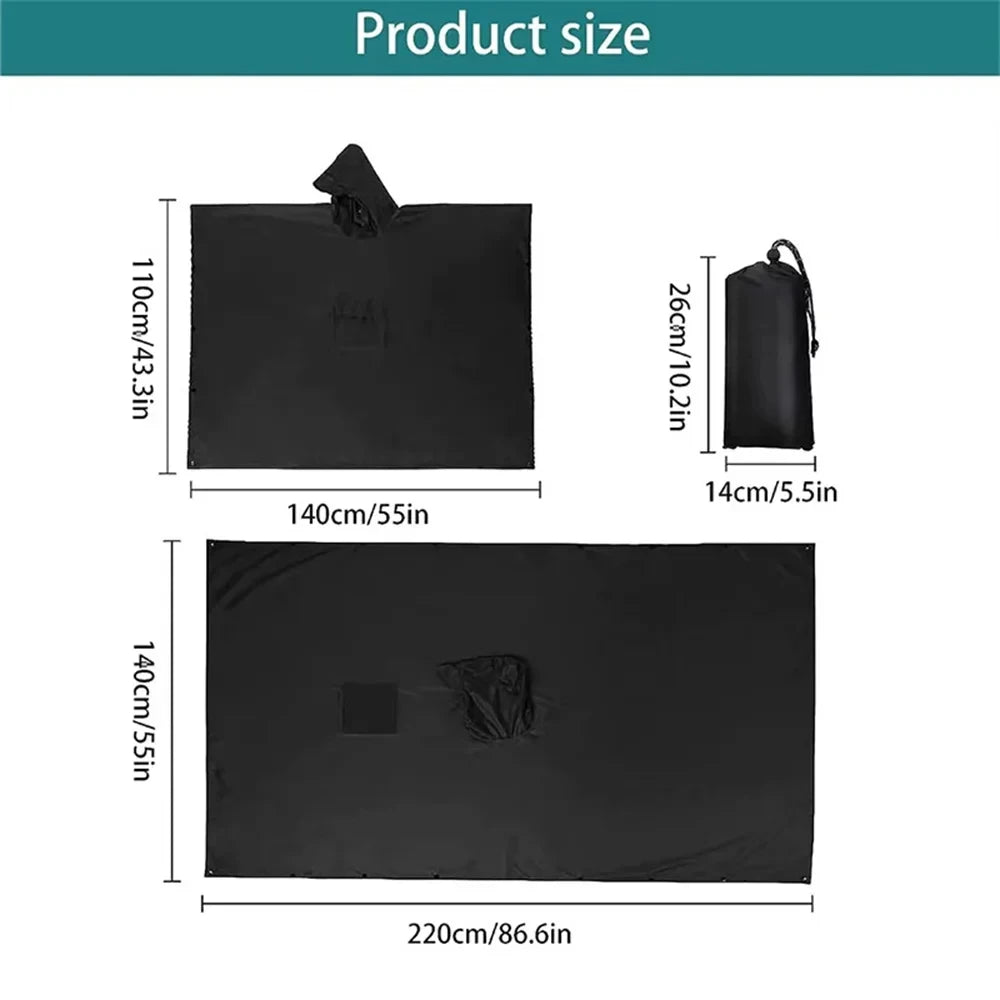
Many outdoor users also prefer carrying a multi-use poncho like the 3-in-1 Military Rain Poncho because it combines weather protection, shelter flexibility, and pack coverage in a single lightweight item.
For extended trips, adding equipment from Camping Storage & Boxes helps organize wet gear separately from sleeping equipment and electronics.
👉 Get prepared before your next storm-heavy adventure.
Explore adaptable wet-weather equipment through Rain Ponchos & Capes and upgrade your shelter setup before conditions turn rough.
💡 See it in action
Final Thoughts
Rain poncho military gear continues to earn respect because it solves multiple outdoor problems at once. A dependable poncho protects the body, shields backpacks, supports emergency shelter building, and adapts quickly during unstable weather.
Field-tested performance matters more than flashy marketing claims. Strong stitching, durable fabric, ventilation, and shelter functionality consistently separate reliable ponchos from disappointing ones.
For hikers, campers, overlanders, and survival-focused travelers, a military-style poncho often becomes one of the smartest lightweight additions to any outdoor setup.
FAQ
Are military rain ponchos better than regular rain jackets?
Military ponchos offer broader coverage and better backpack protection than most rain jackets. They also provide shelter versatility, making them useful for camping and emergency situations.
Can a military poncho replace a tarp shelter?
In many cases, yes. Ponchos with reinforced grommets and durable fabric can function as temporary tarp shelters during short-term camping or emergency survival scenarios.
What material works best for rain poncho military gear?
Ripstop nylon is commonly preferred because it balances waterproof protection, durability, flexibility, and packability better than heavy PVC materials.
Do military ponchos work in strong wind?
They can, but proper setup matters. Waist cords, shelter tie-downs, and correct pitching angles help reduce wind flapping and improve overall stability.
How should I store a wet poncho after camping?
Allow the poncho to dry completely before long-term storage. Using waterproof packing systems and separate gear compartments helps prevent mildew and moisture damage.
Pillar Article: Best Backpacking Poncho: 7 Models Compared For Wet Hikes
Other Related Articles:
- Hooded Rain Ponchos: Budget Vs Premium Models Compared
- Us Military Poncho With Liner: How It Compares To Rain Jackets
- Nylon Ripstop Waterproof Ponchos: 5 Top Picks Compared
- Ripstop Nylon Poncho Vs Pvc: Which Keeps You Drier?
Explore More:





