

Best Backpacking Poncho: 7 Models Compared For Wet Hikes
Ripstop Nylon Poncho Vs PVC: Which Keeps You Drier?
Which keeps you drier: ripstop nylon poncho or PVC?
Ripstop nylon poncho generally keeps you drier over long hikes because it balances waterproof protection with breathability, reducing internal condensation. PVC blocks external rain completely but traps heat and moisture inside, often making you feel wet from sweat. In sustained heavy rain hikes, ripstop nylon is usually more comfortable and practical.
⏱ 5 min read
Picture this: you’re halfway up a windy ridge, rain suddenly turns sideways, and your gear starts soaking through your jacket. What actually keeps you dry in that moment—plastic-like PVC or a breathable ripstop nylon poncho? The answer is more surprising than most hikers expect, especially when weather shifts fast and gear performance really matters.
👉 Discover must-have camping gear for unpredictable weather
💡 See it in action outdoors
Ripstop Nylon Poncho vs PVC: What Actually Makes You Stay Dry?
Ripstop nylon poncho is designed for hikers who need waterproof protection without overheating, while PVC rain gear prioritizes full waterproof sealing at the cost of comfort. Both block rain effectively, but their performance differs dramatically when you’re moving, sweating, or hiking for hours in unpredictable conditions.
| Feature | Ripstop Nylon Poncho | PVC Poncho |
|---|---|---|
| Waterproofing | High with coated fabric | Very high, fully sealed |
| Breathability | Good airflow reduces sweat | Very low, traps heat |
| Comfort on long hikes | Lightweight and flexible | Stiff and sticky in heat |
| Durability | Rip-resistant weave | Can crack over time |
So, which matters more on the trail—absolute waterproof sealing or staying dry from both rain and sweat? Most experienced hikers prioritize comfort because internal moisture buildup can be just as disruptive as external rain.
👉 Learn how to choose the right hiking gear for wet conditions
Why Ripstop Nylon Rain Poncho Hooded Design Improves Real-World Performance
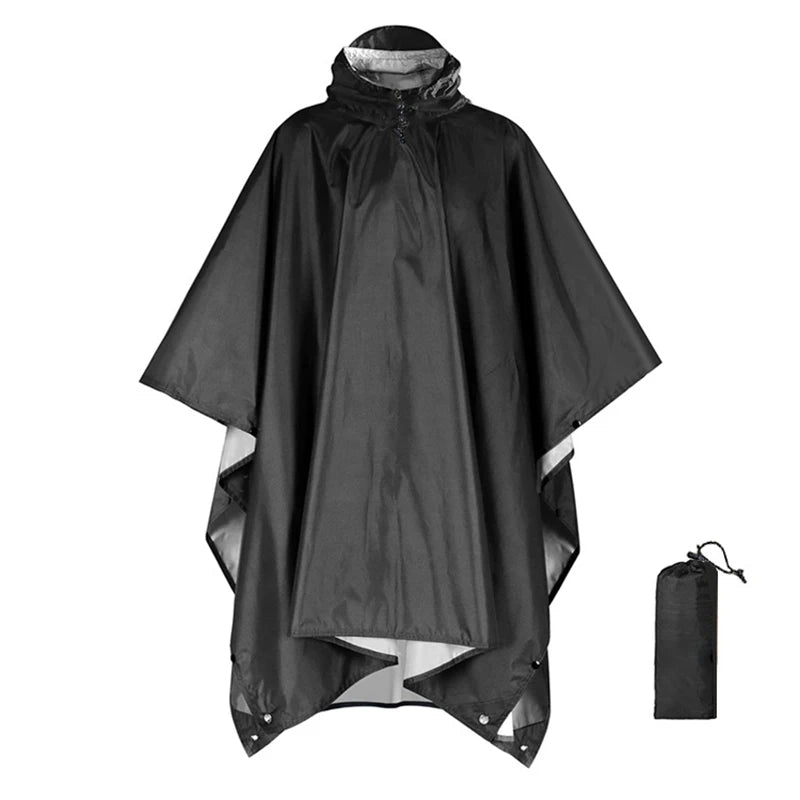
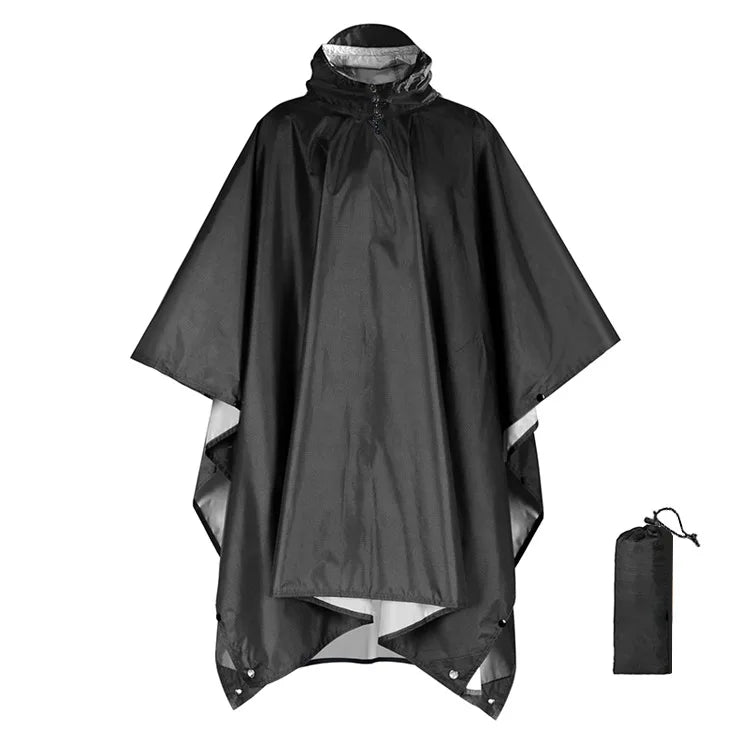
The ripstop nylon rain poncho hooded design improves coverage by sealing head, shoulders, and backpack protection in one layer. Unlike rigid PVC, it moves with your body, reducing gaps where rain can enter during wind gusts or active hiking.
Key advantages include:
- Lightweight feel reduces fatigue on long hikes
- Breathable structure helps control sweat buildup
- Quick-dry fabric prevents lingering dampness
- Flexible hood improves visibility and rain shielding
Many hikers report that switching from PVC to ripstop nylon completely changes how they experience storms. Instead of feeling trapped in a plastic shell, movement becomes natural and less exhausting.
💡 See it in action outdoors
Quick Comparison Checklist: Which One Fits Your Trip?
- Short urban rain exposure: PVC works fine
- Long hiking or trekking: ripstop nylon performs better
- Hot humid weather: nylon reduces overheating
- Heavy storm camping: layered nylon system is ideal
When you think about gear protection in heavy rain hikes, comfort often determines whether you keep moving or stop early. That’s where material choice becomes critical.
👉 Get yours now before your next trip
Military Poncho vs Emergency Survival Tarp: Which One Works Better in the Field?
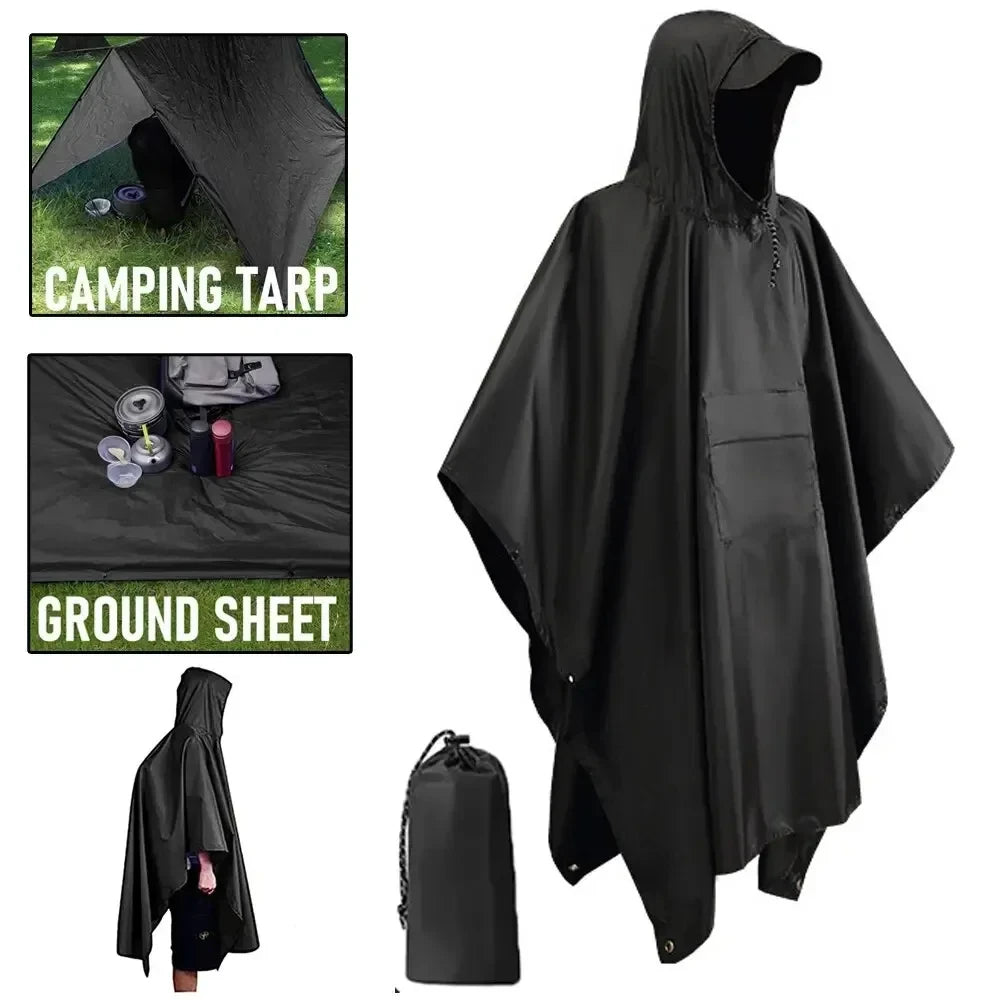
The military poncho vs emergency survival tarp debate comes down to versatility. A military poncho can function as wearable rain protection and shelter, while a tarp is more adaptable for building larger static shelters but requires setup time and additional gear.
Both are valuable in survival situations, but they serve different purposes depending on mobility needs and weather conditions.
- Military poncho: fast deployment, wearable protection
- Survival tarp: flexible shelter building material
- Combined use: best for extended expeditions
For hikers who move frequently, ponchos reduce downtime. For basecamp setups, tarps offer more structural flexibility.
👉 Explore more camping essentials for outdoor survival setups
Gear Protection in Heavy Rain Hikes: How to Stay Fully Covered
Effective gear protection in heavy rain hikes depends on layering systems, waterproof storage, and proper outer shell coverage. A ripstop nylon poncho helps shield both body and backpack, reducing the risk of soaked essentials during long exposure to storms.
Smart hikers combine multiple protective layers:
- Outer waterproof poncho for body coverage
- Dry bags for electronics and clothing
- Water-resistant pack liners for backup protection
- Ground sheets for campsite moisture control
For organized packing solutions, many hikers also rely on Waterproof & Dry Bags to keep essentials completely sealed during sudden downpours.
When conditions worsen, combining a poncho with layered storage ensures nothing critical gets compromised.
👉 Discover waterproof hiking gear that keeps your pack safe
Packing Checklist for Heavy Rain Conditions
- Ripstop nylon poncho with hood
- Sealed dry bags for electronics
- Extra socks and base layer
- Compact emergency shelter system
- Lightweight towel for drying gear
Experienced hikers often say the difference between a miserable hike and a manageable one comes down to preparation—not just clothing.
Pros and Cons Summary: Ripstop Nylon vs PVC
Ripstop nylon poncho offers better comfort and adaptability, while PVC delivers absolute waterproof sealing but lacks breathability. Choosing between them depends on whether your priority is long-term movement comfort or short-term full waterproof protection in stationary conditions.
| Material | Pros | Cons |
|---|---|---|
| Ripstop Nylon | Lightweight, breathable, durable, flexible | Slightly higher cost, needs coating maintenance |
| PVC | Fully waterproof, low cost, simple design | Heavy, non-breathable, uncomfortable over time |
Real-World Trail Performance in Changing Weather
On unpredictable trails, conditions can shift from light drizzle to heavy rain within minutes. That’s where ripstop nylon poncho systems show their strength—adapting to movement, wind, and temperature changes without restricting mobility or trapping excessive heat inside.
Hikers often report that PVC gear becomes unbearable after prolonged use, especially during uphill climbs or humid weather. Breathability becomes as important as waterproofing when performance matters most.
💡 See it in action outdoors
FAQ: Ripstop Nylon Poncho vs PVC Rain Gear
Is ripstop nylon fully waterproof?
Yes, most ripstop nylon ponchos use coated fabrics that provide strong waterproof resistance suitable for heavy rain, while still allowing breathability during movement.
Why does PVC feel hotter during hiking?
PVC traps heat and prevents airflow, causing sweat buildup inside the garment, especially during uphill or high-exertion activities.
Which is better for long hikes?
Ripstop nylon ponchos are generally better for long hikes because they balance waterproof protection with comfort and ventilation.
Can a poncho replace a rain jacket?
Yes, ponchos can replace rain jackets in many hiking situations by offering more coverage, especially for backpacks and gear.
Conclusion: Choosing the Right Protection for Your Next Rainy Adventure
When comparing ripstop nylon poncho and PVC gear, the real difference is not just waterproofing—it’s how each material behaves under pressure, movement, and time. For hikers facing long trails and unpredictable weather, ripstop nylon consistently delivers better comfort, mobility, and all-around usability.
Whether you’re trekking through mountain rain, setting up camp in wet conditions, or navigating sudden storms, choosing the right material can define your entire outdoor experience.
Related Articles:
- Rain Poncho Military Options: Field-Tested Pros And Cons
- Hooded Rain Ponchos: Budget Vs Premium Models Compared
- Us Military Poncho With Liner: How It Compares To Rain Jackets
- Nylon Ripstop Waterproof Ponchos: 5 Top Picks Compared
- Ripstop Nylon Poncho Vs Pvc: Which Keeps You Drier?
Pillar Articles:





