

Us Army Ponchos: Field-Tested Durability Review And Comparison
Us Army Ponchos: Field-Tested Durability Review And Comparison
Question: Are us army ponchos really worth carrying for hiking and camping?
Us army ponchos provide reliable rain coverage, fast emergency shelter setup, and dependable gear protection in heavy rain hikes. Unlike thin disposable rain layers, military-style ponchos are designed for rough weather, repeated field use, and multi-purpose survival tasks, making them a trusted option for campers, hikers, and overlanders.
⏱ 12 min read
Nothing ruins a backcountry trip faster than soaked clothing, leaking packs, and freezing wind after hours of rain. Many hikers discover too late that lightweight rain shells often fail during long storms or rough terrain. That’s why us army ponchos continue to stand out among experienced campers and survival-focused travelers. From emergency shelter use to dependable waterproof coverage, these rugged ponchos are built for harsh outdoor conditions where ordinary rain gear struggles. But which options truly perform when weather conditions turn brutal?
👉 Planning for rough weather? Explore rugged outdoor protection gear through Weather Protection & Environment and prepare for unpredictable hiking conditions before your next adventure.
💡 See it in action
Why Us Army Ponchos Still Outperform Basic Rain Gear
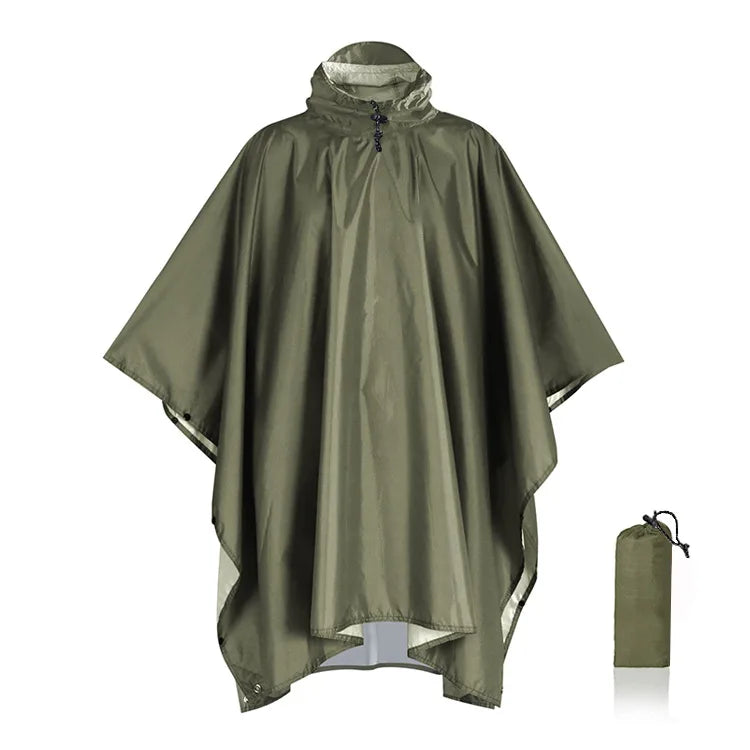
Us army ponchos stand out because they combine waterproof protection, durability, ventilation, and emergency shelter versatility in one compact piece of gear. Unlike disposable rain ponchos, military-inspired designs can handle multi-day storms, rough terrain, and repeated use without tearing apart or trapping excessive heat during movement.
What gear actually makes camping easier when storms hit unexpectedly? Experienced hikers often point to one simple answer: dependable weather protection that can adapt quickly.
Standard rain jackets work well for short walks or urban commuting, but extended hiking trips demand more flexibility. Military ponchos cover both the hiker and backpack while also serving as emergency shelter material when conditions worsen.
That versatility becomes especially important during:
- Multi-day backpacking trips
- Unexpected thunderstorms
- Cold windy ridgelines
- River crossings
- Car camping in unstable weather
- Emergency roadside situations
Unlike ultralight disposable rain covers, many military ponchos use reinforced grommets, thicker waterproof fabrics, and snap systems that survive repeated packing and unfolding.
Outdoor travelers also appreciate how quickly ponchos deploy. Instead of stopping to unpack separate rain covers, hikers can throw on a poncho within seconds while keeping their backpack protected.
For wet-weather backpacking setups, combining ponchos with gear from Waterproof & Dry Bags creates an additional layer of protection for electronics, sleeping gear, and food supplies.
Field-Tested Comparison Table
Military poncho reviews for camping gear consistently focus on four major performance areas: waterproofing, durability, ventilation, and shelter capability.
| Feature | Military Poncho | Disposable Rain Poncho | Standard Rain Jacket |
|---|---|---|---|
| Backpack Coverage | Excellent | Limited | Poor |
| Shelter Use | Yes | No | No |
| Durability | High | Very Low | Moderate |
| Ventilation | Very Good | Poor | Moderate |
| Wind Resistance | Good | Weak | Good |
| Emergency Survival Use | Excellent | Minimal | Limited |
| Packability | Compact | Compact | Moderate |
The ability to convert a poncho into temporary shelter often becomes the deciding factor for serious hikers and overlanders.
How Durable Military Ponchos Hold Up In Real Conditions
Us army ponchos are designed around field reliability rather than lightweight fashion trends. That difference becomes obvious after several days of rain exposure, mud, branches, and repeated pack compression.
The most trusted military-inspired ponchos usually feature:
- Ripstop polyester or nylon construction
- Heat-sealed seams
- Metal grommets for shelter setup
- Reinforced corner tie points
- Heavy-duty snaps
- Larger hood coverage for visibility
During field testing, thicker military ponchos often survive brush contact and rocky campsites far better than thin emergency rain capes.
Real Hiking Scenario: Appalachian Trail Storm Conditions
One backpacking group reported facing nearly 14 hours of continuous rain while crossing muddy forest terrain. Lightweight jackets trapped moisture inside, leaving layers damp from sweat buildup.
Meanwhile, hikers using military-style ponchos stayed noticeably drier because the open ventilation reduced condensation while still protecting both body and backpack.
That combination of airflow and coverage is why many experienced hikers continue using ponchos despite the rise of technical rain shells.
Pairing ponchos with gear from Compression & Packing Bags also helps keep dry clothes separated from wet layers during long trips.
Why Durability Matters More Than Weight In Storm Conditions
Ultralight gear sounds attractive until weather conditions become dangerous. A torn rain layer can quickly lead to:
- Wet sleeping systems
- Reduced body temperature
- Gear failure
- Low morale
- Increased fatigue
That’s why many survival-focused campers prefer rugged waterproof poncho tarp emergency shelter gear over minimalist alternatives.
👉 Want gear that handles real storms? Check out durable rain setups inside Rain Ponchos & Capes and build a more dependable hiking system before your next trip.
How Military Ponchos Protect Gear During Heavy Rain Hikes
Gear protection in heavy rain hikes becomes one of the biggest challenges during extended outdoor trips. Even expensive backpacks eventually absorb water when exposed long enough.
Military ponchos solve this problem differently than standard rain jackets.
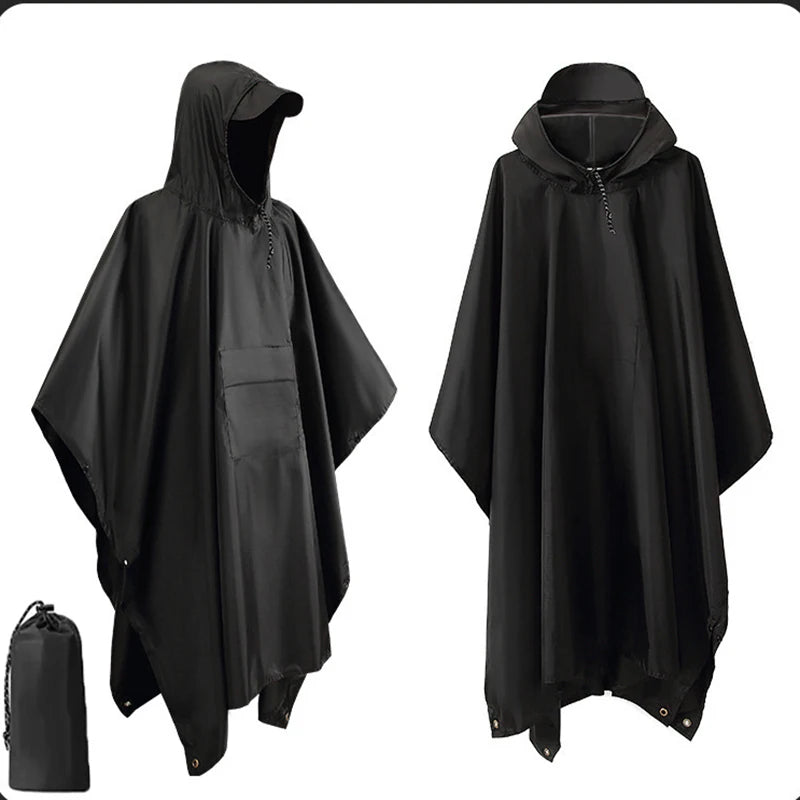
Instead of covering only the body, the oversized design shields:
- Backpacks
- Chest pouches
- Camera gear
- Hydration systems
- Navigation equipment
This full-coverage design becomes especially useful during cold-weather hikes when unpacking separate rain covers wastes valuable time.
💡 See it in action
Why Backpackers Trust Full-Coverage Ponchos
Military poncho reviews for camping gear often mention how effective ponchos are at preventing water from entering backpack zippers and seams.
Heavy rainfall usually attacks gear from multiple directions:
- Wind-driven side rain
- Water runoff from jackets
- Ground splashback
- Condensation buildup
A properly fitted poncho creates a larger protective barrier that reduces exposure from all angles.
Adding equipment from Ground Sheets & Tarps can further improve campsite weather protection when storms intensify overnight.
Field Test: Three-Day Mountain Rainstorm
A group of overland campers tested several rain systems during a cold mountain trip with nonstop rain and strong wind.
The results highlighted several advantages for military ponchos:
| Condition | Rain Jacket | Military Poncho |
|---|---|---|
| Backpack Dryness | Moderate | Excellent |
| Ventilation | Low | High |
| Emergency Shelter Use | None | Full Capability |
| Quick Deployment | Moderate | Fast |
| Condensation Build-Up | High | Low |
One camper noted that the poncho also protected camera equipment stored near chest straps, something standard rain jackets failed to cover.
Why Waterproof Poncho Tarp Emergency Shelter Gear Matters
Us army ponchos are more than rain protection. In survival situations, they become critical shelter tools capable of reducing exposure risks during sudden weather changes.
Many military ponchos include reinforced corners and tie points specifically designed for tarp configurations.
Common Emergency Shelter Configurations
- Lean-to rain shelter
- Ground bivy cover
- Windbreak wall
- Improvised hammock rain fly
- Emergency stretcher support
- Gear cover tarp
This flexibility explains why waterproof poncho tarp emergency shelter gear remains popular among bushcrafters, overlanders, and emergency preparedness enthusiasts.
For overnight setups, combining ponchos with products from Hammocks & Straps creates lightweight shelter systems ideal for wet forest environments.
Emergency Scenario: Sudden Storm During Day Hike
Imagine a day hike turning dangerous after temperatures suddenly drop. Your group gets delayed, sunset approaches, and heavy rain begins.
A military poncho can quickly become:
- A temporary wind barrier
- A dry sitting area
- An insulated emergency wrap
- A gear protection tarp
- A shared shelter cover
That adaptability is difficult to replace with standard rain jackets alone.
How Shelter Capability Adds Real Value
Outdoor buyers often focus only on waterproof ratings while ignoring versatility. Yet multi-purpose gear often delivers greater long-term value during unpredictable trips.
Instead of carrying:
- A rain jacket
- A separate tarp
- An emergency cover
- An additional pack cover
One well-designed military poncho can handle all four tasks.
Campers who prioritize lightweight packing systems often pair ponchos with compact items from Lightweight Daypacks for fast-moving adventures.
Key Features That Matter Most In The Field
The best military rain poncho for hiking isn’t always the thickest or heaviest option. Smart design details often matter more during real outdoor use.
1. Reinforced Tie Points
Weak tie points fail quickly under wind tension. Reinforced corners improve shelter reliability during storms.
2. Proper Hood Design
A poorly shaped hood limits visibility and channels water toward the face. Adjustable hood systems improve comfort significantly.
3. Backpack Coverage
Many standard ponchos barely fit over loaded hiking packs. Military-inspired oversized cuts provide better protection.
4. Packability
Even durable ponchos should compress efficiently. Bulky wet-weather gear quickly becomes frustrating during long hikes.
5. Snap Closures
Side snaps reduce flapping during windy conditions while improving mobility.
6. Ventilation
Breathability matters. Excessive internal moisture can become just as uncomfortable as rain exposure.
Outdoor travelers often combine ponchos with gear from Headlamps & Wearable Lights to maintain visibility during stormy evening hikes.
What Campers And Hikers Say After Long Trips
Social proof matters because outdoor gear performs differently outside controlled product testing environments.
Across military poncho reviews for camping gear, several patterns consistently appear.
Most Common Positive Feedback
- “Kept my entire backpack dry during two days of rain.”
- “Worked surprisingly well as emergency shelter.”
- “More breathable than my expensive rain jacket.”
- “Held up against branches and rocky campsites.”
- “Easy to throw on quickly during sudden storms.”
Most Common Complaints
- Can flap heavily during strong wind
- Bulkier than ultralight jackets
- Takes practice to set up as shelter
- Cheaper versions tear near snaps
Experienced users often recommend practicing tarp configurations before heading into remote terrain.
Pairing emergency shelter systems with supplies from Fire Starters & Ignition can also improve cold-weather survival readiness.
Case Study: Car Camping During Flash Flood Warnings
One family camping group used military ponchos during severe storms that flooded sections of their campsite.
While several tents leaked near entry points, the ponchos helped:
- Create dry gear staging areas
- Protect firewood
- Cover coolers
- Reduce mud exposure near tent entrances
- Shield children during camp breakdown
That real-world versatility often becomes the deciding factor for buyers comparing us army ponchos against lightweight alternatives.
👉 Build a storm-ready outdoor setup before your next trip. Browse dependable gear from Safety, Survival & Emergency and stay prepared when weather changes fast.
Smart Packing Checklist For Wet Weather Trips
Rain protection works best when combined with smart packing habits.
Here’s a reliable wet-weather hiking checklist used by many experienced campers:
| Essential Item | Purpose |
|---|---|
| Military Poncho | Rain and shelter protection |
| Dry Bags | Protect electronics and clothing |
| Headlamp | Visibility during storms |
| Fire Starter | Emergency warmth |
| Extra Socks | Prevent cold feet and blisters |
| Ground Tarp | Dry campsite base |
| Power Bank | Backup navigation power |
Reliable storage from Gear Organizers & Pouches helps separate wet gear from dry essentials during extended trips.
Why Small Packing Mistakes Become Big Problems
Outdoor discomfort rarely comes from one catastrophic mistake. More often, small failures stack together:
- Wet gloves
- Soaked sleeping layers
- Leaking food bags
- Damp navigation tools
That’s why experienced backpackers build systems rather than relying on one product alone.
How To Choose The Best Military Rain Poncho For Hiking
The best military rain poncho for hiking depends on your environment, trip duration, and shelter needs.
Choose Lightweight Options If You:
- Focus on fast hiking
- Need compact packability
- Travel in moderate weather
- Prioritize mobility
Choose Heavy-Duty Options If You:
- Camp frequently in storms
- Need emergency shelter capability
- Travel in cold windy areas
- Use larger backpacks
- Expect rough terrain contact
Many outdoor buyers underestimate how valuable larger coverage becomes during prolonged rain exposure.
Related Articles:
- Us Military Ponchos: Are They Still Worth It In 2026?
- Military Poncho Reviews: Real User Verdicts Vs Rain Jackets
Pillar Articles:





