

Lightest Rain Jacket Women Love For Humid Summer Hikes
What is the best lightest rain jacket women can wear for humid summer hikes?
The best lightest rain jacket women choose for humid summer hikes combines breathable waterproof fabric, vented airflow, and packable comfort under 10 ounces. Unlike heavy shells that trap sweat, ultralight jackets help hikers stay dry hiking rain while preventing overheating during steep climbs, sudden storms, and hiking clothes soaked no shelter situations.
Lightest Rain Jacket Women Love For Humid Summer Hikes
⏱ 9 min read
Lightest rain jacket women rely on can make the difference between comfort and misery on humid summer trails. If you have ever faced hiking clothes soaked no shelter situations, choosing breathable layers and smart ventilation matters more than heavy waterproof shells. This guide shares hiking rain protection tips lightweight gear hikers actually use, plus practical advice on how to stay dry hiking rain without overheating. The biggest mistake most hikers make during sudden downpours might surprise you.
Have you ever started a summer hike feeling prepared, only to end up drenched from sweat and rain within an hour? Many women hikers discover that thick waterproof jackets become uncomfortable fast in humid conditions.
The solution is not always heavier protection. In fact, lighter and more breathable layers often outperform bulky rain shells during warm-weather hikes.
👉 Discover must-have hiking rain protection before your next humid trail adventure.
💡 See it in action
Why Ultralight Rain Jackets Matter On Humid Trails
Lightest rain jacket women hikers prefer usually weighs less than 10 ounces while offering breathable moisture protection. The right jacket reduces sweat buildup, dries quickly after storms, and packs easily into small daypacks for changing weather conditions.
Summer hiking in humid climates creates a difficult balance. You need rain protection, but overheating can become just as dangerous as getting wet.
Many traditional waterproof jackets trap body heat during steep climbs. Sweat builds up inside, leaving hikers just as soaked as the rain outside.
Why Breathability Matters More Than Heavy Waterproofing
- Prevents sweat accumulation during uphill climbs
- Reduces clammy discomfort in tropical humidity
- Allows faster drying after rain stops
- Improves comfort during long-distance hiking
- Reduces jacket weight inside your pack
Pairing lightweight shells with gear from Lightweight Daypacks helps distribute weight more comfortably during long summer treks.
Many experienced hikers also carry compact rain layers inside Waterproof & Dry Bags to protect spare clothing and electronics during surprise downpours.
Common Mistakes That Leave Hikers Soaked
One of the biggest hiking rain protection tips lightweight gear experts share is avoiding overdressing. Heavy waterproof layers often trap sweat, while poor ventilation causes hiking clothes soaked no shelter situations even before rain intensifies.
Most hikers assume more waterproofing automatically means better protection. In humid environments, the opposite is often true.
| Mistake | What Happens | Better Alternative |
|---|---|---|
| Heavy insulated rain jackets | Overheating and trapped sweat | Ultralight breathable shell |
| Cotton base layers | Slow drying and chafing | Moisture-wicking fabrics |
| No ventilation planning | Internal moisture buildup | Pit zips and airflow panels |
| Loose gear storage | Wet electronics and clothing | Dry bags and packing cubes |
The “No Shelter” Problem Most Hikers Ignore
Thunderstorms arrive fast during summer hiking seasons. Tree cover often provides limited protection, especially during mountain hikes.
When hikers cannot reach shelter quickly, proper layering becomes essential.
Adding compact weather protection from Weather Protection & Environment collections can help prevent trail discomfort during sudden weather changes.
For hikers planning overnight trips, lightweight emergency coverage like Ground Sheets & Tarps adds extra protection without adding major pack weight.
Best Features In The Lightest Rain Jacket Women Prefer
Lightest rain jacket women often choose models with vented backs, adjustable hoods, water-resistant zippers, and packable designs. These features help maintain airflow while keeping hikers comfortable during warm summer storms and humid trail conditions.
Features Worth Prioritizing
- Breathable membrane fabric
- Adjustable cuffs for airflow control
- Pit zips or mesh ventilation
- Packable pocket storage
- Lightweight hood adjustments
- Quick-drying inner lining
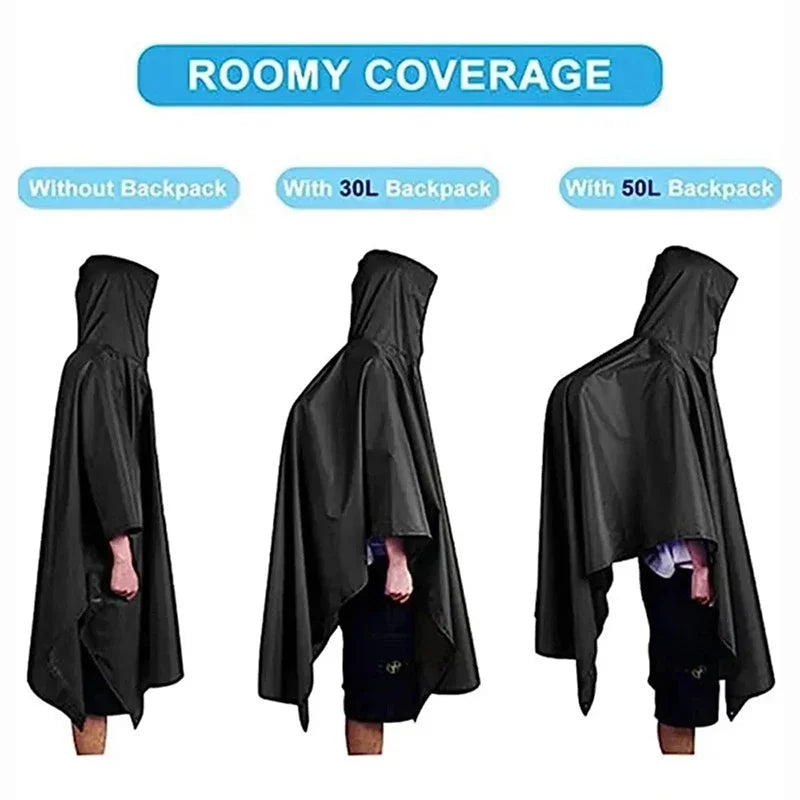
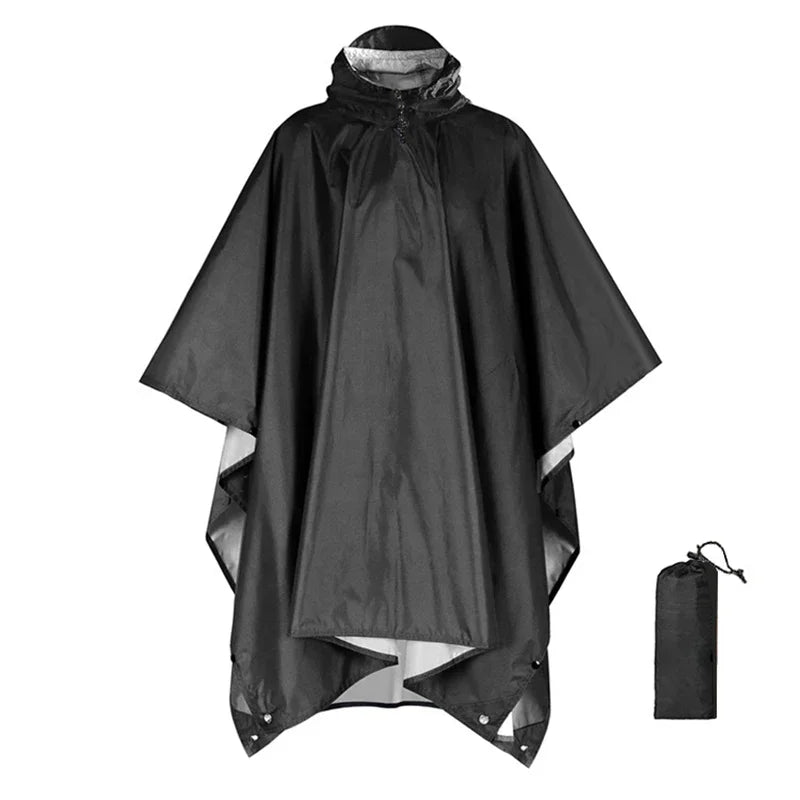
Many hikers also prefer poncho-style protection because it improves ventilation around the torso and backpack.
👉 Learn how to choose the right hiking gear for humid-weather adventures.
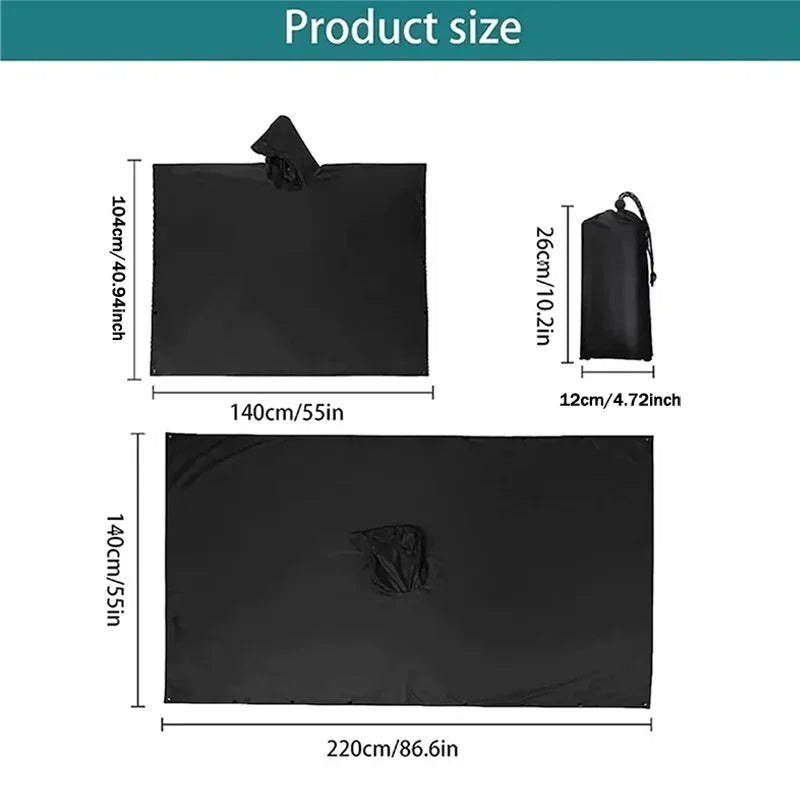
The popular 3-in-1 design works especially well for women hikers carrying larger packs because it provides broader coverage than fitted shells.
Combining lightweight rain gear with accessories from Hooks, Clips & Carabiners also helps hikers secure wet gear outside backpacks for faster drying while moving.
💡 See it in action
How To Stay Dry Hiking Rain Without Overheating
The best strategy for how to stay dry hiking rain is managing both external rain and internal sweat. Lightweight breathable layers, smart pacing, ventilation breaks, and moisture-wicking clothing help hikers stay comfortable during humid summer storms.
Practical Trail Strategies Experienced Hikers Use
- Open ventilation zippers before overheating starts
- Slow hiking pace during steep humid climbs
- Use trekking umbrellas during light rain
- Keep backup socks inside waterproof bags
- Avoid stopping too long in soaked clothing
Hydration matters more than most hikers realize in humid rain conditions.
Gear from Hydration & Food and Collapsible Water Bottles helps hikers stay hydrated without carrying bulky containers.
Why Lightweight Layers Reduce Fatigue
Heavy rain jackets create shoulder strain and heat buildup over time. Ultralight layers reduce exhaustion during long-distance hikes.
Women hiking in the Appalachian region, Pacific Northwest, and tropical summer trails often report improved comfort when switching to breathable minimalist shells.
“I stopped wearing thick rain jackets after a humid Smoky Mountains trip left me soaked from sweat. Switching to a lighter breathable shell completely changed my hiking comfort.” — Amanda, weekend backpacker
Essential Humid Hiking Gear Checklist
Preparing for humid summer weather means thinking beyond just a rain jacket.
Smart Lightweight Rain Packing List
- Ultralight rain shell or poncho
- Moisture-wicking hiking shirt
- Quick-dry trail leggings or shorts
- Backup socks in dry storage
- Compact emergency tarp
- Portable headlamp
- Water-resistant phone pouch
- Electrolyte hydration tablets
Night hikes and late descents become safer with equipment from Headlamps & Wearable Lights.
Meanwhile, emergency weather preparation improves with essentials from Safety, Survival & Emergency.
Ultralight Rain Gear Comparison Table
| Gear Type | Best For | Main Advantage | Potential Drawback |
|---|---|---|---|
| Ultralight rain shell | Fast-paced hiking | Compact and breathable | Less coverage over backpack |
| Rain poncho | Humid summer trails | Excellent airflow | Can flap during strong winds |
| Heavy waterproof jacket | Cold wet climates | Maximum weather blocking | Overheating in humidity |
| Emergency rain cape | Backup protection | Very lightweight | Less durable |
Many hikers combine breathable outerwear with accessories from Compression & Packing Bags to keep spare clothing organized during changing weather.
Real Trail Stories From Summer Hikers
Florida Summer Hiking
Jessica regularly hikes humid coastal trails where sudden rainstorms appear with little warning.
After struggling with bulky rain jackets, she switched to a lightweight poncho system with better airflow. She noticed less sweat buildup and improved comfort during long humid walks.
Smoky Mountains Backpacking
Rachel experienced hiking clothes soaked no shelter conditions during a summer thunderstorm while backpacking.
She now carries lightweight waterproof layers along with extra socks and emergency storage bags. Her overall pack weight dropped while comfort improved dramatically.
Pacific Northwest Day Hikes
Many women hikers in the Pacific Northwest choose breathable shells combined with quick-dry hiking clothing rather than insulated waterproof jackets.
The goal is moisture management, not complete isolation from humidity.
💡 See it in action
How Smart Packing Prevents Wet Gear Disasters
Even the best rain jacket cannot protect poorly packed gear.
Simple Packing Adjustments That Help
- Separate dry and wet clothing immediately
- Keep electronics double-protected
- Store snacks in waterproof containers
- Place emergency layers near the top of your pack
- Carry quick-access rain gear externally
Products from Gear Organizers & Pouches help hikers separate wet and dry essentials more efficiently.
For longer trips, pairing rain protection with Camping Tents & Shelter creates more reliable overnight comfort during extended storms.
👉 Get yours now before your next summer hiking trip.
Why Many Women Hikers Prefer Poncho-Style Rain Protection
Poncho-style rain protection has become increasingly popular for humid hiking because it balances airflow and coverage better than many fitted shells.
Unlike tight waterproof jackets, ponchos allow heat to escape naturally while protecting both the hiker and backpack.
This design works especially well during tropical hikes, forest trails, and summer backpacking trips where humidity remains consistently high.
Many hikers also appreciate the flexibility of multipurpose rain gear that transitions between hiking, travel, and emergency outdoor use.
Conclusion
Choosing the lightest rain jacket women trust for humid summer hikes is about more than staying dry. It is about comfort, breathability, mobility, and preventing overheating during changing weather.
The best systems combine lightweight waterproof protection with smart layering, proper ventilation, and efficient gear organization.
Whether you prefer ultralight shells or breathable ponchos, focusing on moisture management can completely transform your hiking experience.
With the right setup, sudden storms become manageable instead of miserable.
FAQ
What is the best fabric for humid hiking rain jackets?
Breathable waterproof membranes combined with lightweight nylon or polyester shells work best for humid hiking. These fabrics help reduce trapped sweat while still protecting against sudden rain.
How do I avoid hiking clothes soaked no shelter situations?
Carry lightweight waterproof layers in accessible pack locations, use moisture-wicking clothing, and store backup socks and electronics inside waterproof bags before storms begin.
Are ponchos better than rain jackets for humid trails?
Ponchos often provide better airflow during humid conditions and can cover backpacks more effectively. However, fitted rain jackets usually perform better in strong wind conditions.
What should women wear under ultralight rain jackets?
Quick-drying moisture-wicking base layers work best under ultralight rain jackets. Avoid cotton because it absorbs sweat and dries slowly during humid weather.
How much should a lightweight hiking rain jacket weigh?
Most ultralight hiking rain jackets weigh between 5 and 10 ounces. Lightweight ponchos may weigh even less while offering broader ventilation coverage.
Pillar Article: Travel Rain Ponchos For Theme Parks, Hiking, And City Trips
Other Related Articles:
Explore More:





