

Camping Poncho Blanket Uses For Cold And Wet Campsites
Camping Poncho Blanket Uses For Cold And Wet Campsites
⏱ 9 min read
Does a camping poncho blanket help in cold wet weather?
A camping poncho blanket helps reduce heat loss, block rain exposure, and improve campsite comfort during storms or cold overnight conditions. Its waterproof outer layer and insulated coverage make it useful for emergency rain protection backpacking trips, fast shelter setup, and staying dry without adding bulky gear.
Cold rain, soaked clothing, muddy campsites, and dropping nighttime temperatures can turn an exciting outdoor trip into a miserable experience fast. What gear actually makes camping easier when weather conditions suddenly shift? A camping poncho blanket offers a lightweight solution that combines warmth, waterproof coverage, and shelter versatility for campers who need dependable protection without overpacking.
👉 Discover must-have camping gear before your next rainy adventure.
💡 See it in action
Why Campers Use Poncho Blankets During Cold Rainstorms
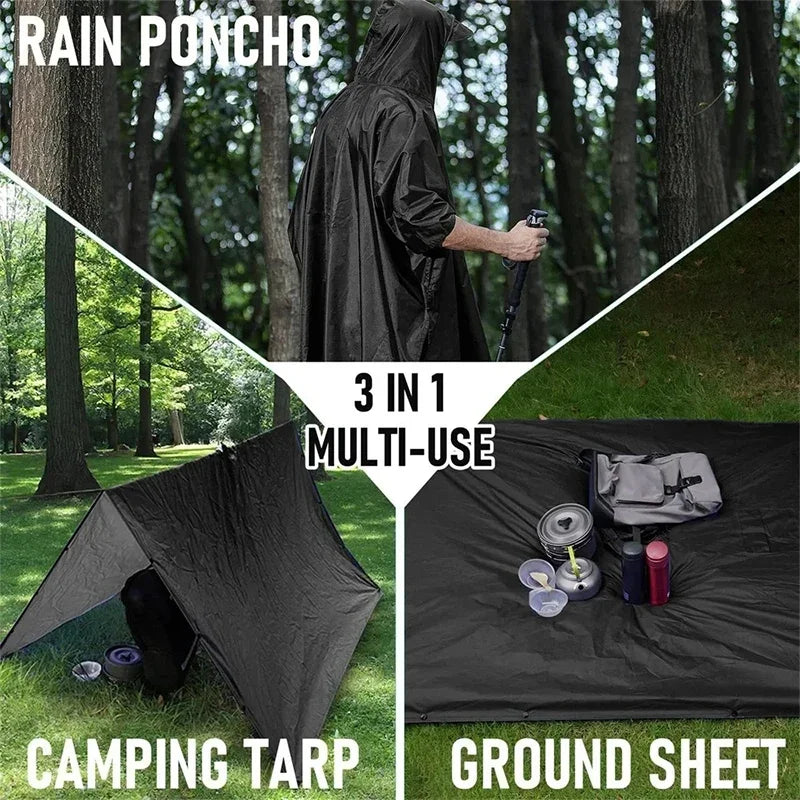
A camping poncho blanket provides full-body rain coverage while helping retain warmth in windy campsites. Unlike standard rain jackets, it can double as a blanket, emergency shelter layer, ground barrier, or quick tarp during cold wet conditions camping survival issues where staying dry becomes critical.
Many backpackers underestimate how quickly wet clothing can drain body heat. Once temperatures drop, even experienced campers can struggle with discomfort, poor sleep, and reduced mobility.
A waterproof poncho with shelter features creates a flexible barrier against rain while allowing movement around camp. That matters during:
- Unexpected mountain storms
- Overnight temperature drops
- Wind-driven rain exposure
- Emergency roadside camping situations
- Backpacking trips with limited gear space
Campers often pair poncho blankets with gear from Rain Ponchos & Capes and Ground Sheets & Tarps to improve campsite protection without adding excessive pack weight.
How a Camping Poncho Blanket Keeps You Warmer in Wet Conditions
A camping poncho blanket works best when moisture, wind, and cold temperatures combine. The waterproof shell helps prevent rain penetration while the insulated inner layer traps body heat, reducing exposure risks during emergency rain protection backpacking trips or long nights in damp campsites.
1. It Helps Retain Body Heat Fast
Wet clothing rapidly pulls warmth away from the body. Wrapping yourself in a poncho blanket while setting camp or resting near a fire helps slow heat loss.
- Wear it over wet outer layers temporarily
- Use it during meal prep at camp
- Wrap legs and torso while resting
- Layer it over sleeping systems at night
2. It Creates Emergency Rain Protection
Some campers carry bulky rain suits and backup tarps. Others simplify their setup with one versatile layer that can switch between rain gear and shelter support.
| Feature | Camping Poncho Blanket | Traditional Rain Jacket |
|---|---|---|
| Full body coverage | Yes | Limited |
| Can act as shelter | Yes | No |
| Ground insulation use | Yes | No |
| Blanket functionality | Yes | No |
| Pack versatility | High | Moderate |
Adding support gear from Waterproof & Dry Bags and Compression & Packing Bags helps keep critical clothing dry during multi-day storms.
3. It Improves Camp Comfort
Cold weather camping becomes mentally exhausting when everything feels wet. Campers often use poncho blankets as:
- Chair insulation layers
- Warm changing covers
- Extra sleeping bag insulation
- Wind blockers near camp kitchens
- Dry resting surfaces
Many campers also combine them with products from Blankets & Sleeping Comfort and Wind & Cold Protection for colder shoulder-season trips.
👉 Learn how to choose the right hiking and rain protection setup for changing weather.
See how this waterproof poncho adapts to storms and campsites
Practical Survival Uses at Wet Campsites
A camping poncho blanket becomes especially valuable during cold wet conditions camping survival issues because it serves multiple purposes without requiring extra gear space. Campers can use it for shelter, warmth, moisture control, and emergency protection when conditions become unpredictable.
Here are practical ways experienced campers use one in the field:
- Create a quick rain canopy over cooking gear
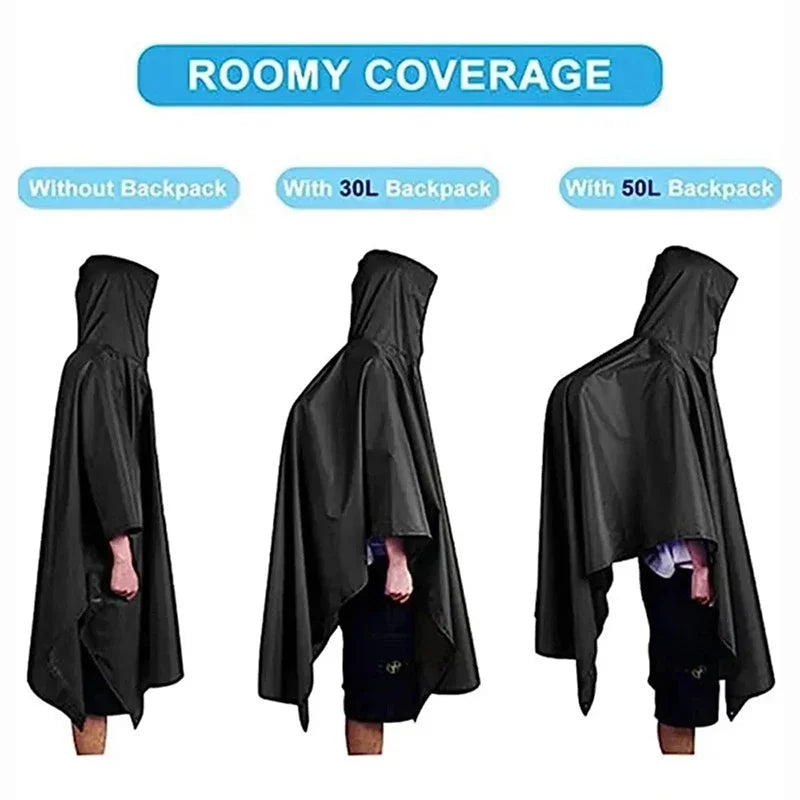
- Protect backpacks during heavy downpours
- Wrap injured or cold hikers
- Block wind inside open shelters
- Use as emergency sleeping insulation
- Cover muddy seating areas
During one rainy Appalachian trail weekend, a camper reported staying warm overnight after using a poncho blanket over a damp sleeping bag while others struggled with soaked outer layers.
Another backpacker used theirs as an improvised wind barrier while cooking under storm conditions, preventing stove shutdowns and helping preserve dry fuel.
💡 See it in action
Camping Poncho Blanket vs Traditional Rain Gear
Choosing between a poncho blanket and standard rain gear depends on trip style, weather exposure, and mobility needs. For campers facing prolonged moisture or emergency rain protection backpacking trips, multifunctional coverage often provides more flexibility than single-purpose rainwear.
| Use Case | Poncho Blanket | Rain Jacket |
|---|---|---|
| Camp warmth | Excellent | Limited |
| Storm shelter support | Useful | Not suitable |
| Ultralight backpacking | Strong option | Moderate |
| Emergency use | Highly versatile | Basic |
| Warmth retention | Better | Minimal insulation |
For extended outdoor travel, campers often build complete systems using:
- Camping Tents & Shelter
- Sleeping Bags & Sleeping Pads
- Headlamps & Wearable Lights
- Emergency Lighting
How To Choose the Right Waterproof Poncho With Shelter Features
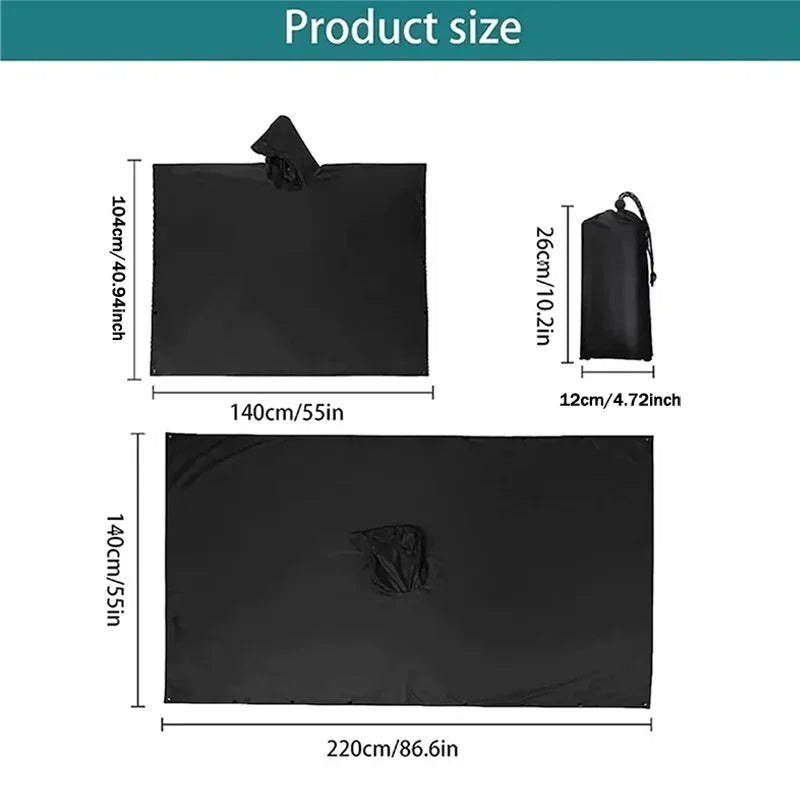
A good camping poncho blanket should balance waterproofing, insulation, portability, and shelter functionality. The best options protect against rain while remaining lightweight enough for backpacking, car camping, or emergency roadside use.
Look For These Key Features
- Water-resistant outer shell
- Compact packable size
- Reinforced attachment points
- Wind-resistant design
- Fast-drying materials
- Enough coverage for seated use
Best Situations for a Poncho Blanket
- Cold spring camping
- Rain-heavy hiking regions
- Minimalist backpacking
- Music festivals and outdoor events
- Car emergency kits
Many outdoor travelers also keep additional protection from Car Camping Accessories and Emergency Road Kits nearby during unpredictable weather seasons.
Essential Gear That Pairs Well With a Poncho Blanket
A camping poncho blanket performs best when combined with supportive campsite gear that keeps moisture under control and improves overall comfort.
| Gear Type | Why It Helps |
|---|---|
| Personal Water Filters | Access clean water during storms |
| Fire Starters & Ignition | Restore warmth quickly |
| Tent & Camping Lanterns | Improve visibility during rain |
| Lightweight Daypacks | Carry emergency gear efficiently |
| Collapsible Water Bottles | Save pack space |
Campers preparing for severe weather often prioritize compact systems that reduce clutter while maintaining warmth, visibility, hydration, and emergency preparedness.
👉 Get yours now before your next trip faces cold rain and muddy campsites.
Real Camper Experiences in Cold Wet Conditions
Outdoor gear becomes memorable when conditions turn difficult.
One Pacific Northwest camper described using a camping poncho blanket through two days of nonstop rainfall while hiking with limited shelter access. The ability to stay covered while moving between campsites prevented soaked layers and improved overnight warmth.
Another family camping group used theirs around a fire ring after temperatures dropped unexpectedly near freezing. Children wrapped inside the insulated layer stayed warmer while adults finished setting up camp.
Several solo backpackers also mentioned using poncho blankets as emergency bivy layers when storms delayed campsite setup after dark.
For group outings, gear from Family Outdoor Bundles and Group Picnic Accessories can help maintain comfort when weather disrupts original plans.
💡 See it in action
Mistakes Campers Make During Rainy Trips
A camping poncho blanket solves many problems, but poor preparation still creates unnecessary risk during wet weather adventures.
- Ignoring backup dry storage
- Wearing cotton layers in rain
- Leaving emergency warmth gear in vehicles
- Underestimating nighttime temperature drops
- Skipping campsite wind protection
Adding compact equipment from Safety, Survival & Emergency and Weather Protection & Environment collections can help campers stay safer during unpredictable weather patterns.
Frequently Asked Questions
Can a camping poncho blanket replace a sleeping bag?
A camping poncho blanket can add warmth and emergency protection, but it should not fully replace a sleeping bag during cold-weather camping. It works best as an added insulation layer or temporary emergency solution.
Is a waterproof poncho with shelter features good for backpacking?
Yes. Many backpackers prefer multifunctional gear that reduces pack weight. A waterproof poncho with shelter features can serve as rainwear, emergency cover, and campsite insulation.
How do campers stay warm in cold wet conditions?
Layering dry insulation, blocking wind exposure, staying protected from rain, and keeping emergency warmth gear accessible are critical during cold wet conditions camping survival issues.
What should I pack with a camping poncho blanket?
Useful companion gear includes dry bags, fire starters, water filters, insulated sleeping systems, emergency lighting, and compact shelter accessories.
Are poncho blankets useful for car emergencies?
Absolutely. Many travelers keep one in emergency kits because it provides fast warmth, rain protection, and temporary shelter during roadside breakdowns or unexpected overnight delays.
Pillar Article: Travel Rain Ponchos For Theme Parks, Hiking, And City Trips
Other Related Articles:
Explore More:





