

Ways To Prevent Rust: Simple Steps For Fishing Gear Protection
Ways To Prevent Rust: Simple Steps For Fishing Gear Protection
Does preventing rust really protect fishing gear?
Ways to prevent rust can dramatically extend the life of fishing gear by stopping corrosion before it damages hooks, reels, pliers, and tackle boxes. Simple habits like rinsing saltwater residue, drying gear fully, and storing equipment with moisture protection help reduce repair costs, improve performance, and keep fishing accessories reliable trip after trip.
⏱ 8 min read
Ways to prevent rust are often overlooked until favorite hooks snap, reels seize up, or tackle boxes start showing orange stains after a saltwater trip. Whether you fish from the shore, kayak, dock, or boat, moisture and salt exposure can quietly destroy expensive equipment. The good news? A few easy maintenance habits can protect your gear, save money, and keep every fishing trip running smoothly.
Ever opened your tackle box after a weekend trip only to discover rusty fishing accessories and stuck hooks? That frustration is common among anglers who fish in wet or salty conditions.
The solution starts with building a consistent cleaning and storage routine. Combining waterproof storage, corrosion-resistant accessories, and fast drying methods can make a noticeable difference within weeks.
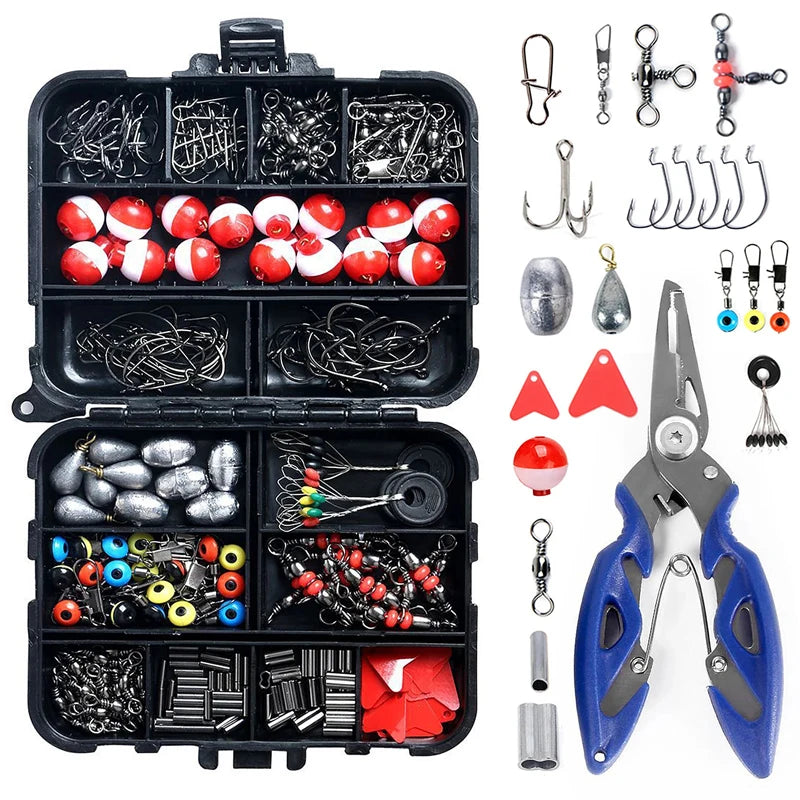
Explore the fishing accessories kit built for outdoor durability
💡 See it in action
Why Fishing Gear Rusts Fast
Rust forms when metal reacts with oxygen and moisture. Saltwater speeds up this reaction dramatically because salt acts like an electrolyte, increasing corrosion.
Fishing equipment faces constant exposure to:
- Salt spray
- Humidity
- Rainwater
- Wet bait residue
- Condensation inside tackle boxes
- Long storage periods without airflow
Even freshwater anglers can experience rust if gear stays wet overnight inside bags or vehicles.
| Fishing Situation | Rust Risk Level | Main Cause |
|---|---|---|
| Saltwater shore fishing | Very High | Salt exposure and sea spray |
| Kayak fishing | High | Constant splashing and humidity |
| Freshwater lake fishing | Medium | Poor drying habits |
| Long-term garage storage | Medium | Moisture buildup |
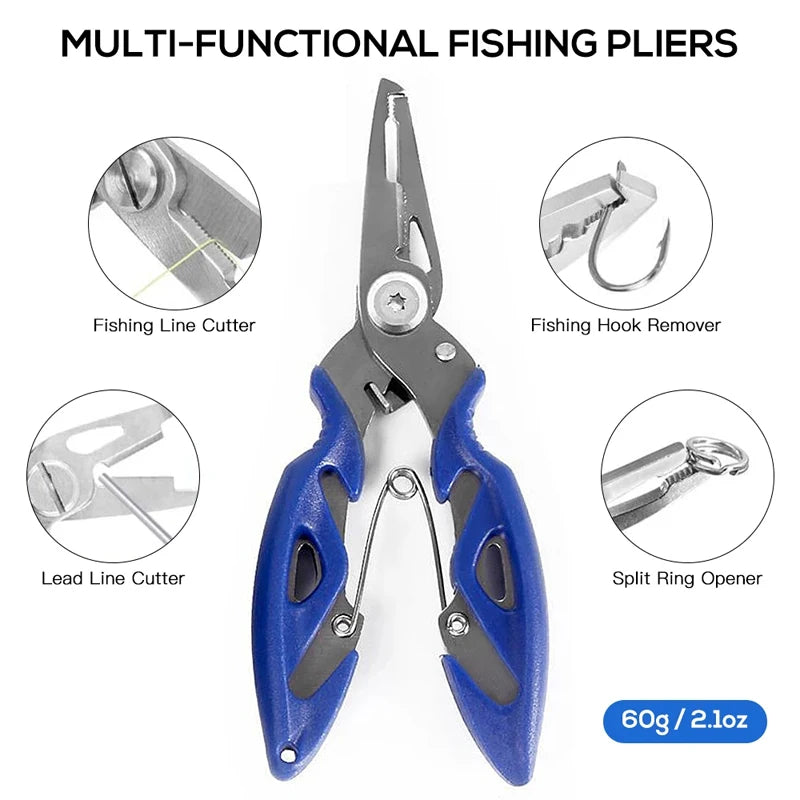
Many anglers notice corrosion first on split rings, hooks, snaps, and pliers because these small metal parts dry slower and trap moisture.
Best Ways To Prevent Rust After Every Trip
Ways to prevent rust work best when done immediately after fishing. Rinsing gear with clean water, drying equipment completely, and storing accessories in moisture-controlled containers can reduce corrosion significantly. Small habits like opening tackle boxes overnight and wiping down metal surfaces help prevent hidden moisture buildup that leads to rust.
-
Rinse gear immediately
Use freshwater to remove salt, dirt, and organic residue before storage. -
Dry everything completely
Leave tackle trays open in a ventilated area for several hours. -
Use moisture absorbers
Silica gel packs inside tackle boxes help reduce trapped humidity. -
Separate wet and dry equipment
Never toss wet pliers or hooks into sealed storage bags. -
Apply protective lubricant
A light corrosion-resistant coating protects exposed metal surfaces.
How experienced anglers reduce corrosion
Many saltwater anglers keep two storage systems: one for active wet gear and another for fully cleaned backup equipment.
Some also use Waterproof & Dry Bags to separate damp clothing and wet accessories during travel. This prevents moisture from spreading inside vehicles or storage compartments.
Another useful addition is organizing hooks and tools inside Gear Organizers & Pouches with breathable compartments that allow faster drying.
Step-By-Step: How To Prevent Tackle Rust
If you want a simple routine that takes less than 15 minutes, follow this process after every fishing session.
1. Empty your tackle box completely
Remove lures, hooks, sinkers, and tools. Moisture often hides beneath trays and foam inserts.
2. Rinse metal accessories
Use cool freshwater and avoid high-pressure sprays that can push salt deeper into reel components.
3. Dry gear with airflow
Place equipment near a fan or open area. Direct sunlight helps but avoid overheating reels.
4. Inspect for early rust spots
Small orange stains can spread quickly. Remove them before long-term storage.
5. Store gear properly
Use organized tackle systems and keep storage areas dry.
See durable tackle storage solutions for outdoor fishing trips
Quick checklist before storing gear
- Hooks fully dry
- Reels wiped down
- Tackle trays opened
- No wet towels nearby
- Silica packs replaced regularly
- Metal accessories separated
💡 See it in action
What Stops Rusting Best In Saltwater Conditions?
Saltwater fishing requires more aggressive protection because corrosion develops faster.
The most effective solutions usually combine:
- Stainless steel accessories
- Protective coatings
- Dry storage systems
- Ventilated tackle boxes
- Waterproof transport gear
Comparing common anti-rust methods
| Method | Effectiveness | Best Use |
|---|---|---|
| Freshwater rinse | High | After every trip |
| Silica gel packs | Medium | Tackle storage |
| Corrosion spray | High | Metal protection |
| Stainless steel accessories | Very High | Saltwater fishing |
| Waterproof storage | High | Travel and transport |
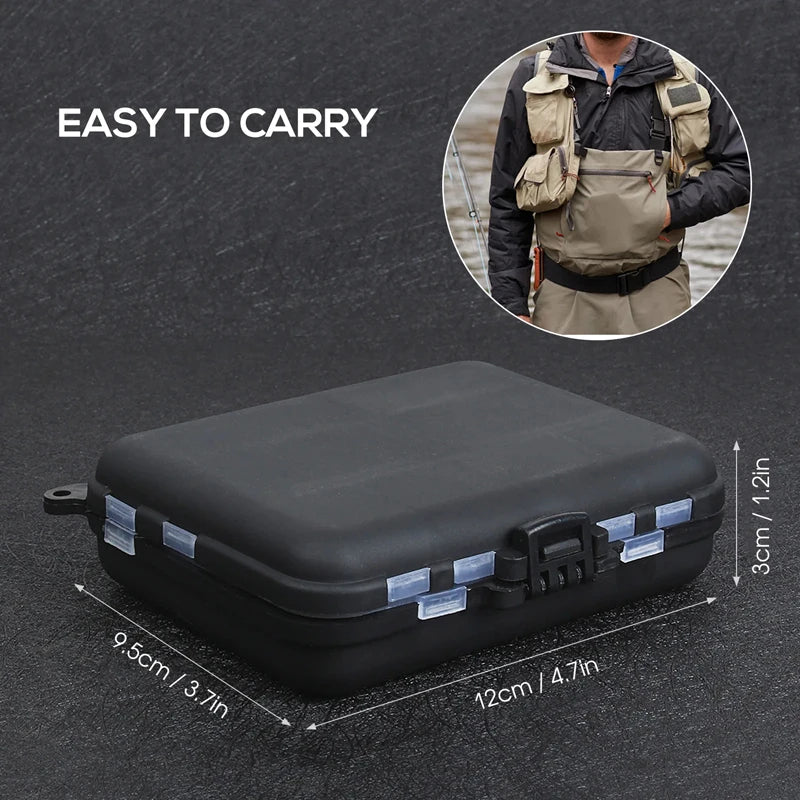
For anglers who travel often, keeping tools inside Camping Storage & Boxes helps protect gear from moisture changes during long road trips.
Boat anglers also benefit from keeping backup towels and cleaning cloths inside Car Organizers & Storage to handle wet equipment immediately after use.
Common Mistakes That Cause Rusty Fishing Accessories
Most corrosion problems come from small habits anglers rarely notice.
Storing gear while still damp
This is the fastest way to create rusty fishing accessories after trips. Closed tackle boxes trap humidity overnight.
Ignoring salt residue
Salt crystals continue pulling moisture from the air even after gear looks dry.
Using cheap low-grade metals
Budget hooks and clips often corrode quickly in coastal conditions.
Packing wet towels with tackle
Moisture spreads through enclosed storage spaces surprisingly fast.
Leaving gear inside hot vehicles
Temperature changes create condensation inside tackle boxes.
One Florida kayak angler shared that switching to ventilated storage and stainless steel clips reduced hook replacement costs by nearly half over one season.
Best Storage Solutions For Fishing Gear
Storage plays a huge role in preventing corrosion.
Look for systems that improve airflow while protecting equipment from rain and splashes.
Useful gear protection setups
- Ventilated tackle organizers
- Waterproof carrying bags
- Moisture-resistant storage containers
- Hook protectors and sleeves
- Dry compartments for tools
Anglers who camp overnight often combine fishing gear with Car Camping Accessories to create organized outdoor setups that keep wet and dry equipment separate.
If you fish during changing weather conditions, adding Rain Ponchos & Capes can also reduce excess moisture exposure while protecting stored tackle during sudden storms.
Why A Fishing Stainless Steel Accessories Kit Helps
A fishing stainless steel accessories kit offers better resistance against corrosion compared to standard untreated metals.
These kits usually include:
- Split rings
- Snaps
- Swivels
- Hooks
- Leaders
- Storage compartments
Stainless steel still needs cleaning, but it handles saltwater conditions far better than cheaper alternatives.
Many anglers prefer compact tackle kits because they simplify organization and reduce the chances of wet gear sitting exposed inside open bags.
Shop the fishing accessories kit before your next saltwater trip
Travel anglers also pair their tackle systems with Hooks, Clips & Carabiners for better organization during hiking or shoreline fishing sessions.
💡 See it in action
Simple Maintenance Checklist Before Your Next Trip
Before heading out, spend a few minutes checking your equipment.
- Inspect hooks for discoloration
- Replace corroded split rings
- Check tackle trays for trapped moisture
- Reapply corrosion spray if needed
- Dry waterproof bags completely
- Organize backup accessories
Keeping a consistent system makes outdoor trips smoother and prevents costly equipment failures.
Many experienced anglers say the easiest mistake most people make is storing “almost dry” gear instead of completely dry gear.
Protect Your Gear Before Rust Starts
Ways to prevent rust do not require expensive maintenance routines or complicated equipment. A few minutes of rinsing, drying, organizing, and storing tackle properly can protect your fishing gear for years.
Whether you fish occasionally on weekends or spend long days offshore, reducing moisture exposure and upgrading to corrosion-resistant accessories can improve performance and reduce frustration on every trip.
FAQ
How do you prevent tackle rust after saltwater fishing?
Rinse all gear with freshwater immediately after fishing, dry it fully with airflow, and store it in ventilated containers with moisture absorbers. Avoid sealing wet equipment inside tackle boxes overnight.
What stops rusting best on fishing gear?
Freshwater rinsing, corrosion-resistant coatings, stainless steel accessories, and dry storage systems are among the most effective ways to stop rusting on fishing equipment.
Why do fishing hooks rust so quickly?
Fishing hooks rust fast because they are constantly exposed to moisture, salt, and air. Small hooks also trap water easily inside tackle trays and foam organizers.
Is stainless steel fishing gear completely rust-proof?
No. Stainless steel resists corrosion better than standard metal, but it still requires cleaning and drying after exposure to saltwater conditions.
How should fishing gear be stored between trips?
Store fishing gear in dry, ventilated containers away from humidity and direct moisture. Keep wet towels and clothing separate from tackle and metal accessories.
Pillar Article: How To Choose Fishing Pole: Step-By-Step Guide To Perfect Rod
Other Related Articles:
- Fishing Setup For Beginners: Step-By-Step Rigging Guide
- Fishing Gear Organizer: How To Set Up A Clutter-Free System
- Organizing Fishing Hooks: Easy Storage Methods To Stop Tangles
Explore More:





