

Organizing Fishing Hooks: Easy Storage Methods To Stop Tangles
Organizing Fishing Hooks: Easy Storage Methods To Stop Tangles
⏱ 8 min read
Does organizing fishing hooks really prevent tangles?
Organizing fishing hooks with the right storage system can reduce tangles, protect sharp hook points, and make setup faster on every trip. Anglers who separate hooks by size, style, and rig type often spend less time untangling gear and more time fishing efficiently, even during rough travel or crowded tackle box storage.
Organizing fishing hooks does not have to feel frustrating before every fishing trip. If your fishing gear always gets tangled or your tackle trays are overflowing with loose hooks, a few smart storage changes can completely transform your setup. From compact organizers to simple labeling tricks, these easy methods help keep hooks protected, accessible, and ready for your next cast.
Ever open your tackle box only to find hooks buried inside tangled line, soft plastics, and snapped leaders? What gear actually makes fishing setup easier when every second counts on the water?
👉 Discover must-have fishing storage gear before your next trip.
Keep your hooks, swivels, weights, and rigs organized with the 263pcs Fishing Accessories Kit Tackle Box for faster setup and fewer frustrating tangles.
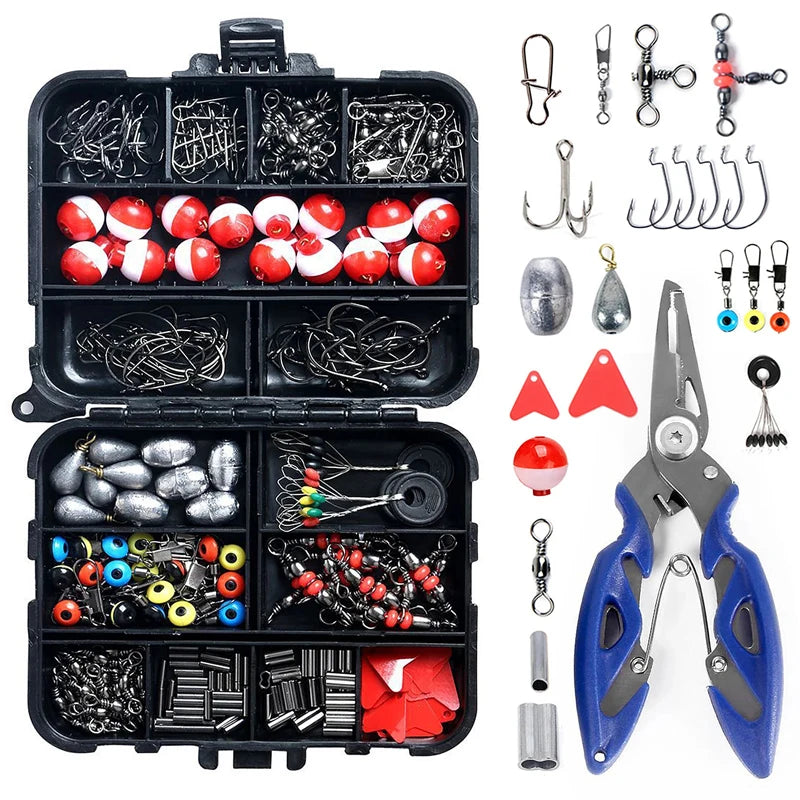
💡 See it in action
Why Fishing Hooks Get Tangled So Easily
Organizing fishing hooks becomes difficult when multiple hook sizes, leader lines, and soft plastics are tossed together without separation. Moisture, movement during travel, and overcrowded tackle trays create constant snags that damage gear and waste valuable fishing time.
Most anglers deal with the same problems:
- Loose hooks sliding between compartments
- Treble hooks catching soft plastics
- Rust from trapped moisture
- Leader lines wrapping around hooks
- Difficulty finding the right hook quickly
A weekend fisherman from Texas shared that reorganizing his tackle setup cut prep time in half during bass tournaments. Instead of digging through tangled trays, every hook type had its own labeled slot.
The truth is simple: the hard to organize fishing hooks problem usually comes from using storage systems that are too small, overcrowded, or poorly divided.
Best Way Store Fishing Hooks for Fast Access
Organizing fishing hooks works best when hooks are separated by size, purpose, and frequency of use. Small waterproof tackle organizers with secure dividers help prevent tangles while protecting sharp points from damage during travel and long fishing days.
1. Use Compartment Boxes with Adjustable Dividers
Adjustable compartments allow anglers to create custom sections for circle hooks, worm hooks, trebles, and jig heads.
Benefits include:
- Quick visual identification
- Reduced hook damage
- Less wasted space
- Faster lure rigging
For extra organization, pair tackle trays with Gear Organizers & Pouches to separate freshwater and saltwater gear.
2. Store Hooks by Fishing Technique
Instead of sorting only by size, group hooks based on use:
| Fishing Style | Recommended Hook Storage |
|---|---|
| Bass Fishing | Soft plastic worm hooks together |
| Saltwater Surf Fishing | Heavy circle hooks in waterproof containers |
| Trout Fishing | Small labeled fly compartments |
| Catfishing | Large offset hooks in foam-lined trays |
3. Add Moisture Protection
Rust destroys hooks quickly, especially after humid boat trips.
Helpful additions include:
- Silica gel packets
- Waterproof containers
- Dry storage bags
- Ventilated tackle trays
Waterproof & Dry Bags can help keep fishing tackle protected during kayaking, beach fishing, or rainy weather.
Step-by-Step Hook Organization That Actually Works
Many anglers overcomplicate tackle organization. The easiest systems are usually the simplest.
- Empty your entire tackle box
- Discard rusty or bent hooks
- Separate hooks by type and size
- Label compartments clearly
- Store frequently used hooks near the top
- Keep emergency backup hooks separate
Using color-coded labels makes retrieval faster during low-light conditions. Pairing storage trays with Headlamps & Wearable Lights can also make nighttime rigging easier during early morning launches.
👉 Learn how to choose the right tackle setup for faster fishing prep.
The 263pcs Fishing Accessories Kit Tackle Box keeps hooks, swivels, and sinkers separated in one compact storage solution.
Fishing Hook Storage Comparison Table
| Storage Method | Best For | Pros | Cons |
|---|---|---|---|
| Plastic Divider Boxes | General fishing | Affordable and customizable | Can shift during travel |
| Foam Hook Holders | Fly fishing | Protects sharp points | Limited capacity |
| Magnetic Storage Cases | Small hooks | Prevents movement | Can attract debris |
| Waterproof Tackle Kits | Travel and saltwater | Moisture protection | Slightly heavier |
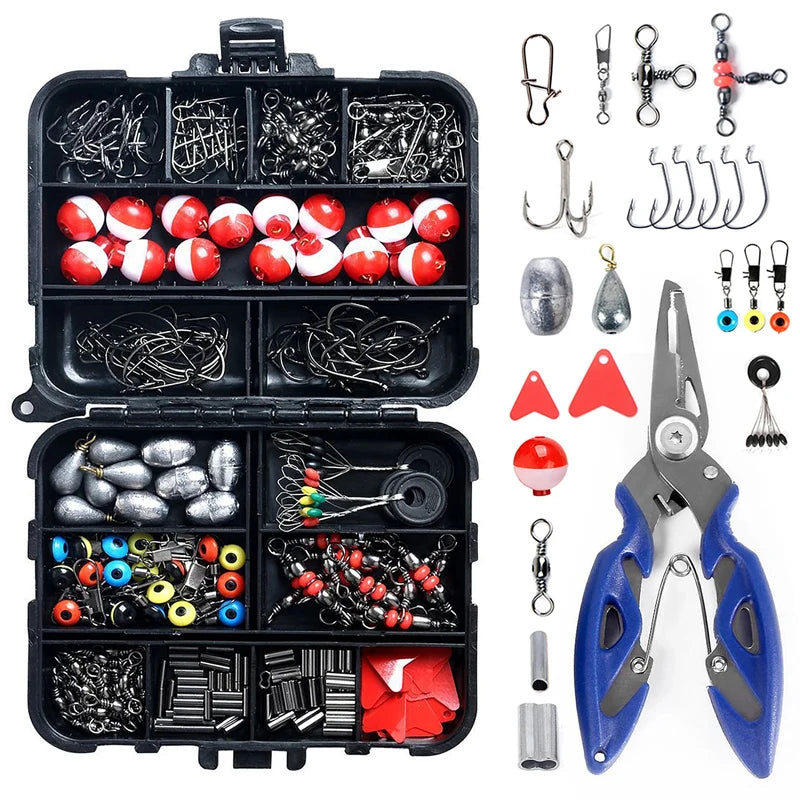
💡 See it in action
Travel Storage Tips for Boats, Kayaks, and Car Trips
Fishing gear always gets tangled most often during transportation. Every bump, turn, or sudden stop shifts loose tackle inside storage compartments.
Secure Tackle Before Driving
Using compact storage systems inside Car Organizers & Storage can help reduce spills and hook movement during road trips to lakes or coastal fishing spots.
Use Compact Waterproof Cases on Kayaks
Kayak anglers benefit from small waterproof tackle systems because limited deck space increases clutter quickly.
Helpful kayak organization items include:
- Dry tackle pouches
- Stackable hook trays
- Clip-on organizers
- Carabiner systems
Hooks, Clips & Carabiners are useful for attaching small tackle containers to backpacks, boats, or kayak seats.
Keep Emergency Hooks Separate
Always pack backup hooks in a secondary container. If your main tackle tray spills into the water or gets soaked, you still have essential gear ready.
Many anglers also use Camping Storage & Boxes for larger fishing trips where multiple tackle systems need organized transport.
Easy Fishing Tackle Box Organization for Small Spaces
Easy fishing tackle box organization becomes even more important when storage space is limited. Compact tackle systems can still stay organized with smart layout planning.
Use Vertical Storage
Stack slim trays vertically instead of overfilling one deep box.
Store Soft Plastics Separately
Soft baits often cause tangles when mixed directly with hooks.
Limit Duplicate Hooks
Many anglers carry too many duplicates they rarely use. Reducing unnecessary extras frees up space immediately.
Create Grab-and-Go Kits
Prepare small setups for specific species:
- Bass kit
- Panfish kit
- Catfish kit
- Saltwater kit
Compact fishing systems fit well alongside Lightweight Daypacks for shore fishing or hiking to remote fishing areas.
Common Mistakes Anglers Make When Storing Hooks
Even experienced anglers accidentally create cluttered tackle systems.
| Mistake | Why It Causes Problems |
|---|---|
| Mixing hook sizes | Slows rigging and causes tangles |
| Leaving wet tackle sealed | Creates rust quickly |
| Using oversized tackle boxes | Gear shifts excessively |
| Ignoring labels | Wastes setup time |
One Florida angler mentioned he stopped losing hooks after switching from open trays to compact sealed organizers. His tackle lasted longer and setup became much faster before dawn fishing trips.
Gear That Makes Organization Easier
Sometimes the best way store fishing hooks comes down to using smarter storage accessories.
Helpful Add-Ons for Better Tackle Storage
- Waterproof organizers
- Foam hook holders
- Portable storage trays
- Carabiner clip systems
- Dry storage bags
For anglers combining camping and fishing trips, Backpacking & Carry systems can help keep fishing tackle organized alongside outdoor essentials.
Long overnight fishing trips also become easier with organized support gear like Camping Lights & Lanterns and Foldable Travel Gear.
The 263pcs Fishing Accessories Kit Tackle Box combines multiple compartments with compact portability, making it easier to separate hooks, swivels, weights, and terminal tackle without clutter.
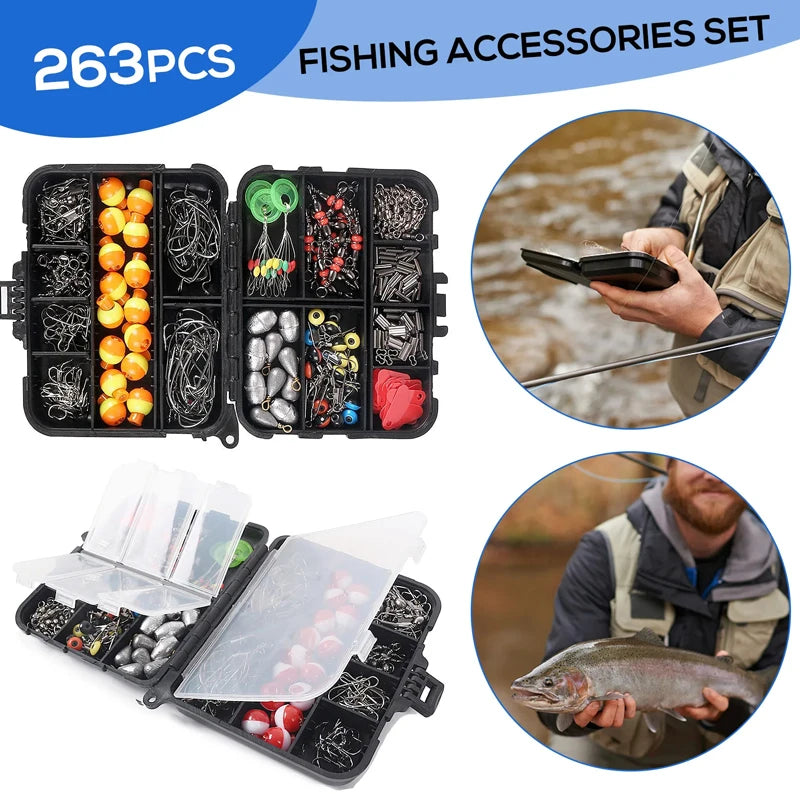
💡 See it in action
Stop Wasting Time Untangling Fishing Gear
Organizing fishing hooks does not require expensive equipment or complicated systems. Simple compartment storage, waterproof protection, and hook separation can dramatically reduce tangles while improving fishing efficiency.
Whether you fish from boats, kayaks, docks, or shorelines, organized tackle saves time and protects valuable gear. Small improvements today can make every future trip smoother and more enjoyable.
👉 Get yours now before your next fishing trip!
Upgrade your tackle organization with the 263pcs Fishing Accessories Kit Tackle Box and keep your hooks protected, sorted, and ready for action.
Frequently Asked Questions
What is the best way store fishing hooks?
The best way store fishing hooks is inside waterproof compartment tackle boxes with labeled sections. Separating hooks by type and size prevents tangles while protecting sharp points from damage and rust.
Why are fishing hooks hard to organize?
Fishing hooks are small, sharp, and easy to mix together during travel. Overcrowded tackle boxes and loose leader lines often create tangles that make hooks difficult to manage efficiently.
How do I stop my fishing gear from getting tangled?
Store hooks separately from soft plastics and fishing lines. Use divided tackle trays, waterproof bags, and compact organizers to minimize shifting during transport.
Are waterproof tackle boxes worth it?
Yes. Waterproof tackle boxes help reduce rust, protect terminal tackle, and improve organization during rainy weather, kayak fishing, or saltwater trips.
How often should I reorganize fishing hooks?
Most anglers benefit from reorganizing tackle every few trips. Removing rusty hooks and relabeling compartments keeps storage systems efficient and easier to maintain.
Pillar Article: How To Choose Fishing Pole: Step-By-Step Guide To Perfect Rod
Other Related Articles:
- Fishing Setup For Beginners: Step-By-Step Rigging Guide
- Ways To Prevent Rust: Simple Steps For Fishing Gear Protection
- Fishing Gear Organizer: How To Set Up A Clutter-Free System
Explore More:





