

Fishing Gear Organizer: How To Set Up A Clutter-Free System
Fishing Gear Organizer: How To Set Up A Clutter-Free System
Question: What is the best way to organize fishing gear without wasting time on trips?
A fishing gear organizer helps anglers sort lures, hooks, lines, and tools into easy-to-access sections so nothing gets lost during travel or on the water. Using a compact fishing gear organizer box and labeled storage system reduces clutter, protects expensive gear, and makes packing faster for every fishing trip.
⏱ 8 min read
Nothing ruins a fishing trip faster than tangled lines, missing hooks, or digging through overloaded tackle boxes while the fish are biting. If you’re tired of carrying bulky fishing gear everywhere or constantly replacing fishing tools missing during trips, creating a simple storage system can completely change your experience. This guide breaks down easy fishing tackle box organization strategies that save time, reduce stress, and help you fish smarter on every adventure.
👉 Ready to simplify your setup? Explore practical storage solutions and fishing essentials with the 263PCS Fishing Accessories Kit Tackle Box before your next trip.
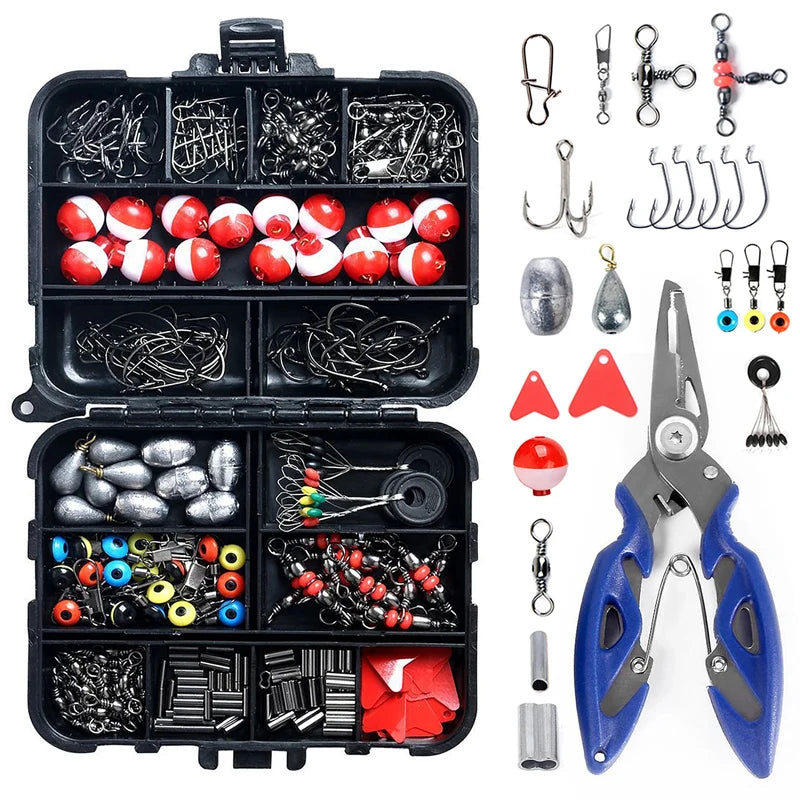
💡 See it in action
Why A Fishing Gear Organizer Makes Trips Easier
A fishing gear organizer keeps all essential tools separated, protected, and instantly accessible while reducing clutter during travel and storage. Organized systems prevent wasted time searching for hooks, protect fragile tackle from damage, and make loading or unloading gear much faster for shore fishing, boat fishing, or weekend camping trips.
Have you ever opened your tackle bag only to find tangled leaders, rusted hooks, or missing pliers?
That frustration usually comes from poor storage habits rather than lack of equipment. A structured organization system solves several common problems:
- Prevents tangled fishing lines and damaged lures
- Reduces time spent searching for equipment
- Makes carrying bulky fishing gear everywhere much easier
- Protects expensive tackle from moisture and impact
- Keeps emergency tools within quick reach
Many experienced anglers also combine fishing storage with travel-friendly gear from Gear Organizers & Pouches to separate tools, electronics, and accessories during long outdoor trips.
| Problem | Common Cause | Simple Solution |
|---|---|---|
| Tangled hooks | Loose storage | Compartment trays |
| Missing tools | No fixed locations | Labeled sections |
| Wet tackle | Poor moisture protection | Waterproof storage bags |
| Heavy gear loads | Overpacking | Compact fishing gear organizer box |
How To Create An Easy Fishing Tackle Box Organization System
A simple fishing tackle box organization system starts with separating gear by purpose, frequency of use, and size. The best setups keep daily essentials easy to reach while storing backup equipment safely in compact containers for faster packing and smoother fishing trips.
- Empty all fishing gear completely. Remove old bait, damaged hooks, broken lures, and tangled line.
- Group items by category. Separate hooks, sinkers, lures, pliers, leaders, soft plastics, and line.
- Assign dedicated compartments. Every tool should have one permanent storage location.
- Prioritize frequently used items. Keep pliers, cutters, and favorite lures closest to the top.
- Use compact containers. Smaller boxes prevent overpacking and improve portability.
- Label specialty setups. Mark boxes for bass, trout, saltwater, or ice fishing.
One of the easiest upgrades is combining your tackle setup with portable storage from Camping Storage & Boxes for vehicle organization and garage storage.
Outdoor travelers who fish during road trips also benefit from pairing tackle systems with Car Organizers & Storage to avoid gear sliding around during transport.
Separate Daily Gear From Backup Supplies
One mistake many anglers make is stuffing every piece of equipment into a single tackle box.
Instead, split your setup into:
- Primary fishing kit for daily essentials
- Backup storage for extra hooks and line
- Emergency repair pouch
- Weather-specific accessories
This method keeps your main setup lightweight while still preparing you for changing conditions.
👉 Want a faster setup on the water? A compact and organized tackle system can save valuable fishing time and reduce stress during every cast.
Best Storage Tools For Compact Fishing Setups
The best fishing storage systems focus on portability, weather protection, and quick access. Compact trays, waterproof bags, and modular containers make it easier to carry only what you need while keeping sensitive gear protected from rain, mud, and impact.
Choosing the right organizer matters just as much as organizing the gear itself.
Compact Fishing Gear Organizer Box
A compact fishing gear organizer box works best for anglers who move frequently between fishing spots. Smaller organizers reduce unnecessary weight and encourage smarter packing habits.
Benefits include:
- Easier transport during shore fishing
- Faster access to lures and hooks
- Better visibility inside compartments
- Reduced clutter during active fishing
The 263PCS Fishing Accessories Kit Tackle Box is especially useful for anglers who want multiple tackle essentials in one organized setup.
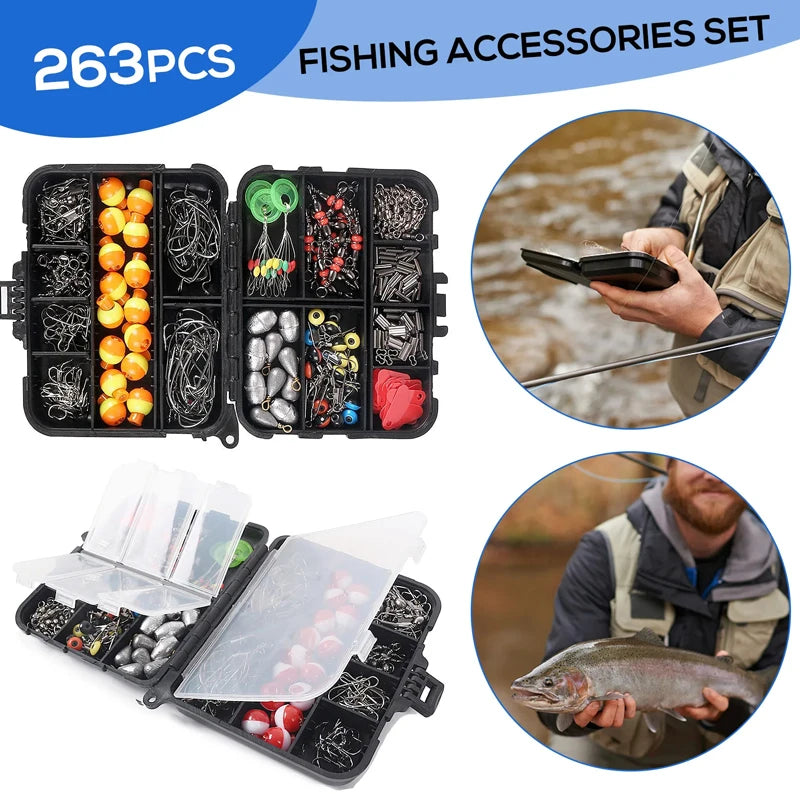
💡 See it in action
Waterproof Storage For Wet Conditions
Rain, splashes, and humidity quickly damage fishing equipment.
Many anglers use Waterproof & Dry Bags to keep electronics, spare clothing, and sensitive fishing gear protected during boat trips or kayak fishing adventures.
Portable Pouches For Small Tools
Keeping pliers, line cutters, and multitools inside separate organizers prevents accidental damage and saves time during active fishing sessions.
Small storage kits from Hooks, Clips & Carabiners also help attach frequently used tools directly to backpacks or belts.
Lighting Solutions For Early Morning Fishing
Fishing before sunrise often means searching through dark tackle bags.
Compact lighting from Headlamps & Wearable Lights makes lure changes and gear organization much easier in low-light conditions.
| Storage Tool | Best Use | Main Benefit |
|---|---|---|
| Compact organizer box | Day fishing | Easy portability |
| Waterproof dry bag | Boat trips | Moisture protection |
| Gear pouch | Tool storage | Fast access |
| Vehicle organizer | Road travel | Cleaner transport |
How To Prevent Gear Damage During Travel
Travel damage usually happens when fishing gear shifts during transport. Organized compartment systems, protective padding, and moisture control prevent broken rods, crushed lures, and rusted hooks while making unloading much faster after long trips.
Long drives and rough terrain can easily destroy loosely packed fishing gear.
Here are practical ways to reduce damage:
- Use padded containers for fragile lures
- Store hooks separately from soft plastics
- Dry equipment before sealing containers
- Keep sharp tools inside protective sleeves
- Avoid overloading tackle bags
Travel anglers often combine fishing storage with Backpacking & Carry products to distribute weight more evenly during hikes to remote fishing spots.
If you fish from kayaks or boats, waterproof separation becomes even more important. Moisture-resistant systems help reduce rust and extend equipment lifespan significantly.
Why Lightweight Packing Improves Fishing Trips
Many anglers carry far more tackle than they actually use.
A lighter setup improves:
- Mobility between fishing spots
- Faster lure changes
- Less physical strain
- Better organization overall
One camper shared that switching to a compact fishing gear organizer box reduced setup time from 20 minutes to less than 5 minutes at lakeside campsites.
👉 Get organized before your next fishing trip! Streamline your tackle setup with the 263PCS Fishing Accessories Kit Tackle Box while supplies are available.
Common Fishing Gear Organization Mistakes
Even experienced anglers create unnecessary clutter by storing too much equipment together.
Overstuffing Tackle Boxes
Too many lures inside one container create tangles and slow down access.
Instead, rotate tackle seasonally and only pack gear needed for current fishing conditions.
Ignoring Moisture Control
Wet hooks and damp line quickly develop rust and mold.
Dry tackle thoroughly before storage and consider adding moisture-resistant protection inside bags.
No Backup Storage Plan
Without secondary storage, replacing or repairing gear becomes difficult during long trips.
Many anglers store extras inside Food Storage Bags & Containers because sealed compartments also work well for fishing accessories.
Forgetting Emergency Tools
A missing multitool or flashlight can quickly become dangerous during remote fishing trips.
Prepared anglers often combine tackle systems with products from Safety, Survival & Emergency for better outdoor readiness.
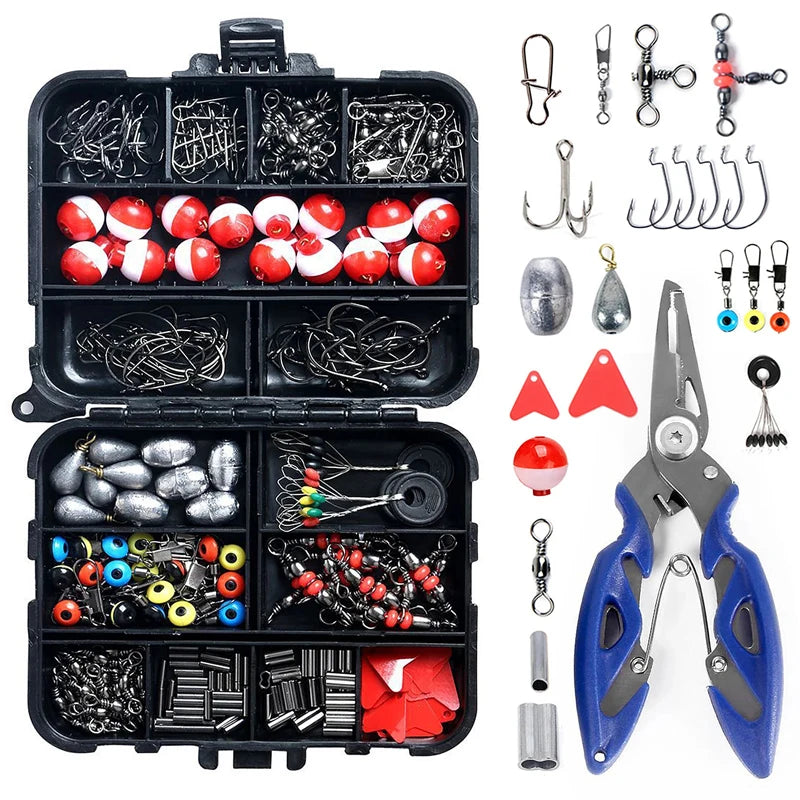
💡 See it in action
How Seasonal Maintenance Keeps Gear Ready
Fishing gear organization is not a one-time task.
Each season brings different tackle needs, weather conditions, and storage challenges.
Before every major fishing season:
- Replace rusty hooks
- Retie weak leaders
- Check line condition
- Clean soft plastics
- Remove damaged tackle
- Inspect storage compartments
Cold-weather anglers may also benefit from organizing seasonal clothing and protection gear using Weather Protection & Environment products for easier winter preparation.
Keeping your fishing system updated prevents last-minute scrambling before early morning trips.
Quick Fishing Gear Organization Checklist
- Separate tackle by fishing style
- Use labeled compartments
- Store wet gear separately
- Carry only frequently used tackle
- Protect sharp tools
- Maintain backup supplies
- Inspect storage monthly
- Keep emergency tools accessible
A Cleaner Fishing Setup Creates Better Trips
A reliable fishing gear organizer does more than reduce clutter. It improves mobility, protects valuable equipment, and helps you focus on fishing instead of searching through messy bags. Whether you're planning a quick lake trip, a weekend camping adventure, or a long road-trip excursion, an organized setup makes every outing smoother and more enjoyable.
With a compact fishing gear organizer box, waterproof protection, and easy fishing tackle box organization habits, you can spend less time unpacking and more time making the next cast count.
Fishing Gear Organizer FAQ
What should go inside a fishing gear organizer?
A fishing gear organizer should include hooks, lures, sinkers, pliers, line, leaders, scissors, and emergency repair tools separated into labeled compartments for quick access.
How do I stop fishing gear from tangling?
Use divided trays, avoid overpacking compartments, and separate soft plastics, hooks, and leaders into dedicated sections to reduce tangles.
What is the best compact fishing gear organizer box for travel?
A lightweight organizer with adjustable compartments, waterproof protection, and secure latches works best for travel fishing and outdoor adventures.
How often should fishing tackle be reorganized?
Most anglers benefit from reorganizing tackle at the start of every fishing season and after major trips to remove damaged or unused equipment.
Why does organized fishing gear improve trips?
Organized fishing gear reduces wasted time, prevents lost tools, protects expensive tackle, and makes transportation much easier during outdoor travel.
Pillar Article: How To Choose Fishing Pole: Step-By-Step Guide To Perfect Rod
Other Related Articles:
- Fishing Setup For Beginners: Step-By-Step Rigging Guide
- Ways To Prevent Rust: Simple Steps For Fishing Gear Protection
- Organizing Fishing Hooks: Easy Storage Methods To Stop Tangles
Explore More:





