

Resistance Training Beginners: How To Start Safely Step By Step
What is resistance training beginners and how do you start safely?
Resistance training beginners can safely start by using simple bodyweight or light equipment exercises, focusing on proper form, and gradually increasing intensity. A structured resistance training program at home combined with progressive resistance training exercises helps build strength, improve posture, and reduce injury risk—even with limited time.
Resistance Training Beginners: How To Start Safely Step By Step
Resistance training beginners often struggle with where to start, especially with a lack of time for gym workouts and confusing advice online. This guide simplifies everything by showing how to build home strength training routine using a smart resistance training program at home and progressive resistance training exercises that actually work. Discover how small, consistent efforts can deliver faster strength gains, better posture, and long-term fitness results—without expensive equipment. Ready to unlock a routine that fits your life and keeps you motivated?
⏱ 8 min read
Ever feel overwhelmed trying to figure out the right way to start working out at home? You’re not alone. Many beginners feel stuck between complicated routines, expensive gym memberships, and fear of doing exercises incorrectly.
What if you could build strength, improve energy, and stay consistent—all from home?
👉 Discover must-have training essentials to simplify your routine
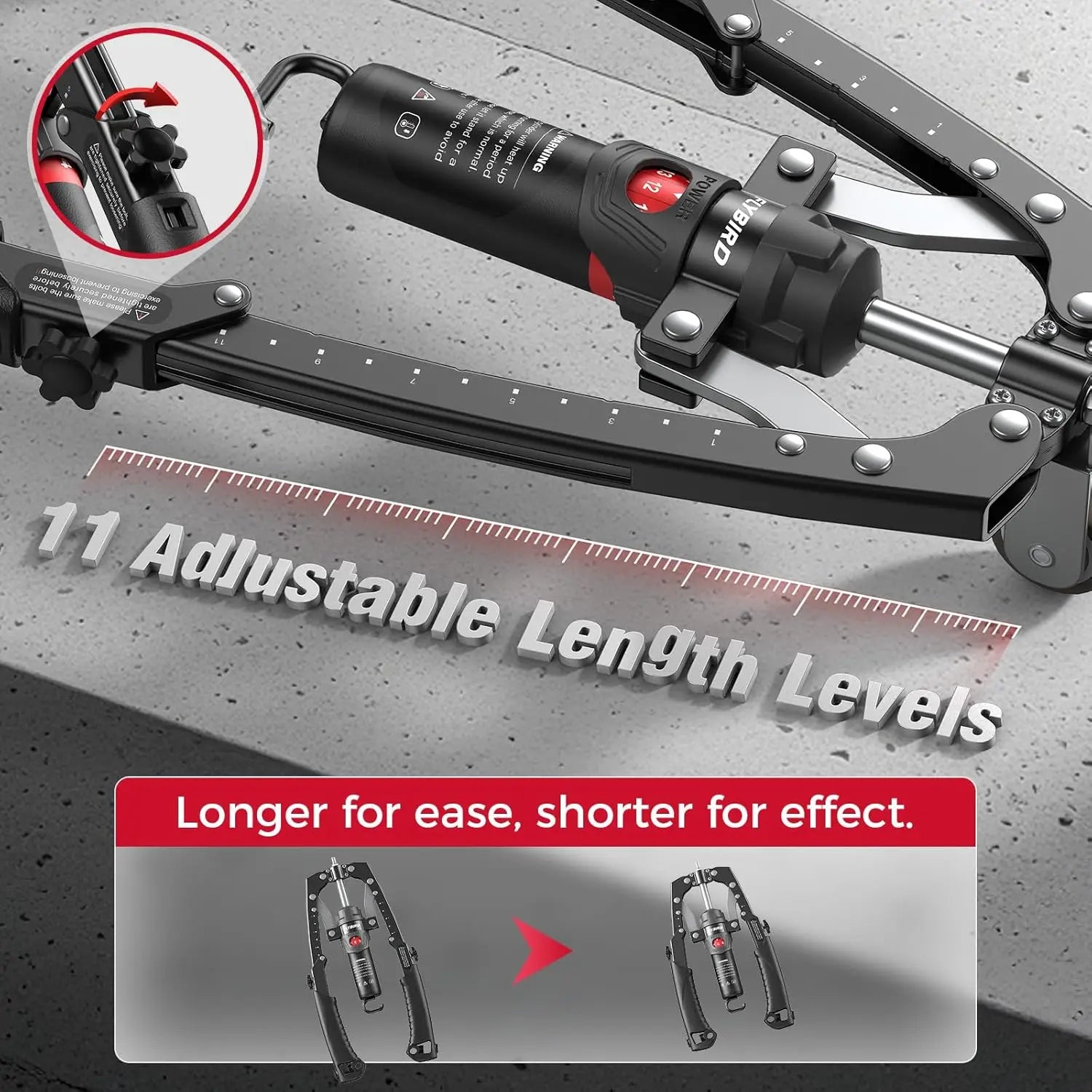
💡 See it in action
Why Resistance Training Works for Beginners
Resistance training isn’t just for athletes or bodybuilders. It’s one of the most efficient ways to improve your overall health, especially when starting from zero.
- Builds lean muscle and strength
- Improves metabolism and fat burning
- Enhances posture and joint stability
- Supports long-term health and mobility
Unlike cardio alone, resistance training delivers visible and measurable progress faster—which keeps motivation high.
Feel Stronger Faster: Benefits You’ll Notice in Weeks
When you follow a proper resistance training program at home, results can appear sooner than expected.
| Benefit | What You’ll Notice |
|---|---|
| Strength | Everyday tasks feel easier |
| Energy | Less fatigue throughout the day |
| Posture | Reduced back and neck discomfort |
| Confidence | Feeling more capable and motivated |
Many beginners report feeling stronger within just 2–3 weeks of consistent training.
Start Safely: Step-by-Step Guide for Beginners
Following a structured approach is the safest and fastest way to progress.
- Start with bodyweight exercises like squats, push-ups, and planks
- Focus on form first rather than intensity
- Train 3 times per week for consistency
- Rest and recover between sessions
- Gradually increase resistance over time
This method minimizes injury risk while building a solid foundation.
Build a Simple Home Strength Training Routine That Sticks
You don’t need a gym to get results. A smart home setup is enough.
Sample beginner routine:
- Squats – 3 sets of 10 reps
- Push-ups – 3 sets of 8 reps
- Glute bridges – 3 sets of 12 reps
- Plank – 3 sets of 20 seconds
Short on time? This routine takes less than 20 minutes.
👉 Learn how to upgrade your home workouts easily
Why Progressive Resistance Training Exercises Matter
Progressive resistance training is the key to continuous improvement.
- Increase reps gradually
- Add resistance using bands or weights
- Slow down movement for better control
- Reduce rest time for added intensity
Without progression, your body adapts and stops improving. With it, strength gains continue steadily.
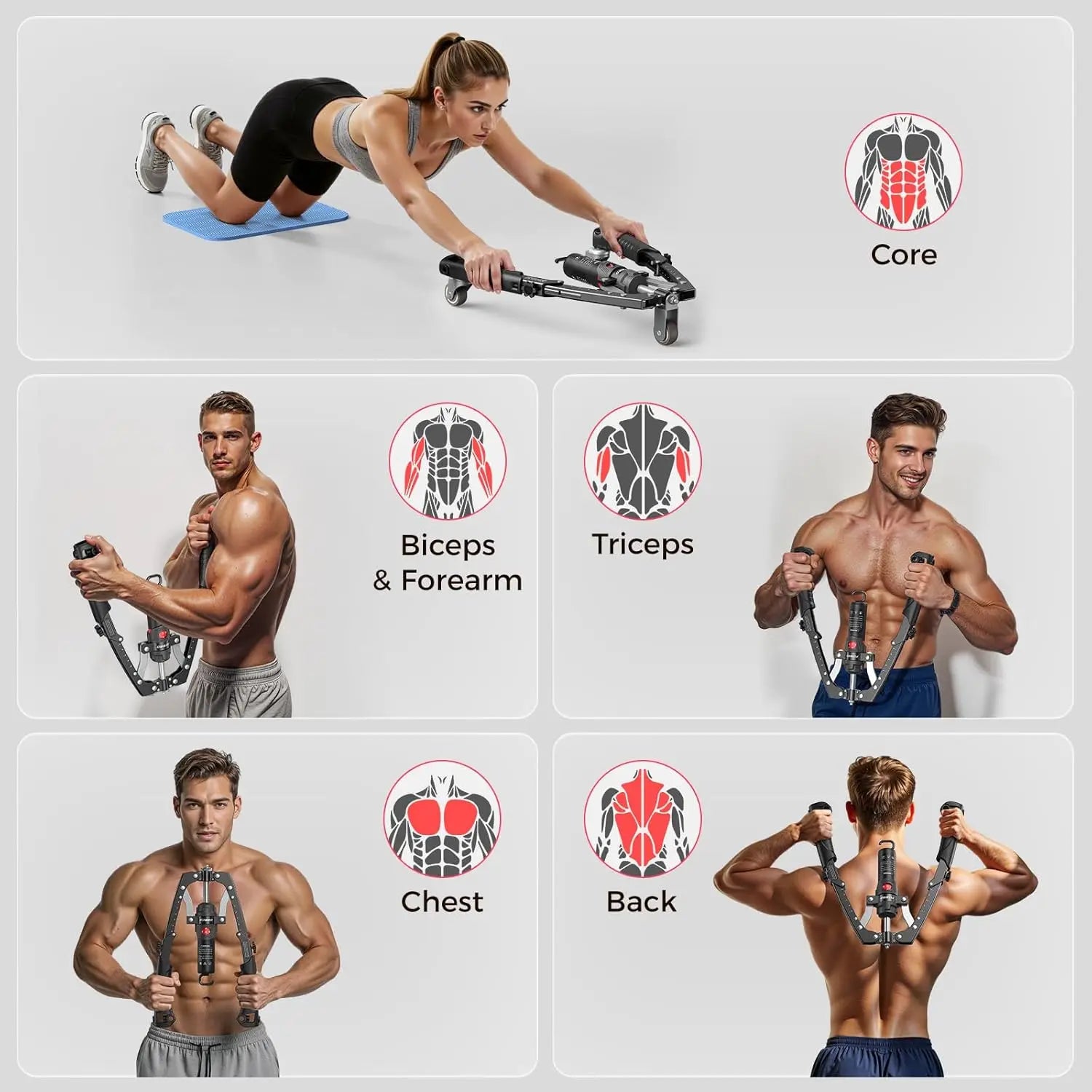
💡 See it in action
Avoid These Common Beginner Mistakes
Skipping these pitfalls can save you weeks of frustration.
- Doing too much too soon
- Ignoring proper form
- Not allowing recovery time
- Following overly complex routines
Consistency beats intensity—especially at the beginning.
How the Right Equipment Makes Training Easier
The right tools can simplify your workouts and keep you motivated.
- Resistance bands for adjustable intensity
- Ab rollers for core strength
- Mobility tools for warm-up and recovery
Explore practical tools here: Mobility & Warm-up Tools
Many beginners say having simple equipment makes workouts feel more structured and enjoyable.
Follow This Simple Weekly Plan
Structure removes guesswork and builds consistency.
| Day | Activity |
|---|---|
| Monday | Full body workout |
| Wednesday | Light strength + mobility |
| Friday | Full body workout |
| Weekend | Rest or light activity |
This plan fits perfectly even if you have a lack of time for gym workouts.
Real Results: What Beginners Are Saying
“I started with just 15 minutes a day and now I feel stronger than ever.”
“Home workouts made it easier to stay consistent without pressure.”
“Progressive resistance helped me actually see results for the first time.”
Consistency and simplicity are what drive real change.
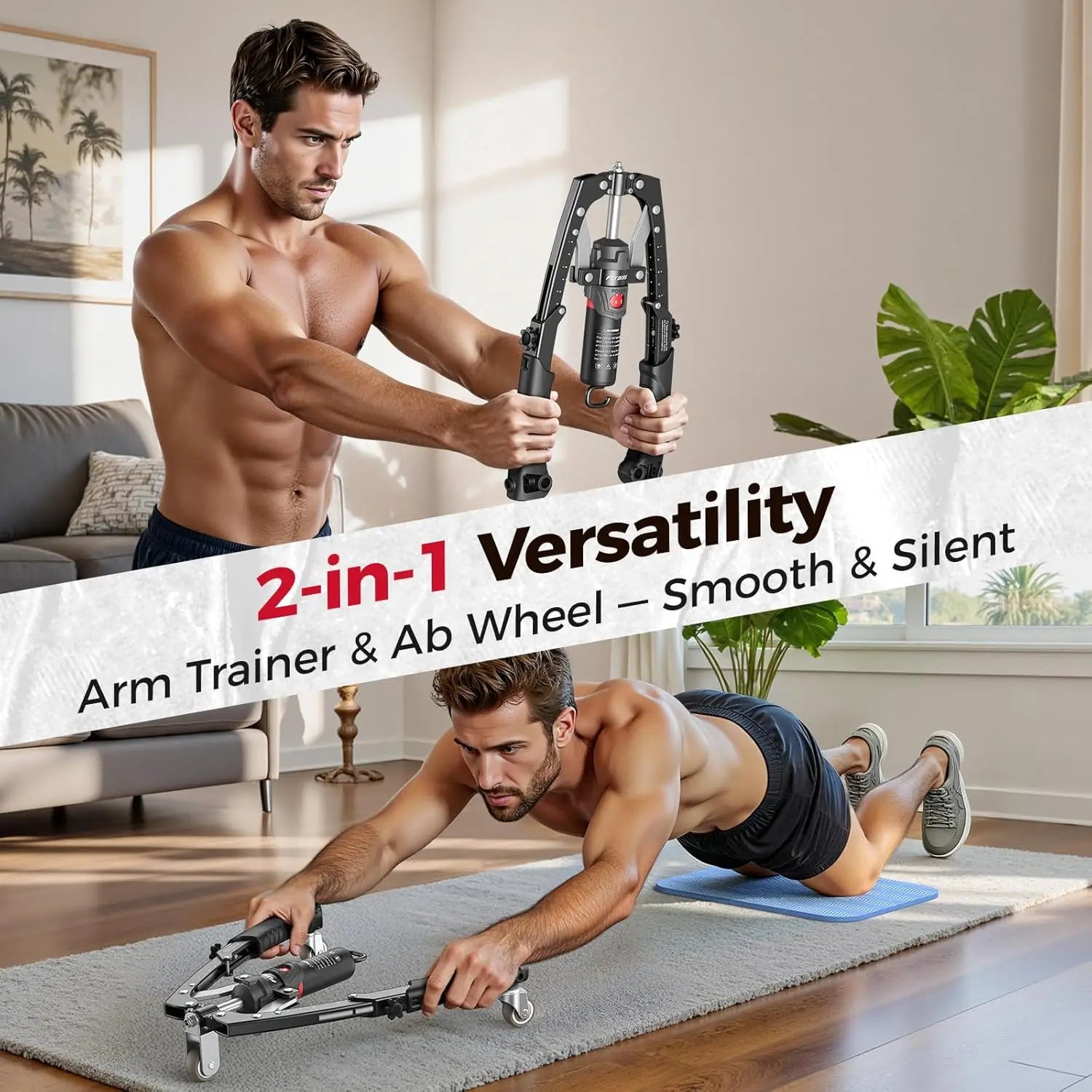
💡 See it in action
Make It Even Easier With Smart Tools
If you want faster progress with less guesswork, adding a compact tool like an ab roller can significantly improve your core strength and stability.
- Targets core, arms, and shoulders
- Easy to use at home
- Perfect for beginners
👉 Get yours now before your next workout!
FAQs
How often should resistance training beginners work out?
Start with 2–3 sessions per week. This allows enough recovery while building consistency.
Do I need equipment to start?
No. Bodyweight exercises are enough in the beginning. Equipment helps as you progress.
How long before I see results?
Most beginners notice improvements in strength and energy within 2–4 weeks.
Can I do resistance training at home effectively?
Yes. A well-structured resistance training program at home can deliver excellent results without a gym.
Related Articles:
- Use Resistance Bands For Arms: How To Tone Arms Effectively
- Home Strength Training Routine: How To Build Consistency At Home
- How To Improve Upper Body Strength Fast With Simple Daily Routine
- How To Use Ab Roller: Step-By-Step Core Workout Guide
Pillar Articles:





