

How To Improve Upper Body Strength Fast With Simple Daily Routine
How To Improve Upper Body Strength Fast With Simple Daily Routine
⏱ 8 min read
How to improve upper body strength fast?
How to improve upper body strength starts with short daily workouts that target pushing, pulling, and core stability together. Consistent bodyweight training, proper recovery, and simple resistance tools can improve endurance, posture, and muscle control in as little as 15–20 minutes a day, even if you have difficulty building upper body strength home.
How to improve upper body strength doesn’t have to mean endless gym sessions or expensive equipment. If you struggle with difficulty building upper body strength home, this guide breaks down how to train upper body at home using a simple daily system that fits even the busiest schedule. You’ll also discover a total body workout routine without gym access that helps solve the lack of time for gym workouts while boosting endurance, posture, and confidence faster than most people expect. The surprising part is how little time it actually takes each day.
Ever feel like your arms get tired too quickly during hiking, lifting gear, or even carrying groceries? Many people struggle with lack of time for gym workouts, yet still want noticeable strength gains without complicated programs.
The good news is that you can build impressive upper body endurance and strength using short, focused sessions at home or outdoors.
👉 Want a faster way to build arm and core strength?
Discover the 3-in-1 Arm Trainer Ab Roller and simplify your daily strength routine before your next outdoor adventure.
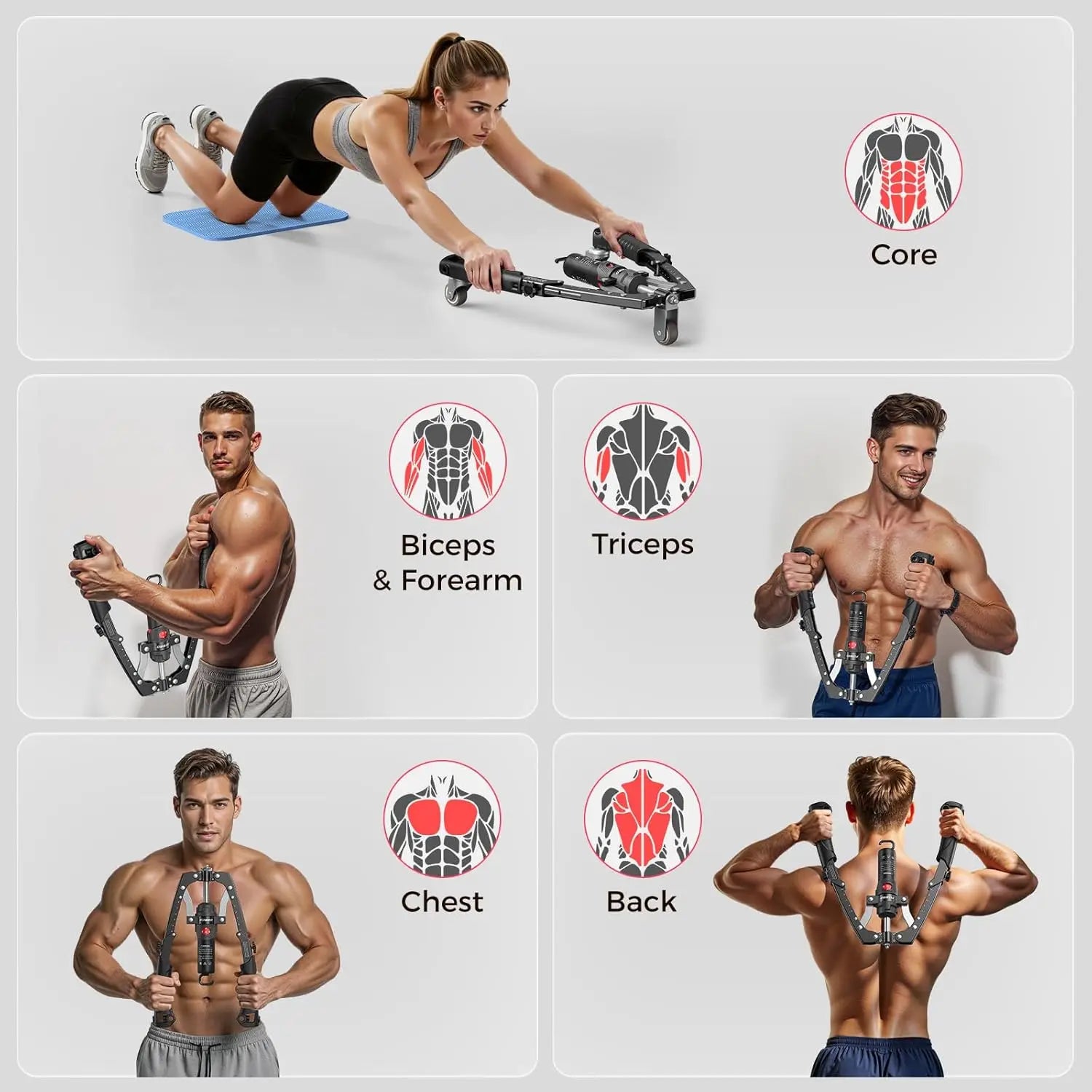
💡 See it in action
Why Upper Body Strength Matters More Than You Think
Upper body strength affects far more than appearance. It improves posture, reduces shoulder fatigue, helps prevent injuries, and makes outdoor activities easier.
Whether you're carrying camping supplies, lifting backpacks, setting up tents, or paddling during outdoor trips, stronger shoulders, arms, and core muscles improve both performance and comfort.
Signs You Need More Upper Body Strength
- Shoulders feel sore after carrying bags
- Push-ups feel impossible or exhausting
- Poor posture during desk work
- Difficulty lifting gear overhead
- Quick fatigue during hikes or outdoor activities
- Neck tension caused by weak upper back muscles
| Weakness Problem | How Daily Training Helps |
|---|---|
| Shoulder fatigue | Improves stability and endurance |
| Poor posture | Strengthens upper back muscles |
| Low arm endurance | Builds muscular stamina gradually |
| Core instability | Enhances balance and movement control |
People who enjoy camping, hiking, or road trips often notice major improvements after following a short bodyweight routine consistently for just a few weeks.
For recovery and mobility support, many active travelers also use tools from the Stretching & Recovery Tools collection to reduce soreness between workouts.
Simple Daily Routine To Build Strength Faster
How to improve upper body strength effectively comes down to consistency, movement quality, and progressive challenge. A simple 15-minute workout repeated daily often works better than occasional intense sessions.
This routine is designed for beginners, busy professionals, travelers, and anyone facing difficulty building upper body strength home.
15-Minute Daily Upper Body Routine
-
Push-Ups – 3 sets of 10
Targets chest, shoulders, and triceps while improving full-body stability. -
Plank Shoulder Taps – 3 sets of 20 taps
Strengthens shoulders, core, and coordination. -
Arm Trainer Rollouts – 3 sets of 8
Improves core engagement and upper body endurance. -
Chair Dips – 3 sets of 12
Builds tricep and shoulder strength using simple household furniture. -
Resistance Band Rows – 3 sets of 15
Helps improve posture and upper back activation.
What makes this routine effective is its balance between pushing, pulling, and stabilizing movements.
👉 Ready to make home workouts easier?
Pair your routine with the 3-in-1 Arm Trainer Ab Roller for added resistance, core activation, and faster progression.
Many outdoor enthusiasts combine their workouts with lightweight training accessories from the Outdoor Training Accessories collection for flexible workouts during camping trips or travel.
Why Short Workouts Often Work Better
- Easier to stay consistent daily
- Less recovery fatigue
- Better habit formation
- Fits busy schedules
- Reduces mental resistance to exercise
If lack of time for gym workouts has stopped your progress before, shorter daily sessions can completely change your results.
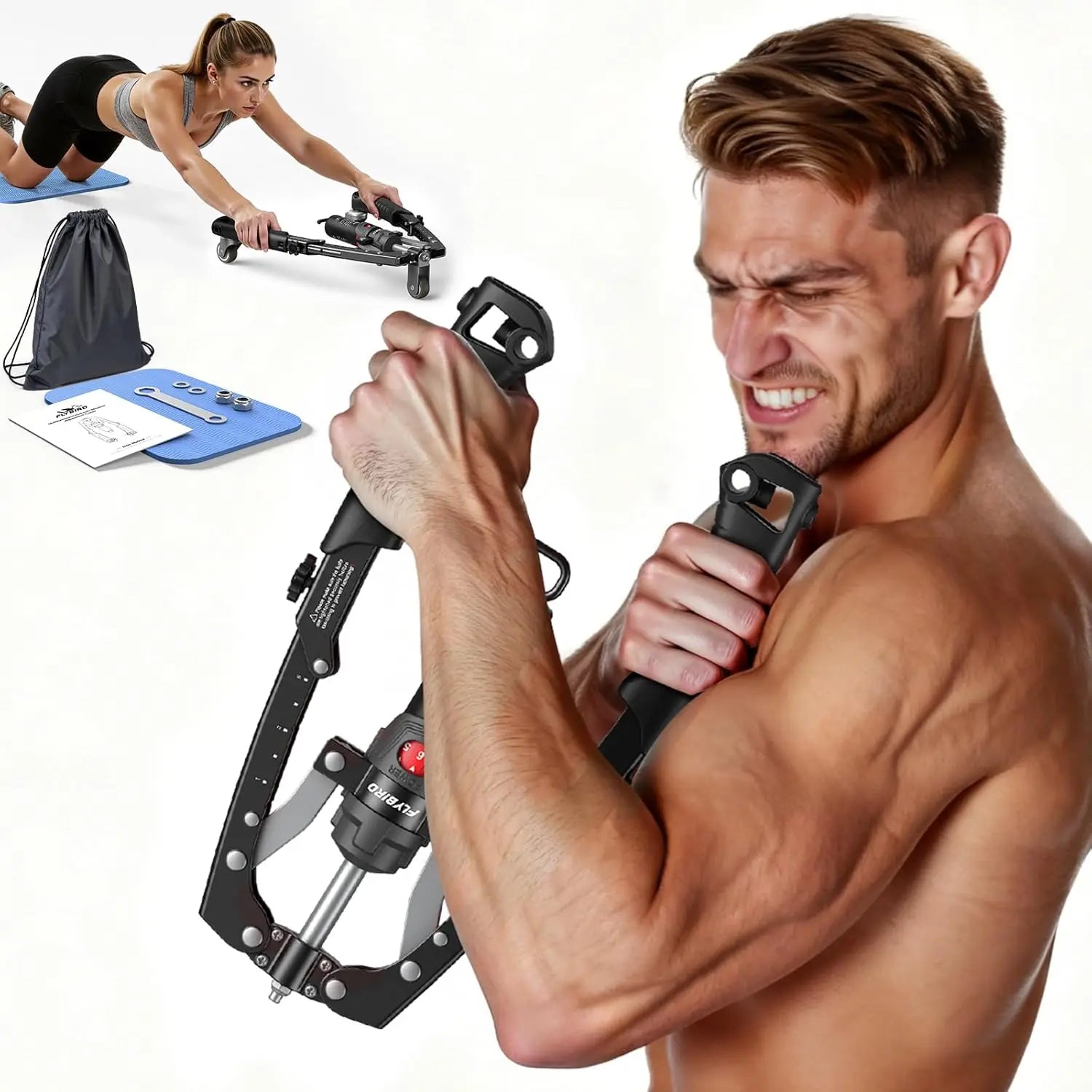
💡 See it in action
Common Mistakes Slowing Down Progress
One of the biggest reasons people fail to build strength is inconsistency. But there are several other hidden mistakes that slow progress even when workouts feel difficult.
1. Training Too Hard Too Soon
Beginners often push to exhaustion immediately, leading to soreness and burnout. Gradual progression works much better long term.
2. Ignoring Recovery
Muscles grow stronger during recovery, not just during workouts. Sleep, hydration, and stretching matter more than most people realize.
Hydration support products from the Hydration & Food collection can help active people stay energized during outdoor sessions and travel workouts.
3. Poor Form
Fast repetitions with poor posture reduce effectiveness and increase injury risk. Slow, controlled movement builds strength faster.
4. Skipping Core Training
Your core stabilizes almost every upper body movement. Weak core muscles limit strength gains in push-ups, rows, and shoulder exercises.
| Common Problem | Better Alternative |
|---|---|
| Long exhausting workouts | Short consistent sessions |
| No recovery work | Stretching and hydration |
| Random exercises | Structured daily routine |
| Ignoring core muscles | Integrated full-body training |
Best Home Equipment For Faster Results
Bodyweight exercises work well, but adding compact equipment can accelerate progress while keeping workouts convenient.
Why the 3-in-1 Arm Trainer Helps
The 3-in-1 Arm Trainer Ab Roller combines core activation, arm training, and shoulder engagement into one compact tool.
People who struggle with how to train upper body at home often prefer equipment that saves space while targeting multiple muscle groups simultaneously.
Benefits of Compact Home Training Tools
- Easy to store in small apartments
- Useful during travel or camping
- Supports progressive overload
- Improves workout variety
- Encourages consistent daily use
Some users even keep portable workout gear inside bags from the Lightweight Daypacks collection for quick outdoor sessions during hikes or road trips.
Real User Experience
Many beginners report noticeable posture improvements within two weeks of consistent daily training. Others notice stronger grip endurance while hiking, kayaking, or carrying outdoor gear.
One traveler shared that short daily workouts during camping trips helped eliminate shoulder stiffness caused by long drives and backpack use.
How To Train With Almost No Free Time
Busy schedules don’t have to stop progress. The key is integrating movement into your existing routine instead of waiting for perfect workout conditions.
Quick Ways To Stay Consistent
- Do 5-minute sessions between work breaks
- Train while watching TV
- Use mornings before checking your phone
- Keep equipment visible and accessible
- Stack workouts onto existing habits
This approach works especially well for people dealing with lack of time for gym workouts because it removes commuting and setup barriers.
Sample Weekly Schedule
| Day | Focus | Duration |
|---|---|---|
| Monday | Push-ups + core | 15 min |
| Tuesday | Resistance bands + posture | 15 min |
| Wednesday | Recovery and stretching | 10 min |
| Thursday | Arm trainer rollouts | 15 min |
| Friday | Total body workout routine without gym | 20 min |
| Weekend | Outdoor movement and hiking | Flexible |
Adding recovery accessories from the Mobility & Warm-up Tools collection can also help reduce stiffness and improve workout consistency.
How Outdoor Training Improves Motivation
Training outdoors often feels less repetitive and more enjoyable than indoor routines. Fresh air, changing scenery, and natural movement patterns can improve consistency dramatically.
Many people who struggle with indoor motivation find it easier to stay active during hiking trips, beach workouts, or campground training sessions.
Outdoor Strength Ideas
- Push-ups at the park
- Resistance band workouts while camping
- Core exercises beside hiking trails
- Morning mobility sessions during road trips
Comfort-focused gear from the Outdoor Comfort & Recovery collection can help make outdoor exercise sessions more enjoyable during travel adventures.
👉 Build strength before your next adventure
Use the 3-in-1 Arm Trainer Ab Roller to improve core stability, shoulder endurance, and upper body control before your next hike, road trip, or camping weekend.
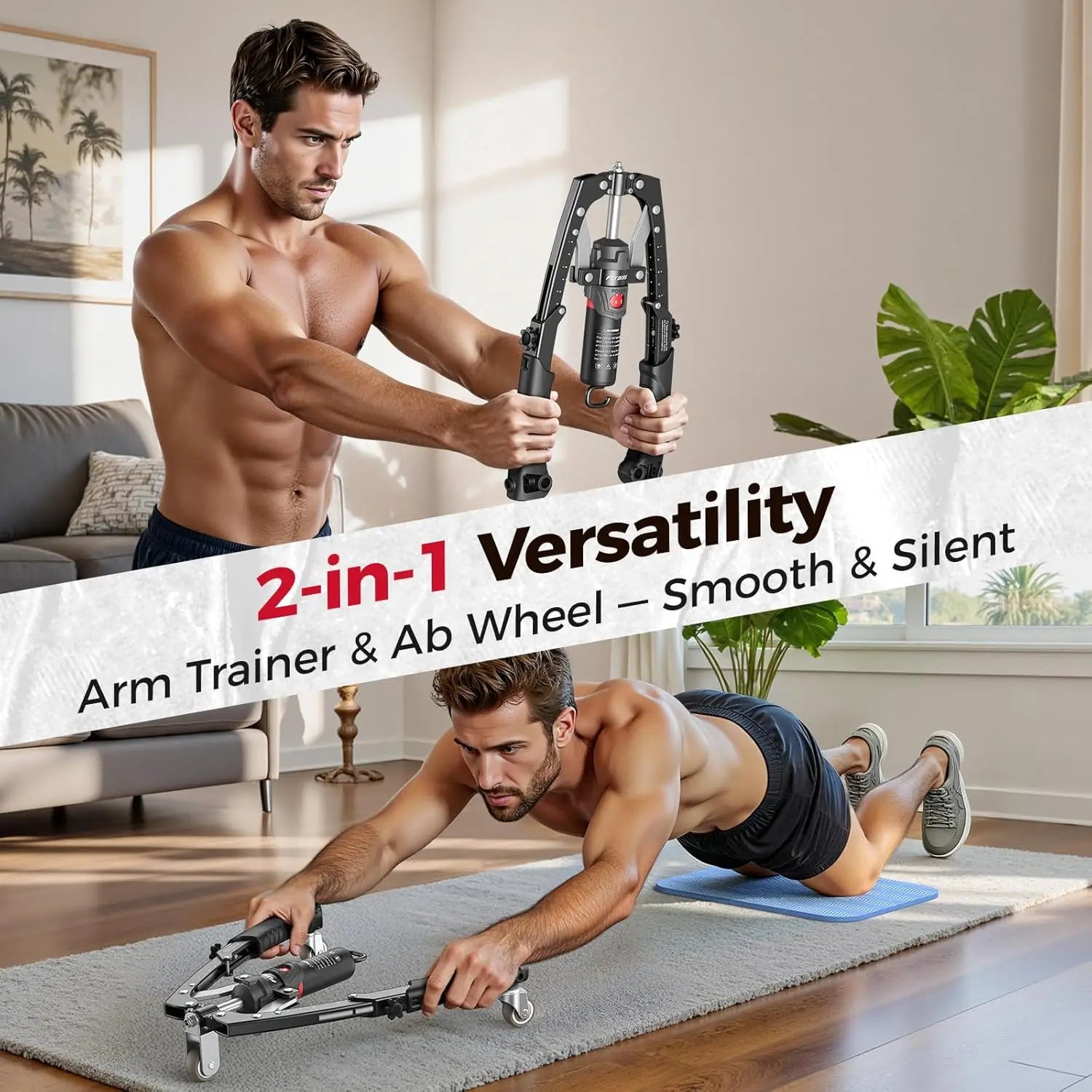
💡 See it in action
Consistency Beats Intensity Every Time
How to improve upper body strength isn’t about perfect workouts or expensive gym memberships. Small daily actions build strength faster than inconsistent extreme sessions.
By combining short bodyweight routines, smart recovery, and compact equipment, you can build stronger shoulders, arms, posture, and endurance from almost anywhere.
The best routine is the one you can actually maintain consistently.
FAQ
How long does it take to improve upper body strength?
Most people notice early strength and endurance improvements within 2–4 weeks of consistent daily training. Visible muscle changes may take longer depending on nutrition, recovery, and workout intensity.
Can I build upper body strength without a gym?
Yes. Bodyweight exercises, resistance bands, and compact tools like ab rollers can effectively build upper body strength at home or outdoors.
What is the best daily workout for beginners?
A balanced routine including push-ups, planks, rows, and core exercises works well for beginners because it targets multiple upper body muscle groups safely.
Why do I struggle with upper body strength?
Common reasons include inconsistent workouts, weak core muscles, poor posture, lack of recovery, or training without progression.
How often should I train upper body muscles?
Light to moderate upper body workouts can be performed 4–6 times weekly when recovery, stretching, and hydration are properly managed.
Pillar Article: Resistance Training Beginners: How To Start Safely Step By Step
Other Related Articles:
- Use Resistance Bands For Arms: How To Tone Arms Effectively
- Home Strength Training Routine: How To Build Consistency At Home
- How To Use Ab Roller: Step-By-Step Core Workout Guide
Explore More:





