

How To Use Ab Roller: Step-By-Step Core Workout Guide
How To Use Ab Roller: Step-By-Step Core Workout Guide
⏱ 8 min read
How do you use an ab roller correctly?
To learn how to use ab roller safely, start on your knees with your core tight, spine neutral, and slow controlled movement. Roll forward only as far as you can maintain proper form, then pull back using your abs and shoulders. Consistent practice improves core stability, posture, and full-body strength without bulky gym equipment.
Struggling to build real core strength at home without filling your space with heavy gym machines? An ab roller delivers intense results using one compact tool. This guide explains how to use ab roller correctly, avoid common mistakes, improve stability, and break through a plateau in bodyweight strength training with beginner-friendly progressions that actually work.
Ever feel like crunches stop working after a few weeks? What if one compact tool could train your abs, shoulders, arms, and stability muscles at the same time?
Explore lightweight recovery and training essentials designed for active lifestyles and home workouts.
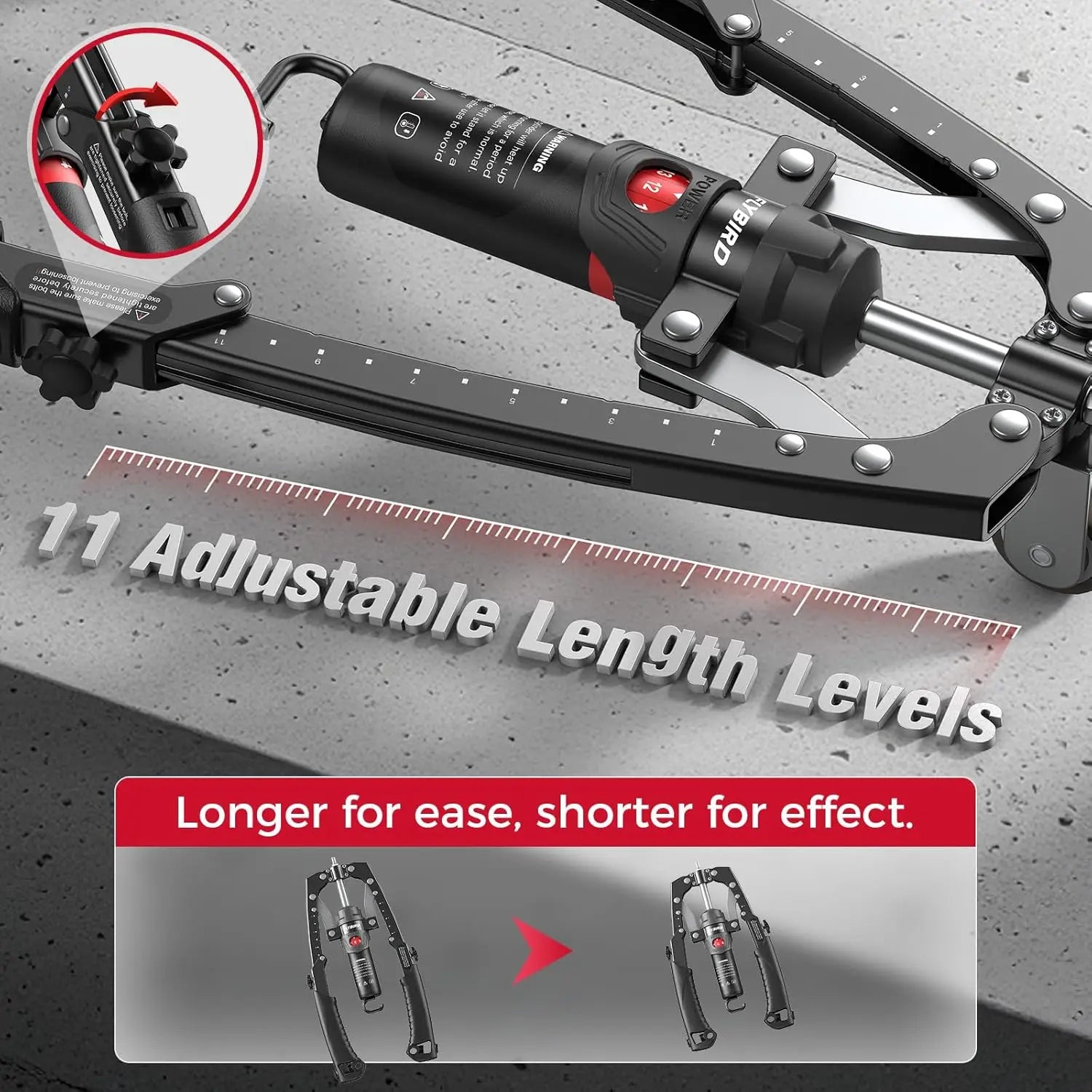
💡 See it in action
Why an Ab Roller Builds Faster Core Strength
Traditional sit-ups mainly target surface abdominal muscles. An ab roller forces your entire core to stabilize during movement, activating deeper muscles responsible for posture, balance, and injury prevention.
That’s why athletes, hikers, runners, and outdoor enthusiasts often use portable ab roller and arm trainer systems to improve movement efficiency without relying on oversized gym equipment.
- Targets upper and lower abs simultaneously
- Improves shoulder stability and arm endurance
- Strengthens lower back support muscles
- Enhances balance and body control
- Fits easily into compact apartments or travel setups
| Workout Tool | Core Activation | Space Needed | Portability |
|---|---|---|---|
| Ab Roller | High | Minimal | Excellent |
| Weight Bench | Moderate | Large | Poor |
| Cable Machine | High | Very Large | None |
Many users combine ab roller workouts with recovery tools from Stretching & Recovery Tools to reduce soreness and improve mobility after intense sessions.
Step-By-Step Guide: How To Use Ab Roller Safely
To master how to use ab roller properly, begin with controlled kneeling rollouts. Keep your core braced, hips aligned, and shoulders stable throughout the movement. Slow repetitions build more strength than fast rolling. Beginners should focus on quality form first before increasing range of motion or workout intensity.
-
Start on your knees
Place the ab roller directly under your shoulders. Use a mat or soft surface for knee comfort. -
Grip the handles firmly
Keep wrists straight and shoulders relaxed to avoid unnecessary strain. -
Brace your core
Imagine tightening your stomach as if preparing for a punch. -
Roll forward slowly
Extend your body gradually while keeping your lower back flat. -
Pause briefly
Stop before your hips sag or your back arches. -
Pull back using your abs
Engage your core and lats to return to the starting position.
Beginners often see better results by pairing mobility routines from Mobility & Warm-up Tools with ab roller sessions to improve flexibility and movement control.
A lightweight portable setup can improve consistency and make home workouts easier to stick with.
Common Mistakes That Slow Your Progress
Many people quit ab roller workouts because they rush into advanced movements too quickly. Proper progression matters more than intensity during the first few weeks.
1. Arching the lower back
This places pressure on the spine and reduces core activation. Keep ribs down and hips aligned.
2. Rolling too far too soon
Only extend to the point where your abs stay fully engaged.
3. Moving too fast
Slow reps create more tension and safer muscle activation.
4. Forgetting shoulder positioning
Stable shoulders help distribute force correctly and prevent strain.
- Focus on breathing steadily
- Train consistency before intensity
- Rest when form breaks down
- Track progress weekly
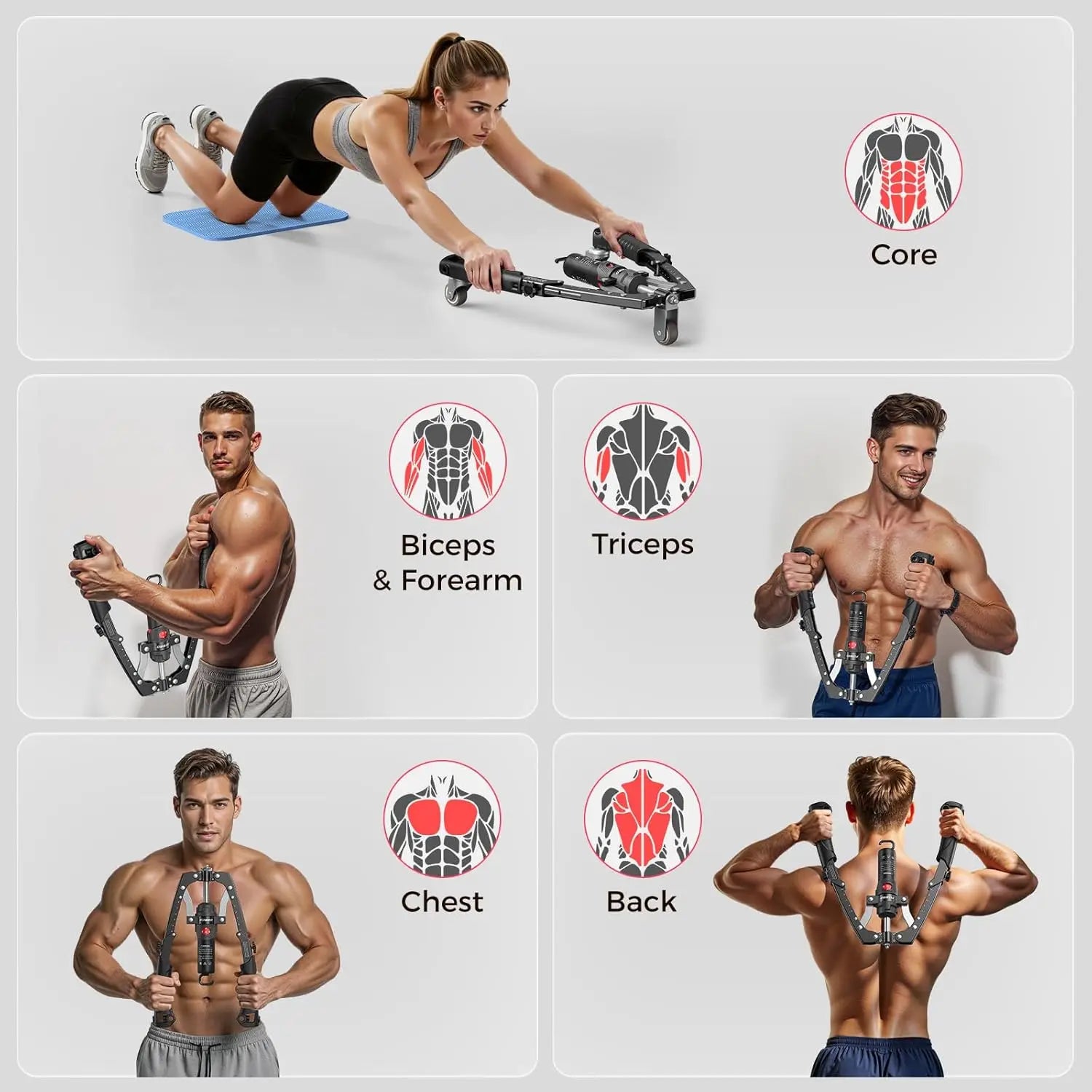
💡 See it in action
Beginner Ab Roller Workout Plan
New users should focus on short sessions that build confidence and technique. Three weekly workouts are usually enough to develop visible improvement in stability and endurance.
| Exercise | Sets | Reps |
|---|---|---|
| Kneeling Rollout | 3 | 6-8 |
| Plank Hold | 3 | 30 sec |
| Shoulder Taps | 2 | 10 each side |
| Dead Bug | 2 | 12 reps |
If you train outdoors or travel frequently, compact fitness setups pair well with gear from Lightweight Daypacks and Foldable Travel Gear.
Staying hydrated also matters during intense core sessions, especially when training outdoors. Many active users keep recovery essentials from Collapsible Water Bottles nearby for convenience.
Ab Roller Exercises for Core Strength
Once basic rollouts feel controlled, advanced variations can dramatically increase total-body tension and athletic performance.
Kneeling Rollout Hold
Pause at full extension for 2–3 seconds before returning.
Wide Rollouts
Roll diagonally to target obliques and rotational stability.
Single-Arm Assistance Rollouts
Shift more workload to one side to challenge coordination.
Standing Rollouts
An advanced movement that demands exceptional core and shoulder strength.
Many users combine resistance training tools from Resistance Bands with ab roller sessions for improved progression and muscular endurance.
“I hit a plateau doing bodyweight workouts for months. Adding ab roller progressions completely changed my core strength and posture within six weeks.” — Outdoor fitness enthusiast, Colorado
How To Beat a Plateau in Bodyweight Strength Training
A plateau in bodyweight strength training usually happens when muscles stop receiving new challenges. Ab rollers increase instability and tension, forcing deeper muscle engagement during every repetition.
Instead of endlessly adding more crunches or planks, progressive rollout variations create measurable difficulty without requiring heavy weights or large equipment.
- Increase rollout distance gradually
- Add pause reps for extra tension
- Reduce rest time slightly
- Train anti-rotation movements
- Pair workouts with mobility drills
Active users often recover faster by combining workouts with products from Outdoor Comfort & Recovery.
Try the compact portable ab roller and arm trainer designed for powerful core workouts almost anywhere.
Why a Portable Ab Roller and Arm Trainer Wins
Bulky home gyms consume space, cost more, and often collect dust after a few weeks. Portable training tools remove barriers by making workouts easier to start and easier to maintain.
A portable ab roller and arm trainer fits into apartments, offices, travel bags, or camping setups while still delivering high muscle activation.
| Benefit | Why It Matters |
|---|---|
| Compact Size | Easy to store and travel with |
| Multi-Muscle Training | Targets abs, shoulders, and arms |
| Affordable | Lower cost than gym machines |
| Fast Setup | Removes excuses to skip workouts |
Outdoor fitness lovers also appreciate pairing compact training gear with Outdoor Training Accessories during travel or camping adventures.
How This Tool Supports Full Body Strength
Despite its reputation as an ab-only device, the ab roller challenges multiple muscle groups simultaneously.
- Core stabilizers
- Chest and shoulders
- Upper back muscles
- Hip flexors
- Forearms and grip strength
That makes it ideal home workout equipment for full body strength, especially for busy people who need efficient workouts without complicated setups.
Users training at home often create more comfortable workout environments with accessories from Seat Cushions & Pads and Blankets & Sleeping Comfort.
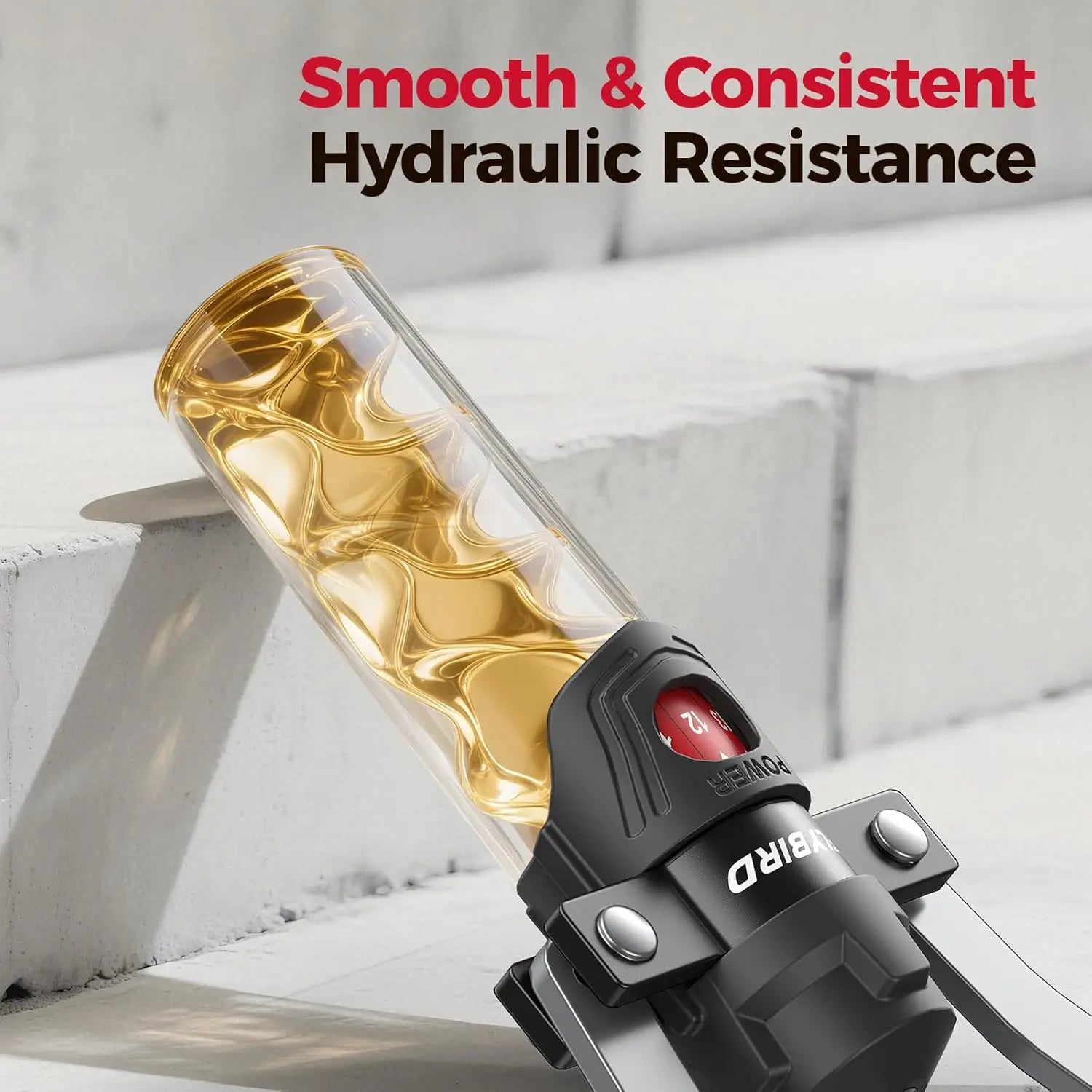
💡 See it in action
Why Consistency Beats Extreme Workouts
Most people don’t need endless gym sessions to build a stronger core. Short, focused workouts done consistently usually outperform occasional high-intensity training marathons.
Even 10–15 minutes using an ab roller several times per week can improve posture, reduce instability, and strengthen movement patterns that help during hiking, running, lifting, and everyday activities.
Pairing compact workouts with recovery-focused products and smart mobility routines creates sustainable long-term results instead of burnout.
FAQ
Is an ab roller good for beginners?
Yes. Beginners should start with kneeling rollouts and controlled movement patterns before attempting advanced variations.
How often should I use an ab roller?
Most people benefit from 2–4 sessions weekly with proper recovery between workouts.
Can an ab roller help with full body strength?
Yes. It trains the core, shoulders, chest, back, and stabilizer muscles simultaneously.
Why do ab roller workouts feel harder than crunches?
Ab roller movements create full-body tension and require greater stabilization throughout the exercise.
What helps avoid a plateau in bodyweight strength training?
Gradually increasing difficulty, adding instability, improving control, and using progressive rollout variations can help maintain steady improvement.
Pillar Article: Resistance Training Beginners: How To Start Safely Step By Step
Other Related Articles:
- Use Resistance Bands For Arms: How To Tone Arms Effectively
- Home Strength Training Routine: How To Build Consistency At Home
- How To Improve Upper Body Strength Fast With Simple Daily Routine
Explore More:





