

Tent Lighting Camping Tips For Safer Night Visibility
Tent Lighting Camping Tips For Safer Night Visibility
Question: How can tent lighting camping setups improve safety at night?
Tent lighting camping setups improve nighttime safety by reducing trip hazards, improving visibility around tents, and helping campers move confidently after dark. Smart lantern placement, soft ambient lighting, and battery-saving techniques can prevent unsafe night visibility camping outdoors while creating a more comfortable campsite experience.
⏱ 9 min read
Tent lighting camping mistakes can quickly turn a relaxing outdoor trip into a frustrating nighttime experience. Dim walkways, blinding lantern glare, and poor campsite visibility often lead to missed gear, stubbed toes, and unnecessary stress after sunset. What gear actually makes camping easier when darkness falls? This guide explains safer lighting layouts, camping lantern setup for beginners, and the best practices for outdoor lighting so you can enjoy better visibility, protect your night vision, and make every campsite feel safer and more comfortable.
👉 Discover must-have camping gear that helps improve campsite safety, comfort, and visibility after dark with reliable lighting solutions and portable outdoor essentials.
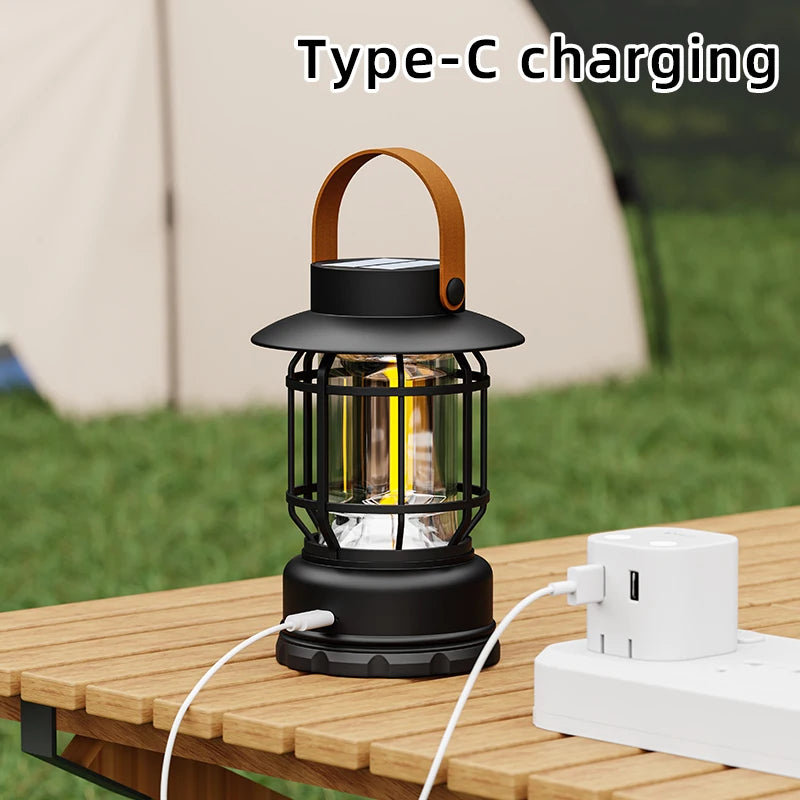
💡 See it in action
Why Tent Lighting Camping Matters for Safer Nights
Tent lighting camping setups work best when they balance brightness, comfort, and energy efficiency. A properly lit campsite helps prevent unsafe night visibility camping outdoors by illuminating walking areas, gear storage zones, and tent entrances without creating harsh glare that strains your eyes.
Many beginner campers assume one lantern in the center of camp is enough. In reality, lighting placement matters more than brightness alone.
Good lighting improves:
- Nighttime movement around camp
- Visibility near cooking areas
- Emergency access to supplies
- Comfort during late-night activities
- Safety for children and group campers
Campers often report that strategic lighting reduces stress after sunset because they spend less time searching for gear or navigating dark pathways.
For beginner-friendly lighting gear, explore Tent & Camping Lanterns and Lighting & Power for practical campsite visibility solutions.
Common Lighting Mistakes That Create Unsafe Campsites
Tent lighting camping problems usually come from poor placement instead of weak equipment. Many campers accidentally create shadows, eye strain, or dangerous dark zones by positioning lights too high, too bright, or directly at eye level.
1. Using One Bright Lantern for Everything
A single bright lantern creates strong shadows outside its beam range. This leaves tent corners, pathways, and cooking stations difficult to see.
Instead, use layered lighting:
- Soft tent interior lighting
- Directional task lighting for cooking
- Low pathway lighting near stakes and ropes
- Emergency backup lighting
2. Hanging Lights Too High
Lanterns suspended too high often create glare instead of useful visibility. Lower placement spreads light more evenly across the campsite.
3. Ignoring Tent Stakes and Guy Lines
One of the most common causes of nighttime accidents is unseen tent lines. Small low-level lights near tent edges can dramatically reduce tripping risks.
| Lighting Mistake | Common Result | Better Alternative |
|---|---|---|
| Single overhead lantern | Dark corners and glare | Layered lighting zones |
| Bright white light only | Poor night vision adjustment | Warm low-output lighting |
| No pathway lighting | Trip hazards | Ground-level markers |
| Improper battery planning | Dead lights overnight | Rechargeable backup power |
Reliable backup charging solutions from Portable Power Banks help prevent lighting failures during extended camping trips.
Step-by-Step Camping Lantern Setup for Beginners
Tent lighting camping becomes safer and more efficient when you organize your lighting in layers instead of relying on maximum brightness. Beginner campers benefit most from separating sleeping, cooking, and walking areas with dedicated light placement.
- Place a soft lantern inside the tent for general visibility.
- Add low pathway lights near tent entrances and guy lines.
- Use directional lighting near cooking equipment.
- Keep an emergency flashlight within arm’s reach.
- Position lights below eye level to reduce glare.
- Carry rechargeable backup batteries or solar charging gear.
Many campers prefer compact rechargeable lanterns because they reduce disposable battery waste while keeping campsites organized.
The 2-in-1 Solar USB Camping Lantern works especially well for beginners because it combines portable brightness with convenient charging flexibility for longer outdoor trips.
👉 Learn how to choose the right hiking gear and build a safer campsite setup with portable lighting, backup power, and beginner-friendly camping essentials.
Simple Lighting Checklist Before Sunset
- Charge lanterns before leaving home
- Test emergency flashlights
- Mark trip hazards early
- Store backup batteries in dry bags
- Set low-light modes for overnight visibility
Storage solutions from Gear Organizers & Pouches help keep lighting accessories easy to locate after dark.
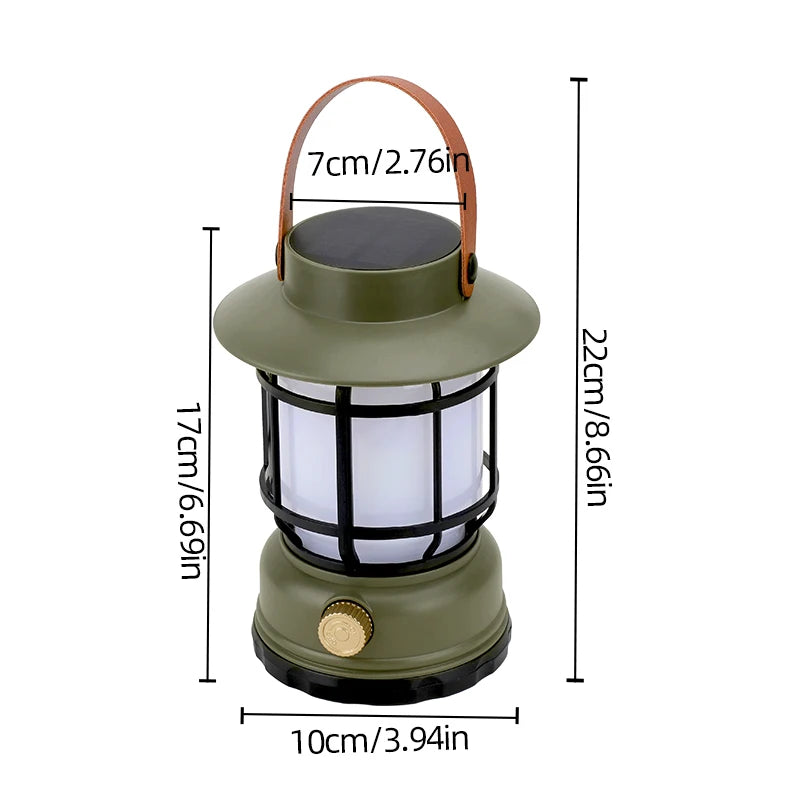
💡 See it in action
How to Create Better Lighting Zones Around Your Tent
Dividing your campsite into lighting zones improves visibility while preventing harsh over-lighting that drains batteries quickly.
Sleeping Zone
Inside your tent, use warm low-output lighting to maintain comfort without disrupting sleep readiness.
Soft ambient light works best near:
- Sleeping bags
- Storage pockets
- Tent entrances
Pairing lighting with gear from Sleeping Bags & Sleeping Pads helps create a more comfortable nighttime setup.
Cooking Zone
Cooking areas require brighter directional lighting to improve safety while handling stoves, cookware, and food preparation.
Good cooking visibility helps reduce:
- Spills
- Burn risks
- Lost utensils
- Improper food storage
Campers using gear from Camping Stoves & Cooking and Outdoor Cookware benefit from focused task lighting instead of broad flood lighting.
Walking Zone
Low-level lighting around paths and tent lines is one of the best practices for outdoor lighting because it protects visibility without creating eye strain.
Compact clip-on lights from Hooks, Clips & Carabiners can help secure lighting near pathways and entrances.
Battery-Saving Lighting Tips That Still Improve Visibility
Many campers waste battery power by using maximum brightness continuously throughout the night. Smarter lighting placement often allows lower brightness settings while still improving visibility.
Use Reflective Surfaces
Light-colored tent walls naturally reflect lantern light, helping small lanterns illuminate larger spaces.
Switch to Warm Light Modes
Warm lighting reduces eye fatigue and preserves night vision better than bright cool-white beams.
Choose Rechargeable Lighting
Rechargeable lanterns simplify longer trips while reducing battery clutter.
Solar-compatible systems from Solar Lights & Chargers are especially useful for multi-day camping.
| Lighting Type | Best Use | Battery Efficiency |
|---|---|---|
| Warm LED lantern | Tent interiors | High |
| Headlamp | Walking and tasks | Very High |
| Flood lantern | Group campsites | Medium |
| Solar lantern | Extended camping | Excellent |
Many outdoor travelers say switching to rechargeable lantern systems reduced nighttime stress because they no longer worried about battery shortages.
Hands-free options from Headlamps & Wearable Lights are also useful for cooking, hiking to restrooms, or organizing gear after dark.
How Weather Changes Your Outdoor Lighting Needs
Unsafe night visibility camping outdoors becomes more difficult during rain, fog, or wind because moisture and airborne particles scatter light differently.
Rainy Conditions
Heavy rain reflects bright beams back toward your eyes, reducing visibility. Lower-output warm lights often perform better during storms.
Weather protection gear from Weather Protection & Environment helps keep lighting equipment functional during wet conditions.
Windy Campsites
Strong winds can knock over lightweight lanterns or shift hanging lights unexpectedly.
Secure lighting using:
- Stable hanging points
- Weighted bases
- Protective hooks
- Sheltered mounting locations
Cold Weather
Cold temperatures can reduce battery performance significantly. Keep backup batteries insulated inside tents or storage bags.
Water-resistant storage from Waterproof & Dry Bags protects lighting gear during changing weather conditions.
Best Gear Combinations for Safer Night Visibility
Tent lighting camping setups work best when lighting tools complement the rest of your campsite gear instead of functioning independently.
A balanced setup often includes:
- Rechargeable lantern
- Wearable headlamp
- Portable power bank
- Compact emergency flashlight
- Weather-resistant storage bag
The 2-in-1 Solar USB Camping Lantern is particularly useful because it combines rechargeable convenience, portability, and versatile campsite lighting for beginner and experienced campers alike.
For larger campsites or family trips, combining lighting with organization gear from Camping Storage & Boxes helps reduce nighttime clutter and improve visibility.
Campers traveling with children often use products from Family, Kids & Group to create safer group camping environments after sunset.
👉 Get yours now before your next trip! Upgrade your campsite visibility with dependable rechargeable lighting that helps make nighttime camping safer, easier, and more comfortable.
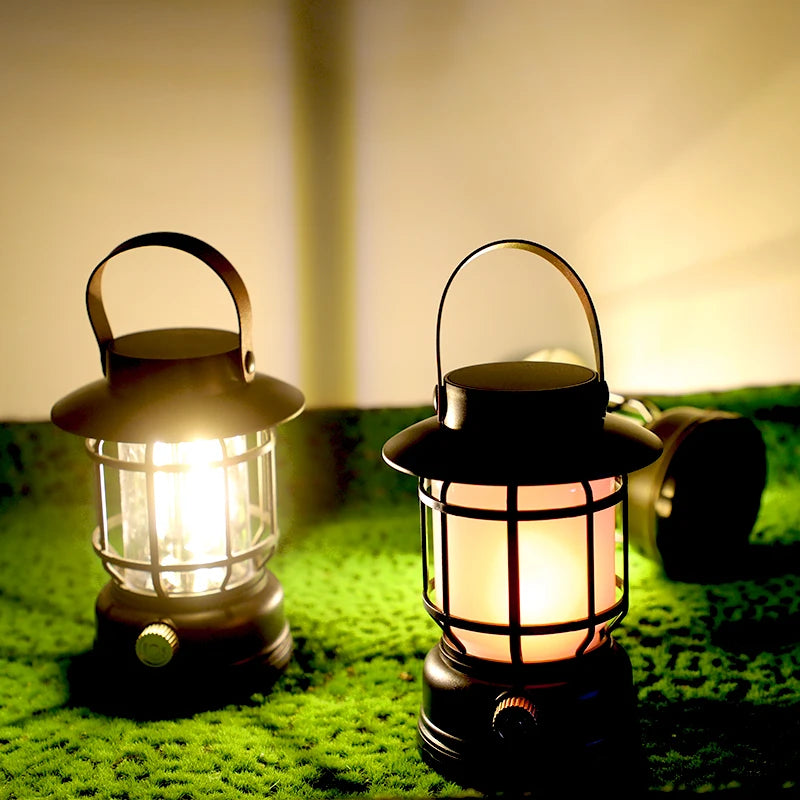
💡 See it in action
Why Smart Lighting Makes Camping More Comfortable
Good campsite lighting is not only about visibility. It also changes how comfortable and relaxing your camping experience feels after dark.
Campers with organized lighting setups often:
- Sleep better
- Feel safer at night
- Spend less time searching for gear
- Enjoy cooking and socializing longer
- Reduce campsite stress significantly
Simple improvements like pathway lighting or warm tent illumination can completely change how beginners experience nighttime camping.
Many outdoor travelers say thoughtful lighting transformed their confidence during overnight adventures because they felt more prepared and less anxious after sunset.
Frequently Asked Questions
What is the best way to position tent lights?
The best tent lighting camping setup uses layered lighting with soft interior illumination, directional task lighting for cooking, and low pathway lights near tent entrances and guy lines. Keeping lights below eye level helps reduce glare and improves nighttime visibility.
How do I avoid unsafe night visibility camping outdoors?
You can reduce unsafe night visibility camping outdoors by marking tent lines, using warm low-glare lighting, organizing gear before sunset, and carrying backup power sources. Layered lighting zones provide better visibility than relying on one bright lantern.
Are rechargeable lanterns better for camping?
Rechargeable lanterns are popular because they reduce disposable battery waste and simplify longer trips. Solar-compatible options are especially useful for multi-day camping where charging access may be limited.
What color light is best for camping at night?
Warm white lighting is often best because it reduces eye strain and preserves natural night vision better than harsh cool-white lighting. Warm light also creates a more comfortable campsite atmosphere.
What beginner camping lighting gear should I bring?
Beginner campers should bring a rechargeable lantern, a headlamp, spare batteries or power bank, and compact emergency lighting. Combining multiple small light sources usually works better than relying on one extremely bright lantern.
Pillar Article: How To Charge A Solar Light Faster While Camping
Other Related Articles:
- Hanging Camping Lamp Placement Tips For Better Tent Light
- Rechargeable Lantern For Power Outage Setup Made Simple
- Lighting For Camping Tents Without Waking Everyone Up
Explore More:





