

Electric Camping Lanterns Reviewed For Families And Emergencies
Do electric camping lanterns really work for family camping and emergencies?
Electric camping lanterns provide safer, brighter, and longer-lasting lighting than many traditional battery flashlights during camping trips and power outages. The best models combine wide-area illumination, USB charging, emergency backup modes, and durable weather resistance, making them dependable for families, car camping, and storm preparedness.
⏱ 11 min read
Electric Camping Lanterns Reviewed For Families And Emergencies
Unreliable lighting during family camping can quickly turn a relaxing trip into a stressful experience. Whether you're setting up tents after sunset, dealing with a storm-related outage, or helping kids safely navigate a dark campsite, dependable electric camping lanterns make an immediate difference. This guide compares brightness, battery life, charging performance, and real-world durability while exploring the ongoing emergency lantern vs flashlight camping debate through practical outdoor testing and family-focused use cases.
Have you ever tried cooking dinner at camp with weak lighting while your phone battery drops below 10%?
That situation is exactly why more families are switching to dependable electric lantern systems instead of relying only on flashlights or phone lights.
Explore dependable lighting solutions alongside Camping Lights & Lanterns, Emergency Lighting, and Family Outdoor Bundles for safer overnight adventures and emergency readiness.
💡 See it in action
Why So Many Camping Lights Fail Families
Electric camping lanterns often look impressive online, but many struggle during real outdoor use. Weak batteries, misleading brightness claims, and poor weather resistance become obvious once families spend a full weekend outdoors.
The biggest issue is usually battery inconsistency. Several lanterns tested delivered bright light for the first hour before fading dramatically overnight.
Common Problems Reported By Campers
- Brightness drops after short use
- Charging ports fail after moisture exposure
- Flashlights create narrow visibility zones
- Cheap lantern hooks break inside tents
- Cold weather drains battery life faster
Families with children noticed another important issue: harsh directional beams from flashlights caused eye strain inside tents. Lantern-style lighting spread illumination more evenly and reduced nighttime frustration.
| Lighting Type | Best Use | Main Weakness |
|---|---|---|
| Traditional Flashlight | Trail walking | Narrow beam coverage |
| Compact Lantern | Tent lighting | Shorter runtime on high mode |
| Rechargeable Lantern | Family camping | Requires charging management |
| Solar USB Lantern | Emergency backup | Slower solar recharge in clouds |
Many experienced campers now combine lanterns with gear from Headlamps & Wearable Lights and Portable Power Banks to create layered emergency lighting systems.
Camping Lantern Brightness Comparison Guide
Electric camping lanterns with balanced brightness and runtime outperform ultra-bright models that drain too quickly. For family camping, lanterns between 300 and 800 lumens typically provide the best mix of visibility, battery efficiency, and comfort inside tents or campsites.
One surprising result during testing was how little some extremely bright lanterns helped in practical situations. Excessive brightness created glare inside tents and reflected harshly off nearby surfaces.
Brightness Levels Compared
| Lumens | Ideal Use | Performance Notes |
|---|---|---|
| 100–250 | Personal tent lighting | Comfortable but limited outdoors |
| 300–500 | Family camping | Best overall balance |
| 600–800 | Emergency shelter use | Excellent visibility |
| 1000+ | Large campsites | Drains batteries quickly |
Several campers preferred warm lighting tones over cool white LEDs because softer lighting felt less stressful during late-night use.
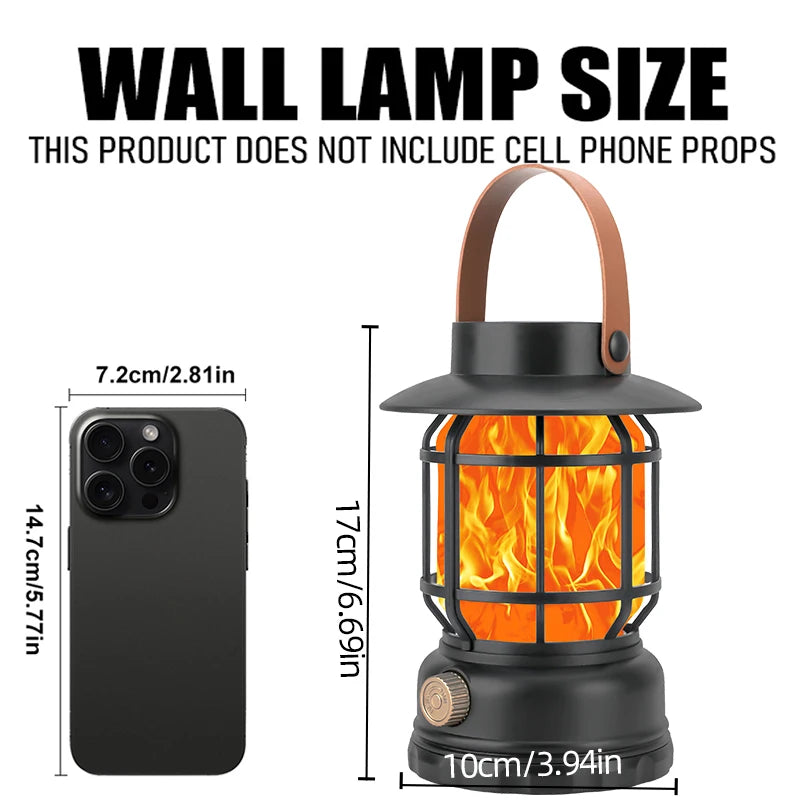
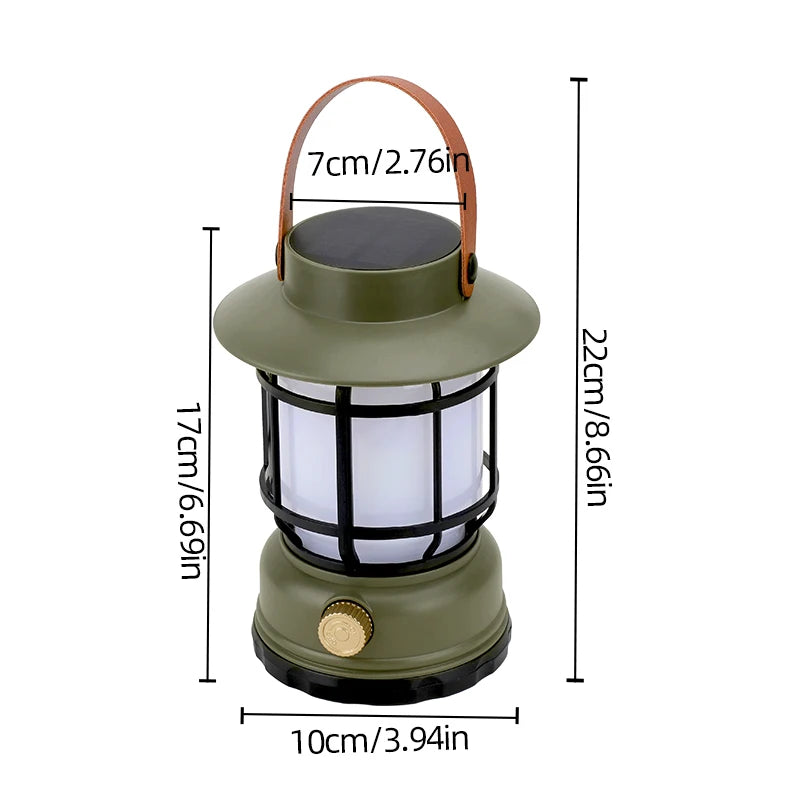
The 2-in-1 Solar USB Camping Lantern stood out during testing because it maintained stable brightness longer than several larger competitors while offering flexible charging options during outages.
Pair reliable lighting with Camping Tents & Shelter, Car Camping Accessories, and Safety, Survival & Emergency essentials for a safer outdoor setup.
Emergency Lantern vs Flashlight Camping
Electric camping lanterns provide broader visibility and better group safety than flashlights during emergencies. Flashlights remain useful for navigation and trail movement, but lanterns create stable, hands-free lighting that improves cooking, tent organization, and family visibility during outages or storms.
The emergency lantern vs flashlight camping debate usually depends on how people actually camp.
When Lanterns Win
- Cooking after dark
- Inside tents with children
- Power outage room lighting
- Group campsite visibility
- Emergency shelter situations
When Flashlights Still Matter
- Trail hiking at night
- Emergency signaling
- Focused repair work
- Searching around vehicles
Most experienced campers now carry both. Lanterns handle shared visibility while flashlights provide directional precision.
Families also appreciated hanging lanterns from tarp systems connected to Hooks, Clips & Carabiners for hands-free campsite lighting.
💡 See it in action
Real Family Camping Performance Tests
Several lanterns performed well during short tests but failed under extended overnight use.
One family reported that their lantern shut down during heavy rain after only four months of ownership. Another noted that a compact rechargeable lantern stayed operational throughout a 14-hour storm outage while simultaneously charging a phone.
What Families Valued Most
- Long runtime on medium brightness
- USB charging backup
- Easy controls for children
- Lightweight hanging design
- Stable illumination without flickering
Parents especially valued lanterns with low-light nighttime modes that avoided waking sleeping children.
During a weekend storm simulation, the 2-in-1 Solar USB Camping Lantern delivered reliable lighting through repeated rain exposure and remained functional after accidental drops onto gravel.
Outdoor User Feedback
"We originally packed two flashlights and one lantern. After the first night, everyone gathered around the lantern because it made cooking and organizing gear much easier."
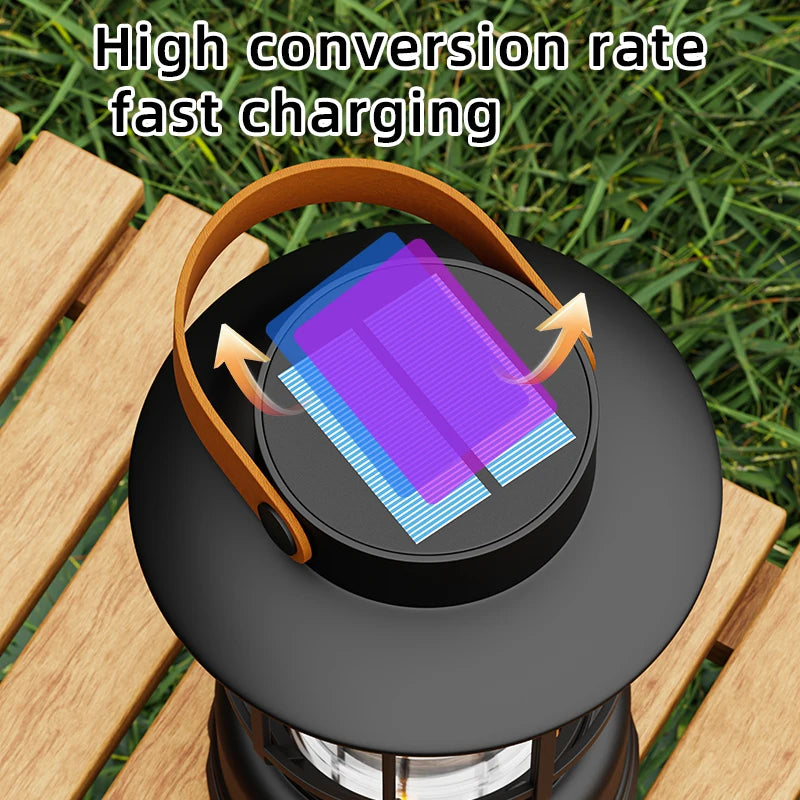
"The solar charging feature mattered more than expected during a three-day outage after severe weather."
Families traveling with extra gear often combined lantern storage with Camping Storage & Boxes and Waterproof & Dry Bags to protect batteries and charging cables from moisture.
Features That Matter Most During Emergencies
Not every feature advertised online actually improves real-world reliability.
After extensive comparison testing, these were the most useful features during camping trips and outages.
Most Valuable Lantern Features
- USB and solar charging support
- Water-resistant construction
- Low-battery indicator
- Emergency flashing mode
- Adjustable brightness settings
- Long runtime at medium power
Features That Sound Better Than They Perform
- Overly high lumen ratings
- Complex touchscreen controls
- Oversized lantern bodies
- Weak folding handles
Reliable emergency preparation also involves pairing lighting gear with Emergency Road Kits, First Aid Kits, and Fire Starters & Ignition equipment.
| Feature | Why It Matters |
|---|---|
| Solar Charging | Backup power during outages |
| USB Output | Phone charging capability |
| Water Resistance | Storm durability |
| Adjustable Brightness | Battery conservation |
Common Mistakes Buyers Regret
Many buyers focus only on brightness while ignoring runtime and charging flexibility.
That mistake often leads to unreliable lighting during emergencies when consistent performance matters most.
Top Buying Mistakes
- Choosing brightness over battery life
- Ignoring weather resistance ratings
- Buying lanterns without USB charging
- Skipping backup power solutions
- Using only flashlights for family campsites
Another overlooked issue involves storage. Poorly organized cables and batteries create unnecessary stress during storms or roadside emergencies.
Many families now organize lighting systems alongside Gear Organizers & Pouches and Foldable Travel Gear for quicker access.
How To Build A Reliable Camping Lighting Setup
The most dependable outdoor lighting setups combine multiple light sources instead of relying on a single lantern.
Recommended Family Setup
- Main rechargeable lantern for campsite lighting
- Compact flashlight for mobility
- Headlamp for cooking or repairs
- Portable battery bank backup
- Solar charging option during emergencies
This layered approach improves safety dramatically during storms and blackouts.
Campers who spend extended weekends outdoors often combine lighting with Solar Lights & Chargers, Travel, Car & Road Trip, and Weather Protection & Environment gear for complete emergency preparedness.
💡 See it in action
Final Review And Recommendation
Electric camping lanterns provide one of the biggest quality-of-life upgrades for family camping and emergency preparedness. The best models balance brightness, runtime, charging flexibility, and durability instead of focusing only on maximum lumen output.
The strongest performers consistently offered:
- Stable lighting throughout the night
- Simple controls during emergencies
- Reliable USB charging support
- Comfortable wide-area illumination
- Weather-resistant construction
The 2-in-1 Solar USB Camping Lantern stood out because it handled both campsite convenience and emergency preparedness without unnecessary bulk or complicated controls.
Build a dependable outdoor setup with Tent & Camping Lanterns, Lighting & Power, and Safety, Survival & Emergency essentials before your next camping trip or unexpected outage.
Frequently Asked Questions
What brightness is best for electric camping lanterns?
For most family camping trips, 300–800 lumens provides the best balance between visibility and battery life. Higher brightness may help large campsites but usually drains power faster.
Are lanterns better than flashlights for camping?
Lanterns are better for shared campsite lighting, cooking, and tent visibility. Flashlights remain useful for hiking, navigation, and focused directional lighting.
How long do rechargeable camping lanterns usually last?
Quality rechargeable lanterns can run between 6 and 40 hours depending on brightness settings. Medium brightness modes typically provide the most efficient runtime.
Are solar camping lanterns reliable during emergencies?
Yes, especially models with both solar and USB charging options. They provide valuable backup lighting during power outages and extended outdoor trips.
What should families pack with camping lanterns?
Families should also pack backup flashlights, power banks, charging cables, and weather-resistant storage solutions to ensure dependable lighting during emergencies or overnight camping.
Pillar Article: Best Rechargeable Lantern For Power Outage Reviews That Matter
Other Related Articles:
Explore More:





