

Rechargeable Headlamp Versus Regular Flashlight Guide
Rechargeable Headlamp Versus Regular Flashlight Guide
⏱ 9 min read
Does a rechargeable headlamp work better than a regular flashlight?
For most campers and hikers, the rechargeable headlamp versus regular flashlight debate comes down to convenience, safety, and battery efficiency. A rechargeable headlamp keeps both hands free, spreads light more evenly on trails, and reduces gear bulk, while traditional flashlights still work well for focused beams and emergency backup use.
Choosing between a rechargeable headlamp and a traditional flashlight sounds simple until you’re hiking a dark trail, cooking dinner at camp, or digging through gear in heavy rain. The wrong lighting tool can slow you down, drain batteries quickly, and make nighttime tasks frustrating. This guide compares both options side by side so outdoor travelers, campers, backpackers, and road trip adventurers can decide which setup delivers the best visibility, comfort, and reliability for real outdoor conditions.
What gear actually makes camping easier when temperatures drop, trails get muddy, and visibility disappears after sunset? Most outdoor travelers eventually discover that flashlight limits movement during camping more than expected, especially while setting up tents or climbing uneven terrain.
👉 Discover must-have camping gear for safer overnight adventures.
Camping & Picnic and Lighting & Power collections include practical equipment designed for camping, hiking, and emergency outdoor use.
💡 See it in action
Why Headlamps Are Changing Camping
The biggest reason outdoor travelers are switching to rechargeable headlamps is mobility. Whether you’re filtering water, adjusting tent stakes, preparing meals, or climbing steep trails, both hands remain available for balance and safety.
Many experienced backpackers now prefer lightweight wearable lighting systems because they reduce packing weight while improving nighttime visibility. A modern rechargeable led headlamp for camping can easily illuminate trails, campsites, and gear storage areas without requiring bulky lanterns.
- Hands stay free while hiking or cooking
- Weight distribution feels lighter than carrying flashlights
- Rechargeable batteries reduce disposable battery waste
- Wide flood beams improve peripheral visibility
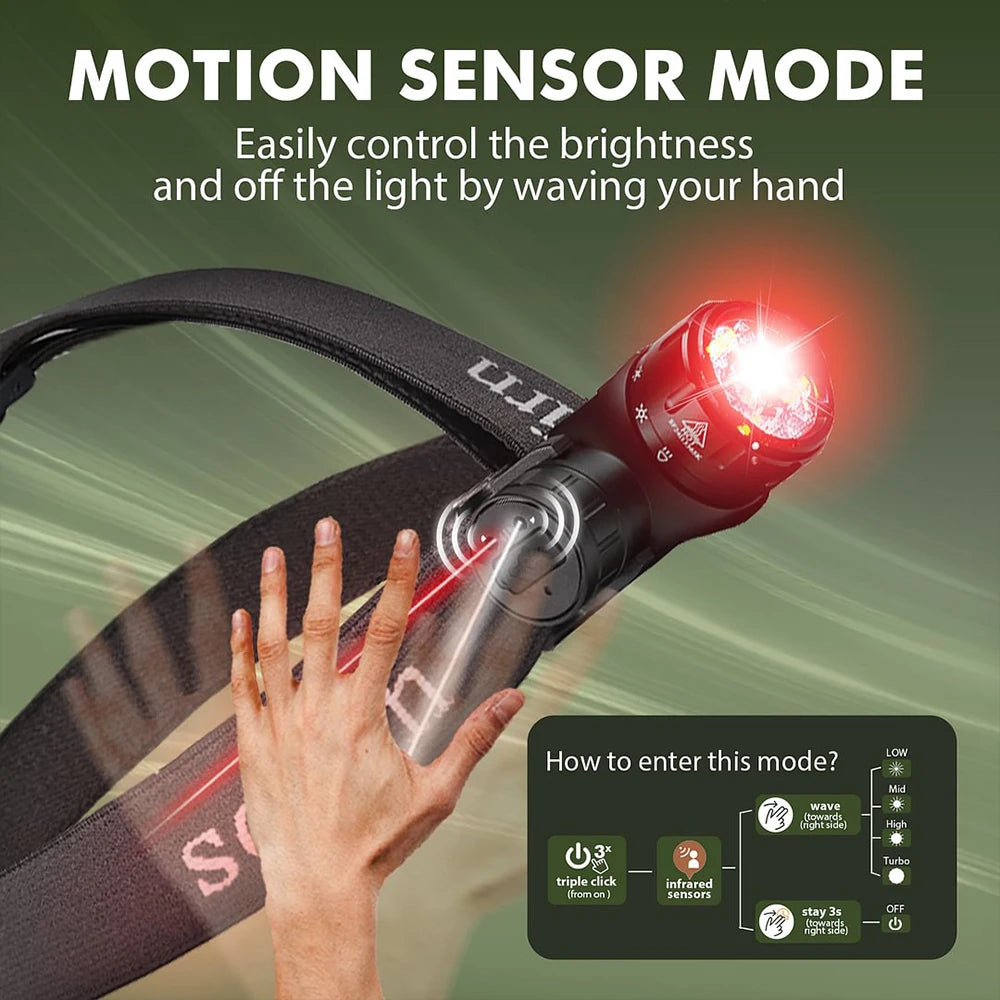
- Motion sensor activation helps in wet or cold weather
Campers pairing lighting tools with gear from Headlamps & Wearable Lights and Lightweight Daypacks often report easier night movement and less strain during long-distance hikes.
Rechargeable Headlamp Versus Regular Flashlight Comparison
In the rechargeable headlamp versus regular flashlight comparison, headlamps perform better for hiking, campsite setup, and multitasking because they provide hands free lighting for night hiking and reduce movement restrictions. Flashlights remain useful for emergency backup, long-distance spotlighting, and vehicle storage where focused beams matter more than mobility.
| Feature | Rechargeable Headlamp | Regular Flashlight |
|---|---|---|
| Hands-Free Use | Excellent | Limited |
| Trail Visibility | Wide beam coverage | Narrow focused beam |
| Comfort During Long Hikes | Lightweight and balanced | Hand fatigue possible |
| Battery Management | USB rechargeable | Often disposable batteries |
| Emergency Vehicle Use | Good | Excellent |
| Cooking At Camp | Very practical | Awkward one-handed use |
| Cold Weather Handling | Easy with gloves | Can slip or require grip |
Outdoor travelers using Portable Power Banks alongside USB rechargeable headlamps can often recharge lighting gear multiple times during multi-day trips.
Why Hands Free Lighting Makes Night Hiking Safer
One major problem with handheld flashlights is uneven body movement. When the beam swings with your arm motion, shadows shift constantly across rocks, roots, and slippery terrain.
Hands free lighting for night hiking solves this issue by keeping illumination aligned with eye direction. That alignment improves depth perception and helps reduce ankle injuries on uneven trails.
Situations Where Headlamps Perform Better
- Crossing rocky trails after sunset
- Setting up tents during storms
- Cooking while carrying utensils or cookware
- Climbing hills with trekking poles
- Searching backpacks during emergencies
Many hikers combine lighting gear with equipment from Waterproof & Dry Bags and Weather Protection & Environment collections for safer overnight trekking.
One backpacker review from a Colorado hiking group described switching from a flashlight to a waterproof camping headlamp as “the difference between cautiously walking and confidently moving.”
👉 Learn how to choose the right hiking gear before your next overnight trip.
Explore compact essentials inside Backpacking & Carry and Safety, Survival & Emergency collections.
When Regular Flashlights Still Make Sense
Despite the advantages of headlamps, flashlights still have a place in outdoor travel. Larger handheld lights often produce stronger spotlight beams for long-distance visibility.
Car campers and emergency road travelers may also prefer keeping a flashlight in glove compartments or storage boxes for quick access.
Best Situations For Traditional Flashlights
- Vehicle emergency kits
- Long-range signaling
- Home power outages
- Fishing or boating trips
- Backup lighting during storms
Travelers organizing emergency gear often combine flashlights with Emergency Road Kits and Car Organizers & Storage solutions.
Still, flashlight limits movement during camping because one hand stays occupied constantly. That becomes frustrating while climbing, carrying gear, or managing wet equipment.

💡 See it in action
Best Features To Look For In Rechargeable Headlamps
Not every headlamp performs equally outdoors. The best rechargeable headlamp for camping balances brightness, comfort, weather resistance, and battery life without adding unnecessary weight.
| Feature | Why It Matters Outdoors |
|---|---|
| USB Rechargeable Battery | Reduces disposable battery dependence |
| Motion Sensor Activation | Hands-free switching during rain or gloves |
| Waterproof Housing | Improves reliability in storms |
| Adjustable Beam Modes | Balances flood and spotlight use |
| Long Battery Runtime | Supports overnight trips |
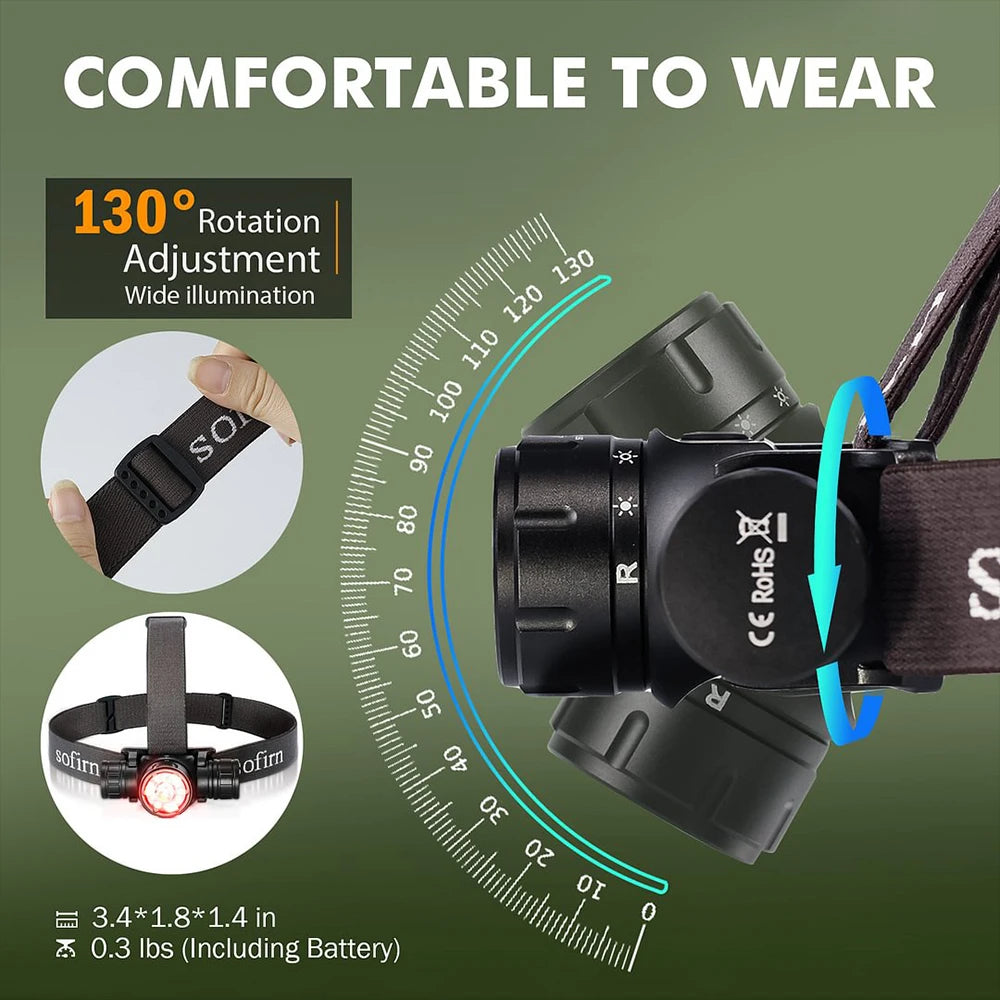
| Lightweight Design | Reduces neck strain during hikes |
The Rechargeable LED Headlamp 2000LM Motion Sensor stands out for campers needing wide illumination, motion activation, and strong battery performance during overnight adventures.
Many users looking for top rechargeable headlamps for backpacking prioritize comfort over extreme brightness. A balanced beam often works better than an ultra-powerful spotlight that drains power too quickly.
Which Lighting Tool Fits Different Camping Styles?
Backpacking Trips
Backpackers usually benefit most from rechargeable headlamps because every ounce matters. Compact wearable lighting frees storage space and improves trail mobility.
Pairing lighting gear with Compression & Packing Bags keeps equipment organized while reducing backpack clutter.
Car Camping
Car campers often carry both tools. A flashlight helps around vehicles while a headlamp improves campsite setup and cooking efficiency.
Gear from Car Camping Accessories and Tent & Camping Lanterns can complement wearable lighting systems.
Trail Running And Fast Hiking
Runners need stable lighting that moves naturally with body motion. Headlamps dramatically outperform handheld flashlights during fast movement.
Many night runners combine lighting systems with Running Belts & Packs and Gloves & Protective Gear.
How Battery Life Changes Outdoor Performance
Battery performance matters more than many new campers realize. A weak lighting system can turn a simple overnight trip into a stressful experience.
Rechargeable systems help travelers avoid carrying large packs of spare batteries. Long battery headlamp designs also improve reliability during cold weather conditions where disposable batteries drain faster.
Tips For Extending Headlamp Battery Life
- Use low beam modes around camp
- Reserve turbo mode for trail navigation
- Carry a compact power bank
- Recharge before temperatures drop overnight
- Use red light modes when possible
Outdoor travelers preparing for longer expeditions often browse Solar Lights & Chargers and Emergency Lighting for backup solutions.
One common mistake is buying the brightest light available without considering runtime. Extremely high lumen settings may only last a short time before dimming.
👉 Get yours now before your next trip!
See how the Rechargeable LED Headlamp 2000LM Motion Sensor handles trails, campsites, rain, and overnight outdoor adventures.
How To Pack Lighting Gear More Efficiently
Efficient packing improves comfort during hiking and camping trips. Instead of carrying multiple bulky flashlights, many outdoor travelers now use one rechargeable headlamp plus a small backup flashlight.
This setup reduces pack weight while still providing redundancy during emergencies.
Recommended Camping Lighting Setup
- Main rechargeable headlamp for hiking and camp tasks
- Compact flashlight for backup emergencies
- USB power bank for recharging
- Dry storage bag for electronics
- Lantern for group campsite lighting
Campers building lightweight systems often explore Camping Lights & Lanterns, Hooks, Clips & Carabiners, and Foldable Travel Gear collections.
💡 See it in action
Which Option Is Better For Most Outdoor Travelers?
For most campers, hikers, backpackers, and road trip travelers, rechargeable headlamps deliver better versatility and convenience than traditional flashlights. They improve mobility, increase safety, reduce hand fatigue, and simplify nighttime tasks.
Flashlights still work well as emergency backups or long-distance spotlights, but hands free lighting for night hiking continues to make headlamps the preferred option for active outdoor adventures.
If your trips involve hiking trails, setting up camp after sunset, cooking outdoors, or managing gear in poor weather, a rechargeable headlamp usually becomes the more practical long-term solution.
FAQ
Are rechargeable headlamps better than regular flashlights for camping?
Rechargeable headlamps are usually better for camping because they provide hands-free lighting, improve mobility, and make cooking, hiking, and tent setup easier at night.
Why does a flashlight limit movement during camping?
A flashlight occupies one hand continuously, which can affect balance, climbing ability, cooking tasks, and trail safety during nighttime outdoor activities.
What is the best hands free lighting for camping?
The best hands free lighting for camping is typically a lightweight rechargeable headlamp with adjustable beam settings, waterproof protection, and long battery runtime.
Should hikers carry both a headlamp and flashlight?
Many experienced hikers carry a rechargeable headlamp as the primary light source and a compact flashlight as backup emergency lighting.
How long should a camping headlamp battery last?
A reliable camping headlamp should provide several hours on medium brightness and enough reserve power for overnight outdoor use or emergencies.
Pillar Article: Best Rechargeable Headlamp For Camping Compared
Other Related Articles:
- Brightest Rechargeable Headlamp Picks For Dark Trails
- Motion Sensor Headlamp Review For Hiking Trips
- Lightweight Headlamp Reviews For Trail Runners
- Best Usb C Charging Headlamp Options Ranked
Explore More:





