

Lightweight Headlamp Reviews For Trail Runners
Are lightweight headlamps worth it for trail runners?
Lightweight headlamp reviews for trail runners consistently show that lighter models improve comfort, reduce neck fatigue, and make night runs feel more natural. A lightweight aluminum outdoor led headlamp with balanced brightness, long battery life, and motion sensor controls helps runners handle poor visibility while trail running night conditions more safely and comfortably.
Lightweight Headlamp Reviews For Trail Runners
⏱ 8 min read
Motion sensor headlamp review for hiking starts with one simple question: are hands-free controls actually useful on the trail? This guide breaks down how to use motion sensor headlamp features without accidental triggers, compares spotlight performance in rough conditions, and explains which settings actually matter when the trail gets dark, uneven, and unpredictable.
Ever started a trail run feeling confident, only to realize halfway through that poor visibility while trail running night sections makes every rock, root, and turn harder to judge?
For many runners, the problem is not brightness alone. Heavy gear bounces, battery life drops unexpectedly, and bulky straps create pressure after an hour on the move. A heavy headlamp causes neck discomfort faster than most runners expect.
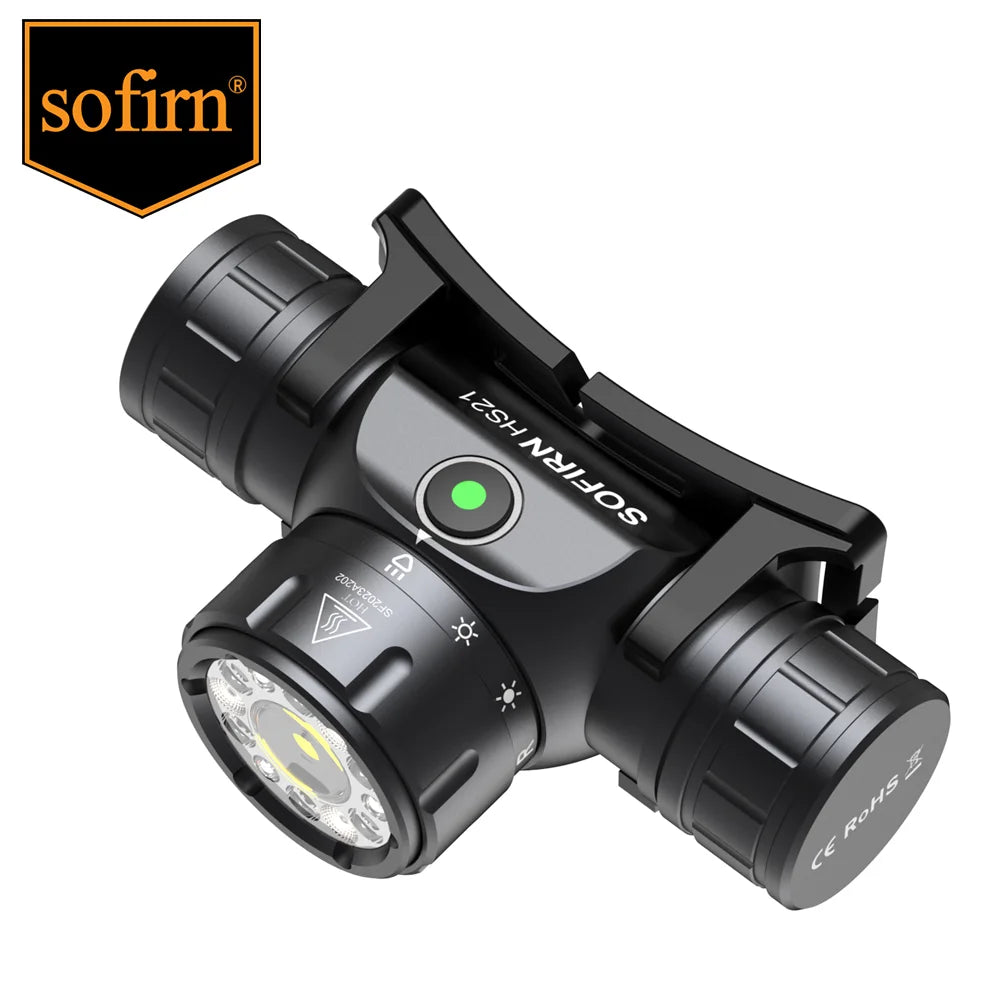
Explore the rechargeable motion sensor headlamp
💡 See it in action
Why Lightweight Headlamps Matter During Long Trail Runs
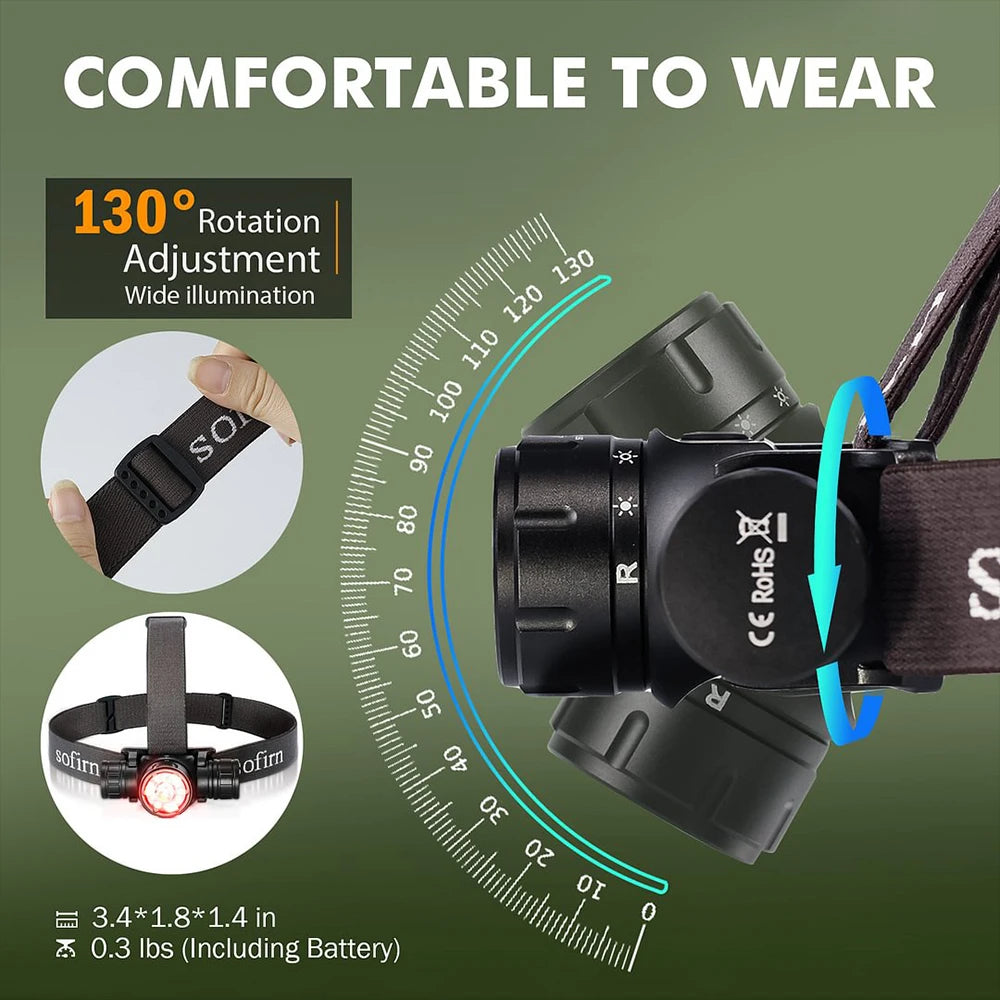
Lightweight headlamp reviews for trail runners often highlight comfort before brightness because lighter designs reduce forehead pressure, neck strain, and bouncing during technical runs. A lightweight aluminum outdoor led headlamp also improves stability on uneven terrain, helping runners maintain focus and rhythm during longer night sessions.
Many runners assume more lumens automatically mean better performance. In reality, balance matters more.
A headlamp that feels stable during mile one may become distracting by mile six. Sweat, rain, and repetitive movement expose flaws quickly.
Common Problems Trail Runners Notice
- Front-heavy lamps slipping during descents
- Battery packs bouncing behind the head
- Overheating around the forehead
- Poor beam spread on switchbacks
- Limited runtime during cold weather
Trail runners training on rocky terrain usually prefer lighter builds with wide flood beams instead of oversized spotlights.
That is why many athletes browsing Headlamps & Wearable Lights compare comfort ratings before maximum brightness numbers.
Quick Comparison Of Popular Headlamp Features
| Feature | Why It Matters | Best Use Case |
|---|---|---|
| Motion Sensor Controls | Hands-free operation while moving | Cold weather or gloves |
| Wide Flood Beam | Improves peripheral visibility | Technical trails |
| Spotlight Mode | Long-distance visibility | Fast descents |
| Rechargeable Battery | Reduces replacement costs | Frequent runners |
| Waterproof Housing | Protects during rain and mud | Mountain trails |
| Lightweight Aluminum Body | Reduces fatigue | Long-distance running |
One experienced ultrarunner described switching to a lighter rechargeable hiking headlamp as “the first time I forgot I was even wearing one.”
How Motion Sensor Controls Improve Night Running
Motion sensor controls allow runners to activate or deactivate the lamp with a hand wave instead of touching buttons. This feature becomes especially useful in rain, freezing weather, or muddy conditions when traditional controls are harder to use safely during movement.
At first, some runners think motion controls sound unnecessary. Then they try adjusting brightness while climbing a steep hill with gloves on.
That changes opinions quickly.
How To Use Motion Sensor Headlamp Features Effectively
- Enable sensor mode before entering technical terrain
- Keep gestures close to the sensor area
- Use lower brightness during climbs to save battery
- Disable motion controls during crowded aid stations
- Lock settings during transport to avoid accidental activation
Motion sensors work best when combined with adjustable beam patterns. Many runners use flood mode uphill and spotlight mode during downhill sections.
For runners packing extra gear, pairing lighting with lightweight storage from Running Belts & Packs helps distribute weight more comfortably.
See how motion sensor controls work during night runs
Best Headlamp Settings For Night Hiking And Running
Using maximum brightness constantly drains batteries faster and can reduce depth perception on reflective surfaces. Most trail runners benefit from medium brightness settings combined with occasional spotlight bursts for technical terrain or route scanning.
Recommended Settings By Situation
| Trail Condition | Recommended Setting | Why It Helps |
|---|---|---|
| Flat forest trail | Low flood beam | Saves battery |
| Rocky technical sections | Medium-wide beam | Improves footing visibility |
| Steep descents | Spotlight boost | Better distance viewing |
| Fog or rain | Lower brightness | Reduces glare |
| Group running | Balanced medium beam | Avoids blinding others |
Runners dealing with poor visibility while trail running night conditions often discover that beam shape matters more than raw power.
Some of the best-performing setups combine a comfortable hands free headlamp with backup lighting from Emergency Lighting during long endurance events.

💡 See it in action
Comfort Vs Brightness: What Trail Runners Prefer
Lightweight headlamp reviews for trail runners repeatedly show that comfort influences overall satisfaction more than ultra-high brightness. Runners typically prefer stable, lightweight models with moderate brightness over oversized lamps that create forehead pressure or neck strain after extended use.
Heavy headlamp causes neck discomfort problems usually appear during runs lasting more than 90 minutes.
That discomfort affects posture, concentration, and even stride efficiency.
Pros And Cons Of Ultra-Bright Headlamps
| Pros | Cons |
|---|---|
| Excellent long-distance visibility | Higher weight |
| Useful for technical descents | Shorter battery runtime |
| Strong spotlight performance | More forehead pressure |
| Helpful during emergencies | Can overheat during long runs |
Most recreational runners benefit more from efficient beam design than oversized power output.
This is especially true during humid summer runs where comfort becomes critical.
How Waterproof Performance Changes Real-World Use
Trail conditions change fast. Rain starts unexpectedly. Fog thickens near ridgelines. Mud splashes upward during descents.
A waterproof camping light is not only for camping anymore. Trail runners increasingly prioritize weather resistance because electronics fail quickly when exposed to repeated moisture.
Why Waterproof Ratings Matter
- Protects charging ports during rain
- Improves durability on muddy trails
- Prevents flickering during storms
- Reduces corrosion over time
- Supports year-round running conditions
One overnight trail racer shared that their waterproof rechargeable hiking headlamp survived heavy rain while multiple handheld lights failed before sunrise.
Runners preparing for changing weather often combine lighting gear with protection from Weather Protection & Environment and emergency backup supplies from Safety, Survival & Emergency.
Trail Running Gear That Works Better With A Headlamp
A great headlamp becomes even more effective when paired with lightweight support gear.
Useful Gear Pairings For Night Trail Runs
- Lightweight Daypacks for carrying backup layers
- Portable Power Banks for charging during ultras
- Collapsible Water Bottles to reduce pack bulk
- Gloves & Protective Gear for cold-weather grip and warmth
- Waterproof & Dry Bags to protect electronics in rain
What gear actually makes trail running easier?
Usually, it is not one expensive item. It is a system where comfort, visibility, hydration, and storage all work together without distraction.
Who Benefits Most From Lightweight Headlamps
Not every runner needs the same lighting setup.
Best For These Types Of Runners
- Ultrarunners training before sunrise
- Trail runners navigating wooded terrain
- Campers mixing hiking with night runs
- Travelers needing compact rechargeable lighting
- Runners sensitive to forehead pressure
A lightweight aluminum outdoor led headlamp fits especially well for runners who value mobility and comfort over oversized battery packs.
Users consistently mention that hands-free controls, stable fit, and reduced bouncing improve confidence on uneven trails.
For runners who camp before races or overnight trail events, gear from Camping Lights & Lanterns and Car Camping Accessories helps create a more reliable setup from trailhead to campsite.
💡 See it in action
Why This Rechargeable Headlamp Stands Out For Trail Runners
The rechargeable motion sensor headlamp combines lightweight comfort, waterproof durability, adjustable beam settings, and hands-free controls in a compact design built for active outdoor use. Trail runners looking for better visibility without bulky equipment often prefer this balance of comfort, runtime, and stability.
- Lightweight fit reduces long-run discomfort
- Rechargeable battery supports repeated training sessions
- Motion sensor activation works with gloves or wet hands
- Spotlight mode improves visibility on technical terrain
- Compact design fits easily into running packs
Shop the rechargeable LED motion sensor headlamp now
FAQ
What is the ideal weight for a trail running headlamp?
Most trail runners prefer headlamps under 150 grams because lighter models reduce bouncing and neck fatigue during long-distance runs.
How bright should a trail running headlamp be?
For most night trails, 200 to 500 lumens works well. Technical descents or remote mountain terrain may require higher spotlight output temporarily.
Are motion sensor headlamps useful for runners?
Yes. Motion sensor controls allow hands-free operation, which helps during rain, cold weather, or technical climbs where stopping to press buttons becomes inconvenient.
Why do some headlamps feel uncomfortable after long runs?
Heavy headlamp causes neck discomfort because front-loaded weight creates constant strain during repetitive movement. Lightweight balanced designs reduce this issue.
What is the best headlamp setting for foggy trails?
Lower brightness settings with a wider beam usually work better in fog because high-output spotlight modes can create glare and reduce visibility.
Pillar Article: Best Rechargeable Headlamp For Camping Compared
Other Related Articles:
- Brightest Rechargeable Headlamp Picks For Dark Trails
- Motion Sensor Headlamp Review For Hiking Trips
- Best Usb C Charging Headlamp Options Ranked
- Rechargeable Headlamp Versus Regular Flashlight Guide
Explore More:





