

Best Rechargeable Headlamp For Camping Compared
Rechargeable Headlamp Versus Regular Flashlight Guide
⏱ 8 min read
Does a Rechargeable Headlamp Work Better Than a Flashlight?
A rechargeable headlamp versus regular flashlight comparison usually comes down to mobility, comfort, and battery efficiency. For camping, backpacking, and night hiking, a headlamp often provides safer hands free lighting, wider beam coverage, and easier movement across trails, campsites, and emergency situations without constantly occupying one hand.
Best rechargeable headlamp for camping shoppers often overlook battery life, beam distance, and comfort until a trip goes wrong. This comparison breaks down the top rechargeable headlamps for backpacking, explains every must-know feature in our guide to rechargeable hiking headlamps, and reveals why a rechargeable led headlamp for camping can outperform bulkier lanterns in rain, cold, and long overnight hikes. Which model delivers the brightest beam without draining power too fast?
Picture this: you are setting up camp after sunset while balancing tent poles, cookware, and a backpack. Suddenly, the flashlight limits movement during camping because one hand stays occupied the entire time. What gear actually makes camping easier?
For many outdoor travelers, switching to hands free lighting for night hiking changes everything. Whether you are cooking, navigating rough trails, or searching inside a tent, a lightweight rechargeable headlamp can make nighttime outdoor tasks faster and safer.
👉 Discover must-have camping gear before your next outdoor trip.
💡 See it in action
Rechargeable Headlamp Versus Regular Flashlight Comparison
A rechargeable headlamp versus regular flashlight decision depends on how you move outdoors. Headlamps keep both hands free for hiking, cooking, climbing, or setting camp, while flashlights usually provide stronger focused beams for quick inspections, emergency use, or vehicle repairs.
Traditional flashlights still work well in certain situations. Many campers keep one inside their vehicle or emergency bag. However, once trails get uneven or tasks require both hands, the benefits of wearable lighting become obvious.
Key Advantages of Rechargeable Headlamps
- Hands free lighting for night hiking and camp setup
- Better weight distribution during long treks
- USB charging compatibility with power banks
- Wide-angle beam options for campsite visibility
- Comfortable for running, climbing, and fishing
- Compact storage inside lightweight hiking gear kits
Where Flashlights Still Perform Well
- Focused long-distance beam performance
- Simple emergency backup lighting
- Easy handheld control for quick use
- Useful for vehicle maintenance or roadside repairs
Many experienced campers now combine both tools. A rechargeable led headlamp for camping handles movement and tasks, while a flashlight stays in storage as a backup light source.
| Feature | Rechargeable Headlamp | Regular Flashlight |
|---|---|---|
| Hands-Free Use | Excellent | Limited |
| Trail Navigation | Wide beam coverage | Focused beam |
| Comfort During Hiking | Lightweight and wearable | Must be carried |
| Battery Convenience | USB rechargeable | Often disposable batteries |
| Emergency Backup | Good | Very good |
Why Hands Free Lighting Makes Camping Easier
The biggest reason campers upgrade to wearable lights is simple convenience. Flashlight limits movement during camping because one hand always stays occupied. That becomes frustrating when carrying firewood, cooking dinner, adjusting gear, or climbing rocky trails after dark.
Backpackers especially notice the difference during multi-day hikes. Fatigue increases at night, and stable lighting improves balance and visibility.
One backpacker shared that switching to a rechargeable headlamp reduced setup time at camp because both hands remained free while unpacking tents and securing tarps in windy conditions.
For families, wearable lighting also helps supervise children around campsites safely.
👉 Learn how to choose the right hiking gear for safer outdoor adventures.
Lightweight Daypacks | Camping Tents & Shelter | Safety, Survival & Emergency
Feature Comparison Table for Campers and Hikers
- Choose rechargeable lighting for trips longer than one night.
- Look for waterproof ratings if rain is possible.
- Select adjustable brightness to preserve battery life.
- Use red-light modes to improve nighttime visibility without glare.
- Carry backup charging equipment for extended trips.
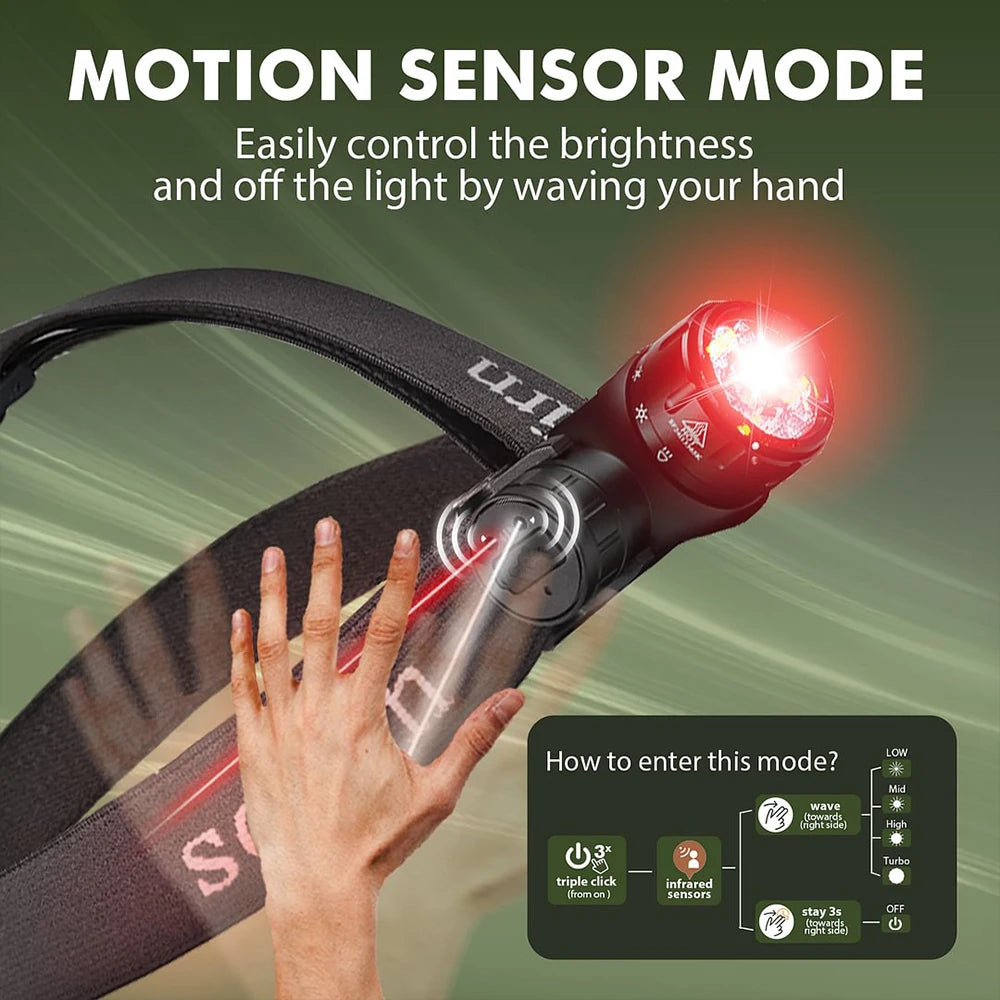
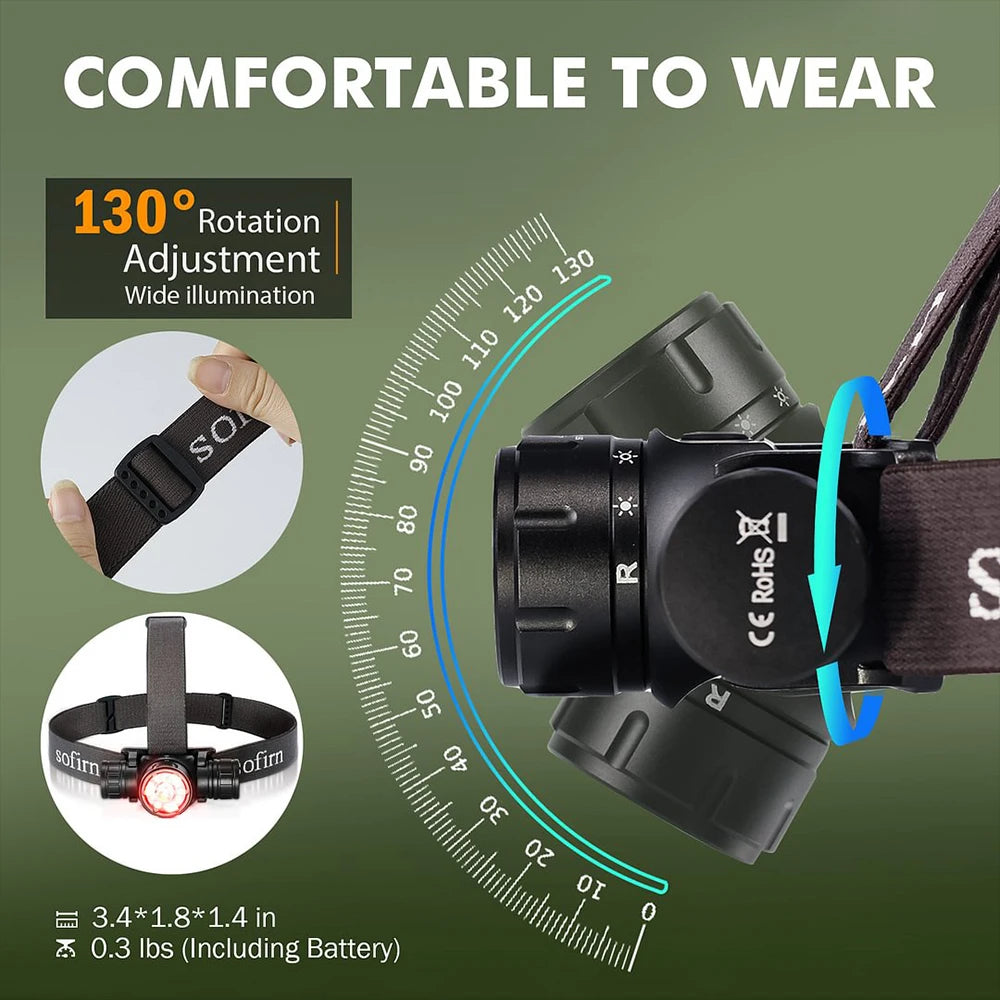
Modern rechargeable headlamps now include motion sensors, adjustable beams, and lightweight straps designed for all-night comfort. Pairing them with Portable Power Banks helps extend battery life during remote camping.

💡 See it in action
Best Situations for Each Lighting Option
When Rechargeable Headlamps Work Best
- Night hiking on uneven trails
- Cooking at camp after sunset
- Fishing or climbing activities
- Setting up tents in low light
- Emergency nighttime navigation
Many campers pair headlamps with Tent & Camping Lanterns for better campsite visibility.
When Flashlights Make More Sense
- Vehicle emergency kits
- Quick home power outages
- Focused inspection tasks
- Backup lighting storage
Car campers often store a flashlight alongside Emergency Road Kits for roadside situations.
How Battery Performance Impacts Overnight Trips
Battery life becomes critical once temperatures drop or hikes extend beyond expected timelines. Disposable batteries may weaken quickly in cold weather, while rechargeable lithium systems often provide more stable output.
The best rechargeable headlamp for camping should balance brightness and runtime. Some ultra-bright models drain too fast when used continuously on maximum settings.
What to Look for in Long Battery Headlamps
- Minimum 6-10 hours runtime on medium mode
- USB-C charging support
- Battery indicators for remaining power
- Low-power emergency mode
- Comfortable heat management
Many hikers now combine rechargeable lights with Solar Lights & Chargers during extended outdoor trips.
If you frequently camp in remote areas, keeping extra gear organized inside Gear Organizers & Pouches prevents charging cables and accessories from getting lost.
Why Lightweight Gear Matters on Long Hikes
Every ounce matters during backpacking trips. A heavy flashlight may seem manageable initially, but hours of carrying gear changes that perspective fast.
Top rechargeable headlamps for backpacking usually weigh far less than traditional handheld lights while delivering broader visibility. Adjustable head straps also reduce pressure points during long wear.
Outdoor runners and hikers often prefer low-profile headlamps because they stay stable during movement.
| Outdoor Activity | Recommended Lighting | Reason |
|---|---|---|
| Backpacking | Rechargeable headlamp | Hands-free comfort |
| Car camping | Headlamp + lantern | Wide campsite lighting |
| Road emergencies | Flashlight | Focused beam control |
| Trail running | Lightweight headlamp | Stability while moving |
Campers focused on reducing pack weight also explore Compression & Packing Bags and Waterproof & Dry Bags for better organization.
How Waterproof Lighting Improves Safety Outdoors
Weather changes quickly outdoors. Rain, fog, and freezing temperatures can damage low-quality lighting gear.
A waterproof camping headlamp gives hikers better reliability during storms and river crossings. Many rechargeable models now include weather-resistant sealing designed for rough outdoor use.
Pairing wearable lighting with Rain Ponchos & Capes and Weather Protection & Environment gear improves safety during unexpected weather shifts.
Campers also report that wider headlamp beams reduce trip hazards compared to narrow flashlight beams on muddy or rocky terrain.
Common Lighting Mistakes Campers Make
- Using maximum brightness all night and draining batteries
- Forgetting backup charging options
- Choosing heavy gear for long hikes
- Ignoring waterproof ratings
- Bringing only one light source
Experienced hikers recommend carrying at least two lighting options during remote trips. A rechargeable headlamp paired with compact emergency lighting creates better redundancy.
Keeping essentials together inside Camping Storage & Boxes also speeds up nighttime setup.
👉 Get yours now before your next trip!
Recommended Camping Lighting Setup
For most outdoor travelers, the ideal setup includes:
- A rechargeable led headlamp for camping
- A compact flashlight backup
- A campsite lantern
- A portable charging solution
- Waterproof storage for electronics
Combining wearable lights with Camping Lights & Lanterns creates balanced visibility for cooking, relaxing, and nighttime safety.
Many campers also pair headlamps with Fire Starters & Ignition tools for easier setup after dark.
💡 See it in action
Which Lighting Option Is Better for Outdoor Adventures?
For most campers, hikers, and backpackers, rechargeable headlamps provide the better overall experience because they improve mobility, comfort, and safety. Flashlights still have value for emergency kits and backup use, but hands free lighting for night hiking delivers a major advantage once trails, weather, or campsite tasks become challenging.
Choosing the right lighting setup depends on your trip style, weather conditions, and how much gear you carry. The best outdoor systems often combine wearable lighting with reliable backup solutions.
Frequently Asked Questions
Is a rechargeable headlamp better than a regular flashlight for camping?
For most camping situations, rechargeable headlamps work better because they provide hands-free lighting, wider visibility, and easier movement around campsites and trails.
Why does a flashlight limit movement during camping?
A flashlight occupies one hand continuously, making it harder to cook, pitch tents, climb terrain, or carry equipment safely at night.
What is the best hands free lighting for camping?
A lightweight rechargeable headlamp with adjustable brightness, waterproof protection, and long battery life is usually the best option for camping.
Are rechargeable headlamps good for backpacking?
Yes. Top rechargeable headlamps for backpacking are compact, lightweight, USB rechargeable, and designed for extended outdoor use.
How long should a camping headlamp battery last?
For overnight trips, a quality headlamp should provide at least 6-10 hours of runtime on medium brightness settings.
Related Articles:
- Brightest Rechargeable Headlamp Picks For Dark Trails
- Motion Sensor Headlamp Review For Hiking Trips
- Lightweight Headlamp Reviews For Trail Runners
- Best Usb C Charging Headlamp Options Ranked
- Rechargeable Headlamp Versus Regular Flashlight Guide
Pillar Articles:





