

Best Lanterns For Backpacking: Light Weight Gear That Performs
Best Lanterns For Backpacking: Light Weight Gear That Performs
What Are the Best Lanterns for Backpacking?
The best lanterns for backpacking combine lightweight construction, long battery life, durable weather resistance, and reliable brightness for campsites and trails. Backpackers benefit most from compact rechargeable lanterns that balance portability with dependable illumination, especially during multi-day hikes, emergencies, and unpredictable outdoor conditions.
⏱ 12 min read
Finding the best lanterns for backpacking can completely change how you experience the outdoors. Whether you're setting up camp after sunset, cooking dinner beside your tent, or searching through gear in the middle of the night, dependable lighting matters. Lightweight lanterns now offer powerful brightness, rechargeable batteries, and weather-resistant durability without adding bulk to your backpack. If you've ever struggled with weak lights, dead batteries, or oversized camping gear, you're not alone. The right lantern solves those frustrations while making every camping trip safer and more comfortable.
👉 Discover must-have camping gear before your next outdoor adventure.
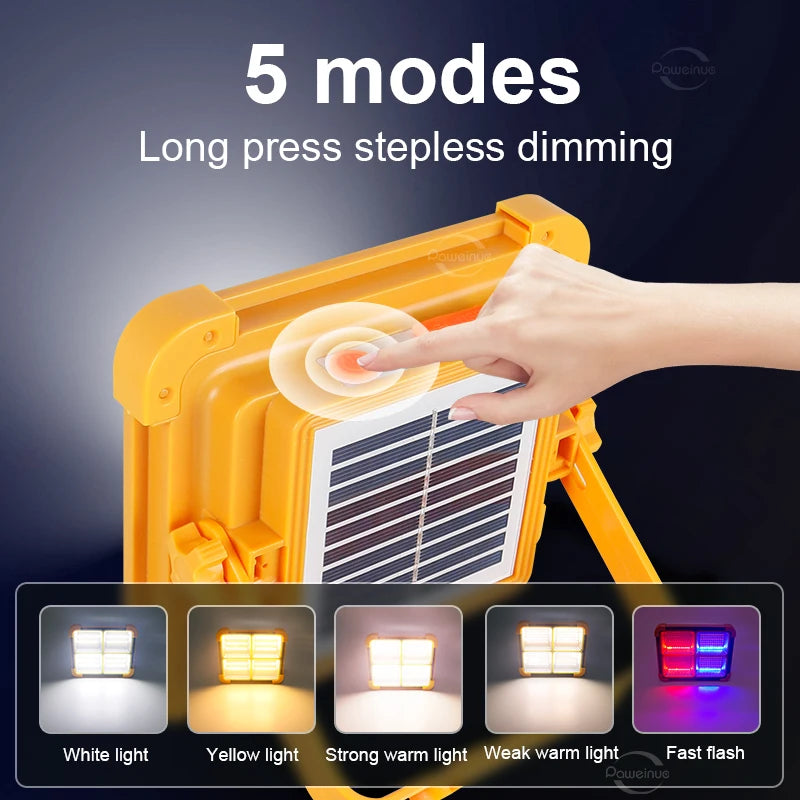
💡 See it in action
Why Lightweight Lanterns Matter on Backpacking Trips
The best lanterns for backpacking reduce pack weight while still providing dependable illumination for campsites, trail navigation, cooking, and emergencies. Lightweight lanterns improve comfort during long hikes, conserve backpack space, and help backpackers avoid unnecessary fatigue without sacrificing safety or visibility during nighttime outdoor activities.
Every ounce matters when you're carrying gear over steep terrain. Backpackers constantly balance comfort, safety, and pack weight. A bulky lantern might offer strong brightness, but it quickly becomes frustrating during long-distance hikes.
Modern backpacking lanterns solve this problem by combining:
- Compact foldable designs
- Rechargeable battery systems
- High-efficiency LED lighting
- Weather-resistant construction
- Multi-mode brightness settings
What gear actually makes camping easier? Lighting consistently ranks among the most important tools experienced hikers refuse to compromise on.
Imagine arriving at camp after sunset. Your tent still needs setup, food needs preparation, and temperatures are dropping fast. Reliable lighting prevents mistakes, reduces stress, and creates a more enjoyable campsite atmosphere.
| Lighting Problem | How Lightweight Lanterns Help |
|---|---|
| Heavy backpack load | Compact rechargeable models reduce weight |
| Short battery life | USB and solar charging extend usability |
| Weak campsite visibility | Adjustable LED brightness improves coverage |
| Rain and harsh weather | Water-resistant materials protect performance |
| Limited packing space | Foldable lantern bodies save room |
Many backpackers also pair lanterns with gear from Lightweight Daypacks and Compression & Packing Bags to maximize organization without overloading their packs.
How to Choose Camping Lantern Brightness
The best lanterns for backpacking usually provide between 100 and 400 lumens depending on trip style and campsite needs. Lower brightness works for solo tent use and preserving battery life, while higher lumens are better for group campsites, cooking, and emergency visibility during outdoor adventures.
One of the biggest mistakes hikers make is assuming brighter always means better.
In reality, brightness should match your environment.
Understanding Lumens for Backpacking
| Lumens | Best Use |
|---|---|
| 50–100 | Inside tents and close-range tasks |
| 100–250 | Solo backpacking campsites |
| 250–400 | Group camps and cooking areas |
| 400+ | Emergency lighting and large campsites |
Too much brightness can actually create glare inside tents and drain batteries quickly.
Most experienced hikers prefer adjustable lighting modes that allow them to switch between:
- Low-energy nighttime settings
- Bright cooking illumination
- Emergency SOS flashing modes
- Warm ambient camp lighting
Balancing Brightness and Battery Life
Long-distance backpackers often prioritize battery efficiency over maximum output. A lantern capable of running all night at moderate brightness can outperform brighter models with shorter runtimes.
Rechargeable options also pair well with Portable Power Banks for extended trips away from electrical outlets.
- Use low brightness while inside tents
- Switch to high output only when needed
- Recharge during daytime breaks
- Carry backup charging cables in waterproof storage
👉 Learn how to choose the right hiking gear for safer nighttime adventures.
Best Features to Look for in Backpacking Lanterns
Not all camping lanterns are built for backpacking.
The best lanterns for backpacking focus on practical performance in unpredictable environments.
Rechargeable Battery Systems
Disposable batteries add extra weight and cost over time. Rechargeable lanterns simplify long trips and reduce waste.
A durable outdoor led lantern rechargeable model is especially useful for:
- Multi-day hiking trips
- Remote campsites
- Emergency preparedness
- Car camping transitions
Solar-compatible lanterns provide extra peace of mind during extended outdoor travel.
Many backpackers also combine them with gear from Solar Lights & Chargers and Emergency Lighting.
Weather Resistance Matters
Unexpected rainstorms happen fast outdoors.
Look for lanterns with:
- Water-resistant housing
- Shockproof materials
- Dust-resistant seals
- Stable hanging hooks
Even careful hikers experience wet trails, river crossings, or humid campsites.
Compact Size and Packability
The best backpacking lanterns compress easily inside packs without wasting valuable space.
Popular lightweight setups often include:
Simple organization helps hikers access lighting quickly after dark instead of digging through crowded gear bags.
Hands-Free Convenience
Lanterns with hanging loops or magnetic bases improve campsite functionality.
Hikers commonly suspend lanterns inside tents, attach them to tree branches, or hang them above cooking stations for better visibility.
| Feature | Benefit |
|---|---|
| Magnetic base | Attaches to vehicles or metal surfaces |
| Foldable design | Saves backpack space |
| USB charging | Easy recharging on trips |
| Solar charging | Backup power outdoors |
| Hanging hook | Improves campsite lighting angles |
Comparing Lantern Types for Different Adventures
Choosing between lantern styles depends on your camping habits.
Solo Backpacking Lanterns
Solo hikers usually prioritize:
- Ultra-lightweight construction
- Compact storage
- Long runtime
- Rechargeable convenience
Smaller lanterns often outperform larger models because they reduce fatigue over long hiking distances.
Group Camping Lanterns
Larger groups benefit from wider light spread and stronger brightness settings.
Campers frequently pair lanterns with products from Camping Tents & Shelter and Folding Chairs & Tables to create comfortable evening gathering spaces.
Car Camping and Road Trips
Car campers have more flexibility with lantern size and power output.
Rechargeable lanterns become especially valuable during:
- Roadside emergencies
- Late-night campsite setup
- Family camping trips
- Power outages
Travelers often keep backup lighting alongside Emergency Road Kits and Car Camping Accessories.
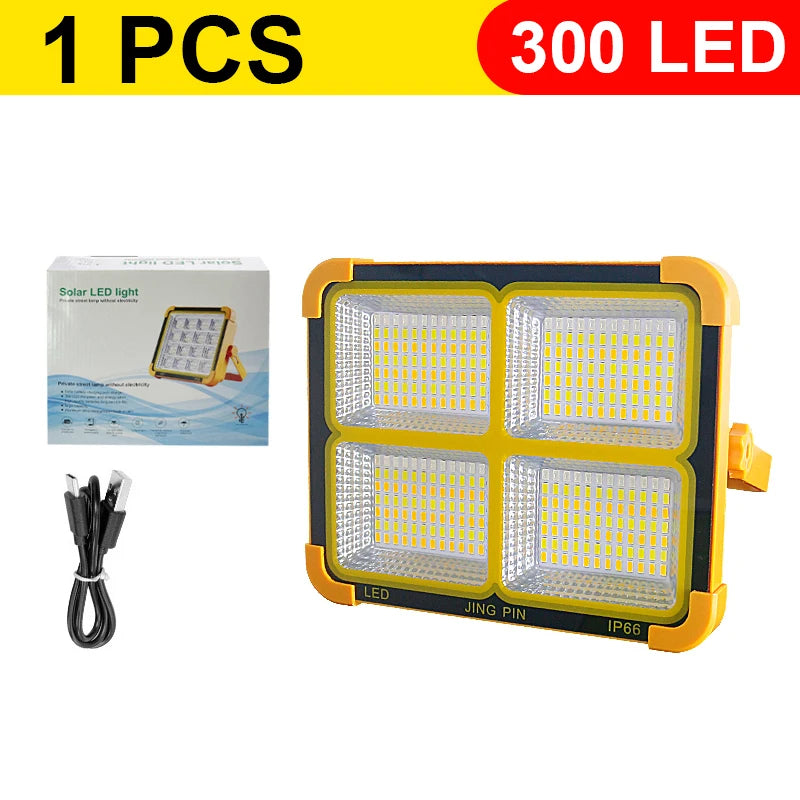
💡 See it in action
Portable Lighting Tips for Camping Trips
Portable lighting tips for camping trips can dramatically improve safety, visibility, and campsite comfort. Smart lighting placement, battery management, and layered illumination help backpackers conserve power while creating reliable nighttime visibility for cooking, navigation, emergency situations, and relaxing around camp.
Even high-quality lanterns perform better when used strategically.
Layer Your Campsite Lighting
Experienced campers rarely rely on a single light source.
A practical lighting setup often includes:
- Main lantern for campsite illumination
- Headlamp for trail movement
- Emergency backup flashlight
- Small tent light for nighttime reading
Pairing lanterns with Headlamps & Wearable Lights creates flexible nighttime visibility.
Preserve Battery Life
- Dim lights during quiet camp hours
- Recharge during daylight whenever possible
- Store lanterns in dry conditions
- Avoid unnecessary maximum brightness use
- Turn off lights fully before sleeping
Simple habits extend lantern lifespan significantly during multi-day trips.
Position Lighting Correctly
Placing lanterns too low often creates harsh shadows.
Hanging lanterns slightly above eye level improves visibility while reducing glare.
Many campers use:
- Tent loops
- Tree branches
- Carabiners
- Camp table hooks
These small adjustments make campsites feel safer and more organized.
Why Durable Outdoor LED Lantern Rechargeable Models Stand Out
The best lanterns for backpacking increasingly rely on rechargeable LED systems because they deliver brighter illumination, longer runtimes, and lower long-term costs. Durable outdoor LED lantern rechargeable designs also improve reliability during storms, emergencies, and extended wilderness trips where battery replacement options are limited.
Modern LED technology changed outdoor lighting completely.
Compared to older lantern styles, LED systems provide:
- Lower power consumption
- Cooler operating temperatures
- Longer lifespan
- More compact design options
- Improved durability outdoors
Outdoor Travelers Share Their Experiences
Jake, Colorado: “I switched to a rechargeable lantern during a four-day hiking trip and immediately noticed how much lighter my pack felt without spare batteries.”
Melissa, Oregon: “Our campsite got hit by heavy rain overnight. The lantern stayed bright the entire time and helped us reorganize gear safely.”
Chris, Utah: “The adjustable brightness settings made a huge difference. We used low light inside the tent and brighter settings while cooking.”
Why Rechargeable Lanterns Save Money Long-Term
| Traditional Battery Lanterns | Rechargeable LED Lanterns |
|---|---|
| Frequent battery replacement | USB or solar recharging |
| Higher long-term cost | Lower maintenance expenses |
| More waste | Eco-friendly operation |
| Heavier backup battery storage | Lighter travel setup |
| Inconsistent brightness | Stable LED illumination |
Many backpackers now treat rechargeable lighting as an essential part of modern camping systems.
👉 Get yours now before your next trip!
Upgrade your backpacking setup with reliable rechargeable lighting
Real Backpacking Scenarios Where Lanterns Matter Most
Late Arrival at Camp
You underestimated hiking time.
Now darkness is setting in fast.
A dependable lantern helps you:
- Pitch tents safely
- Avoid gear loss
- Cook dinner efficiently
- Prevent injuries on uneven ground
Campers often combine lighting with Ground Sheets & Tarps and Fire Starters & Ignition for smoother campsite setup.
Stormy Weather Conditions
Heavy rain changes everything outdoors.
Reliable waterproof lighting becomes critical when visibility drops and temperatures fall.
Many hikers keep lanterns stored inside Waterproof & Dry Bags to protect electronics from sudden storms.
Nighttime Emergencies
Minor injuries, missing gear, and trail confusion become more dangerous after dark.
Strong lighting supports:
- First aid treatment
- Emergency signaling
- Safer navigation
- Faster gear access
Backpackers often pair lanterns with First Aid Kits and Emergency Whistles & Signals.
Family and Group Camping
Families especially appreciate bright, stable campsite lighting.
Children feel safer with illuminated campsites, while adults enjoy easier cooking and organization after sunset.
Popular family setups often include:
Backpacking Lantern Packing Checklist
Preparing your lighting system before departure prevents unnecessary stress outdoors.
Essential Backpacking Lighting Kit
- Rechargeable lantern
- Charging cable
- Portable power bank
- Backup headlamp
- Waterproof storage pouch
- Small carabiner for hanging
Smart Packing Habits for Lantern Protection
- Store lanterns away from sharp gear
- Use padded organizers when possible
- Keep charging accessories dry
- Fully charge devices before departure
- Test brightness modes before trips
Many hikers use Camping Storage & Boxes and Gear Organizers & Pouches to avoid tangled cables and misplaced batteries.
Gear That Works Better With Backpacking Lanterns
The best lanterns for backpacking become even more effective when paired with smart camping gear.
Comfortable Sleeping Systems
Nighttime visibility improves comfort inside tents and sleeping areas.
Popular companion gear includes:
Camp Cooking Setups
Lanterns help hikers safely prepare meals after dark.
Campers commonly pair lighting with:
Hydration and Water Safety
Nighttime water collection and campsite organization become easier with dependable lighting.
Helpful additions include:
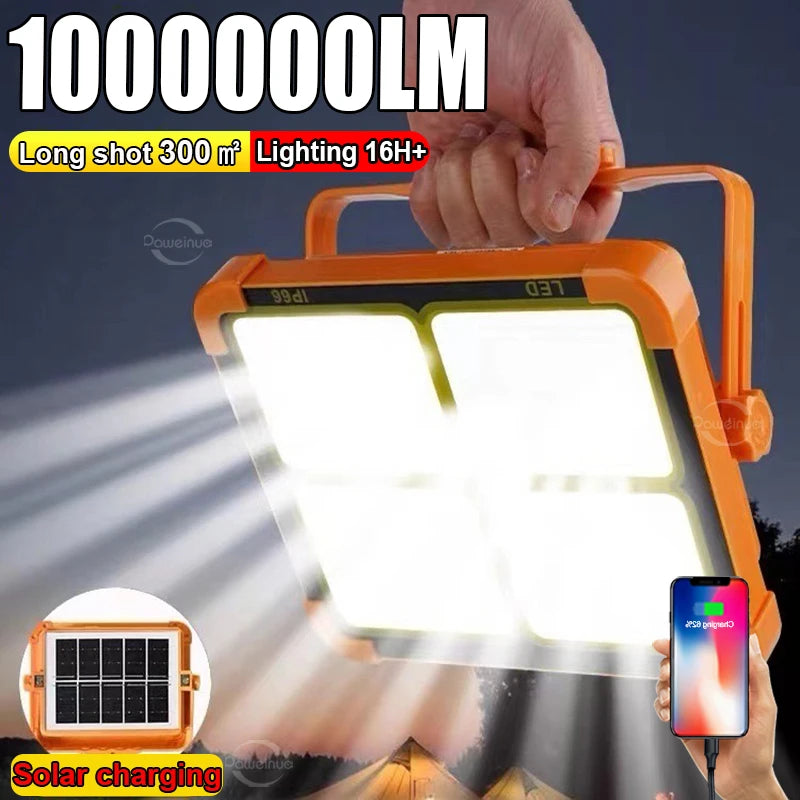
💡 See it in action
Why the Right Backpacking Lantern Changes Every Outdoor Trip
The best lanterns for backpacking do more than provide light.
They improve campsite safety, reduce stress, simplify organization, and make outdoor adventures more enjoyable from sunset to sunrise.
Whether you're navigating dark trails, preparing meals after sunset, or relaxing inside your tent during heavy rain, dependable lighting becomes one of the most valuable pieces of gear you carry.
Modern rechargeable lanterns offer the perfect balance of portability, durability, and efficiency for hikers who want reliable performance without extra bulk.
For backpackers focused on comfort, convenience, and preparedness, investing in a lightweight lantern is one upgrade that pays off immediately on every trip.
Frequently Asked Questions
What brightness is best for backpacking lanterns?
Most backpackers prefer lanterns between 100 and 400 lumens. Lower settings work well inside tents, while higher brightness helps with cooking, group campsites, and emergencies.
Are rechargeable lanterns better for camping?
Rechargeable lanterns reduce long-term battery costs, lower pack weight, and simplify multi-day trips. Many hikers also prefer solar-compatible models for extended outdoor adventures.
How long should a camping lantern battery last?
A quality backpacking lantern should provide at least 8–20 hours of runtime depending on brightness settings. Lower light modes usually extend battery performance significantly.
Can backpacking lanterns handle rain?
Many modern backpacking lanterns feature water-resistant or weatherproof construction designed for rain, humidity, and outdoor exposure during camping trips.
What is the advantage of LED lanterns for hiking?
LED lanterns provide brighter illumination, lower power consumption, cooler operation, and longer lifespan compared to older lantern technologies, making them ideal for backpacking.
Should I carry both a lantern and a headlamp?
Yes. Lanterns provide campsite lighting, while headlamps offer hands-free visibility during hiking, cooking, or nighttime movement around camp.
Related Articles:
- Camping Power Sources: How To Keep Gear Charged Outdoors
- Solar Lantern Not Working? Fix Dim Or Dead Solar Lights Fast
Pillar Articles:





