

Solar Lantern Not Working? Fix Dim Or Dead Solar Lights Fast
Solar Lantern Not Working? Fix Dim Or Dead Solar Lights Fast
⏱ 8 min read
Why Is My Solar Lantern Not Working?
Solar lantern not working problems are usually caused by weak charging conditions, worn solar lantern batteries, dirty panels, or incorrect storage habits. Most dim or dead lanterns can recover quickly with proper charging, battery care, and emergency solar lantern USB charging backup methods that restore brightness during camping trips or power outages.
A solar lantern suddenly going dark during a campsite dinner or emergency blackout can ruin comfort fast. Whether your lantern barely glows, stops charging, or drains overnight, the good news is that most issues are easy to fix. With the right charging habits, battery maintenance, and backup power options, you can keep reliable outdoor lighting ready for camping, hiking, road trips, and emergency preparedness.
Have you ever packed for a weekend trip only to discover your lantern barely works after sunset?
Reliable lighting changes everything outdoors. Camp setup becomes easier, meals feel safer, and nighttime navigation improves dramatically when your lantern performs consistently.
👉 Discover must-have camping gear before your next outdoor adventure.
Camping Lights & Lanterns and Solar Lights & Chargers help campers stay prepared for changing weather and unexpected darkness.
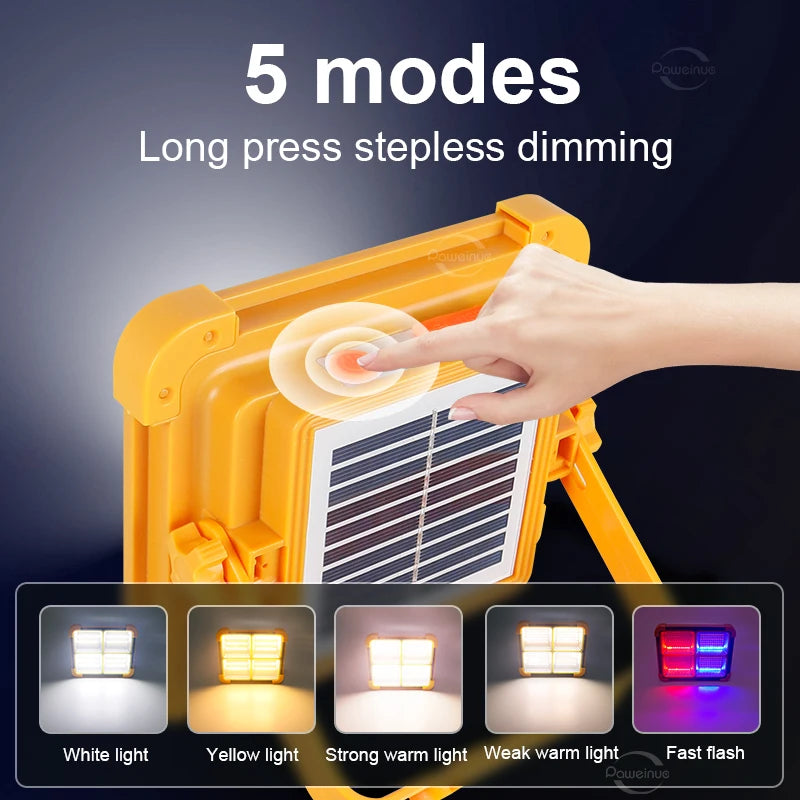
💡 See it in action
Common Reasons Solar Lanterns Stop Working
Solar lanterns are durable, but outdoor conditions create wear over time. Understanding the most common failures helps you restore brightness faster.
Dirty Solar Panels Reduce Charging Efficiency
Dust, pollen, mud, and fingerprints block sunlight surprisingly fast. Even a thin layer of dirt can reduce charging performance significantly.
- Wipe panels weekly with a soft microfiber cloth
- Avoid harsh cleaning chemicals
- Store lanterns away from oily cooking areas
- Keep panels uncovered during charging
Improper Sunlight Positioning
Many campers leave lanterns under trees, inside tents, or behind vehicle windows. Direct sunlight matters more than charging time alone.
For best results:
- Place lanterns facing midday sun
- Avoid shaded campsites during charging
- Rotate panels toward sunlight every few hours
- Charge before sunset rather than overnight indoors
Old Solar Lantern Batteries
Rechargeable batteries lose capacity naturally after repeated charging cycles. If brightness fades quickly after a full charge, aging batteries may be the issue.
| Battery Warning Sign | Likely Cause | Recommended Fix |
|---|---|---|
| Lantern dims rapidly | Battery aging | Replace rechargeable cells |
| No charging indicator | Battery connection issue | Check contacts for corrosion |
| Works only on USB | Solar charging failure | Clean or inspect panel |
| Short runtime | Partial charging habits | Allow full sunlight charging |
Many experienced campers now carry backup lighting from Emergency Lighting collections to avoid unexpected failures during storms or overnight hikes.
How to Charge Lantern With Solar Correctly
Learning how to charge lantern with solar panels properly helps prevent weak brightness and short runtimes. Correct charging improves battery efficiency, extends lantern lifespan, and helps maintain reliable illumination during camping trips, roadside emergencies, and blackout situations where dependable lighting matters most.
Charging mistakes are one of the biggest reasons people think their lantern is broken when it actually just needs better sunlight exposure.
Best Charging Conditions for Maximum Brightness
- Use direct outdoor sunlight whenever possible
- Avoid charging through windows
- Keep solar panels cool and ventilated
- Charge fully before storing the lantern
- Do not leave batteries empty for long periods
How Long Should Solar Lanterns Charge?
Most portable lanterns require 6–10 hours of strong sunlight for a complete charge. Cloud cover, winter daylight, and shaded campsites can increase charging time dramatically.
Travelers often pair lanterns with Portable Power Banks to maintain reliable power during long road trips and rainy weekends.
👉 Learn how to choose reliable outdoor power gear for unpredictable weather.
The right combination of Lighting & Power and Emergency Road Kits can make overnight travel safer and less stressful.
Real Camping Scenario: Why Placement Matters
A family camping near a wooded lake noticed their lantern stayed dim every evening. The issue was simple: the lantern sat under dense tree cover all day.
After moving the panel into open sunlight for several hours, brightness improved enough to illuminate their entire picnic table and cooking area.
This small adjustment prevented unnecessary battery replacement and saved frustration during the trip.
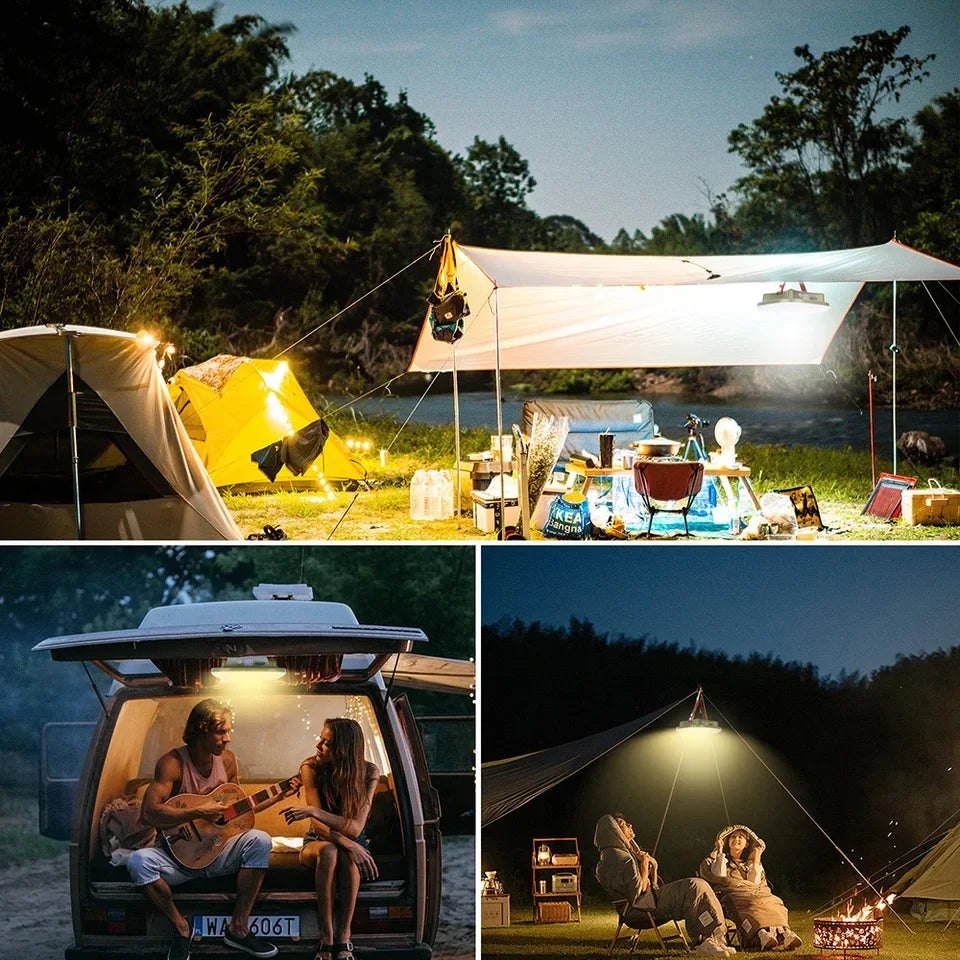
💡 See it in action
How Better Battery Care Extends Lantern Life
Solar lantern batteries last much longer when maintained properly. Smart charging habits help preserve brightness and reduce sudden failures during outdoor trips.
Best Practices for Solar Lantern Batteries
- Recharge batteries before complete discharge
- Store lanterns in cool, dry spaces
- Avoid leaving lanterns in hot vehicles
- Use lanterns regularly to keep battery chemistry active
- Inspect terminals for rust or corrosion
Signs You Need Replacement Batteries
If your lantern still struggles after proper solar charging, replacement batteries may be necessary.
Common warning signs include:
- Brightness fades within minutes
- Charging indicators stop responding
- Lantern overheats during charging
- Battery compartment shows leakage
- USB charging works inconsistently
Outdoor travelers who depend on reliable nighttime visibility often combine lanterns with Headlamps & Wearable Lights for backup illumination during hikes or campsite setup.
Why Emergency Solar Lantern USB Charging Matters
Emergency solar lantern USB charging provides a reliable backup when sunlight conditions are poor. USB charging helps restore brightness quickly during storms, winter camping, long road trips, or blackout situations where solar panels alone cannot recharge batteries fast enough for overnight use.
USB backup charging has become essential for travelers who face changing weather conditions.
When USB Charging Becomes Essential
- Rainy multi-day camping trips
- Heavy cloud cover
- Emergency home outages
- Roadside vehicle breakdowns
- Winter camping with short daylight hours
Why Multi-Charging Lanterns Perform Better
Lanterns that support both solar and USB charging provide more flexibility. Users can collect solar energy during the day and recharge rapidly overnight from portable power sources.
The 20000mAh Solar Rechargeable Camping Lantern is especially useful for campers who want reliable backup charging alongside outdoor solar performance.
| Charging Method | Best Use Case | Main Advantage |
|---|---|---|
| Solar Charging | Sunny outdoor trips | Renewable daytime energy |
| USB Charging | Storms and emergencies | Faster recovery charging |
| Power Bank Backup | Extended travel | Reliable overnight lighting |
Many long-distance travelers now keep backup charging accessories from Car Camping Accessories and Travel, Car & Road Trip collections for emergency preparedness.
Tips for Long Lasting Camp Lighting Outdoors
Tips for long lasting camp lighting can dramatically improve outdoor comfort and safety. Smart lighting habits reduce battery drain, improve nighttime visibility, and help campers avoid unexpected darkness during hiking trips, tent setup, meal preparation, and emergency weather conditions in remote locations.
Reduce Unnecessary Brightness Levels
High brightness drains power quickly. Use lower settings during casual campsite activities and reserve maximum brightness for emergencies.
Combine Multiple Light Sources
Experienced campers rarely depend on one lantern alone.
A balanced setup may include:
- Main solar lantern
- Compact headlamp
- Emergency flashlight
- USB power bank backup
- Vehicle charging adapter
Store Lighting Gear Correctly
Improper storage ruins many lanterns long before the batteries naturally wear out.
Use protective organizers from Gear Organizers & Pouches or moisture-resistant options from Waterproof & Dry Bags to protect charging components during travel.
Real User Feedback From Weekend Campers
One road trip traveler reported that switching from disposable battery lanterns to solar rechargeable models reduced packing stress and improved nighttime visibility around camp.
Another camper found that pairing a lantern with gear from Ground Sheets & Tarps protected electronics during unexpected rainstorms and extended battery reliability throughout the weekend.
👉 Get reliable outdoor lighting before your next trip starts.
Explore dependable solutions from Tent & Camping Lanterns, Safety, Survival & Emergency, and Solar Lights & Chargers.
Quick Troubleshooting Comparison Table
| Problem | Fastest Solution | Prevention Tip |
|---|---|---|
| Lantern will not turn on | Recharge via USB | Keep batteries partially charged |
| Weak light output | Clean solar panel | Avoid dusty storage |
| Battery drains overnight | Replace old cells | Avoid full discharge cycles |
| Poor solar charging | Move to direct sunlight | Charge outdoors regularly |
| Moisture damage | Dry completely before use | Store in waterproof bags |
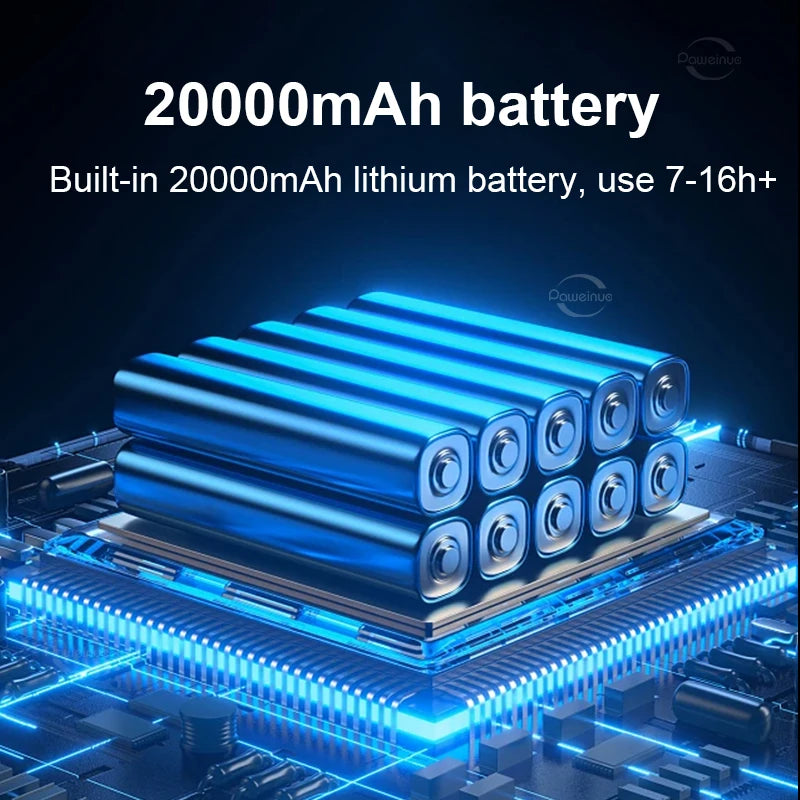
💡 See it in action
How Outdoor Travelers Build Reliable Lighting Setups
Reliable lighting systems usually combine multiple tools rather than relying on a single device.
Campers preparing for longer adventures often combine:
- Solar lanterns for general campsite lighting
- Portable charging backups
- Emergency flashlights
- Weather protection gear
- Compact organization systems
Pairing lighting gear with products from Weather Protection & Environment and Camping & Picnic collections creates a more dependable outdoor experience during unpredictable weather.
Reliable lighting also improves safety for families camping with children, especially when paired with products from Family, Kids & Group and Safety Gear for Kids.
Frequently Asked Questions
Why is my solar lantern not working after storage?
Solar lanterns often lose power after long storage because batteries slowly discharge over time. Recharge the lantern fully in direct sunlight or through USB charging before assuming the unit is damaged.
How do I charge a lantern with solar panels faster?
Place the lantern outdoors in direct midday sunlight without window barriers or shade. Clean the panel surface regularly and rotate the lantern toward the sun for maximum charging efficiency.
How long do solar lantern batteries usually last?
Most rechargeable solar lantern batteries last between two and five years depending on usage, charging habits, storage temperature, and overall maintenance.
Can emergency solar lantern USB charging damage the battery?
No, USB charging is safe when using compatible cables and power sources. Many modern lanterns are designed specifically for dual charging methods.
What helps camp lighting last longer overnight?
Lower brightness settings, proper daytime charging, backup power banks, and multiple lighting sources all help extend nighttime illumination during camping trips.
Pillar Article: Best Lanterns For Backpacking: Light Weight Gear That Performs
Other Related Articles:
Explore More:





