

Best Campsite Lights: Features That Make Night Camping Safer
What Are the Best Campsite Lights for Safer Night Camping?
The best campsite lights combine adjustable brightness, long battery life, weather resistance, and reliable charging options for safer outdoor adventures. A durable outdoor LED lantern rechargeable model helps reduce accidents, improves campsite visibility, and keeps your group comfortable during late-night cooking, hiking, or emergencies.
Best Campsite Lights: Features That Make Night Camping Safer
⏱ 12 min read
The best campsite lights do more than brighten a tent. They help prevent trips and falls, improve visibility during cooking, create a safer space for families, and provide dependable illumination during storms or emergencies. Whether you're planning a weekend car camping trip or a remote backcountry adventure, choosing the right lighting setup can completely change your nighttime outdoor experience.
Have you ever struggled to cook dinner with a dim lantern or searched for gear in total darkness while everyone else slept? The right campsite lighting system solves these frustrating problems while helping your campsite feel more organized, secure, and comfortable.
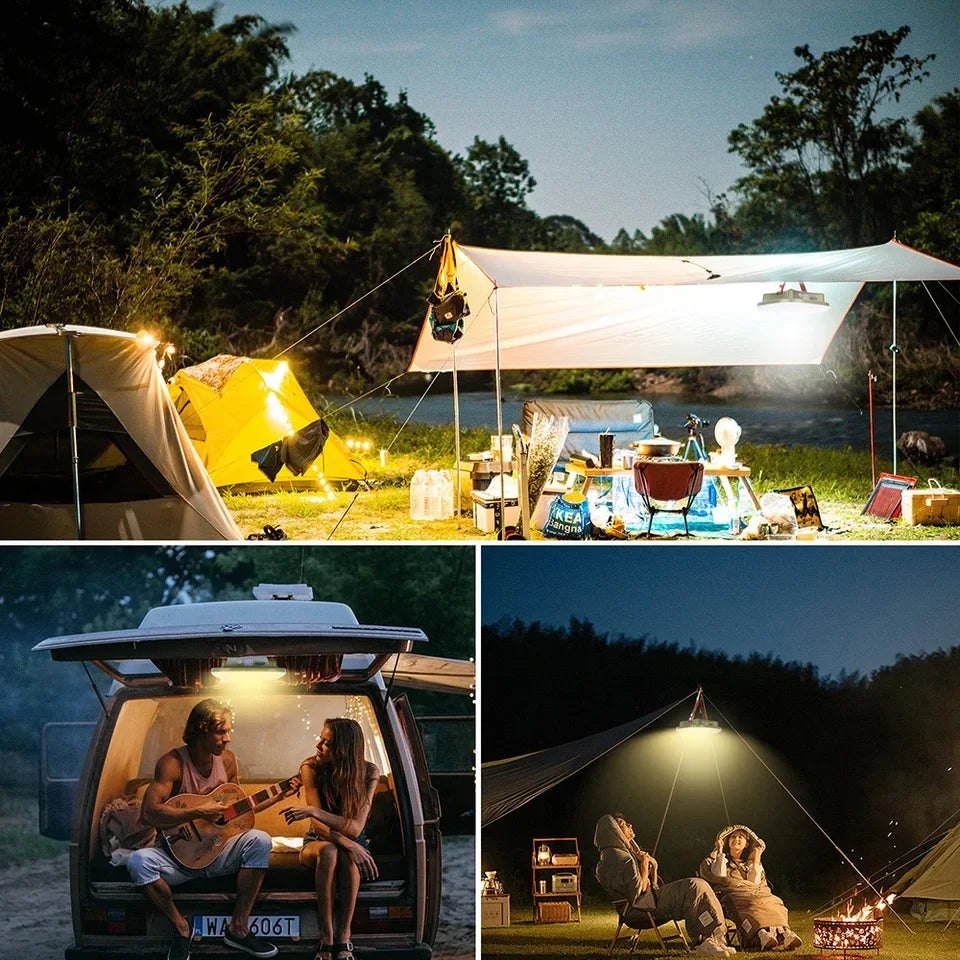
💡 See it in action
Why Smart Campsite Lighting Matters More Than Most Campers Realize
The best campsite lights improve far more than visibility. They reduce stress, improve campsite organization, and help prevent common nighttime accidents.
According to experienced campers, poor lighting is one of the biggest causes of campsite frustration. Dim lanterns make it difficult to cook, find gear, secure tents, or navigate uneven terrain safely.
Good lighting becomes even more important during:
- Rainy weather
- Cold nighttime conditions
- Family camping trips
- Late-night bathroom walks
- Emergency situations
- Group campsites with children
- Remote camping areas without ambient light
Modern rechargeable lanterns also reduce dependency on disposable batteries, making them more practical for longer trips.
How Better Lighting Changes Real Camping Experiences
| Camping Situation | Without Reliable Lighting | With Smart Campsite Lighting |
|---|---|---|
| Night cooking | Limited visibility and unsafe prep | Safer, easier meal preparation |
| Inside the tent | Hard to organize gear | Comfortable nighttime visibility |
| Walking around camp | Trips and falls | Safer movement after dark |
| Power outages | Limited emergency readiness | Reliable backup illumination |
| Family camping | Kids feel uneasy in darkness | More relaxed campsite atmosphere |
How to Choose Camping Lantern Brightness
The best campsite lights usually provide adjustable brightness between 100 and 1000 lumens depending on your camping style. Lower settings work well for tents and relaxing evenings, while higher brightness levels improve visibility during cooking, setup, emergencies, or large group campsites.
Many campers buy lights that are either too dim or excessively bright. Understanding lumen output helps you choose the right balance between visibility and battery efficiency.
Recommended Brightness Levels for Different Camping Situations
- 50–150 lumens: Ideal for tent lighting and reading
- 150–300 lumens: Great for small campsites and dining areas
- 300–700 lumens: Best for family camping and cooking areas
- 700+ lumens: Excellent for emergencies or large campsites
Adjustable brightness settings are especially valuable because they help conserve battery life while adapting to different environments.
A camper cooking dinner may need maximum brightness for safety, while someone relaxing inside a tent may prefer softer lighting to reduce glare.
Warm Light vs Cool Light for Camping
Color temperature also matters more than many campers expect.
- Warm white light: More relaxing and easier on the eyes
- Cool white light: Brighter and better for visibility
- Adjustable temperature lighting: Most versatile for outdoor use
Warm lighting often creates a more comfortable atmosphere for family campsites and social gatherings.
Best Ways to Light Campsite Safely
The best ways to light campsite safely involve layered lighting instead of relying on a single lantern. Combining overhead lanterns, pathway lights, and wearable lighting improves visibility while reducing harsh glare and dark blind spots around camp.
Experienced campers rarely depend on one light source alone.
Use Layered Lighting Zones
Creating dedicated lighting zones makes campsites safer and more functional.
- Cooking Zone: Bright overhead lantern near cooking gear
- Walking Zone: Pathway lighting around tents and obstacles
- Relaxation Zone: Softer ambient lighting near seating areas
- Emergency Zone: Backup lights stored for quick access
This approach prevents harsh shadows while improving overall campsite comfort.
Where to Position Camping Lanterns
Placement dramatically affects campsite visibility.
- Hang lanterns slightly above eye level
- Avoid placing bright lights directly inside tents
- Keep cooking areas fully illuminated
- Use directional lighting near trip hazards
- Position emergency lights near tent entrances
Many campers attach lanterns to gear from the Hooks, Clips & Carabiners collection for flexible positioning around camp.
Features That Separate Great Campsite Lights From Cheap Alternatives
Not all camping lights perform equally outdoors. Many budget lanterns struggle with rain, battery life, or brightness consistency.
The best campsite lights prioritize durability, efficiency, and practical usability.
1. Rechargeable Power Systems
Rechargeable lanterns eliminate the constant need for disposable batteries while reducing long-term costs.
A high-capacity lantern like the 20000mAh Solar Rechargeable Camping Lantern can support multiple nights of illumination while also powering phones or emergency devices.
2. Solar Charging Capability
Solar charging becomes extremely valuable during:
- Multi-day camping trips
- Power outages
- Remote campsites
- Road trips
- Emergency preparedness situations
Even partial solar charging helps extend runtime significantly.
3. Weather Resistance
Outdoor lighting should handle unpredictable weather confidently.
Durable outdoor LED lantern rechargeable models often include:
- Water-resistant housings
- Impact protection
- Dust-resistant construction
- Stable hanging systems
- Heat-resistant LED components
This durability matters during storms, accidental drops, or muddy conditions.
4. Multi-Mode Lighting Options
Versatile lighting modes improve flexibility.
| Mode | Best Use |
|---|---|
| Low Mode | Tent lighting and battery saving |
| Medium Mode | General campsite activities |
| High Mode | Cooking and setup tasks |
| Flashing Mode | Emergency signaling |
| Red Light | Night vision preservation |
Why Rechargeable LED Lanterns Outperform Disposable Options
The best campsite lights now rely on rechargeable lithium battery systems because they offer longer runtimes, brighter output, and better reliability than traditional battery-powered lanterns.
Disposable battery lanterns often fade quickly or become expensive during frequent camping trips.
Rechargeable systems provide:
- Consistent brightness levels
- Lower operating costs
- Reduced environmental waste
- USB charging convenience
- Emergency backup power functionality
Many campers now combine rechargeable lanterns with gear from Portable Power Banks and Solar Lights & Chargers for extended off-grid power.
How LED Technology Improves Camping Safety
LED lighting consumes less power while producing brighter illumination than older bulb technologies.
Benefits include:
- Cooler operating temperatures
- Longer lifespan
- Lower battery drain
- Improved shock resistance
- More reliable brightness outdoors
LED systems also perform better during cold weather camping.
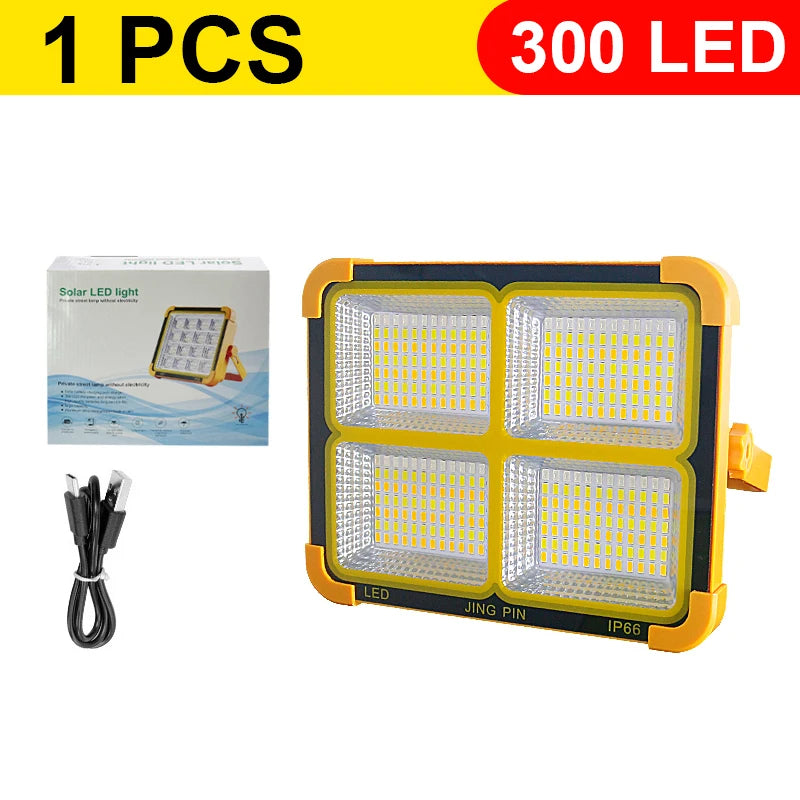
💡 See it in action
Camping Light Feature Comparison Table
| Feature | Basic Lantern | Premium Rechargeable Lantern |
|---|---|---|
| Brightness Control | Limited | Multiple adjustable levels |
| Battery Type | Disposable batteries | Rechargeable lithium battery |
| Runtime | Short | Extended multi-night use |
| Weather Resistance | Minimal | Outdoor-rated durability |
| Charging Options | Battery replacement only | USB + solar charging |
| Emergency Backup | No | Can charge small devices |
| Long-Term Value | Higher ongoing costs | Lower long-term ownership cost |
Tips for Long Lasting Camp Lighting
Tips for long lasting camp lighting usually focus on efficient brightness management, smart charging habits, and strategic lantern placement. Using lower brightness settings during downtime can dramatically extend runtime while maintaining comfortable campsite visibility.
Battery life becomes critical during multi-day trips.
Practical Ways to Extend Lantern Runtime
- Use lower brightness inside tents
- Recharge during daylight when possible
- Turn off unused lighting zones
- Use focused task lighting instead of flooding the entire campsite
- Store lanterns in dry conditions
- Avoid fully draining lithium batteries repeatedly
Smart energy management often matters more than simply buying the brightest lantern available.
Why Power Capacity Matters
Higher-capacity lanterns reduce charging stress during long trips.
The 20000mAh Solar Rechargeable Camping Lantern offers extended runtime advantages that are especially useful for:
- Family camping weekends
- Emergency preparedness kits
- Road trips
- Fishing camps
- Storm backup lighting
- Extended outdoor festivals
Some campers report using a single high-capacity lantern throughout an entire weekend without needing additional charging.
How Weatherproof Lighting Improves Outdoor Safety
Weather changes quickly outdoors. Rain, fog, humidity, and strong winds can turn weak lighting into a major problem.
The best campsite lights continue performing during difficult conditions.
Why Water Resistance Is Essential
Water-resistant lanterns reduce risk during:
- Unexpected rainstorms
- Wet campsite conditions
- River or lakeside camping
- Morning condensation
- Snow camping
Campers often underestimate how quickly moisture damages cheap electronics.
Cold Weather Performance
Some lighting systems struggle in freezing temperatures.
Quality rechargeable lanterns maintain better performance during:
- Late fall camping
- Mountain trips
- Winter road emergencies
- Cold-weather overlanding
Pairing lighting with equipment from Wind & Cold Protection and Weather Protection & Environment collections helps create a more reliable outdoor setup.
Why Families Need Smarter Campsite Lighting
Family campsites require more thoughtful lighting than solo adventures.
Children often feel uneasy in complete darkness, and parents need clear visibility around sleeping areas, cooking stations, and walking paths.
Best Lighting Setup for Families
- Main lantern near dining area
- Small tent lights for children
- Pathway lighting to bathrooms
- Wearable headlamps for adults
- Backup emergency lantern stored inside the tent
Many families also combine lighting gear with essentials from Family Outdoor Bundles and Safety Gear for Kids.
Reducing Nighttime Stress at Camp
Reliable lighting improves comfort in ways many campers overlook.
Parents often report:
- Less anxiety after dark
- Easier nighttime routines
- Safer bathroom trips
- Improved campsite organization
- Better sleep preparation
Small improvements in visibility can completely change the mood of a campsite.
Best Lighting Setup for Car Camping and Overlanding
Car campers usually benefit from larger, brighter lantern systems because weight is less restrictive.
This creates opportunities for more advanced lighting setups.
Recommended Car Camping Lighting Kit
| Lighting Tool | Purpose |
|---|---|
| Main Rechargeable Lantern | Primary campsite illumination |
| Headlamp | Hands-free tasks |
| String Lights | Ambient campsite visibility |
| Emergency Flashlight | Backup safety lighting |
| Portable Power Source | Extended charging support |
Combining lighting with storage systems from Car Organizers & Storage and Car Camping Accessories helps keep gear organized and easy to access at night.
Common Camping Lighting Mistakes to Avoid
Even experienced campers sometimes make lighting mistakes that reduce safety and comfort.
1. Choosing Maximum Brightness Only
Ultra-bright lanterns drain batteries quickly and can create uncomfortable glare.
Balanced brightness control is usually more important.
2. Forgetting Backup Power
Always bring secondary charging solutions or emergency lights.
Many campers carry support gear from Emergency Road Kits or Emergency Lighting collections for added preparedness.
3. Ignoring Weather Ratings
Indoor-use lanterns often fail outdoors during rain or humidity.
4. Poor Light Placement
Improper lantern positioning creates dangerous shadows and uneven visibility.
5. Using Only One Light Source
Layered lighting improves campsite safety significantly.
Why This Rechargeable Lantern Works Better for Modern Campers
The best campsite lights should combine power, versatility, durability, and charging flexibility in one reliable package. A high-capacity rechargeable lantern with solar support provides brighter visibility, longer runtime, and improved emergency readiness compared to traditional battery-powered camping lights.
The 20000mAh Solar Rechargeable Camping Lantern stands out because it addresses the real frustrations campers experience outdoors.
Key Advantages Campers Appreciate
- Extended runtime for multi-night trips
- Rechargeable convenience
- Solar charging support
- Reliable emergency backup capability
- Bright illumination for cooking and setup
- Portable design for travel flexibility
Real Outdoor Scenarios Where It Helps
Imagine arriving at camp after sunset.
Instead of fumbling with weak flashlights, you can quickly illuminate the cooking area, organize sleeping gear, and safely move around camp.
Or picture a sudden storm causing a power outage during a road trip stop. Reliable rechargeable lighting immediately becomes essential.
That combination of convenience and preparedness is why experienced campers increasingly prioritize higher-quality lighting systems.
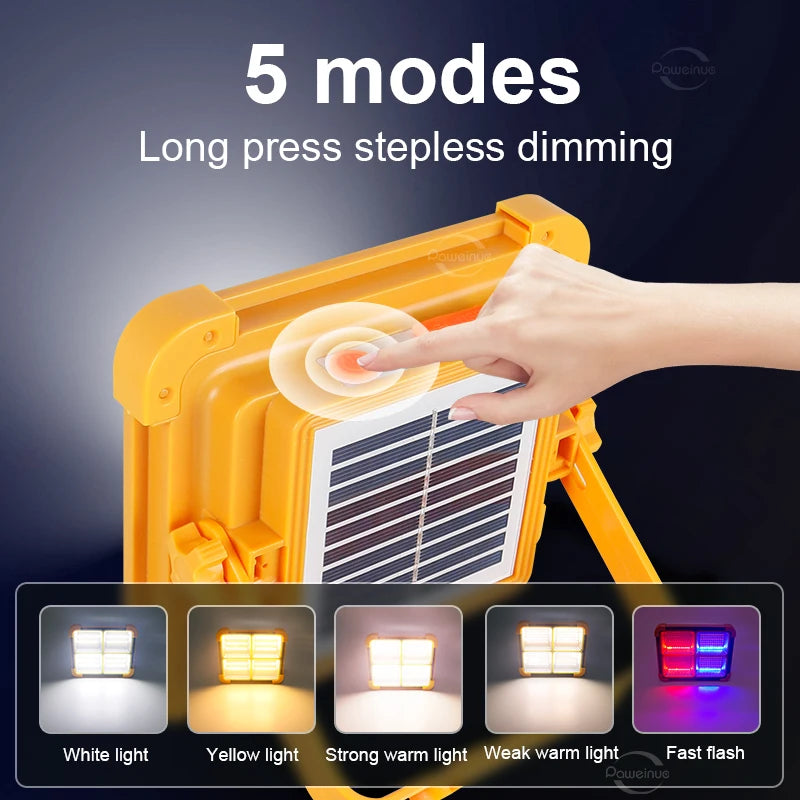
💡 See it in action
How Better Campsite Lighting Improves the Entire Outdoor Experience
The right lantern affects nearly every part of camping.
- Cooking becomes safer
- Tents stay organized
- Children feel more comfortable
- Late-night tasks become easier
- Emergency readiness improves
- Group campsites feel more welcoming
Reliable lighting also encourages campers to spend more time outdoors after sunset instead of retreating early due to darkness.
For complete outdoor comfort, many campers combine lighting solutions with gear from:
- Folding Chairs & Tables
- Picnic Mats & Blankets
- Camping Storage & Boxes
- Ground Sheets & Tarps
- Backpacking & Carry
Frequently Asked Questions
What brightness is best for campsite lighting?
Most campers prefer lanterns between 300 and 700 lumens for general campsite use. Lower brightness works well inside tents, while higher brightness improves visibility during cooking, setup, and emergencies.
Are rechargeable lanterns better for camping?
Rechargeable lanterns are usually more cost-effective and convenient than disposable battery models. They provide consistent brightness, longer runtime, and easier charging during travel or emergencies.
How long should a camping lantern battery last?
A quality rechargeable camping lantern should last several hours on high brightness and significantly longer on low or medium settings. Larger battery capacities support multi-night camping trips more reliably.
What makes a durable outdoor LED lantern rechargeable?
Durable outdoor lanterns typically include weather-resistant construction, impact protection, reliable LED components, and rechargeable lithium batteries designed for repeated outdoor use.
What are the best ways to light campsite safely?
The safest approach uses layered lighting with overhead lanterns, pathway lights, and wearable headlamps. This setup reduces shadows, improves visibility, and helps prevent nighttime accidents.
Related Articles:
- Led Lantern Rechargeable: Smart Features For Better Visibility
- Outdoor Light Rechargeable: Key Features You Should Know
Pillar Articles:





