

What Size Container For Meal Prep? A Simple Planning Guide
What size container for meal prep works best?
What size container for meal prep depends on your portion goals, but most people succeed with a mix: 28–32 oz for full meals, 12–16 oz for lighter lunches, and 4–8 oz for snacks. This combination helps avoid hard to pack balanced lunches, keeps portions consistent, and maximizes fridge space.
What Size Container For Meal Prep? A Simple Planning Guide
⏱ 6 min read
Struggling with containers that are too big, too small, or just don’t stack right? If your fridge feels crowded and your lunches are hard to pack balanced lunches, the issue may not be your food—it’s your container sizes. So what size container for meal prep actually works? Let’s break it down into simple, practical steps.
Explore practical storage solutions designed for easy packing and outdoor-ready meals.
Why Choosing the Right Size Makes Meal Prep Easier
Packing meals shouldn’t feel like solving a puzzle. Yet many people deal with overflowing containers or meals that look half-empty. The wrong size creates waste, frustration, and inconsistent portions.
Ask yourself: What gear actually makes daily prep easier? The answer often starts with sizing.
- Too large: food shifts, portions grow unintentionally
- Too small: ingredients get crammed or separated poorly
- Mismatch sizes: stacking becomes messy and inefficient
- No variety: snacks and mains compete for space
Choosing the right sizes gives structure to your routine, making weekly meal prep faster and more predictable.
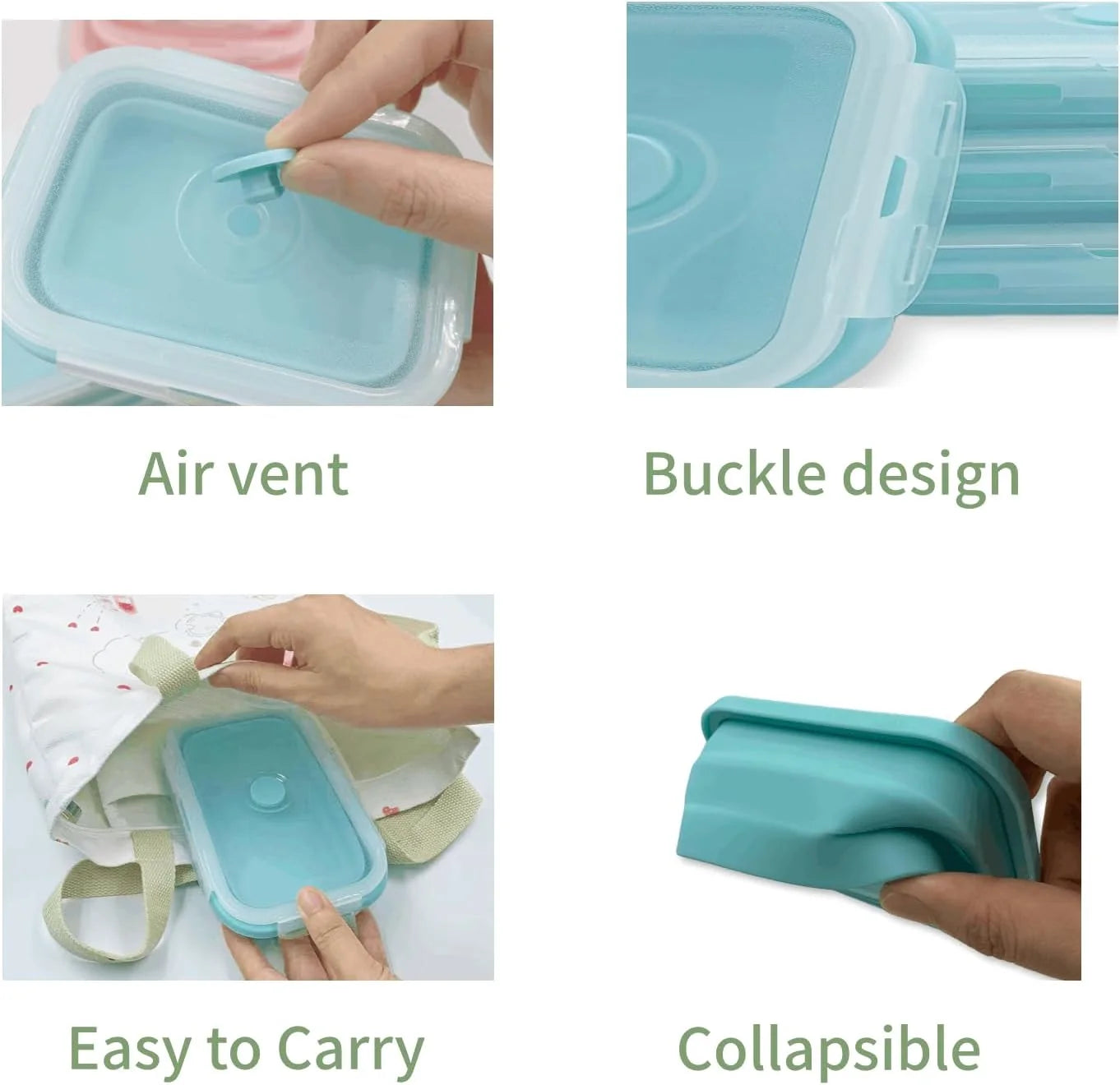
💡 See it in action
What Size Container For Meal Prep: Ideal Sizes Explained
What size container for meal prep works best? Use 28–32 oz containers for full meals like rice, protein, and vegetables; 12–16 oz for lighter meals or salads; and 4–8 oz for snacks or sauces. This combination covers most weekly meal prep needs while keeping portions balanced and storage efficient.
| Container Size | Best For | Typical Use |
|---|---|---|
| 4–8 oz | Snacks & sauces | Nuts, dips, fruit |
| 12–16 oz | Light meals | Salads, wraps |
| 20–24 oz | Moderate meals | Pasta, stir-fry |
| 28–32 oz | Full meals | Rice, protein, veggies |
Most beginners only need 2–3 sizes to cover an entire week.
How to Choose the Right Container Sizes Step by Step
- Start with your main meals: Choose 28–32 oz containers for lunch or dinner prep.
- Add flexibility: Include 12–16 oz containers for lighter meals or variety days.
- Plan snacks: Use 4–8 oz containers to avoid overeating and keep portions controlled.
- Check your fridge space: Stackable shapes matter as much as size.
- Test for a week: Adjust sizes based on what feels too full or too empty.
For compact storage solutions, explore Food Storage Bags & Containers that fit easily into tight fridge spaces.
Portion Guide for Balanced Lunch Prep
Balanced meals become easier when your container matches your portions.
- ½ container: vegetables
- ¼ container: protein
- ¼ container: carbs
- Small side container: sauces or snacks
This simple structure helps avoid hard to pack balanced lunches and keeps meals visually organized.
Pair your setup with Insulated Food Containers if you need meals to stay warm during long workdays or outdoor trips.
Smart packing starts with gear that saves space and keeps meals fresh on the go.
Why Stackable Lunch Containers Save Space and Time
Stackable lunch containers for meal prep are a game changer, especially for small kitchens or shared fridges.
- Maximize vertical storage space
- Reduce clutter and spills
- Speed up weekly organization
- Keep meals easy to grab and go
Many parents prefer stackable lunch containers for meal prep because they simplify busy mornings and reduce decision fatigue.
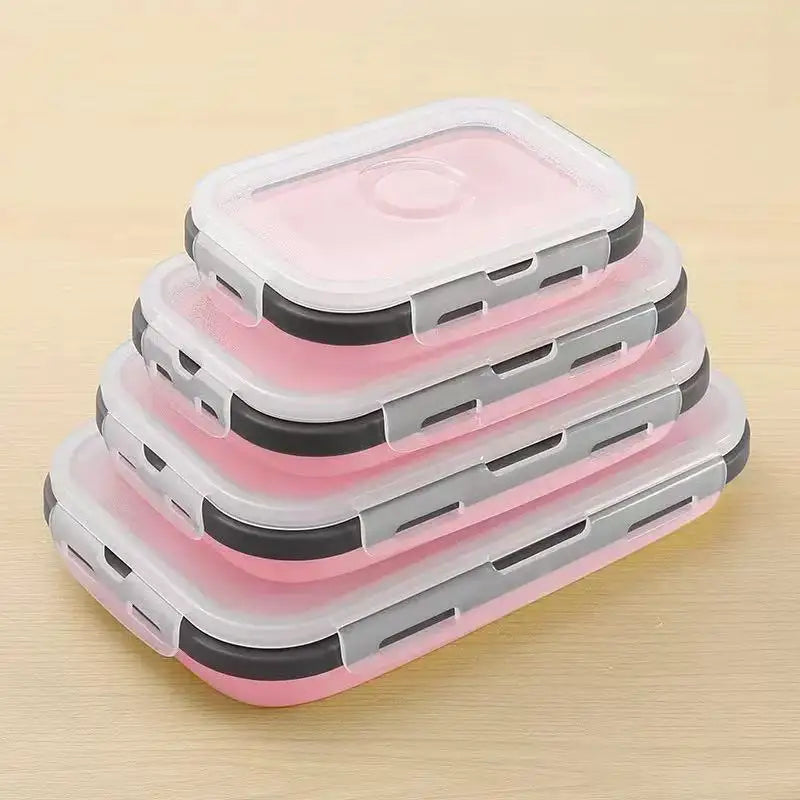
💡 See it in action
Common Mistakes When Choosing Meal Prep Containers
Even experienced meal preppers run into sizing issues. Avoid these common mistakes:
- Using one size for everything: limits flexibility
- Ignoring shape: round containers waste space
- Overpacking meals: leads to inconsistent portions
- Skipping lids quality: causes leaks and mess
For better organization during travel or outdoor use, consider Camping Storage & Boxes to keep everything secure and easy to access.
Real-Life Meal Prep Setups That Actually Work
Here are practical setups used by busy individuals and families:
Weekly Work Lunch Setup
- 5 × 28 oz containers (main meals)
- 5 × 8 oz containers (snacks)
Family Prep Setup
- 10 × 32 oz containers (bulk meals)
- 10 × 12 oz containers (kids portions)
Outdoor & Travel Setup
- Collapsible containers for flexibility
- Compact sizes for backpacks
For travel-friendly options, browse Foldable Travel Gear designed for compact storage and convenience.
How Collapsible Containers Simplify Everyday Prep
If your kitchen space is limited, collapsible containers can reduce clutter instantly. They expand when needed and collapse when stored, making them ideal for both home and outdoor use.
- Save up to 50% storage space
- Easy to carry for work or trips
- Flexible sizing for different meals
- Lightweight and practical
Explore a smart solution here: collapsible silicone lunch boxes for adaptable meal prep.
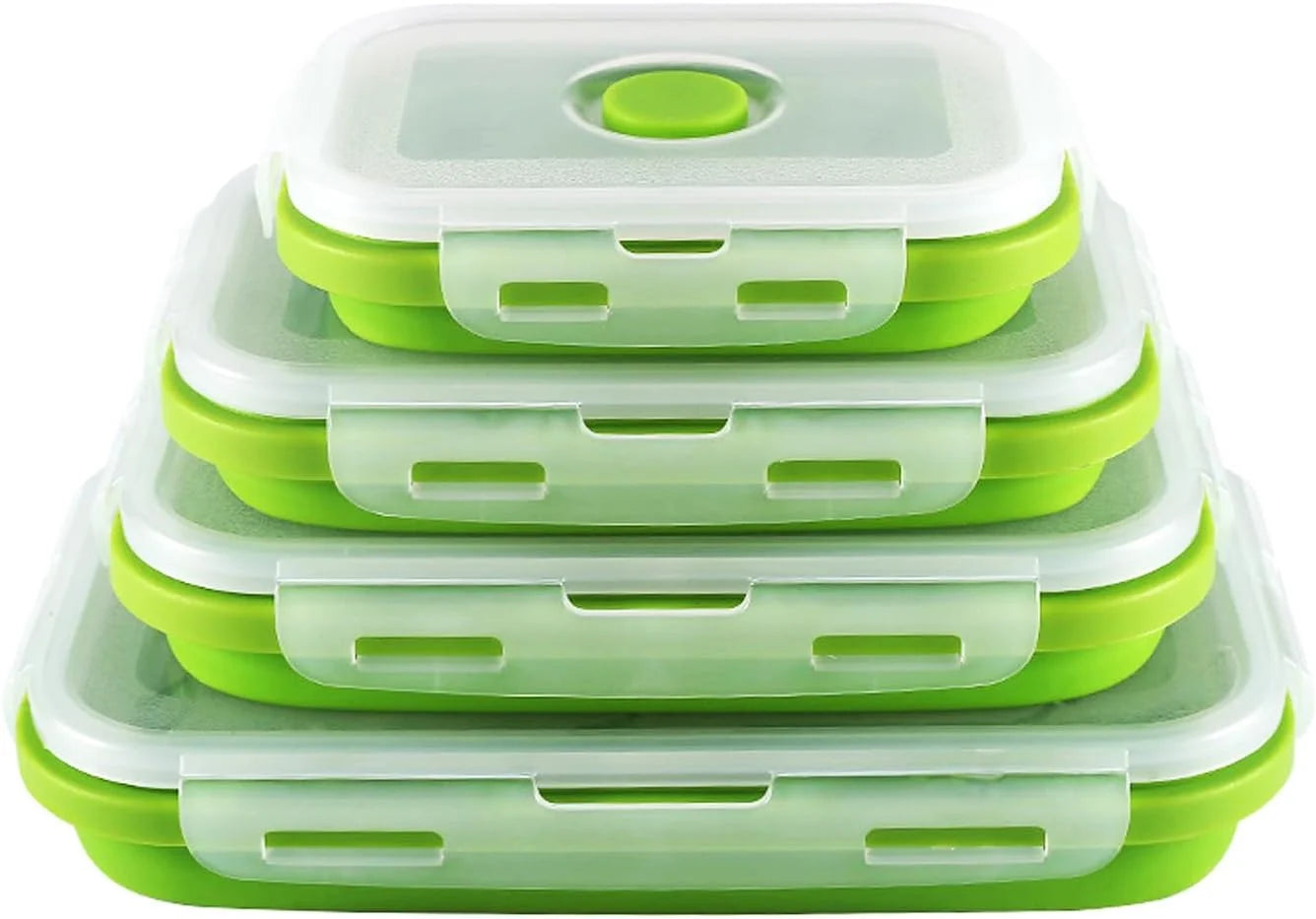
💡 See it in action
What Users Say About Better Container Sizing
Many users report that switching to the right sizes completely changes their routine:
- “I stopped overpacking and wasting food.”
- “My fridge finally looks organized.”
- “Meal prep takes half the time now.”
These small changes add up quickly, especially for busy parents managing multiple meals daily.
Upgrade your meal prep setup with containers that fit your lifestyle perfectly.
Frequently Asked Questions
What size container for meal prep is best for weight loss?
Smaller containers (12–16 oz) help control portions and prevent overeating while still fitting balanced meals.
How many containers do I need for weekly meal prep?
Most people need 10–15 containers in mixed sizes to cover meals and snacks for the week.
Are stackable lunch containers worth it?
Yes, they save space, reduce clutter, and make meal organization faster and easier.
What size works best for kids’ lunches?
12–16 oz containers are ideal for smaller portions while keeping meals balanced and easy to pack.
Pillar Article: How To Use Bpa Free Lunch Containers For Stress-Free Prep
Other Related Articles:
- Using Reusable Silicone Lunch Boxes For School Without Mess
- How To Organize A Meal Prepped Fridge In 5 Easy Steps
- Foldable Lunch Box Guide: Pack More In Less Space
Explore More:





